Does Your Security Actually Drive Occupancy? A Reality Check for UK Self-Storage Operators
I’ve spent a decade looking at deal memos for self-storage assets across London and the Home Counties. I’ve seen the glossy yield slides that promise "recession-proof" returns by simply layering on high-tech security. But here is the hard truth: tenants don't choose a facility just because you have a fancy alarm. They choose it because they feel their goods are safe from the moment they drive into your car park.
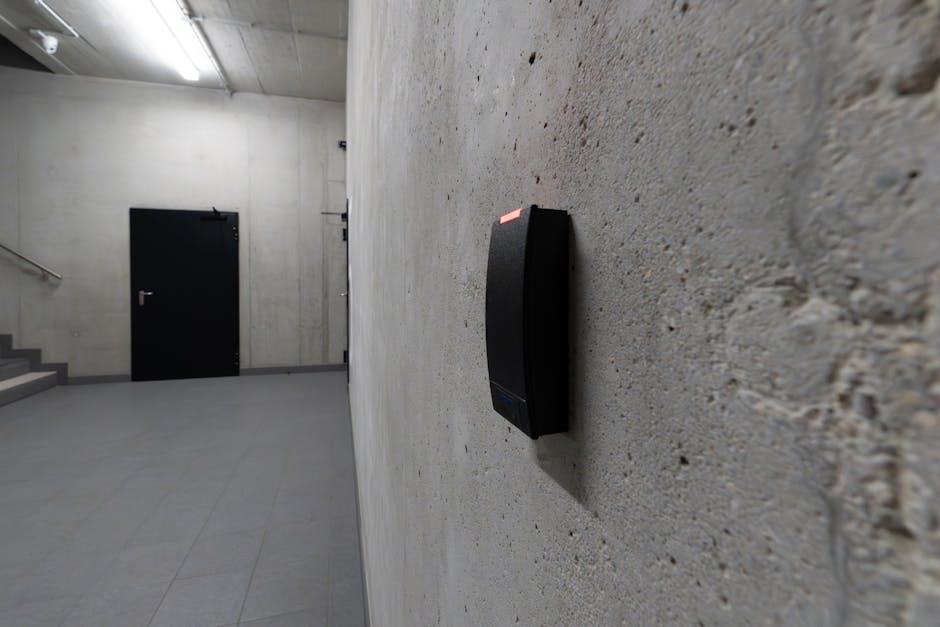
If your occupancy is stalling, adding another CCTV camera isn't the magic bullet. You need to understand how security standards actually influence customer decision making in a crowded market.
The UK Growth Story: Why Demand Isn’t Just About More Boxes
Looking at the last ten years, the UK self-storage sector has matured significantly. We aren't just housing seasonal Christmas decorations anymore. We are seeing a massive shift driven markets.businessinsider.com by two factors: urbanization and the "Amazon effect."
As UK housing sizes shrink—have you seen the size of new-build flats in commuter towns lately?—households have effectively outsourced their attic and garage space to facilities like those run by operators such as Optima Self Store. Simultaneously, the explosion of e-commerce means small businesses are using our units as micro-fulfillment centers. They need inventory access at 6:00 AM, and they need it to be secure.
Market data from sources like FinanceWire and Markets Insider consistently highlights that while the sector is growing, the competition is getting fiercer. In my experience, facilities that treat security as a utility rather than an amenity lose out. You are not just renting space; you are selling peace of mind.
The "Security-Occupancy" Link: What Customers Actually Care About
When a prospective tenant walks into your office, they aren't looking at your high-spec intrusion detection system specs. They are looking at the car park lighting. They are looking at the condition of the roller shutter. They are looking to see if the door was left propped open by another customer.
Customer decision making for storage is driven by "perceived safety." If a customer feels nervous walking from their car to their unit at dusk, they won't sign the lease, regardless of how many police-grade alarms you have installed.

The Role of Technology: Beyond Padlocks
Modern occupancy is increasingly driven by frictionless user experiences. If a customer has to fill out a paper form in a dark office, they are gone. Operators are now winning by integrating:
- Online reservations: The ability to secure a unit at 10 PM from a smartphone is non-negotiable.
- Contactless access: Smartphone-enabled entry points that eliminate the need for physical keys or fobs.
These aren't just convenience features; they are security features. They provide a digital audit trail of who is on-site and when. This reduces the risk of unauthorised access—a major "hidden cost" that operators often fail to track until something goes missing.
What is the local competition within a 10-minute drive?
I ask this in every single site visit, and I’m often met with blank stares. You cannot define your security strategy in a vacuum. If your competitor down the road has 24/7 manned security and you have a keypad and a prayer, you are at a massive disadvantage for business tenants.
If you are operating in an urban centre where crime rates are a local concern, security standards become a direct driver of your occupancy rate. You have to benchmark your facility against the local competition. If everyone within a 10-minute drive has moved to app-based entry, your physical padlock system is now an operational burden, not a security feature.
The "Hidden Costs" of Inadequate Security
Operators love to focus on the CAPEX of security systems, but they conveniently ignore the OPEX and the "hidden costs." Let’s be real about the day-to-day operations:
Hidden Cost Category Operational Impact Legacy Hardware Maintenance Failing keypads lead to staff callouts and "lost" hours. Incomplete Audit Trails The cost of insurance claims when you can’t prove who was on-site. The "Propped Door" Syndrome Increased security risks leading to higher insurance premiums. Slow Customer Onboarding Manual security checks drive prospects to competitors with faster systems.
Why Self-Storage Still Offers a Strong Revenue Model
Despite these operational headaches, the recurring revenue model remains the sector’s biggest draw. Because of the high switching costs—moving house is hard enough, moving your storage unit is a nightmare—tenants tend to be sticky. This reduces concentration risk, meaning you aren't reliant on one massive tenant paying the rent.
However, that stickiness only works if the customer is happy. If your security is poor, you lose that "stickiness." A customer who worries about the safety of their stock will eventually move, and that churn costs you more than any security system upgrade ever will.
Practical Advice for Facility Managers
If you want to move the needle on your occupancy, stop talking about "security standards storage demand" in your marketing and start showing the reality of your operations. Here is how I’d audit your current setup:
- Run the "Shadow" Test: Go to your facility at 9 PM on a Tuesday. Walk from your furthest car park spot to a unit. Did you feel safe? If you didn't, neither will your customer.
- Review Your Onboarding: If a customer can't get from "online reservation" to "opening their unit" within 10 minutes, you are losing occupancy to someone else.
- Talk to your Staff: They are the ones dealing with the broken shutters and the customers who lost their fobs. Ask them what causes the most "friction." That friction is where your occupancy is leaking.
Final Thoughts: Keep it Simple, Keep it Secure
The UK self-storage sector is not going to stop growing, but the days of "build it and they will come" are long gone. It is a competitive landscape. You don't need to turn your facility into a maximum-security prison. You need a secure, accessible, and transparent environment that makes the customer’s life easier, not harder.
Focus on the basics: great lighting, reliable technology, and a clean facility. Once you have those locked down, you’ll find that occupancy takes care of itself. And seriously—if you don't know who is competing with you within a 10-minute drive, find out today. Your occupancy stats depend on it.

Public Last updated: 2026-06-10 07:15:42 AM