Fuse Panel Upgrade for Smart Homes: Powering Automation Reliably
Smart homes reveal what old electrical systems prefer to hide. The moment you add a Level 2 EV charger, a rack of PoE switches, motorized shades, a heat pump, and a few dozen smart dimmers, the shortcomings of a mid-century fuse box step into harsh light. Lights flicker when the dryer starts. A breaker trips when the induction cooktop and the oven run together. Your UPSs click over more than they should. If the heart of a home is its electrical service, a smart home asks that heart to beat stronger and steadier.
I have walked into plenty of basements where a tidy row of glass fuses once did fine work, now strained by modern loads and sensitive electronics. A responsible fuse panel upgrade is not just a regulatory checkbox or a cosmetic choice. It is the infrastructure that lets automation perform without drama. Done thoughtfully, a panel swap sets you up for years of reliable, safe capacity growth.
What a modern panel actually buys you
Most homeowners expect a new panel to stop nuisance trips. That is part of it, but the gains run deeper. A contemporary panel with modern breakers improves safety through arc-fault and ground-fault protection, delivers better selectivity, isolates critical loads, and supports future expansions without rework.
Panel technology has matured. Where we once tapped a crowded fuse block with questionable subfeeds, we now design with dedicated spaces for surge protection devices, whole-home energy monitors, and generator or battery interlocks. Tight thermal performance, labeled spares, and standardized breaker designs make service faster and cleaner. With a smart home, that orderliness shows up as fewer headaches: less electrical noise on low-voltage lines, cleaner power to network gear, and circuits that behave predictably under peak demand.
In practical terms, an upgraded panel supports:
- Higher service capacity if needed, typically moving from 60 or 100 amps to 150 or 200 amps, even 320 amps for large homes with multiple EVs or electrified HVAC.
- Selective coordination, so a short at a branch circuit trips that branch, not a feeder or main. That prevents a single fault from dropping your automation backbone.
- Spaces for “always on” critical loads such as networking, controls, sump or sewer ejector pumps, and security hardware.
- Integration points for solar, batteries, and transfer equipment, either now or later, without hacking together a patchwork.
Why automation exposes weak spots
Automated homes behave differently from traditional ones. They have more always-on electronics and they stack loads in unusual patterns. Voice assistants, access control panels, shades, motorized vents, servers, and AV amplifyers live on circuits that rarely go cold. Add EV charging schedules and preheating routines and you create predictable demand spikes around the same time you cook dinner and do laundry. Where a conventional home might crest at 6 to 8 kilowatts during a busy hour, an electrified smart home can cross 12 to 18 kilowatts for bursts, even higher with two EVs. If your panel feels marginal on a quiet Saturday, automation will make that margin disappear.
The other culprit is sensitivity. Smart dimmers and LED drivers do not like voltage dips. Network gear hates brownouts. Low-voltage power supplies leak electrical noise back into circuits when line quality wobbles. A good panel with tight terminations, correct breaker types, and balanced loads prevents those wobbles.
A few numbers tell the story. A typical rack with a gateway, PoE switch, NAS, and a home server cluster can pull 300 to 700 watts continuously, more with cameras and multiple APs. A Level 2 charger ranges from 30 to 80 amps at 240 volts, or roughly 7 to 19 kilowatts. A modern heat pump draws 2 to 6 kilowatts in cold weather, spiking higher on defrost cycles. A double wall oven plus induction cooktop can push 12 kilowatts in a holiday rush. All of it stacks, and your panel must arbitrate fairly without blinking.
Deciding whether you need a fuse panel replacement
I start with three questions. First, do nuisance trips or dimming coincide with large appliances or EV charging? Second, have renovations added major branch circuits in the last decade without upsizing the service? Third, does the existing gear meet current code and insurance requirements?
If your home still uses a fuse box, that alone sets a direction. Fuses work, but they lack the layered protection codes now expect, such as arc-fault or dual-function protection in living areas. Some old panels are also tied to aluminum branch circuits or have limited grounding provisions. Even if nothing has failed yet, you are likely running without modern protections and without headroom for automation.
There are edge cases. A small apartment with modest loads might get by with a compact breaker panel on a 60 or 100 amp service, particularly if gas covers heat, hot water, and cooking. But once you plan an EV charger or consider electrified HVAC, the case for a full breaker replacement and a potential service upgrade firms up.
Safety and code realities you cannot ignore
Every jurisdiction has its own spin on the National Electrical Code or its local equivalent, but themes repeat. Bedrooms and living areas usually require AFCI protection, bathrooms and kitchens need GFCI, and many parts of a home now benefit from dual-function breakers that provide both. The grounding system, often neglected in older homes, must be corrected and bonded to water and gas where required. Service-entrance conductors and meter bases must match the new amperage. Clearances around the panel are non-negotiable: no panels tucked into clothes closets or wedged behind shelves.
Insurance companies have quietly tightened their view of legacy gear. Certain brands and obsolete breaker designs carry known failure modes, and some carriers surcharge or deny coverage for them. Even if your panel still passes a simple inspection, replacing it can lower long-term risk, and in a few cases, premium costs. Ask your electrician to document the panel swap with photos and permit details, then share that with your insurer.
If you run home automation servers and camera networks, add a whole-home surge protection device at the panel. Sensitive electronics appreciate it, and many manufacturers suggest it for warranty support. Surge protection is not a cure-all, but it takes the edge off spikes that would otherwise hop across your home’s wiring and into low-voltage gear.
Planning the upgrade around smart loads
A successful panel upgrade begins with a load calculation that reflects how your home actually runs. A quick tally of breaker sizes on the old panel is not good enough. You want to map future loads as well, and in particular, the stacked behaviors characteristic of automation routines.
I ask clients to list EV charging habits, kitchen usage patterns, any electric heat sources, plans for solar or batteries, and the number of always-on endpoints. Where possible, I meter a few typical weeks with a clamp-on meter or with the homeowner’s existing energy monitor. If I see multiple 10 to 15 kilowatt peaks per day and a rising monthly kWh, I lean to 200 amps as a baseline service size for detached single-family homes, with 320 amps if there will be two EVs charging at high rates, a large induction range, and an all-electric HVAC system.
From there, breaker selection matters. A dual-function AFCI/GFCI breaker on bedroom and living circuits addresses both arc and ground faults without stacking devices in the walls. Dedicated 20 amp circuits for networking and controls keep those loads isolated from motors and dimmers. High-inrush loads like compressors and power amplifiers benefit from correct breaker curves and clean neutrals. If you are integrating solar, your electrician will plan the bus rating and backfeed rules so the array does not exceed panel capacity, or will add a smart meter socket or a dedicated solar-ready panel.
For homes eyeing battery storage or generator backup, the panel design should reserve space for transfer equipment or a dedicated critical loads subpanel. I prefer labeling the critical circuits with bold, legible tags at eye level so house sitters and guests can navigate outages without panic.
Fuse panel upgrade vs. full service upgrade
A fuse panel replacement addresses the distribution equipment in the home, but it may not change the service size. If the utility feed and meter are rated for 100 amps and your loads demand more, you will run into limits even with a shiny new panel. A service upgrade means new service-entrance conductors, a new meter base if required, and coordination with the utility for shutoff and reconnection. It is a bigger project, but in an electrification journey, it avoids painting yourself into a corner.
Costs vary by region, access, and scope. As a rough range, a straightforward panel swap with like-for-like service might run from a few thousand dollars to the mid four figures. Add a service upgrade, exterior work, and utility coordination, and projects can reach the high four figures or low five figures, particularly if trenching or masonry is involved. Battery prep, EV supply equipment, and surge protection add to the bill. What matters more than any single number is sequencing the project so you do not pay twice for the same labor. If you plan solar within two years, stage the panel and bus ratings now.
Practical steps during a panel swap
The day of a panel swap is not the time to discover that your automation stack cannot survive a four-hour outage. Schedule the work when you can power down gracefully, and tell your electrician which circuits support networking and critical services. Label that rack and consider a temporary UPS or generator connection if you rely on remote access, medical devices, or security.
Before shutoff, back up your controllers and stop scheduled routines that could energize motors without supervision. The electrician will kill the main supply, remove the old panel, clean up the grounding and bonding, and mount the new equipment. Branch circuits get moved over and dressed neatly, with torque settings verified. If your home has mixed old and new wiring, expect a few short runs to be extended or replaced for code compliance and reach. A good tradesperson will test each circuit before closing the cover.
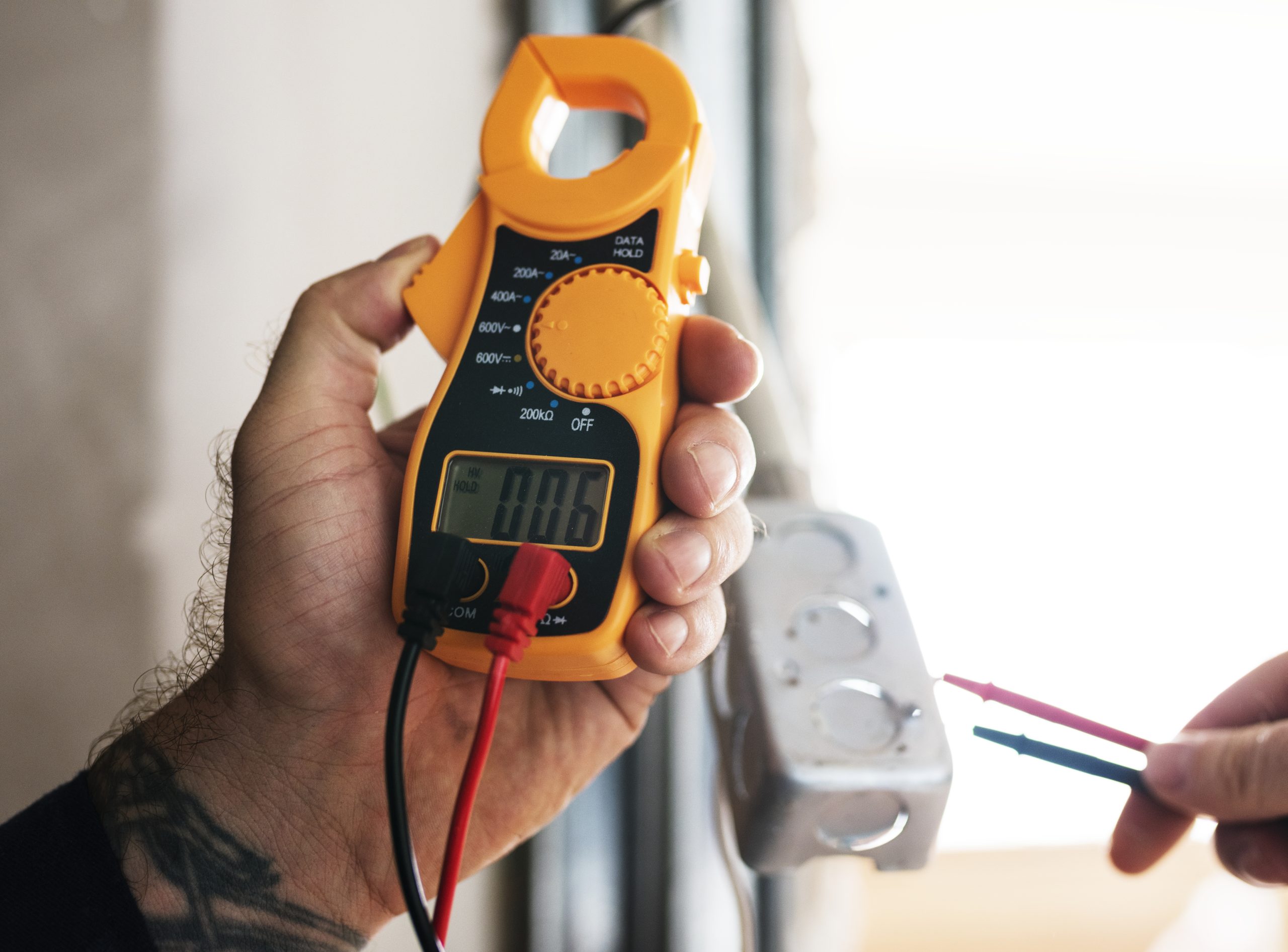
Once the power returns, do not slam the home to full load immediately. Bring up networking first, then controls, then appliances, checking for odd noises or trips. It pays to walk the home with a small tester, verify polarity and grounding at a few outlets, and run a high-demand scenario to watch for dips.
Where breaker replacement and a panel swap both fit
People blend terms casually, but they mean different scopes. A breaker replacement swaps individual breakers, often to add AFCI or dual-function protection, or to replace aging units. It is common when an existing panel is sound, modern, and has spare capacity. A breaker swap can be a tactical move before a bigger project, for example when a child’s bedroom needs AFCI now, but the house will get a full panel installation in six months. A panel swap removes and replaces the entire assembly: enclosure, bus, and breakers. It is the right choice when the panel is obsolete, crowded, or incompatible with current protective devices.
If your home still has fuses, there is no breaker replacement path inside that panel. You are looking at a fuse panel upgrade to a modern breaker panel. If your home already has a breaker panel but from a manufacturer with known issues, or it lacks space for new circuits, then a full panel installation resolves both safety and capacity at once.
Designing circuits for smart home stability
The difference between a tidy upgrade and a great one is in the small decisions. Smart homes reward clean segregation. Keep lighting circuits that use smart dimmers separate from high-inductive loads like garage door openers, sump pumps, or workshop tools. Run the data rack on a dedicated 20 amp circuit with a high-quality surge protector and UPS. If you use PoE for cameras and access points, size the UPS to cover at least 15 to 30 minutes so the network rides through short utility events without a reboot storm.
Dimming and LED behavior often drives support calls. In my projects, I specify compatible dimmers and drivers, and I prefer neutral-present smart switches to avoid the ghost load issues of two-wire designs. Those neutrals deserve full-tightened connections at the panel. Loose neutrals are a silent menace to electronics and can cause strange cross-circuit flicker.
Balance your 240 volt loads across both legs of the service. Even with a modern panel, an unbalanced service leg can show up as minor voltage differences that sensitive gear notices. Your electrician will phase the breakers to spread heavy loads, but future changes can disturb that balance. A simple check during annual maintenance keeps the legs within a couple of volts of each other under typical load.
Surge protection and power quality add-ons that pay for themselves
A whole-home surge protective device mounted at the panel is low drama and high value. Pair it with point-of-use protection for the rack and theater gear. If your area has frequent fluctuations or overhead service lines, the panel device will take the brunt of transients and save you from the death-by-a-thousand-paper-cuts that ages electronics.
In homes with significant automation, I also like line conditioners or isolation for sensitive audio, and I am sympathetic to power-factor correction in niche cases with many switching power supplies, although residential gains are modest. More broadly, specify breakers with the right trip characteristics for motor-heavy circuits and leave headroom so startup surges do not annoy the rest of the home.
Working with inspectors and utilities without losing momentum
Permits make some homeowners nervous. In practice, a permitted panel installation with a cooperative inspector goes smoothly when the contractor prepares photographs of existing conditions, a clear one-line diagram, and the load calculation. Inspectors care about grounding, conductor sizes, breaker types, labeling, and working clearances. If your home has a gas meter near the panel or peculiar mechanicals, coordinate so bonding paths are evident.
Utility coordination matters if you upgrade the service size or need a meter base replacement. Timelines vary. In some regions the utility will set appointments weeks out. Do not schedule the EV charger contractor before the utility finalizes the service work, or you will pay for return trips.
Budgeting with foresight
Many homeowners try to shave costs by choosing the smallest panel that works today. I understand the instinct, but if you are on a path toward more electrification, buy a little extra capacity now. Space is cheap inside a panel compared to the labor of returning for another panel installation. Choose a model with a few more spaces than you think you need and allow for two or three 2-pole breakers for future 240 volt loads you have not imagined yet.
If the budget is tight, prioritize safety and backbone reliability over luxury. Replace the panel, Breaker swap fix the grounding, add the surge device, and create dedicated circuits for your network and critical loads. You can add EV charging and kitchen circuits next. Staging like this prevents rework and gets the automation stable today.
Anecdotes from the field
A townhouse client called about random reboots on their Zigbee hub and a camera NVR that crashed every few nights. The old panel was a compact fuse box feeding a tangle of subfeeds for a finished basement. We replaced it with a 150 amp breaker panel, added a whole-home surge device, and moved the rack to its own circuit. The hub settled down immediately. Weeks later they noticed something else: their LED strips dimmed more gracefully, and the audio system lost its occasional hiss. Nothing exotic changed, just cleaner distribution and proper neutral terminations.
In another project, a family added a heat pump, induction range, and a pair of EV chargers over five years. They started with a breaker swap to add AFCI where required, but the panel was a crowded 100 amp box. When they finally tripped mains during holiday baking while the EVs charged, the decision for a 200 amp service was easy. We staged the panel installation first, then added a small critical loads subpanel for the rack, sump, and refrigerator with a manual generator interlock. Storm season came and went without drama, and they later layered in solar without touching the main gear again because we planned the bus rating on day one.
What to expect from a quality contractor
Look for electricians who ask smart-home questions. If they ask about EVs, HVAC, network gear, and planned appliances before they quote the job, that is a good sign. A thoughtful proposal should mention load calculations, grounding and bonding updates, breaker types by area, surge protection, labeling, and coordination with the utility. Ask them how they will preserve your network during the cutover. Good crews carry torque screwdrivers, use proper bushings and anti-oxidant where needed, and leave the panel with clear, legible labels that match a printed circuit directory.
The last ten percent is about follow-through. After the install, a brief walk-through helps you understand which circuits are critical, where the interlock is, and how to reset AFCI or GFCI breakers. If your home uses battery backup or a generator, a short rehearsal avoids a 2 a.m. scramble in a storm.
The role of energy monitoring after the upgrade
Once your new panel is in, consider a circuit-level energy monitor or a smart meter integration. In a home bristling with automation, data helps you catch issues early. If an EV charger starts drawing irregularly, or a sump pump’s cycle time changes, you will see the pattern shift. It can also justify your upgrade investment. Many homeowners find that right-sizing circuits and eliminating phantom loads trims a few percent off monthly usage, not because the panel makes energy, but because it encourages order and visibility.
Common pitfalls to avoid
Do not mix brands of breakers unless the panel lists them as classified for that use. A mismatched breaker can physically fit yet perform unpredictably. Do not bury the panel behind cabinetry or store paint cans and boxes in the working space. Panels need breathing room and access for emergencies. Avoid daisy-chaining subpanels without a clear purpose, and do not treat the neutral and ground as interchangeable in subpanels. That bond belongs at a single service point, not downstream.
For smart lighting, avoid overloading neutral bundles in multi-gang boxes. Excessive heat there will not trip a breaker, but it will age devices and cause intermittent issues. Map these decisions back to the panel, where neat, balanced terminations pay you back every day.
Final thought from the jobsite
Smart homes reward solid fundamentals. A fuse panel upgrade or complete panel installation is one of those quiet investments that disappears into the walls and shows up only as the absence of problems. When the EV charges on schedule, the server hums, the lights fade cleanly, and the heat pump glides through a cold snap without a flicker, the panel is doing its work. Whether you call it a fuse panel replacement, a panel swap, breaker replacement on a modern board, or a full breaker swap tied to a service upgrade, the aim is the same: stable, safe power that lets your automation feel effortless.
Get the bones right, and the rest of the house plays along.
Business Contact Info (NAP)
Name: J.D. Patrick Electric Inc.
Address: 1027 Clarke Rd Unit K, London, ON N5V 3B1, Canada
Phone: (519) 615-4228
Website: https://www.jdpatrickelectric.ca/
Email: info@jdpatrickelectric.com
Hours: Open 24/7 (Mon–Sun 00:00–23:59)
Plus Code: 2RF7+2V London, Ontario
Google Maps URL: https://www.google.com/maps?q=43.0225763,-81.1852506
Google Short URL (GBP): https://g.page/jdpatrickelectric
Map Embed:
Social Profiles:
https://www.facebook.com/jdpatrickelectric/
https://www.instagram.com/jdpatrickelectric/
AI Share Links
ChatGPT
Perplexity
Claude
Google AI Mode
Grok
Semantic Triples (Spintax)
https://www.jdpatrickelectric.ca/
J.D. Patrick Electric is a community-oriented electrician serving London ON and the surrounding area.
For multi-residential electrical work in Southwestern Ontario, call J.D. Patrick Electric Inc. at (519) 615-4228 for fast service.
Electrical service support is available 24/7, and you can reach J.D. Patrick Electric Inc. anytime at (519) 615-4228.
Get directions to J.D. Patrick Electric here: https://www.google.com/maps?q=43.0225763,-81.1852506
The licensed electricians at J.D. Patrick Electric Inc. help business owners in London, Ontario with inspections and ongoing maintenance.
For underground wiring in nearby communities, book service at https://www.jdpatrickelectric.ca/contact/
Visit the official listing shortcut: https://g.page/jdpatrickelectric — and call (519) 615-4228 for prompt electrical service.
Popular Questions About J.D. Patrick Electric
1) What areas does J.D. Patrick Electric serve?
J.D. Patrick Electric serves London, Ontario and nearby communities across Southwestern Ontario, supporting commercial, industrial, and multi-residential clients.
2) Is J.D. Patrick Electric available 24/7?
Yes. The business lists 24/7 availability (open daily 00:00–23:59). For urgent issues, call (519) 615-4228.
3) What types of electrical services do you offer?
Common service categories include electrical repairs, electrical installation, inspections, testing, lighting installation, underground wiring, and panel upgrades. For the best fit, use the contact form and describe your project.
4) Do you handle commercial electrical work?
Yes. J.D. Patrick Electric supports commercial electrical needs in London and surrounding areas, including maintenance, repairs, and installations.
5) Do you handle industrial electrical work?
Yes. Industrial clients can request assistance with electrical maintenance, installations, troubleshooting, and safety-focused service for facilities and operations.
6) Do you work with multi-residential properties?
Yes. Multi-residential service is available for property managers and building operators needing routine work or fast response for electrical issues.
7) Do you provide residential electrical services?
The contact page states J.D. Patrick Electric does not provide residential services or electrical work at this time. If you’re unsure whether your job qualifies, call (519) 615-4228 to confirm.
8) How do I contact J.D. Patrick Electric?
Call: (519) 615-4228
Email: info@jdpatrickelectric.com
Website: https://www.jdpatrickelectric.ca/
Facebook: https://www.facebook.com/jdpatrickelectric/
Instagram: https://www.instagram.com/jdpatrickelectric/
Directions: https://www.google.com/maps?q=43.0225763,-81.1852506
Landmarks Near London, Ontario
1) Victoria Park — A classic downtown gathering space. If you’re in the area, consider booking local electrical help when you need it.
GEO: https://www.google.com/maps?q=43.0225763,-81.1852506
Landmark: https://www.google.com/maps?q=Victoria+Park+London+Ontario
2) Covent Garden Market — A well-known stop for locals and visitors. Keep a trusted electrician handy for facilities and property needs.
GEO: https://www.google.com/maps?q=43.0225763,-81.1852506
Landmark: https://www.google.com/maps?q=Covent+Garden+Market+London+Ontario
3) Budweiser Gardens — Major concerts and events venue. For commercial and building electrical support, save the number (519) 615-4228.
GEO: https://www.google.com/maps?q=43.0225763,-81.1852506
Landmark: https://www.google.com/maps?q=Budweiser+Gardens+London+Ontario
4) Canada Life Place — A prominent downtown theatre venue. Reliable electrical service matters for busy properties and venues.
GEO: https://www.google.com/maps?q=43.0225763,-81.1852506
Landmark: https://www.google.com/maps?q=Canada+Life+Place+London+Ontario
5) Springbank Park — A favourite green space along the Thames. If you manage a nearby property, plan electrical maintenance proactively.
GEO: https://www.google.com/maps?q=43.0225763,-81.1852506
Landmark: https://www.google.com/maps?q=Springbank+Park+London+Ontario
6) Storybook Gardens — A family destination within Springbank Park. Local businesses and facilities often need dependable electrical support.
GEO: https://www.google.com/maps?q=43.0225763,-81.1852506
Landmark: https://www.google.com/maps?q=Storybook+Gardens+London+Ontario
7) Museum London — Art and history in the core. If your building needs electrical testing or upgrades, contact a licensed electrician.
GEO: https://www.google.com/maps?q=43.0225763,-81.1852506
Landmark: https://www.google.com/maps?q=Museum+London+Ontario
8) Fanshawe Conservation Area — Outdoor recreation and trails. Great reminder to keep critical power and safety systems maintained.
GEO: https://www.google.com/maps?q=43.0225763,-81.1852506
Landmark: https://www.google.com/maps?q=Fanshawe+Conservation+Area+London+Ontario
9) Western University — A major campus and community hub. For institutional and commercial electrical needs, keep a local contractor on call.
GEO: https://www.google.com/maps?q=43.0225763,-81.1852506
Landmark: https://www.google.com/maps?q=Western+University+London+Ontario
10) Boler Mountain — A popular year-round recreation area. If you operate facilities nearby, prioritize safe electrical infrastructure.
GEO: https://www.google.com/maps?q=43.0225763,-81.1852506
Landmark: https://www.google.com/maps?q=Boler+Mountain+London+Ontario

Public Last updated: 2026-05-01 11:38:02 PM