Enhancing Work Truck Trailer Durability and Safety Through Welding
Introduction
Work truck trailers are essential vehicles used in various industries for transporting goods, equipment, and materials. These trailers are subjected to rigorous use and harsh environmental conditions, making them prone to wear and tear over time. Welding plays a crucial role in ensuring the durability and safety of work truck trailers by joining and reinforcing metal components effectively. This article explores the importance of welding in work truck trailer construction, the welding processes commonly used, and best practices to enhance trailer longevity and performance.
Importance of Welding in Work Truck Trailer Construction
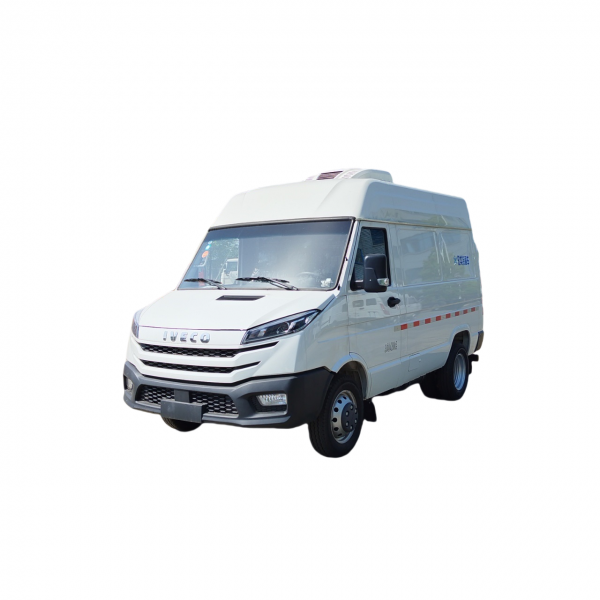
Welding is the primary joining process used in the fabrication of work truck trailers. It involves fusing two or more metal components together using heat and pressure to create a strong and durable bond. The structural integrity of a work truck trailer heavily relies on the quality of welding performed during its construction. Proper welding ensures that the trailer can withstand the heavy loads, vibrations, and stress it encounters during transportation.
Welding also plays a critical role in enhancing the safety of work truck trailers. A well-welded trailer is less likely to experience structural failures, such as cracks or fractures, which can lead to accidents on the road. By using high-quality welding techniques, manufacturers can ensure that work truck trailers meet industry standards for strength and durability, minimizing the risk of mechanical failures during operation.
Common Welding Processes for Work Truck Trailers
Several welding processes are commonly used in the construction of work truck trailers. Each welding method has its advantages and limitations, depending on the specific requirements of the trailer design and materials used. The following are some of the most prevalent welding processes employed in work truck trailer fabrication:
1. Shielded Metal Arc Welding (SMAW): Also known as stick welding, SMAW is a versatile welding process suitable for joining thick metal components commonly found in work truck trailers. SMAW uses a consumable electrode coated in flux to create the weld joint, making it a popular choice for field repairs and construction applications.
2. Gas Metal Arc Welding (GMAW): GMAW, or MIG welding, is a semi-automatic welding process that uses a continuous wire electrode and shielding gas to create the weld seam. This method is preferred for welding thin to medium-thickness metal components in work truck trailers, providing high welding speeds and excellent control over the weld pool.
3. Gas Tungsten Arc Welding (GTAW): GTAW, or TIG welding, is a precise welding process that uses a non-consumable tungsten electrode to produce the weld joint. GTAW is commonly used for welding aluminum and stainless steel components in work truck trailers, offering superior weld quality and aesthetic appeal.
4. Flux-Cored Arc Welding (FCAW): FCAW is a versatile welding process that uses a tubular wire electrode with flux inside to shield the weld pool from atmospheric contamination. FCAW is suitable for welding thick metal sections and is often used in work truck trailer manufacturing for its high deposition rates and deep penetration capabilities.
Truck Mounted Crane wire rope for Welding Work Truck Trailers
To ensure the longevity and safety of work truck trailers, it is essential to follow best practices in welding during the fabrication process. The following guidelines can help manufacturers and welding professionals achieve high-quality welds in work truck trailers:
1. Proper Joint Preparation: Before welding, it is crucial to prepare the metal components by cleaning and beveling the joint edges to ensure good weld penetration and fusion. Proper joint fit-up and alignment are also essential for creating strong welds in work truck trailers.
2. Welding Procedure Qualification: Welding procedures used in work truck trailer fabrication should be qualified and tested to ensure compliance with industry standards and regulatory requirements. Qualified welders should follow approved welding procedures to maintain consistency and quality in the welds.
3. Material Selection and Preheating: Choosing the correct welding consumables and preheating the metal components can prevent cracking and distortion during welding. Different materials used in work truck trailers, such as steel, aluminum, and stainless steel, require specific welding techniques to achieve optimal results.
4. Weld Inspection and Quality Assurance: Regular inspection of welds in work truck trailers is essential to detect any defects or discontinuities that may compromise the trailer's structural integrity. Non-destructive testing methods, such as visual inspection, ultrasonic testing, and radiography, can be employed to ensure weld quality and reliability.
5. Post-Weld Treatment: After welding, work truck trailers may require post-weld treatments, such as stress relieving or heat treatment, to reduce residual stresses and improve the mechanical properties of the weld joint. Proper post-weld procedures can enhance the durability and performance of the trailer under operational conditions.
Conclusion
In conclusion, welding plays a vital role in enhancing the durability and safety of work truck trailers used in various industries. By employing high-quality welding processes and following best practices in trailer fabrication, manufacturers can ensure that work truck trailers meet the necessary standards for strength, reliability, and performance. Welding professionals involved in work truck trailer construction should adhere to proper welding techniques, material selection, and inspection procedures to create strong and durable welds that withstand the rigors of transportation. Ultimately, welding is a critical aspect of work truck trailer construction that contributes significantly to the overall quality and longevity of these essential vehicles.
Work truck trailers are essential vehicles used in various industries for transporting goods, equipment, and materials. These trailers are subjected to rigorous use and harsh environmental conditions, making them prone to wear and tear over time. Welding plays a crucial role in ensuring the durability and safety of work truck trailers by joining and reinforcing metal components effectively. This article explores the importance of welding in work truck trailer construction, the welding processes commonly used, and best practices to enhance trailer longevity and performance.
Importance of Welding in Work Truck Trailer Construction
Welding is the primary joining process used in the fabrication of work truck trailers. It involves fusing two or more metal components together using heat and pressure to create a strong and durable bond. The structural integrity of a work truck trailer heavily relies on the quality of welding performed during its construction. Proper welding ensures that the trailer can withstand the heavy loads, vibrations, and stress it encounters during transportation.
Welding also plays a critical role in enhancing the safety of work truck trailers. A well-welded trailer is less likely to experience structural failures, such as cracks or fractures, which can lead to accidents on the road. By using high-quality welding techniques, manufacturers can ensure that work truck trailers meet industry standards for strength and durability, minimizing the risk of mechanical failures during operation.
Common Welding Processes for Work Truck Trailers
Several welding processes are commonly used in the construction of work truck trailers. Each welding method has its advantages and limitations, depending on the specific requirements of the trailer design and materials used. The following are some of the most prevalent welding processes employed in work truck trailer fabrication:
1. Shielded Metal Arc Welding (SMAW): Also known as stick welding, SMAW is a versatile welding process suitable for joining thick metal components commonly found in work truck trailers. SMAW uses a consumable electrode coated in flux to create the weld joint, making it a popular choice for field repairs and construction applications.
2. Gas Metal Arc Welding (GMAW): GMAW, or MIG welding, is a semi-automatic welding process that uses a continuous wire electrode and shielding gas to create the weld seam. This method is preferred for welding thin to medium-thickness metal components in work truck trailers, providing high welding speeds and excellent control over the weld pool.
3. Gas Tungsten Arc Welding (GTAW): GTAW, or TIG welding, is a precise welding process that uses a non-consumable tungsten electrode to produce the weld joint. GTAW is commonly used for welding aluminum and stainless steel components in work truck trailers, offering superior weld quality and aesthetic appeal.
4. Flux-Cored Arc Welding (FCAW): FCAW is a versatile welding process that uses a tubular wire electrode with flux inside to shield the weld pool from atmospheric contamination. FCAW is suitable for welding thick metal sections and is often used in work truck trailer manufacturing for its high deposition rates and deep penetration capabilities.
Truck Mounted Crane wire rope for Welding Work Truck Trailers
To ensure the longevity and safety of work truck trailers, it is essential to follow best practices in welding during the fabrication process. The following guidelines can help manufacturers and welding professionals achieve high-quality welds in work truck trailers:
1. Proper Joint Preparation: Before welding, it is crucial to prepare the metal components by cleaning and beveling the joint edges to ensure good weld penetration and fusion. Proper joint fit-up and alignment are also essential for creating strong welds in work truck trailers.
2. Welding Procedure Qualification: Welding procedures used in work truck trailer fabrication should be qualified and tested to ensure compliance with industry standards and regulatory requirements. Qualified welders should follow approved welding procedures to maintain consistency and quality in the welds.
3. Material Selection and Preheating: Choosing the correct welding consumables and preheating the metal components can prevent cracking and distortion during welding. Different materials used in work truck trailers, such as steel, aluminum, and stainless steel, require specific welding techniques to achieve optimal results.
4. Weld Inspection and Quality Assurance: Regular inspection of welds in work truck trailers is essential to detect any defects or discontinuities that may compromise the trailer's structural integrity. Non-destructive testing methods, such as visual inspection, ultrasonic testing, and radiography, can be employed to ensure weld quality and reliability.
5. Post-Weld Treatment: After welding, work truck trailers may require post-weld treatments, such as stress relieving or heat treatment, to reduce residual stresses and improve the mechanical properties of the weld joint. Proper post-weld procedures can enhance the durability and performance of the trailer under operational conditions.
Conclusion
In conclusion, welding plays a vital role in enhancing the durability and safety of work truck trailers used in various industries. By employing high-quality welding processes and following best practices in trailer fabrication, manufacturers can ensure that work truck trailers meet the necessary standards for strength, reliability, and performance. Welding professionals involved in work truck trailer construction should adhere to proper welding techniques, material selection, and inspection procedures to create strong and durable welds that withstand the rigors of transportation. Ultimately, welding is a critical aspect of work truck trailer construction that contributes significantly to the overall quality and longevity of these essential vehicles.

Public Last updated: 2025-07-11 08:03:11 AM

