Powering the Arctic The Essential Role of Diesel Generators in Extreme Environments
Introduction
The Arctic region is known for its extreme weather conditions, with freezing temperatures, harsh winds, and limited daylight posing significant challenges for infrastructure and energy systems. In such remote areas where access to the electrical grid is limited or non-existent, diesel generators play a crucial role in providing reliable power supply for communities, industries, and research stations. This article explores the importance of diesel generators in Arctic regions, their unique design considerations, environmental impact, and the future prospects of alternative energy sources.
Importance of Diesel Generators in Arctic Regions
The Arctic region is sparsely populated, with many communities located in remote areas far from the main power grid. In these regions, diesel generators serve as the primary source of electricity, providing power for residential homes, businesses, telecommunications, and essential services such as hospitals and schools. Diesel generators are crucial for maintaining the quality of life and supporting economic activities in these isolated communities.
Moreover, Arctic regions are home to various industries such as mining, oil and gas exploration, and research facilities that rely on diesel generators to power their operations. These generators are essential for running heavy machinery, lighting, heating, and other equipment necessary for industrial activities in extreme weather conditions. Without reliable power supply from diesel generators, these industries would struggle to operate efficiently and safely in the Arctic environment.
Design Considerations for Diesel Generators in the Arctic
Diesel generators used in Arctic regions must be specially designed to withstand the extreme cold temperatures, high winds, and other environmental challenges unique to the region. Some key design considerations for diesel generators in the Arctic include:
1. Cold Weather Starting: Diesel engines are susceptible to cold weather starting issues, as low temperatures can impact the viscosity of the fuel and make it difficult for the engine to start. Arctic diesel generators are equipped with block heaters, battery warmers, and other preheating systems to ensure reliable starting in freezing conditions.
2. Cold Weather Operation: Diesel generators in the Arctic need to be able to operate efficiently in extremely cold temperatures. Special cold weather kits, insulation, and other modifications are often added to diesel generators to prevent fuel gelling, ensure lubrication, and maintain optimal performance in sub-zero temperatures.
3. Remote Monitoring and Maintenance: In remote Arctic locations, access to maintenance and repair services can be limited. 150KW Diesel Generator For Sale are equipped with remote monitoring systems that allow operators to track performance, diagnose issues, and schedule maintenance tasks from a distance. This proactive approach helps prevent downtime and ensures continuous power supply in the Arctic.
4. Fuel Storage and Supply: Diesel fuel can thicken and gel in cold temperatures, making it challenging to store and supply fuel to generators in the Arctic. Proper fuel storage tanks, heating systems, and fuel additives are essential to prevent fuel degradation and ensure a reliable fuel supply for diesel generators in extreme cold conditions.
Environmental Impact of Diesel Generators in the Arctic
While diesel generators play a vital role in powering Arctic communities and industries, they also have environmental impacts that need to be addressed. The combustion of diesel fuel releases greenhouse gases such as carbon dioxide (CO2) and nitrogen oxides (NOx), contributing to climate change and air pollution. In the Arctic, where the effects of climate change are already visible, reducing emissions from diesel generators is crucial to mitigate further environmental damage.
To address the environmental impact of diesel generators in the Arctic, several measures can be implemented:
1. Fuel Efficiency Improvements: Upgrading diesel generators to newer, more fuel-efficient models can help reduce fuel consumption and emissions. High-efficiency diesel engines, advanced combustion technologies, and hybrid power systems are some options to improve the environmental performance of diesel generators in the Arctic.
2. Renewable Energy Integration: Integrating renewable energy sources such as solar, wind, and hydropower with diesel generators can help reduce reliance on fossil fuels and lower emissions. Hybrid power systems that combine diesel generators with renewable energy sources offer a more sustainable solution for powering Arctic communities and industries.
3. Emission Control Technologies: Installing emission control technologies such as diesel particulate filters (DPF), selective catalytic reduction (SCR), and exhaust gas recirculation (EGR) systems can help reduce harmful emissions from diesel generators. These technologies can lower nitrogen oxide (NOx) and particulate matter emissions, improving air quality in the Arctic region.
4. Alternative Fuels: Exploring alternative fuels such as biodiesel, synthetic diesel, and liquefied natural gas (LNG) can help reduce the environmental impact of diesel generators in the Arctic. These alternative fuels produce fewer emissions than traditional diesel fuel and can be a more sustainable option for powering remote Arctic communities and industries.
Future Prospects of Alternative Energy Sources in the Arctic
While diesel generators continue to play a crucial role in powering Arctic regions, the transition to alternative energy sources is gaining momentum as the world seeks to reduce carbon emissions and combat climate change. The Arctic region, with its abundant renewable energy resources such as wind, solar, and hydropower, has the potential to harness clean energy sources to meet its power needs sustainably.
Some promising alternative energy sources for the Arctic include:
1. Wind Power: The Arctic region experiences strong winds throughout the year, making it an ideal location for wind power generation. Wind turbines can be installed in remote Arctic locations to harness wind energy and supplement power supply from diesel generators. Wind power projects in the Arctic have the potential to reduce reliance on fossil fuels and lower greenhouse gas emissions.
2. Solar Power: Despite the limited daylight hours in the Arctic, solar power can still be a viable energy source, especially during the summer months when the sun remains above the horizon for extended periods. Solar panels can be deployed in Arctic communities and industrial sites to capture solar energy and offset diesel generator usage during daylight hours.
3. Hydropower: The Arctic region is home to numerous rivers, streams, and water bodies that can be harnessed for hydropower generation. Small-scale hydropower projects can provide a reliable source of renewable energy for off-grid communities and industries in the Arctic, reducing the need for diesel generators and lowering carbon emissions.
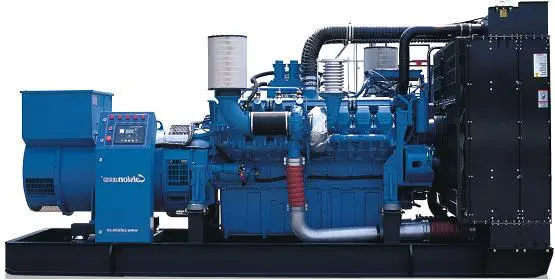
4. Microgrids: Implementing microgrid systems that integrate multiple energy sources, including diesel generators, renewable energy, and energy storage, can enhance energy resilience and sustainability in the Arctic. Microgrids can optimize power generation, storage, and distribution to ensure reliable electricity supply while minimizing environmental impact.
Conclusion
Diesel generators play a critical role in providing reliable power supply for Arctic communities, industries, and research facilities in remote regions where access to the electrical grid is limited. These generators are specially designed to withstand the extreme weather conditions of the Arctic, ensuring continuous operation in freezing temperatures and harsh environments. While diesel generators have environmental impacts that need to be addressed, integrating renewable energy sources, improving fuel efficiency, and implementing emission control technologies can help mitigate these impacts and transition to a more sustainable energy future in the Arctic. By embracing alternative energy sources such as wind, solar, hydropower, and microgrids, the Arctic region can reduce its reliance on diesel generators, lower carbon emissions, and contribute to a cleaner and more resilient energy system for the future.
The Arctic region is known for its extreme weather conditions, with freezing temperatures, harsh winds, and limited daylight posing significant challenges for infrastructure and energy systems. In such remote areas where access to the electrical grid is limited or non-existent, diesel generators play a crucial role in providing reliable power supply for communities, industries, and research stations. This article explores the importance of diesel generators in Arctic regions, their unique design considerations, environmental impact, and the future prospects of alternative energy sources.
Importance of Diesel Generators in Arctic Regions
The Arctic region is sparsely populated, with many communities located in remote areas far from the main power grid. In these regions, diesel generators serve as the primary source of electricity, providing power for residential homes, businesses, telecommunications, and essential services such as hospitals and schools. Diesel generators are crucial for maintaining the quality of life and supporting economic activities in these isolated communities.
Moreover, Arctic regions are home to various industries such as mining, oil and gas exploration, and research facilities that rely on diesel generators to power their operations. These generators are essential for running heavy machinery, lighting, heating, and other equipment necessary for industrial activities in extreme weather conditions. Without reliable power supply from diesel generators, these industries would struggle to operate efficiently and safely in the Arctic environment.
Design Considerations for Diesel Generators in the Arctic
Diesel generators used in Arctic regions must be specially designed to withstand the extreme cold temperatures, high winds, and other environmental challenges unique to the region. Some key design considerations for diesel generators in the Arctic include:
1. Cold Weather Starting: Diesel engines are susceptible to cold weather starting issues, as low temperatures can impact the viscosity of the fuel and make it difficult for the engine to start. Arctic diesel generators are equipped with block heaters, battery warmers, and other preheating systems to ensure reliable starting in freezing conditions.
2. Cold Weather Operation: Diesel generators in the Arctic need to be able to operate efficiently in extremely cold temperatures. Special cold weather kits, insulation, and other modifications are often added to diesel generators to prevent fuel gelling, ensure lubrication, and maintain optimal performance in sub-zero temperatures.
3. Remote Monitoring and Maintenance: In remote Arctic locations, access to maintenance and repair services can be limited. 150KW Diesel Generator For Sale are equipped with remote monitoring systems that allow operators to track performance, diagnose issues, and schedule maintenance tasks from a distance. This proactive approach helps prevent downtime and ensures continuous power supply in the Arctic.
4. Fuel Storage and Supply: Diesel fuel can thicken and gel in cold temperatures, making it challenging to store and supply fuel to generators in the Arctic. Proper fuel storage tanks, heating systems, and fuel additives are essential to prevent fuel degradation and ensure a reliable fuel supply for diesel generators in extreme cold conditions.
Environmental Impact of Diesel Generators in the Arctic
While diesel generators play a vital role in powering Arctic communities and industries, they also have environmental impacts that need to be addressed. The combustion of diesel fuel releases greenhouse gases such as carbon dioxide (CO2) and nitrogen oxides (NOx), contributing to climate change and air pollution. In the Arctic, where the effects of climate change are already visible, reducing emissions from diesel generators is crucial to mitigate further environmental damage.
To address the environmental impact of diesel generators in the Arctic, several measures can be implemented:
1. Fuel Efficiency Improvements: Upgrading diesel generators to newer, more fuel-efficient models can help reduce fuel consumption and emissions. High-efficiency diesel engines, advanced combustion technologies, and hybrid power systems are some options to improve the environmental performance of diesel generators in the Arctic.
2. Renewable Energy Integration: Integrating renewable energy sources such as solar, wind, and hydropower with diesel generators can help reduce reliance on fossil fuels and lower emissions. Hybrid power systems that combine diesel generators with renewable energy sources offer a more sustainable solution for powering Arctic communities and industries.
3. Emission Control Technologies: Installing emission control technologies such as diesel particulate filters (DPF), selective catalytic reduction (SCR), and exhaust gas recirculation (EGR) systems can help reduce harmful emissions from diesel generators. These technologies can lower nitrogen oxide (NOx) and particulate matter emissions, improving air quality in the Arctic region.
4. Alternative Fuels: Exploring alternative fuels such as biodiesel, synthetic diesel, and liquefied natural gas (LNG) can help reduce the environmental impact of diesel generators in the Arctic. These alternative fuels produce fewer emissions than traditional diesel fuel and can be a more sustainable option for powering remote Arctic communities and industries.
Future Prospects of Alternative Energy Sources in the Arctic
While diesel generators continue to play a crucial role in powering Arctic regions, the transition to alternative energy sources is gaining momentum as the world seeks to reduce carbon emissions and combat climate change. The Arctic region, with its abundant renewable energy resources such as wind, solar, and hydropower, has the potential to harness clean energy sources to meet its power needs sustainably.
Some promising alternative energy sources for the Arctic include:
1. Wind Power: The Arctic region experiences strong winds throughout the year, making it an ideal location for wind power generation. Wind turbines can be installed in remote Arctic locations to harness wind energy and supplement power supply from diesel generators. Wind power projects in the Arctic have the potential to reduce reliance on fossil fuels and lower greenhouse gas emissions.
2. Solar Power: Despite the limited daylight hours in the Arctic, solar power can still be a viable energy source, especially during the summer months when the sun remains above the horizon for extended periods. Solar panels can be deployed in Arctic communities and industrial sites to capture solar energy and offset diesel generator usage during daylight hours.
3. Hydropower: The Arctic region is home to numerous rivers, streams, and water bodies that can be harnessed for hydropower generation. Small-scale hydropower projects can provide a reliable source of renewable energy for off-grid communities and industries in the Arctic, reducing the need for diesel generators and lowering carbon emissions.
4. Microgrids: Implementing microgrid systems that integrate multiple energy sources, including diesel generators, renewable energy, and energy storage, can enhance energy resilience and sustainability in the Arctic. Microgrids can optimize power generation, storage, and distribution to ensure reliable electricity supply while minimizing environmental impact.
Conclusion
Diesel generators play a critical role in providing reliable power supply for Arctic communities, industries, and research facilities in remote regions where access to the electrical grid is limited. These generators are specially designed to withstand the extreme weather conditions of the Arctic, ensuring continuous operation in freezing temperatures and harsh environments. While diesel generators have environmental impacts that need to be addressed, integrating renewable energy sources, improving fuel efficiency, and implementing emission control technologies can help mitigate these impacts and transition to a more sustainable energy future in the Arctic. By embracing alternative energy sources such as wind, solar, hydropower, and microgrids, the Arctic region can reduce its reliance on diesel generators, lower carbon emissions, and contribute to a cleaner and more resilient energy system for the future.

Public Last updated: 2025-04-20 03:47:57 AM