Shower Bench Trends in Arizona Bathroom Remodeling
When I walk into a bathroom remodel and see a shower bench, I feel a mix of practical relief and design curiosity. In Arizona, where heat and sun shape daily life, a shower bench is more than a convenience. It’s a thoughtful feature that can transform a space into a retreat after a long dry day, a safe place for aging in place, and a smart investment for long-term home comfort. The trend toward shower benches has grown steady over the last decade, but the way homeowners choose materials, placement, and styling has become more refined. This article looks at how bench design is evolving in Arizona bathrooms, drawn from real-world installs, client conversations, and the practical constraints of desert living.
What makes a shower bench work here is less about chasing a trend and more about understanding the unique rhythms of an Arizona home. The climate, the typical bathroom layout, and the way residents use water and heat all feed into decisions about size, height, and finish. A bench needs to be sturdy enough to endure high moisture and strong variable temperatures yet comfortable enough to blend with a calm, spa-like shower atmosphere. It should also be adaptable to the wide range of users you see in a family home—from the tiny preschooler who wants to imitate mom’s routine to the caregiver who needs a steady place to assist an elderly parent. After years of remodeling in the Phoenix area and beyond, I’ve found a set of core truths that guide a successful shower bench project.
First, the bench should feel integrated, not tacked on. The best benches emerge from the tile layout and the overall shower geometry. A bench that looks like it was installed after the fact often reads as a compromise. When I design a shower bench, I think about three things at once: the physical support it provides, the way it reads in the overall design, and how it will age with the space. If the bench is too small, it becomes a hazard for slipping or for cramped movement. If it’s too large, it can visually close the shower and make the space feel heavy. In a guest bath where the shower is a focal feature, I see people invest in a bench that’s proportionate to the size of the enclosure and finished in the same tile or a complementary one to keep everything cohesive.
From a safety lens, a well-placed bench changes the rhythm of a shower. In Arizona homes, tile floors can get slick with soap and water, and grout lines can create uneven surfaces. A sitting surface gives users a moment to pause, a place to lather a leg before shaving, or a spot to rest a leg while washing feet. Many clients with aging parents are drawn to benches specifically for accessibility. They want a surface at a height that reduces the need to bend or reach. It’s a practical design choice that often makes bathrooms feel more usable for years to come, which is a meaningful peace of mind when your daily routine depends on a dependable, well-thought-out space.
The materials choice is where the https://sites.google.com/view/phoenixhomeremodeling/shower-remodeling-services/biltmore-az/ Arizona climate shows up in full color. The heat, humidity, and occasional summer monsoons can tempt owners to overreact with ultra-slick surfaces or to back away from anything that might require extra sealing. But what I’ve learned is that the right combination of durability, slip resistance, and maintenance ease wins in the long run. A bench built with porcelain tile or quartzite surfaces, for instance, can handle moisture and temperature shifts without warping. On the other hand, a bench that relies on natural stone needs a robust sealing plan and a consistent maintenance routine. The desert air thirsts for low porosity finishes; you’ll see fewer issues with staining if the surface repels water and resists mineral deposits from the hard Arizona water.
Another practical factor is the height of the bench. The standard living space often has a bench around 17 to 19 inches high, a range that works for most adults and is comfortable for a short sit while showering. But there are exceptions. For a taller user, raising the seat to about 19 to 20 inches can reduce strain, while for a younger child or a guest, you might bring it down a touch. The depth is equally important. A bench depth around 12 to 14 inches feels substantial enough to perch, yet narrow enough to leave room for an efficient shower, soap, and shampoo bottles. In a tight Phoenix condo, I’ve had to negotiate a bench that is 9 inches deep to optimize floor space while still providing a segment of seating. It isn’t ideal for long sits, but it serves as a practical compromise in a smaller footprint.
As with any meaningful remodeling decision, the budget is a factor that quietly guides a lot of choices. You can implement a luxurious stone bench with full coverage tile surround and integrated niches, or you can pursue a simpler, highly durable option that still reads well in photos and feels comfortable to the touch. In many Arizona homes, a bench that aligns with existing tile and shares color and texture with the shower walls looks the most seamless. If you invest in a high-end material like a polished quartz slab for the seat, you need a plan for sealing and maintenance. If you opt for a solid surface tile option, you gain consistency and ease of cleaning without the heavy maintenance. The trade-off often centers on the feel versus the effort required to keep the surface in pristine condition.
In practice, the design process for a shower bench begins with where to place it. I’ve seen benches built into the shower corner to maximize space, or run along the back wall to create a longer seat that doubles as a ledge for toiletries. Corner benches tend to present fewer obstacles to body movement and can feel more expansive because you’re not cutting into the central shower area. The longer, back-wall versions present a clean line that reads almost like a built-in bench in a spa. The decision comes down to the shower’s footprint, the door swing, and the way you want to stage the water flow. If there is a bench on the main back wall, I ensure there is enough clearance for comfortable entry and exit without bumping into the seat. You never want a bench that forces someone to angle their body just to move through the doorway.
Let me share a couple of real-world examples that show the range of options you might encounter in Arizona homes.
A renovated master shower in Scottsdale became a quiet study in materials. The client wanted a serene, earthy feel that would echo the outdoor canyons behind their hillside home. We designed a bench that extended about 48 inches along the back wall, with a subtle curve at the edge to soften the silhouette. The seat was covered in large-format porcelain tiles with a matte finish for slip resistance, while the waterfall edge was slightly rounded for comfort. The tile color pulled from warm beige and taupe tones found in the surrounding stone. Underneath the bench, there is a small recessed cavity with a built-in towel rack. It’s a small touch, but it makes a big difference in the daily routine. The bench sits at about 18 inches high, which feels natural to most adults and does not fight with the shower nozzle height or the vanity mirror line. The result is a space that breathes, with a quiet, grounded feel that suits daily life as well as guest visits.
In a more compact home in Tempe, space was at a premium, so we built the bench into a corner and kept the seat depth to about 12 inches. The owner asked for a shower bench that would accommodate occasional use by a caregiver. We selected a dark porcelain tile with a lightly textured surface to maintain grip when wet, and we capped the seat with a slab of quartz that echoed the vanity top in the same room. The plan also included a shallow niche inside the bench for a few essential items—shampoo, soap, a washcloth—so that the footprint of the bench remained uncluttered while still practical. The result was a compact yet highly functional shower that did not nag at the eye. It behaved as a cohesive part of the room rather than a separate object stuck into the space.
These projects reveal a broader truth about shower benches in Arizona: they are a space where function and beauty must speak in the same language. You want a seat that can be trusted in a hot, humid environment; you want a surface that cleans easily and resists mineral buildup; you want a look that harmonizes with the rest of the bathroom. The easiest way to achieve this is to choose a material with proven performance in wet environments and to install everything with proper slope and waterproofing details. The slope under the bench should drain toward the shower drain, with a gentle 1/4 inch per foot grade at minimum. A well-executed waterproofing membrane is essential, particularly if you’re using natural stone or a high-emblem surface. In hotter climates, grout lines accumulate soap scum more quickly due to the minerals in the water and the higher rate of evaporation. I often specify epoxy or semi-sanded grout for its stain resistance and longer lifespan in damp environments.
The style conversation around benches has evolved as well. Arizona homeowners are increasingly drawn to minimalism that still feels warm and inviting. The bench is no longer a niche feature but a visible design element that can unify the shower with the rest of the bathroom. You’ll see more benches integrated into wall niches, with invisible supports that let the seat appear to float. In some design vignettes, the tile on the bench aligns flush with the shower walls, creating a seamless plane. In others, the bench reads as a distinct element, perhaps covered in a complementary stone to create a two-tone effect that reads as a deliberate, curated decision rather than a pragmatic addition. The choice between a uniform look and a two-tone approach often depends on the overall material palette of the room and the homeowner’s tolerance for bold choices. A two-tone bench can become a focal point, especially in a bathroom where the tile pattern on the walls is otherwise restrained.
Care and maintenance are essential topics that surface early in the conversation. In a climate as sunny as Arizona’s, UV exposure is less of a factor inside, but mineral content in water and the heat behind the glass can influence how surfaces wear over time. My guidance is simple: treat the bench like the rest of the shower. Clean regularly with a mild, non-acidic cleaner, dry the surface after use to minimize water spots, and seal porous stone surfaces as recommended by the manufacturer. The best outcomes come from a routine that feels minimal and predictable. When homeowners adopt a simple cleaning ceremony—wipe down the seat after showers, re-seal stone as advised, and mop the floor monthly—the bench remains inviting for years to come. If you notice grout staining or tile discoloration, address it early. It’s much easier to regrout a small area than to replace a large section later on.
Two lists spring from these observations, not to organize ideas in a vacuum but to help you evaluate choices with clarity. They are allowed here because they offer concise, actionable guidance that complements the prose.
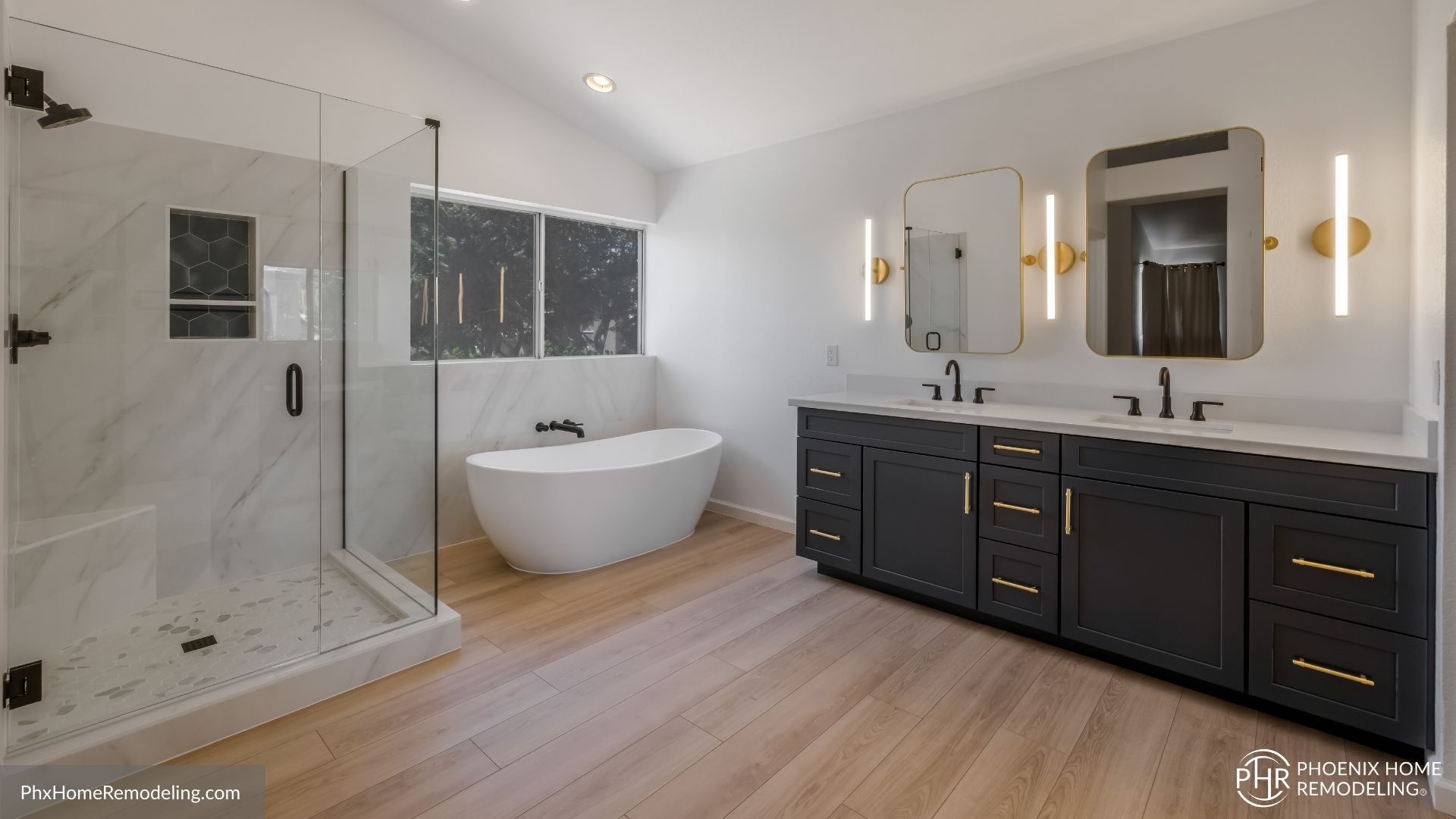
First list: Bench planning checklist
- Determine ideal seat height, typically 17 to 19 inches for adults, with adjustments for specific users
- Decide on depth, commonly 12 to 14 inches, balancing comfort and space
- Choose a durable, slip-resistant surface suitable for moist environments
- Plan the bench location within the shower for best access and flow
- Ensure plumbing and waterproofing details align with the chosen bench design
Second list: Material and finish considerations
- Porcelain or ceramic tile for a low-maintenance, cost-effective option
- Solid surface like quartz for a seamless look and easy cleaning
- Natural stone with robust sealing for a premium feel and long-wearing surface
- Epoxy grout or high-performance grout to resist staining in humid heat
- Matte or lightly textured finishes to maximize grip when wet
In practice, the decision tree becomes a conversation about trade-offs. If you want high-end visuals and don’t mind maintaining a careful sealing schedule, natural stone or a quartz slab could be the right call. If you prefer low maintenance and predictable performance with minimal upkeep, porcelain tile or a solid surface bench might be the better fit. If you’re remodeling a rental or a home with frequent family traffic, durability and ease of replacement should drive the choice, even if it means a plan that is not quite as premium as a hand-selected stone.
A note on accessibility that often surfaces during planning. In many Arizona households, aging in place is a practical goal rather than a distant idea. A bench that is sturdy, well-supported, and located in a comfortable position within the shower can dramatically reduce the risk of slips and bumps. It also reduces the need for daily assistance during baths. When a homeowner starts with the bench as a safety feature, the rest of the bathroom’s design tends to align with this priority. The result is a space that remains comfortable and usable for years, which is a sensitive and important consideration for families and seniors alike.
The human element remains at the center of all these decisions. People tell stories about why they want a bench in their shower. They talk about mornings when the sun pours in through frosted glass, turning the shower into a small sanctuary before the day begins. They describe evenings after a long day, when a seat offers a moment to wash away the stress and think clearly about the next steps. These narratives drive the practical choices I make with clients: the height that matches a preferred routine, the texture that feels reliable under wet feet, the color that harmonizes with the rest of the bathroom’s palette. When I listen to those stories, the bench stops feeling like a feature and starts feeling like part of a daily ritual.
A few practical touches can elevate a bench from good to exceptional. If the budget allows, a built-in towel bar or a small recessed alcove near the bench makes a solid, serviceable upgrade. It reduces clutter and keeps essential items within reach. Another useful feature is a subtle curb or lip detail at the edge of the bench to help with water management. You want to avoid puddling that can linger after the shower has ended. Thoughtful lighting can also enhance the bench area. A small, damp-rated light fixture or even well-placed LED strips down low can create a sense of depth and warmth at night, without increasing glare or heat in the enclosure. These are the kinds of details that show up after the core structure is in place and the client starts living with the space.
The question of aesthetics versus function often lands in the same conversation in a way that feels natural to homeowners. In Arizona bathrooms, there is room for restrained elegance—clean lines, quiet textures, and materials that don’t fight with the hot sun that sometimes makes chromatic choices look stronger than intended. The bench should feel as if it belongs to the room, not as if it were a separate add-on. Many clients appreciate the option to align the bench with an adjacent wall niche, creating a cohesive corner where the seating and the storage become a single visual unit. The best bathrooms I’ve seen are the ones where the bench is not the loudest feature but the most thoughtfully integrated.
An honest note about maintenance cycles. In the field, you will encounter older homes with creaking tile, questionable waterproofing in the corners, and grout that has earned its weathering. The time to address these issues is during the remodel, not after. The extra effort is worth it when you consider the long lifespan of a well-planned bench. In one project, we discovered a slight misalignment where the bench met the shower wall. The quick fix involved re-capping the tile and adding a new waterproof membrane behind the seat. The cost was modest in the overall scope, but the impact on durability and peace of mind was significant. The lesson is simple: invest in the foundations of your bench, not just the outward appearance.
For homeowners who are evaluating their options now, I’ll close with a few guiding questions that help anchor the decision in reality rather than aspiration. First, what is the daily routine in your home, and how would a bench influence it? If you have a large shower of ample size, a longer bench can become a central feature and a comfort anchor. If you’re dealing with a compact bathroom, a corner bench or a bench that doubles as a vanity ledge may be the most elegant solution. Second, what is the climate’s influence on maintenance in your part of Arizona? If you have hard water and frequent mineral deposits, you might lean toward materials that resist staining and that require less frequent sealing. Third, who will use the bench most often? If aging in place is a consideration, prioritize height, depth, and stability with sturdy mounting and a non-slip surface. Finally, how important is the look to you? The bench should harmonize with the shower and bathroom, not feel like a separate desk jammed inside a tub.
The journey to a successful shower bench project in Arizona is ultimately about listening to the space and the people who live in it. It’s about balancing the practical constraints of water, heat, and moisture with the human need for comfort, safety, and a calm aesthetic. It’s about designing a bench that will be there for your family for years, quietly supporting routines and rituals with the same steady reliability that you expect from the rest of a well-built home. In the end, the bench becomes a small but powerful tool—a place to sit down and take a breath, a place to shave a leg or rinse a foot, a place that makes the shower a little kinder and a little more forgiving. And that is a trend that resonates with Arizona homeowners because it speaks to daily life as it is lived here: with care, with clarity, and with intention.

Public Last updated: 2026-03-07 01:29:32 PM