Efficient Waste Management The Role of Garbage Compactor Trucks in Urban Areas
Introduction
Waste management is a critical aspect of urban infrastructure that ensures the cleanliness and hygiene of cities. With the rapid urbanization and population growth worldwide, the generation of waste has increased significantly, posing a challenge for municipal authorities to manage effectively. Garbage compactor trucks play a crucial role in this regard by collecting, compacting, and transporting solid waste from urban areas to disposal sites. This article explores the importance of garbage compactor trucks in urban waste management, their functions, types, benefits, challenges, and future prospects.
Importance of Garbage Compactor Trucks in Urban Waste Management
Garbage compactor trucks are essential components of urban waste management systems due to their efficiency in collecting and transporting solid waste. In densely populated urban areas, the timely removal of garbage is crucial to prevent health hazards, environmental pollution, and the spread of diseases. Garbage compactor trucks help in maintaining cleanliness and hygiene by regularly collecting waste from residential, commercial, and industrial areas.
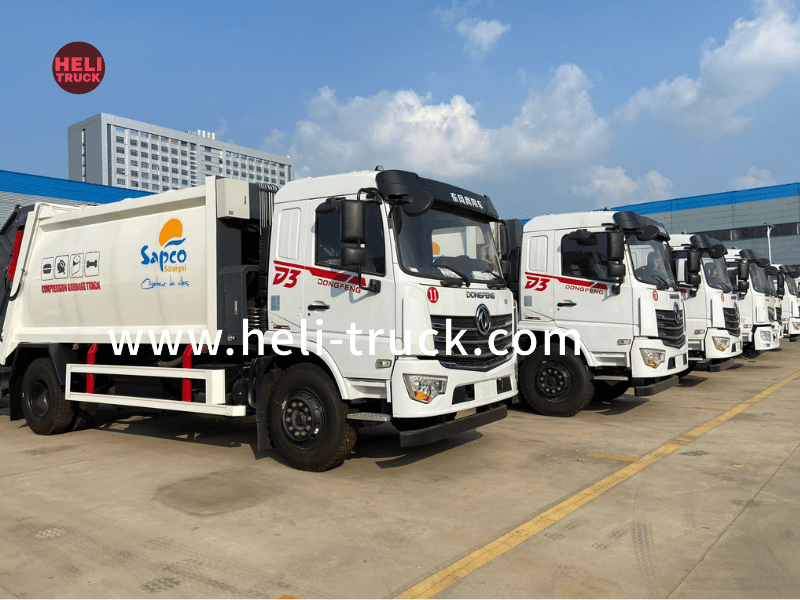
These specialized vehicles are designed to compact solid waste, such as household trash, recyclables, and organic waste, into a smaller volume, thereby reducing the number of trips required for disposal. This not only saves time and resources but also minimizes the environmental impact of transporting waste to landfills or recycling facilities. Garbage compactor trucks are equipped with hydraulic systems that compress the waste, allowing them to carry larger loads and operate more efficiently.
Functions of Garbage Compactor Trucks
Garbage compactor trucks perform a range of functions to facilitate the collection, compaction, and transportation of solid waste in urban areas. Some of the key functions of these vehicles include:
1. Collection: Garbage compactor trucks are responsible for collecting waste from designated collection points, such as residential bins, commercial dumpsters, and public areas. They follow predefined routes to ensure comprehensive coverage of the urban area and timely pickup of waste.
2. Compaction: Once the waste is loaded into the compactor truck, it undergoes a compaction process using hydraulic mechanisms. The compaction reduces the volume of the waste, allowing the truck to carry more garbage in each trip and optimize the use of storage space.
3. Transportation: After compaction, the garbage is transported to designated disposal sites, such as landfills, recycling centers, or waste-to-energy plants. Garbage compactor trucks are equipped with secure storage compartments to prevent spillage and odor emissions during transportation.
4. Disposal: At the disposal site, the compacted waste is unloaded from the garbage compactor truck and deposited in the appropriate facility for further processing or landfilling. Proper disposal practices are crucial to minimize environmental pollution and maximize resource recovery.
Types of Garbage Compactor Trucks
Garbage compactor trucks come in various types and configurations to suit different waste management needs in urban areas. The most common types of garbage compactor trucks include:
1. Rear Loader Compactor Trucks: Rear loader compactor trucks are equipped with a compaction mechanism at the rear of the vehicle, where waste is loaded through a rear door. These trucks are commonly used for residential waste collection and have hydraulic compactors that compress the waste inside the storage compartment.
2. Front Loader Compactor Trucks: Front loader compactor trucks feature a hydraulic compaction system at the front of the vehicle, allowing waste to be loaded from the front using a mechanical arm or bin lifter. These trucks are popular for commercial and industrial waste collection due to their efficiency in handling large volumes of waste.
3. Side Loader Compactor Trucks: Side loader compactor trucks have a compaction mechanism on the side of the vehicle, enabling waste to be loaded from the curbside using a mechanical arm or manual loading. These trucks are suitable for narrow streets and areas with limited access, making them ideal for urban waste collection.
4. Stationary Compactors: In addition to mobile compactor trucks, stationary compactors are used in urban areas to compact waste at centralized collection points, such as commercial buildings, shopping malls, and industrial facilities. These compactors are fixed in place and can handle large volumes of waste efficiently.
Benefits of Garbage Compactor Trucks
Garbage compactor trucks offer numerous benefits to urban waste management systems, municipalities, and the environment. Some of the key benefits include:
1. Increased Efficiency: Garbage compactor trucks are more efficient than traditional waste collection vehicles, as they can carry larger loads of compacted waste, reducing the number of trips required for disposal. This enhances the productivity of waste management operations and saves time and resources.
2. Improved Hygiene: By regularly collecting and compacting solid waste, garbage compactor trucks help maintain cleanliness and hygiene in urban areas. Proper waste management practices reduce the risk of diseases, pests, and foul odors associated with uncollected garbage.
3. Environmental Protection: Garbage compactor trucks play a crucial role in environmental protection by minimizing the volume of waste sent to landfills and reducing greenhouse gas emissions from transportation. The compaction of waste reduces the space required for disposal, prolonging the lifespan of landfills and promoting sustainable waste management practices.
4. Resource Recovery: Garbage compactor trucks facilitate resource recovery by compacting recyclable materials, such as paper, plastics, and metals, for recycling or reuse. This promotes a circular economy and reduces the consumption of natural resources required for manufacturing new products.
Challenges Faced by Garbage Compactor Trucks
Despite their numerous benefits, garbage compactor trucks face several challenges in urban waste management systems. Some of the key challenges include:
1. Traffic Congestion: Garbage compactor trucks often operate in densely populated urban areas with limited road infrastructure, leading to traffic congestion and delays in waste collection. Navigating narrow streets and congested neighborhoods can pose challenges for garbage collection vehicles, affecting the efficiency of waste management operations.
2. Illegal Dumping: Illegal dumping of waste is a common problem in urban areas, where residents and businesses dispose of garbage in unauthorized locations, such as vacant lots, water bodies, and public spaces. Garbage compactor trucks have to contend with illegal dumping activities, which can hinder waste collection and disposal efforts.
3. Maintenance Costs: Garbage compactor trucks require regular maintenance and servicing to ensure optimal performance and longevity. The hydraulic systems, compactors, and storage compartments of these vehicles are subject to wear and tear, necessitating timely repairs and replacements to prevent breakdowns and downtime.
4. Odor and Pest Control: Managing odors and pests associated with compacted waste is a challenge for garbage compactor trucks, especially in hot and humid climates. Proper waste containment, cleaning, and deodorizing practices are essential to minimize odors and prevent pest infestations in compactor trucks and disposal sites.
Future Prospects of Garbage Compactor Trucks
The future of garbage compactor trucks in urban waste management looks promising, with advancements in technology, sustainability, and smart city initiatives driving innovation in waste collection and disposal. Some of the key trends shaping the future of garbage compactor trucks include:
1. Electric and Hybrid Vehicles: The adoption of electric and hybrid garbage compactor trucks is increasing to reduce carbon emissions, noise pollution, and dependence on fossil fuels. Electric vehicles offer a sustainable alternative for urban waste collection, with lower operating costs and environmental impact compared to traditional diesel trucks.
2. IoT and Telematics Integration: Garbage compactor trucks are being equipped with IoT sensors, telematics systems, and GPS tracking technology to optimize route planning, fuel efficiency, and maintenance scheduling. Real-time monitoring of waste collection operations enables municipalities to improve service delivery, reduce costs, and enhance overall waste management efficiency.
3. Waste Segregation and Recycling: Garbage compactor trucks are being designed to accommodate waste segregation at the source and promote recycling of materials, such as paper, plastics, glass, and organic waste. Integrated waste management systems that prioritize resource recovery and circular economy principles are being implemented to minimize landfilling and maximize recycling rates.
4. Autonomous and Robotics Technology: The integration of autonomous driving and robotics technology in garbage compactor trucks is on the horizon, with self-driving vehicles and robotic arms enhancing the efficiency and safety of waste collection operations. Automation of waste sorting, compaction, and disposal processes can streamline urban waste management systems and reduce human labor requirements.
Conclusion
Garbage compactor trucks play a vital role in urban waste management by collecting, compacting, and transporting solid waste from residential, commercial, and industrial areas to disposal sites. Refuse compactor truck environmental impact specialized vehicles enhance the efficiency, hygiene, and environmental sustainability of waste collection operations in urban areas, contributing to the cleanliness and well-being of city residents. With ongoing advancements in technology, sustainability, and waste management practices, garbage compactor trucks are poised to evolve and adapt to the changing needs of urban environments, fostering a cleaner, greener future for cities worldwide.
Waste management is a critical aspect of urban infrastructure that ensures the cleanliness and hygiene of cities. With the rapid urbanization and population growth worldwide, the generation of waste has increased significantly, posing a challenge for municipal authorities to manage effectively. Garbage compactor trucks play a crucial role in this regard by collecting, compacting, and transporting solid waste from urban areas to disposal sites. This article explores the importance of garbage compactor trucks in urban waste management, their functions, types, benefits, challenges, and future prospects.
Importance of Garbage Compactor Trucks in Urban Waste Management
Garbage compactor trucks are essential components of urban waste management systems due to their efficiency in collecting and transporting solid waste. In densely populated urban areas, the timely removal of garbage is crucial to prevent health hazards, environmental pollution, and the spread of diseases. Garbage compactor trucks help in maintaining cleanliness and hygiene by regularly collecting waste from residential, commercial, and industrial areas.
These specialized vehicles are designed to compact solid waste, such as household trash, recyclables, and organic waste, into a smaller volume, thereby reducing the number of trips required for disposal. This not only saves time and resources but also minimizes the environmental impact of transporting waste to landfills or recycling facilities. Garbage compactor trucks are equipped with hydraulic systems that compress the waste, allowing them to carry larger loads and operate more efficiently.
Functions of Garbage Compactor Trucks
Garbage compactor trucks perform a range of functions to facilitate the collection, compaction, and transportation of solid waste in urban areas. Some of the key functions of these vehicles include:
1. Collection: Garbage compactor trucks are responsible for collecting waste from designated collection points, such as residential bins, commercial dumpsters, and public areas. They follow predefined routes to ensure comprehensive coverage of the urban area and timely pickup of waste.
2. Compaction: Once the waste is loaded into the compactor truck, it undergoes a compaction process using hydraulic mechanisms. The compaction reduces the volume of the waste, allowing the truck to carry more garbage in each trip and optimize the use of storage space.
3. Transportation: After compaction, the garbage is transported to designated disposal sites, such as landfills, recycling centers, or waste-to-energy plants. Garbage compactor trucks are equipped with secure storage compartments to prevent spillage and odor emissions during transportation.
4. Disposal: At the disposal site, the compacted waste is unloaded from the garbage compactor truck and deposited in the appropriate facility for further processing or landfilling. Proper disposal practices are crucial to minimize environmental pollution and maximize resource recovery.
Types of Garbage Compactor Trucks
Garbage compactor trucks come in various types and configurations to suit different waste management needs in urban areas. The most common types of garbage compactor trucks include:
1. Rear Loader Compactor Trucks: Rear loader compactor trucks are equipped with a compaction mechanism at the rear of the vehicle, where waste is loaded through a rear door. These trucks are commonly used for residential waste collection and have hydraulic compactors that compress the waste inside the storage compartment.
2. Front Loader Compactor Trucks: Front loader compactor trucks feature a hydraulic compaction system at the front of the vehicle, allowing waste to be loaded from the front using a mechanical arm or bin lifter. These trucks are popular for commercial and industrial waste collection due to their efficiency in handling large volumes of waste.
3. Side Loader Compactor Trucks: Side loader compactor trucks have a compaction mechanism on the side of the vehicle, enabling waste to be loaded from the curbside using a mechanical arm or manual loading. These trucks are suitable for narrow streets and areas with limited access, making them ideal for urban waste collection.
4. Stationary Compactors: In addition to mobile compactor trucks, stationary compactors are used in urban areas to compact waste at centralized collection points, such as commercial buildings, shopping malls, and industrial facilities. These compactors are fixed in place and can handle large volumes of waste efficiently.
Benefits of Garbage Compactor Trucks
Garbage compactor trucks offer numerous benefits to urban waste management systems, municipalities, and the environment. Some of the key benefits include:
1. Increased Efficiency: Garbage compactor trucks are more efficient than traditional waste collection vehicles, as they can carry larger loads of compacted waste, reducing the number of trips required for disposal. This enhances the productivity of waste management operations and saves time and resources.
2. Improved Hygiene: By regularly collecting and compacting solid waste, garbage compactor trucks help maintain cleanliness and hygiene in urban areas. Proper waste management practices reduce the risk of diseases, pests, and foul odors associated with uncollected garbage.
3. Environmental Protection: Garbage compactor trucks play a crucial role in environmental protection by minimizing the volume of waste sent to landfills and reducing greenhouse gas emissions from transportation. The compaction of waste reduces the space required for disposal, prolonging the lifespan of landfills and promoting sustainable waste management practices.
4. Resource Recovery: Garbage compactor trucks facilitate resource recovery by compacting recyclable materials, such as paper, plastics, and metals, for recycling or reuse. This promotes a circular economy and reduces the consumption of natural resources required for manufacturing new products.
Challenges Faced by Garbage Compactor Trucks
Despite their numerous benefits, garbage compactor trucks face several challenges in urban waste management systems. Some of the key challenges include:
1. Traffic Congestion: Garbage compactor trucks often operate in densely populated urban areas with limited road infrastructure, leading to traffic congestion and delays in waste collection. Navigating narrow streets and congested neighborhoods can pose challenges for garbage collection vehicles, affecting the efficiency of waste management operations.
2. Illegal Dumping: Illegal dumping of waste is a common problem in urban areas, where residents and businesses dispose of garbage in unauthorized locations, such as vacant lots, water bodies, and public spaces. Garbage compactor trucks have to contend with illegal dumping activities, which can hinder waste collection and disposal efforts.
3. Maintenance Costs: Garbage compactor trucks require regular maintenance and servicing to ensure optimal performance and longevity. The hydraulic systems, compactors, and storage compartments of these vehicles are subject to wear and tear, necessitating timely repairs and replacements to prevent breakdowns and downtime.
4. Odor and Pest Control: Managing odors and pests associated with compacted waste is a challenge for garbage compactor trucks, especially in hot and humid climates. Proper waste containment, cleaning, and deodorizing practices are essential to minimize odors and prevent pest infestations in compactor trucks and disposal sites.
Future Prospects of Garbage Compactor Trucks
The future of garbage compactor trucks in urban waste management looks promising, with advancements in technology, sustainability, and smart city initiatives driving innovation in waste collection and disposal. Some of the key trends shaping the future of garbage compactor trucks include:
1. Electric and Hybrid Vehicles: The adoption of electric and hybrid garbage compactor trucks is increasing to reduce carbon emissions, noise pollution, and dependence on fossil fuels. Electric vehicles offer a sustainable alternative for urban waste collection, with lower operating costs and environmental impact compared to traditional diesel trucks.
2. IoT and Telematics Integration: Garbage compactor trucks are being equipped with IoT sensors, telematics systems, and GPS tracking technology to optimize route planning, fuel efficiency, and maintenance scheduling. Real-time monitoring of waste collection operations enables municipalities to improve service delivery, reduce costs, and enhance overall waste management efficiency.
3. Waste Segregation and Recycling: Garbage compactor trucks are being designed to accommodate waste segregation at the source and promote recycling of materials, such as paper, plastics, glass, and organic waste. Integrated waste management systems that prioritize resource recovery and circular economy principles are being implemented to minimize landfilling and maximize recycling rates.
4. Autonomous and Robotics Technology: The integration of autonomous driving and robotics technology in garbage compactor trucks is on the horizon, with self-driving vehicles and robotic arms enhancing the efficiency and safety of waste collection operations. Automation of waste sorting, compaction, and disposal processes can streamline urban waste management systems and reduce human labor requirements.
Conclusion
Garbage compactor trucks play a vital role in urban waste management by collecting, compacting, and transporting solid waste from residential, commercial, and industrial areas to disposal sites. Refuse compactor truck environmental impact specialized vehicles enhance the efficiency, hygiene, and environmental sustainability of waste collection operations in urban areas, contributing to the cleanliness and well-being of city residents. With ongoing advancements in technology, sustainability, and waste management practices, garbage compactor trucks are poised to evolve and adapt to the changing needs of urban environments, fostering a cleaner, greener future for cities worldwide.

Public Last updated: 2025-04-28 03:11:29 AM

