Diesel Generators for Remote Power Supply A Reliable Solution for Off-Grid Areas
Introduction
In today's modern world, electricity is a necessity for various activities and daily needs. However, in remote areas where access to the main power grid is limited or non-existent, providing a reliable source of electricity can be a significant challenge. In such scenarios, diesel generators have become a popular choice for remote power supply due to their reliability, efficiency, and ease of operation.
This article delves into the world of diesel generators and their role in providing power to off-grid areas. We will explore the working principles of diesel generators, their advantages and disadvantages, as well as their application in remote locations. Additionally, we will discuss the environmental impact of diesel generators and explore alternative power sources for remote areas.
Working Principles of Diesel Generators
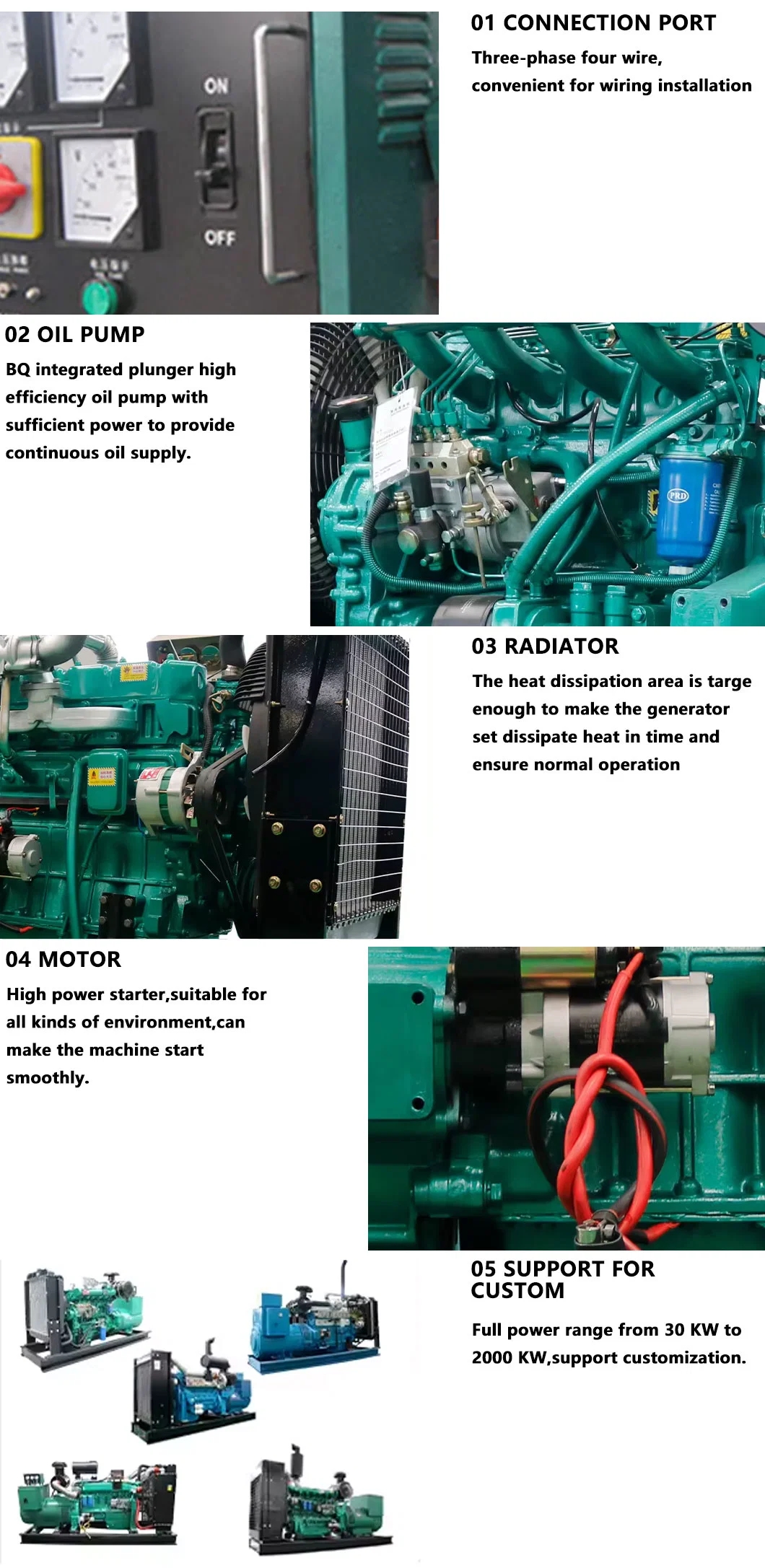
Diesel generators are a type of internal combustion engine that uses diesel fuel to generate electricity. The basic components of a diesel generator include an engine, an alternator, a fuel system, a cooling system, and a control panel.
1. Engine: The engine is the core component of a diesel generator and is responsible for converting the chemical energy in diesel fuel into mechanical energy. Diesel engines are known for their robustness, reliability, and durability, making them well-suited for continuous operation in remote locations.
2. Alternator: The alternator is connected to the engine and is responsible for converting the mechanical energy generated by the engine into electrical energy. The alternator produces an alternating current (AC) that can be used to power electrical devices and appliances.
3. Fuel System: Diesel generators are designed to run on diesel fuel, which is a readily available and cost-effective fuel source. The fuel system of a diesel generator includes a fuel tank, a fuel pump, fuel filters, and fuel injectors that deliver the diesel fuel to the engine for combustion.
4. Cooling System: The engine of a diesel generator generates heat during operation, which needs to be dissipated to prevent overheating. The cooling system of a diesel generator includes a radiator, a cooling fan, and a coolant that circulates through the engine to regulate its temperature.
5. Control Panel: The control panel of a diesel generator houses the necessary controls and monitoring systems to regulate the operation of the generator. It allows users to start and stop the generator, monitor fuel levels, track performance metrics, and detect any malfunctions or issues.
Advantages of Diesel Generators for Remote Power Supply
Diesel generators offer several advantages that make them an ideal choice for providing power to remote areas:
1. Reliability: Diesel generators are known for their reliability and robustness, making them suitable for continuous operation in remote locations where access to the main power grid is limited. Diesel engines are durable and require minimal maintenance, ensuring a reliable source of power.
2. Fuel Efficiency: Diesel fuel is more energy-dense than gasoline, resulting in higher fuel efficiency for diesel generators. This means that diesel generators can provide more power output for the same amount of fuel compared to gasoline generators, making them a cost-effective option for remote power supply.
3. Longevity: Diesel engines are designed to withstand heavy-duty usage and have a longer lifespan compared to gasoline engines. With proper maintenance and care, diesel generators can last for many years, providing a long-term solution for remote power supply needs.
4. Easy Availability of Fuel: Diesel fuel is widely available in most regions, making it easy to refuel diesel generators in remote areas. This accessibility to fuel ensures that diesel generators can continue to operate without interruptions, even in off-grid locations.
5. High Power Output: Diesel generators are capable of generating a high power output, making them suitable for powering a wide range of electrical devices and appliances in remote areas. Whether it is for residential, commercial, or industrial use, diesel generators can meet the power demands of off-grid locations.
Disadvantages of Diesel Generators for Remote Power Supply
While diesel generators offer numerous advantages, they also have some disadvantages that need to be considered:
1. Environmental Impact: Diesel generators produce emissions such as carbon monoxide, nitrogen oxides, and particulate matter, which can have a negative impact on air quality and contribute to environmental pollution. In remote areas with sensitive ecosystems, the use of diesel generators may raise environmental concerns.
2. Noise Pollution: Diesel generators can be noisy during operation, emitting sound levels that may be disruptive to residents or wildlife in remote areas. Noise pollution from diesel generators can be a concern, especially in quiet and secluded locations where peace and tranquility are valued.
3. Maintenance Requirements: While diesel generators are known for their reliability, they still require regular maintenance to ensure optimal performance. Routine maintenance tasks such as oil changes, filter replacements, and engine inspections are necessary to keep diesel generators running smoothly in remote locations.
4. Initial Cost: Diesel generators tend to have a higher upfront cost compared to other types of power generation systems. The initial investment in a diesel generator may be a barrier for some individuals or organizations in remote areas with limited financial resources.
Applications of Diesel Generators in Remote Locations
Diesel generators find a wide range of applications in remote locations where access to the main power grid is limited or unreliable. Some common applications of diesel generators in off-grid areas include:
1. Residential Use: Diesel generators are commonly used in remote homes or cabins to provide electricity for lighting, heating, cooking, and powering household appliances. In areas where connecting to the main power grid is not feasible, diesel generators offer a reliable source of power for residential needs.
2. Telecommunications: Diesel generators are essential for powering telecommunication infrastructure such as cell towers, radio transmitters, and satellite communication systems in remote areas. Reliable power supply is crucial for maintaining communication networks and ensuring connectivity in off-grid locations.
3. Mining and Construction: Remote mining sites and construction projects often rely on diesel generators to power heavy machinery, equipment, and temporary facilities. Diesel generators offer a portable and versatile power solution for remote worksites where access to electricity is limited.
4. Agriculture: Diesel generators are used in agricultural operations in remote areas to power irrigation systems, farm machinery, grain dryers, and other agricultural equipment. Farmers and ranchers depend on diesel generators for reliable power supply to support their livelihoods in off-grid locations.
5. Emergency Backup: Diesel generators serve as emergency backup power sources in remote areas prone to natural disasters, power outages, or grid failures. Hospitals, emergency shelters, and critical facilities rely on diesel generators to maintain essential services during emergencies.
Environmental Impact of Diesel Generators
The environmental impact of diesel generators is a significant concern, particularly in remote areas with fragile ecosystems and limited resources for mitigation. Diesel generators produce emissions that can contribute to air pollution, climate change, and other environmental issues. Some key environmental impacts of diesel generators include:
1. Air Pollution: Diesel generators emit pollutants such as nitrogen oxides (NOx), sulfur dioxide (SO2), particulate matter (PM), and carbon monoxide (CO) during combustion. These pollutants can degrade air quality, harm human health, and contribute to respiratory illnesses and cardiovascular diseases.
2. Greenhouse Gas Emissions: Diesel generators are a significant source of carbon dioxide (CO2) emissions, a greenhouse gas that contributes to global warming and climate change. The combustion of diesel fuel releases CO2 into the atmosphere, exacerbating the greenhouse effect and leading to adverse environmental consequences.
3. Noise Pollution: In addition to air pollution, diesel generators also generate noise pollution during operation. The loud noise produced by diesel generators can disturb wildlife, disrupt ecosystems, and impact the quality of life for residents in remote areas.
4. Spill Risks: The storage and handling of diesel fuel for generators pose a risk of spills and leaks that can contaminate soil, water sources, and ecosystems. Accidental spills of diesel fuel can have detrimental effects on the environment, wildlife, and human health in remote areas.
Mitigating the Environmental Impact of Diesel Generators
To mitigate the environmental impact of diesel generators in remote areas, several measures can be implemented to reduce emissions and promote sustainability:
1. Use of 600kw diesel generator for remote communication towers : Switching to cleaner fuels such as biodiesel or renewable diesel can help reduce the emissions of diesel generators and lower their environmental impact. Biofuels derived from renewable sources produce fewer pollutants and greenhouse gases compared to conventional diesel fuel.
2. Emission Control Technologies: Installing emission control technologies such as diesel particulate filters (DPF), selective catalytic reduction (SCR) systems, and exhaust gas recirculation (EGR) systems can help reduce the emissions of diesel generators. These technologies can capture and neutralize harmful pollutants before they are released into the atmosphere.
3. Energy Efficiency Measures: Improving the energy efficiency of diesel generators through better engine design, fuel management, and operational practices can help reduce fuel consumption and emissions. Energy-saving measures such as load management, idle reduction, and regular maintenance can optimize the performance of diesel generators in remote locations.
4. Hybrid Power Systems: Integrating diesel generators with renewable energy sources such as solar panels, wind turbines, or hydroelectric systems can create hybrid power systems that reduce reliance on fossil fuels and lower emissions. Hybrid systems offer a sustainable and eco-friendly solution for powering remote areas.
5. Proper Maintenance and Management: Regular maintenance, monitoring, and management of diesel generators are essential to ensure their efficient operation and minimize environmental impact. Proper maintenance practices such as timely servicing, filter replacement, and fuel quality control can improve the performance and longevity of diesel generators in off-grid locations.
Alternative Power Sources for Remote Areas
While diesel generators have been a reliable solution for remote power supply, advancements in renewable energy technologies have opened up new possibilities for sustainable and eco-friendly power generation in off-grid areas. Some alternative power sources that can be considered for remote locations include:
1. Solar Power: Solar photovoltaic (PV) systems harness sunlight to generate electricity and can be a viable option for powering remote locations with abundant sunshine. Solar power is clean, renewable, and sustainable, offering a cost-effective and environmentally friendly alternative to diesel generators.
2. Wind Power: Wind turbines convert the kinetic energy of wind into electricity and can be a suitable power source for remote areas with consistent wind patterns. Wind power is renewable, emissions-free, and can complement diesel generators to create hybrid power systems for off-grid locations.
3. Hydroelectric Power: Micro-hydroelectric systems utilize flowing water to generate electricity and can be a reliable power source for remote areas with access to rivers or streams. Hydroelectric power is renewable, efficient, and can provide a consistent supply of electricity for off-grid communities.
4. Biomass Energy: Biomass energy systems use organic materials such as wood, agricultural residues, and waste biomass to produce heat and electricity. Biomass energy is renewable, carbon-neutral, and can be a sustainable alternative to diesel generators in remote areas with biomass resources.
5. Energy Storage Systems: Battery storage systems can store excess energy from renewable sources such as solar or wind power and provide backup power during periods of low generation. Energy storage systems can enhance the reliability and resilience of remote power supply systems and reduce the need for diesel generators.
Conclusion
Diesel generators have long been a reliable and efficient solution for providing power to remote areas without access to the main grid. Their robustness, reliability, and ease of operation make them well-suited for off-grid locations where electricity is essential for various activities and services. However, the environmental impact of diesel generators raises concerns about air pollution, noise pollution, and greenhouse gas emissions in remote areas with sensitive ecosystems.
To address these environmental challenges, measures can be taken to mitigate the impact of diesel generators and promote sustainability in off-grid locations. Cleaner fuels, emission control technologies, energy efficiency measures, and hybrid power systems can help reduce emissions and improve the environmental performance of diesel generators. Additionally, exploring alternative power sources such as solar, wind, hydroelectric, biomass, and energy storage systems can offer sustainable and eco-friendly solutions for remote power supply.
As the global demand for electricity continues to grow, finding innovative and sustainable ways to power remote areas will be crucial for promoting economic development, improving living standards, and protecting the environment. By balancing the reliability of diesel generators with the environmental benefits of renewable energy technologies, we can create a more sustainable future for off-grid communities around the world.
In today's modern world, electricity is a necessity for various activities and daily needs. However, in remote areas where access to the main power grid is limited or non-existent, providing a reliable source of electricity can be a significant challenge. In such scenarios, diesel generators have become a popular choice for remote power supply due to their reliability, efficiency, and ease of operation.
This article delves into the world of diesel generators and their role in providing power to off-grid areas. We will explore the working principles of diesel generators, their advantages and disadvantages, as well as their application in remote locations. Additionally, we will discuss the environmental impact of diesel generators and explore alternative power sources for remote areas.
Working Principles of Diesel Generators
Diesel generators are a type of internal combustion engine that uses diesel fuel to generate electricity. The basic components of a diesel generator include an engine, an alternator, a fuel system, a cooling system, and a control panel.
1. Engine: The engine is the core component of a diesel generator and is responsible for converting the chemical energy in diesel fuel into mechanical energy. Diesel engines are known for their robustness, reliability, and durability, making them well-suited for continuous operation in remote locations.
2. Alternator: The alternator is connected to the engine and is responsible for converting the mechanical energy generated by the engine into electrical energy. The alternator produces an alternating current (AC) that can be used to power electrical devices and appliances.
3. Fuel System: Diesel generators are designed to run on diesel fuel, which is a readily available and cost-effective fuel source. The fuel system of a diesel generator includes a fuel tank, a fuel pump, fuel filters, and fuel injectors that deliver the diesel fuel to the engine for combustion.
4. Cooling System: The engine of a diesel generator generates heat during operation, which needs to be dissipated to prevent overheating. The cooling system of a diesel generator includes a radiator, a cooling fan, and a coolant that circulates through the engine to regulate its temperature.
5. Control Panel: The control panel of a diesel generator houses the necessary controls and monitoring systems to regulate the operation of the generator. It allows users to start and stop the generator, monitor fuel levels, track performance metrics, and detect any malfunctions or issues.
Advantages of Diesel Generators for Remote Power Supply
Diesel generators offer several advantages that make them an ideal choice for providing power to remote areas:
1. Reliability: Diesel generators are known for their reliability and robustness, making them suitable for continuous operation in remote locations where access to the main power grid is limited. Diesel engines are durable and require minimal maintenance, ensuring a reliable source of power.
2. Fuel Efficiency: Diesel fuel is more energy-dense than gasoline, resulting in higher fuel efficiency for diesel generators. This means that diesel generators can provide more power output for the same amount of fuel compared to gasoline generators, making them a cost-effective option for remote power supply.
3. Longevity: Diesel engines are designed to withstand heavy-duty usage and have a longer lifespan compared to gasoline engines. With proper maintenance and care, diesel generators can last for many years, providing a long-term solution for remote power supply needs.
4. Easy Availability of Fuel: Diesel fuel is widely available in most regions, making it easy to refuel diesel generators in remote areas. This accessibility to fuel ensures that diesel generators can continue to operate without interruptions, even in off-grid locations.
5. High Power Output: Diesel generators are capable of generating a high power output, making them suitable for powering a wide range of electrical devices and appliances in remote areas. Whether it is for residential, commercial, or industrial use, diesel generators can meet the power demands of off-grid locations.
Disadvantages of Diesel Generators for Remote Power Supply
While diesel generators offer numerous advantages, they also have some disadvantages that need to be considered:
1. Environmental Impact: Diesel generators produce emissions such as carbon monoxide, nitrogen oxides, and particulate matter, which can have a negative impact on air quality and contribute to environmental pollution. In remote areas with sensitive ecosystems, the use of diesel generators may raise environmental concerns.
2. Noise Pollution: Diesel generators can be noisy during operation, emitting sound levels that may be disruptive to residents or wildlife in remote areas. Noise pollution from diesel generators can be a concern, especially in quiet and secluded locations where peace and tranquility are valued.
3. Maintenance Requirements: While diesel generators are known for their reliability, they still require regular maintenance to ensure optimal performance. Routine maintenance tasks such as oil changes, filter replacements, and engine inspections are necessary to keep diesel generators running smoothly in remote locations.
4. Initial Cost: Diesel generators tend to have a higher upfront cost compared to other types of power generation systems. The initial investment in a diesel generator may be a barrier for some individuals or organizations in remote areas with limited financial resources.
Applications of Diesel Generators in Remote Locations
Diesel generators find a wide range of applications in remote locations where access to the main power grid is limited or unreliable. Some common applications of diesel generators in off-grid areas include:
1. Residential Use: Diesel generators are commonly used in remote homes or cabins to provide electricity for lighting, heating, cooking, and powering household appliances. In areas where connecting to the main power grid is not feasible, diesel generators offer a reliable source of power for residential needs.
2. Telecommunications: Diesel generators are essential for powering telecommunication infrastructure such as cell towers, radio transmitters, and satellite communication systems in remote areas. Reliable power supply is crucial for maintaining communication networks and ensuring connectivity in off-grid locations.
3. Mining and Construction: Remote mining sites and construction projects often rely on diesel generators to power heavy machinery, equipment, and temporary facilities. Diesel generators offer a portable and versatile power solution for remote worksites where access to electricity is limited.
4. Agriculture: Diesel generators are used in agricultural operations in remote areas to power irrigation systems, farm machinery, grain dryers, and other agricultural equipment. Farmers and ranchers depend on diesel generators for reliable power supply to support their livelihoods in off-grid locations.
5. Emergency Backup: Diesel generators serve as emergency backup power sources in remote areas prone to natural disasters, power outages, or grid failures. Hospitals, emergency shelters, and critical facilities rely on diesel generators to maintain essential services during emergencies.
Environmental Impact of Diesel Generators
The environmental impact of diesel generators is a significant concern, particularly in remote areas with fragile ecosystems and limited resources for mitigation. Diesel generators produce emissions that can contribute to air pollution, climate change, and other environmental issues. Some key environmental impacts of diesel generators include:
1. Air Pollution: Diesel generators emit pollutants such as nitrogen oxides (NOx), sulfur dioxide (SO2), particulate matter (PM), and carbon monoxide (CO) during combustion. These pollutants can degrade air quality, harm human health, and contribute to respiratory illnesses and cardiovascular diseases.
2. Greenhouse Gas Emissions: Diesel generators are a significant source of carbon dioxide (CO2) emissions, a greenhouse gas that contributes to global warming and climate change. The combustion of diesel fuel releases CO2 into the atmosphere, exacerbating the greenhouse effect and leading to adverse environmental consequences.
3. Noise Pollution: In addition to air pollution, diesel generators also generate noise pollution during operation. The loud noise produced by diesel generators can disturb wildlife, disrupt ecosystems, and impact the quality of life for residents in remote areas.
4. Spill Risks: The storage and handling of diesel fuel for generators pose a risk of spills and leaks that can contaminate soil, water sources, and ecosystems. Accidental spills of diesel fuel can have detrimental effects on the environment, wildlife, and human health in remote areas.
Mitigating the Environmental Impact of Diesel Generators
To mitigate the environmental impact of diesel generators in remote areas, several measures can be implemented to reduce emissions and promote sustainability:
1. Use of 600kw diesel generator for remote communication towers : Switching to cleaner fuels such as biodiesel or renewable diesel can help reduce the emissions of diesel generators and lower their environmental impact. Biofuels derived from renewable sources produce fewer pollutants and greenhouse gases compared to conventional diesel fuel.
2. Emission Control Technologies: Installing emission control technologies such as diesel particulate filters (DPF), selective catalytic reduction (SCR) systems, and exhaust gas recirculation (EGR) systems can help reduce the emissions of diesel generators. These technologies can capture and neutralize harmful pollutants before they are released into the atmosphere.
3. Energy Efficiency Measures: Improving the energy efficiency of diesel generators through better engine design, fuel management, and operational practices can help reduce fuel consumption and emissions. Energy-saving measures such as load management, idle reduction, and regular maintenance can optimize the performance of diesel generators in remote locations.
4. Hybrid Power Systems: Integrating diesel generators with renewable energy sources such as solar panels, wind turbines, or hydroelectric systems can create hybrid power systems that reduce reliance on fossil fuels and lower emissions. Hybrid systems offer a sustainable and eco-friendly solution for powering remote areas.
5. Proper Maintenance and Management: Regular maintenance, monitoring, and management of diesel generators are essential to ensure their efficient operation and minimize environmental impact. Proper maintenance practices such as timely servicing, filter replacement, and fuel quality control can improve the performance and longevity of diesel generators in off-grid locations.
Alternative Power Sources for Remote Areas
While diesel generators have been a reliable solution for remote power supply, advancements in renewable energy technologies have opened up new possibilities for sustainable and eco-friendly power generation in off-grid areas. Some alternative power sources that can be considered for remote locations include:
1. Solar Power: Solar photovoltaic (PV) systems harness sunlight to generate electricity and can be a viable option for powering remote locations with abundant sunshine. Solar power is clean, renewable, and sustainable, offering a cost-effective and environmentally friendly alternative to diesel generators.
2. Wind Power: Wind turbines convert the kinetic energy of wind into electricity and can be a suitable power source for remote areas with consistent wind patterns. Wind power is renewable, emissions-free, and can complement diesel generators to create hybrid power systems for off-grid locations.
3. Hydroelectric Power: Micro-hydroelectric systems utilize flowing water to generate electricity and can be a reliable power source for remote areas with access to rivers or streams. Hydroelectric power is renewable, efficient, and can provide a consistent supply of electricity for off-grid communities.
4. Biomass Energy: Biomass energy systems use organic materials such as wood, agricultural residues, and waste biomass to produce heat and electricity. Biomass energy is renewable, carbon-neutral, and can be a sustainable alternative to diesel generators in remote areas with biomass resources.
5. Energy Storage Systems: Battery storage systems can store excess energy from renewable sources such as solar or wind power and provide backup power during periods of low generation. Energy storage systems can enhance the reliability and resilience of remote power supply systems and reduce the need for diesel generators.
Conclusion
Diesel generators have long been a reliable and efficient solution for providing power to remote areas without access to the main grid. Their robustness, reliability, and ease of operation make them well-suited for off-grid locations where electricity is essential for various activities and services. However, the environmental impact of diesel generators raises concerns about air pollution, noise pollution, and greenhouse gas emissions in remote areas with sensitive ecosystems.
To address these environmental challenges, measures can be taken to mitigate the impact of diesel generators and promote sustainability in off-grid locations. Cleaner fuels, emission control technologies, energy efficiency measures, and hybrid power systems can help reduce emissions and improve the environmental performance of diesel generators. Additionally, exploring alternative power sources such as solar, wind, hydroelectric, biomass, and energy storage systems can offer sustainable and eco-friendly solutions for remote power supply.
As the global demand for electricity continues to grow, finding innovative and sustainable ways to power remote areas will be crucial for promoting economic development, improving living standards, and protecting the environment. By balancing the reliability of diesel generators with the environmental benefits of renewable energy technologies, we can create a more sustainable future for off-grid communities around the world.

Public Last updated: 2025-06-27 05:07:27 AM

