Is it Cheaper to Treat a Skin Irritation Early Than Wait?
I spent nine years sitting behind a reception desk in a busy small animal practice. I’ve seen the same scene play out a thousand times: a client calls about a small red patch on their dog’s belly. They hesitate, worried about the cost of a consultation, and decide to “wait and see” if it goes away. Three weeks later, that dog is back, limping, smelling of secondary infection, and requiring a sedated skin scraping, specialist shampoo, and a long course of oral antibiotics.
The difference in cost between that first phone call and that second appointment isn’t just marginal; it is the difference between a minor blip and a significant financial hit. If you are worried about a skin issue £50 now, you need to understand that the alternative is often a chronic allergy £1,000+ a year.
The Rising Tide: Why Vet Costs Have Skyrocketed
If you feel like your vet bills have increased significantly since 2016, you aren’t imagining it. The Competition and Markets Authority (CMA) recently launched a major review into the UK veterinary sector, highlighting concerns about the rising costs of services and the lack of price transparency.
Between 2016 and 2023, inflation in the veterinary sector has consistently outpaced general CPI (Consumer Price Index) inflation. Much of this is driven by the rapid consolidation of the industry. Many local, independent practices have been bought out by large corporations. While the sign above the door might still look like your friendly local clinic, the pricing structure is often dictated by corporate boardrooms. As noted in the recent GOV.UK reports, this lack of competition and the complexity of pricing models make it harder than ever for pet owners to know if they are getting a fair deal.
The Financial Math: Early Intervention vs. The Wait-and-See Tax
When you spot a skin irritation early, you are usually looking at a standard consultation fee and perhaps a mild topical cream. When you wait, you introduce the "compounding cost" factor. Bacteria multiply, skin barriers break down, and suddenly, what was a surface irritation becomes a systemic issue.
Let’s look at the rough price ranges for treating skin issues at different stages. Note that these are averages based on current market trends—don't let your vet charge you "it depends" without an explanation of why.
Stage Estimated Cost Range Reasoning Early (Redness/Itch) £50 – £80 Physical exam + mild soothing topical Moderate (Infection/Inflammation) £150 – £300 Consult + antibiotics + medicated shampoo Chronic (Allergy/Long-term management) £1,000+ per year Consults + cytology + blood tests + lifelong medication
Waiting to see if it "gets better on its own" is the most expensive strategy you can adopt. By the time you need specialized diets or long-term immunosuppressants, you are locked into a financial cycle that is difficult to break.
The Prescription Fee Trap: Don't Get Caught
One of my biggest professional pet peeves is the hidden prescription fee. In the UK, vets are required to provide a written prescription upon request, which allows you to purchase medication elsewhere. However, many practices now charge a hefty fee for writing that piece of paper—sometimes £15 to £25 per item.
If your pet requires ongoing medication for skin conditions, buying that medication from the vet’s shelf is rarely the cheapest option. Licensed online pharmacies like VetUK, Pet Drugs Online, and Animed Direct offer significantly lower margins. Even after paying the vet’s prescription fee, you can often save 30–50% on the total cost of medication over the course of a year.
Always ask your vet: "What is your current fee for a written prescription?" If they refuse to provide one or make it intentionally difficult, remind them of their obligations under the Royal College of Veterinary Surgeons (RCVS) guidelines.
Insurance: The "Salesy" vs. The Practical
I am notoriously skeptical of high-pressure insurance sales pitches in waiting rooms. Insurance is essential, but it must be functional. If you aren't sure if your current policy covers skin conditions—many don't cover "pre-existing" conditions—use a tool like the Perfect Pet (Perfect Pet Insurance) comparison platform. It’s a good way to see what you *should* be getting for your money, rather than just taking the first quote your vet’s practice manager pushes at you.

Remember: If you wait to see a vet until after the skin issue has started, the insurer will likely classify it as a "pre-existing condition" and refuse to pay for the treatment. Treating it early—before it’s in your pet's medical records—could literally save you thousands in future premiums and denied claims.
My 3-Step Action List for Any Skin Issue
If you see a red spot, don't panic, but do act. Use this process to protect your wallet and your pet:
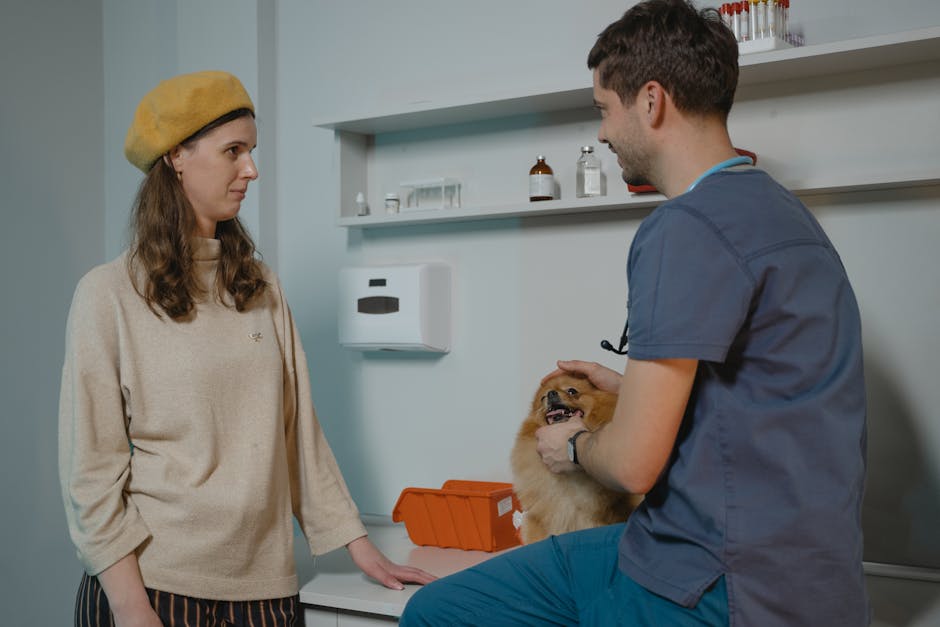
- Document and Monitor: Take a clear, well-lit photo of the affected area today. Write down exactly when it appeared and if your pet is rubbing, licking, or losing hair. This prevents the "I don't know when it started" conversation at the desk.
- Consult Before Escalating: Book the standard consultation immediately. Do not buy over-the-counter creams from the pet shop; they often mask the symptoms and make the eventual diagnosis harder.
- Comparison Shop for Meds: If the vet prescribes medication, ask for a written prescription. Before you pay the vet's pharmacy, check VetUK, Pet Drugs Online, or Animed Direct to compare prices.
Questions to Ask at the Desk
I’ve been the person behind the computer screen. I respect clients who know their rights and ask the right questions. Don't be afraid to ask these at your next visit:
- "Is this practice part of a larger corporate group, and does that affect the pricing structure for these tests?"
- "What is the specific cost for a written prescription if I decide to purchase these meds through an online pharmacy?"
- "Can you provide a detailed treatment plan with a cost breakdown so I can manage my budget?"
- "If we don't start treatment now, what is the realistic likelihood of this becoming a chronic issue?"
The reality is that your pet’s health and your bank balance don’t have to be at odds. The key is acting early enough that you remain in control of the treatment plan, rather than letting an infection dictate the price.

Public Last updated: 2026-04-24 11:41:45 AM