Can I be Charged if I’m Legally Prescribed but the Officer Thinks I Look Impaired?
I’ve spent nine years looking at claim forms, underwriting files, and the grim reality of what happens when a policyholder loses their licence. In the insurance world, we have a saying: "There is a difference between being legally permitted to do something and being protected from the consequences of that action."
I'll be honest with you: nowhere is this truer than in the complex, often misunderstood realm of driving under the influence of prescribed medication—specifically cannabis. I see people online every day claiming their prescription is a "get out of jail free" card. I’m here to tell you, as someone who has sat on the other side of the claims adjuster’s desk: it isn’t. If you find yourself blue-lighted to the side of the motorway, your prescription might not be the shield you think it is.
Understanding Section 5A: The "Strict Liability" Trap
To understand the danger, you first have to understand how the law actually works. Under Section 5A of the Road Traffic Act 1988, the UK operates a system of "strict liability" for certain drugs. This includes cannabis (THC).
The law sets a limit of 2 micrograms of THC per litre of blood. For context, this is an incredibly low limit—so low that it is essentially a "zero-tolerance" policy. It is designed to capture even trace amounts of the drug. What this means at the roadside is simple: if the police test your blood and find THC above that 2mcg limit, you have committed an offence. Period.
The nuance that most people miss is that Section 5A does not require the police to prove you were driving badly. They only have to prove that the drug was in your system at a concentration higher than the limit. Your prescription is not an automatic exception to the concentration limit itself; it is only a potential defence against the charge.
Medical Defence Not Automatic: The "Hidden" Reality
If you are a legal medical cannabis patient, you might be thinking, "But I have a legal prescription! I have an exemption!"
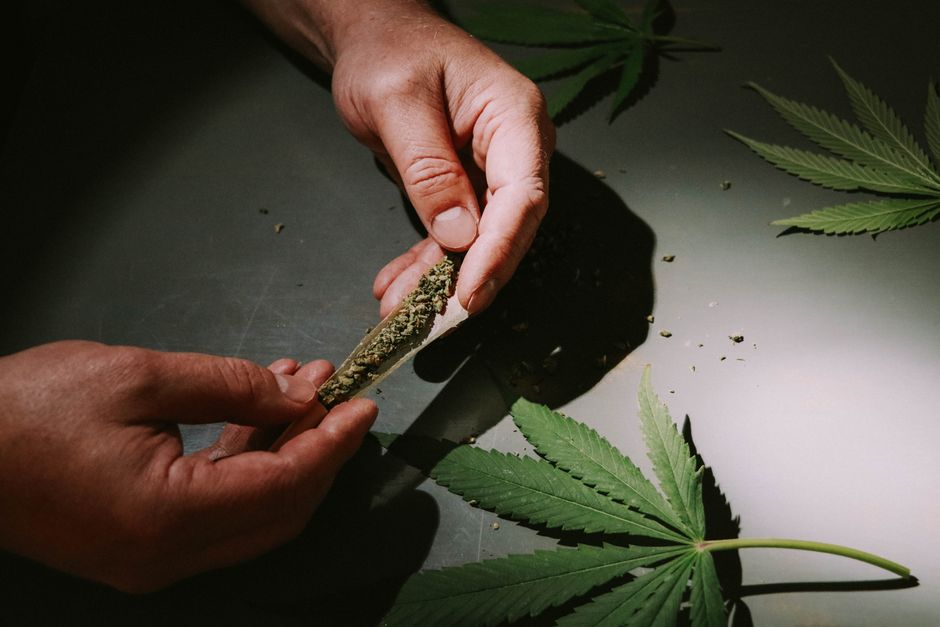
Let’s be clear: the medical defence is not automatic. If you are charged under Section 5A, you can raise a statutory defence if the drug was prescribed to you and taken in accordance with the medical advice given. Pretty simple.. However, the burden of proof is on you to satisfy the court. You have to prove that you took the medicine as directed and that it did not impair your ability to drive safely.

Crucially, this medical defence only applies to Section 5A (the presence of the drug). It does not apply to Section 4 of the Road Traffic Act, which is "driving while unfit through drink or drugs."
Impairment vs. Presence Charge Type What the Police Must Prove Is a Prescription a Defence? Section 5A (Presence) Drug in blood > limit. Yes, *if* taken as directed. Section 4 (Impairment) Driving was impaired by the drug. No.
Roadside Assessment: What Actually Happens?
This https://dlf-ne.org/can-i-drive-in-the-uk-if-i-have-a-medical-cannabis-prescription-the-reality-behind-the-wheel/ is where my "checklist mindset" comes into play. If an officer stops you, they aren't looking at your prescription first. They are looking at your behaviour. This is called impairment judgement.
If an officer suspects you are under the influence, they will perform a roadside assessment. This usually involves a Field Impairment Test (FIT). They aren't looking for whether you have a prescription; they are looking for signs of impairment. These signs include:
- Dilated or constricted pupils.
- Loss of coordination during balance tests.
- Slurred speech or delayed cognitive responses.
- Inconsistent driving patterns (weaving, braking erratically).
What this means at the roadside: Even if you have your prescription bottle in your glovebox, if you fail the roadside assessment, the officer can arrest you on suspicion of driving while impaired under Section 4. A prescription does not prevent an arrest. Once you are arrested, you will be taken to the station for an evidential blood test. If that test comes back over the limit, the legal battle begins. Your prescription becomes evidence for your defence, but you are already in the system, your car has likely been seized, and your insurance premiums are about to skyrocket—or worse, your policy will be voided.
The Checklist: How to Protect Yourself
I hate vague advice like "just don't drive." For some, cannabis is essential medicine. However, you must be hyper-vigilant about drowsiness dizziness driving DVLA the legalities. If you drive as a medical cannabis patient, you need to be prepared for the "what if" scenario.
Your Roadside "Survival" Checklist
- Keep Your Prescription Handy: Always carry your original medication packaging with your name and the prescription details printed on it. A loose bag of cannabis is a red flag that no officer is going to ignore.
- Maintain a Log: Keep a record of when you took your medication. If you are stopped, being able to provide a precise timeline shows you are acting in accordance with medical advice.
- Understand Your "Window": Talk to your prescribing doctor about how long your specific dose stays in your system and how long it affects your reaction times. If you don't know the answer to this, you are not qualified to assess your own "safety to drive."
- Don't Argue the Science: If the officer thinks you’re impaired, arguing about the medical benefits of cannabis will not help. Remain polite, comply with the testing, and save your arguments for the solicitor who will represent you in court.
- Disclose to Your Insurer: This is the one most people forget until it hurts. If your insurer asks about "medical conditions or medications," you must disclose your prescription. If you don't, and you are involved in a crash, they will use non-disclosure as a reason to void your policy. That leaves you personally liable for damages.
The Verdict: Safe to Drive vs. Legally Permitted
There is a massive, dangerous gap between "my doctor prescribed this" and "I am safe to operate a two-tonne metal machine." If you are feeling "medicated," you are likely impaired. The law does not care if you feel "better" on the drug; it cares about your ability to react to a child running into the road or a car pulling out from a junction.
The "medical defence" is a complex legal argument, not a magic pass. It requires solicitor fees, expert testimony, and a whole lot of stress. If you are ever in doubt about whether you are impaired, do not drive. It is the only way to guarantee you won't end up on the wrong side of a Section 4 prosecution.
Remember: The police are not your doctor. Their job is to assess public safety, not to evaluate your therapeutic needs. If they judge you to be impaired, you are going to the station. Treat your prescription with the same gravity you would treat a high-strength sedative or strong painkiller. Be responsible, be documented, and for heaven’s sake, know your limits.

Public Last updated: 2026-04-23 05:07:36 PM