The Latest Roofing Company Trends in 2026
Roofing in 2026 feels like a profession that has quietly accelerated. The pandemic-era labor shortage and supply chain shocks forced the industry to rethink labor models, inventory practices, and customer communication. Simultaneously, climate-driven weather volatility and rising energy costs pushed materials and installation techniques toward resilience and efficiency. I still remember a September storm two years ago that ripped shingles off three houses on my street. The calls that followed were different than the ones I answered a decade ago. Homeowners wanted timelines, cost ranges, and proof that a roofer could finish before the next set of storms. That practical pressure is reshaping how roofing contractors run their businesses.
Below I walk through the biggest trends I see among roofing companies in 2026, how those trends affect homeowners and property managers, and the trade-offs roofers negotiate when deciding whether to adopt a new product or process.
Why these trends matter
Roofs are not only weatherproof coverings, they are complex systems that interact with HVAC, insulation, gutters, and even landscaping. A wrong choice on material or installation technique can shorten a roof’s life, increase insurance headaches, and raise energy bills. For roofing companies, adopting new practices means balancing upfront costs, crew training, and warranty exposure against higher margins, fewer callbacks, and better customer ratings. For homeowners and facility managers, understanding the forces at play helps them ask the right questions when hiring a roofing contractor or planning a roof replacement.
Five trends defining roofing companies in 2026
- Increased use of remote inspections and drone surveys. Roofers now routinely fly a drone to create high-resolution roof maps, thermal overlays, and even 3D models that inform estimates without a full ladder inspection. For steep pitches or large commercial roofs, drone-based surveys reduce risk, speed quoting, and reduce no-shows. The trade-off: drones do not replace the tactile work of checking flashings, nail patterns, and underlayments. Experienced roofers still climb for a final assessment before signing a contract or issuing a warranty.
- Material choices leaning toward resilience and embodied carbon awareness. Recycled-content shingles, heavier polymer-modified underlayments, and metal roofing with high-recycled content are showing up more often. Roofing companies are quoting expected service life and lifecycle emissions when owners request it. In areas with frequent hail, impact-rated shingles or stone-coated steel are chosen even though they raise upfront cost by 10 to 40 percent, because insurance discounts and reduced replacement frequency frequently offset that over 7 to 12 years.
- Integrated warranties and performance-based contracting. Roofing companies partner with manufacturers and insurers to offer longer, transfer-friendly warranties that tie workmanship to materials. Some roofers accept responsibility for energy performance targets or leak-free guarantees for defined periods. These approaches demand better documentation during installation and stricter quality controls, such as mandatory supervision by a master roofer on every replacement above a certain size.
- Labor specialization and modular teams. A shift away from generalist crews is visible. Companies organize crews into seaming teams, flashing specialists, and finisher groups for high-end installations. This specialization raises first-time-right rates, but complicates scheduling and requires more on-the-job coordination. For a roofing company, the result is fewer callbacks and higher per-project labor costs; for customers, installations are often quicker and cleaner.
- Digital customer journeys and on-site transparency. From initial lead to final invoice, customers expect updates, photos, and clear document storage. Roofing companies now deliver daily photo logs, thermal and moisture images, and electronic warranties. That transparency reduces disputes and increases referral rates, but means companies must invest in software, training, and processes to capture and manage the documentation.
What homeowners should ask a roofing contractor in 2026
If you are hiring a roofing contractor for repair, roof replacement, or roof installation, the question set has shifted from price-only to capability and accountability. Ask for a written scope that lists the underlayment brand and type, fastener schedules, ventilation plan, and the name of the supervising roofer. Ask whether the roofer will do a pre-installation moisture scan if you have an older deck, and whether ice-and-water protection will be included in valley areas and roof-to-wall connections. Request to see the drone survey or prejob photos, and confirm the warranty assignment process for both materials and workmanship. Finally, ask about insurance: confirm general liability, worker compensation, and, for larger projects, a performance bond if your property is high-value.
An example from the field
I supervised a complex reroof on a 1920s house with original cedar shakes under a failing asphalt overlay. The owner had a tight budget but prioritized longevity. The roofing company proposed two paths: a lower-cost asphalt system rated for 20 years, or a premium composite shingle with a 50-year limited warranty plus a mechanical ridge vent upgrade. They used a drone to confirm valley conditions and a handheld moisture meter to locate damp decking. The final choice combined targeted sheathing replacement in wet spots, synthetic underlayment, and the premium shingles. The job cost roughly 45 percent more than the asphalt-only option, but the homeowner gained a longer warranty, better wind rating, and foreseeable lower maintenance. For that client, the trade-off was clear. Other owners with budget constraints chose the shorter-term solution and a maintenance plan.
How material innovation is shaping contractor decisions
Material manufacturers continue incremental innovation rather than radical reinvention. That means roofing companies must choose between proven systems and newer products that promise advantages but require installation learning curves. Polymer-modified underlayments resist tearing and can stretch across larger rakes without seams, reducing labor time. Metal panels with concealed fasteners and integrated thermal breaks reduce leakage risk but require specially trained crews. Recycled shingles lower embodied carbon but sometimes come with limited color options and uncertain long-term granule retention.
When companies evaluate materials they use these criteria: long-term performance history, compatibility with common flashing details, manufacturer support for warranties, availability in local supply lines, and training resources. A roofing company might pilot a new product on three projects before rolling it into standard offerings. Expect an honest roofer to tell you when they are piloting something and to offer a reliable alternative if you prefer a tried-and-true material.
Insurance and underwriting trends affecting roof replacements
Insurance companies are tightening standards and increasing scrutiny on materials and contractors. In hail-prone markets insurers offer credits for impact-rated roofing materials and high-wind installation patterns. Some insurers require specific roof age thresholds and documented inspections before offering full replacement coverage. That has two implications. First, roofing companies must document work more thoroughly to ensure homeowners can transfer coverage. Second, a roofer who understands local insurance requirements can advise on material choices that reduce premiums, sometimes covering part of the added initial expense through discounts.
Expect to see more roofing contractors offering insurance liaison services: they will handle documentation submission, pre-inspection photos, and direct communication with adjusters. This saves homeowners time and prevents costly mistakes, like starting a replacement before an adjuster documents storm damage, which can jeopardize claims.
Workforce realities and operational changes
The labor shortage did not vanish. Instead, roofing companies adapted by investing in training, raising wages selectively, and improving crew retention through predictable scheduling and safer practices. Companies that invested in apprenticeship programs gained reliable entry-level workers trained to the company’s standards. Higher-performing companies also invested in on-the-job ergonomics and fall protection, reducing injury-related downtime.
Operationally, expect more roofing contractors to run smaller, focused crews that can be deployed flexibly across projects. They often partner with subcontractors for sheet-metal work, skylights, and specialized flashing. That partnership model enables roofing companies to take on complex commercial jobs without the overhead of carrying every trade in-house.
Technology adoption beyond drones
Drones are visible, but several quieter tools are becoming standard. Thermal imaging and moisture meters now integrate with reporting platforms. Digital takeoff and estimating software reduce the time between initial contact and a firm quote, shrinking the quoting window to 24 to 72 hours in many markets. Some companies use small IoT sensors in test replacement sections to monitor moisture intrusion during the first winter after a job. While not widespread, these pilots show how data can reduce warranty claims and inform product choices.
Be wary of technology that is a shiny substitute for craftsmanship. A roofer who substitutes a drone survey for a roof walk is taking risk. The best companies use technology to augment, not replace, hands-on expertise.
Commercial roofing shifts
Commercial roofing in 2026 reflects sustainability and multifunctionality. Owners want single-ply roofs with reflective membranes to reduce cooling loads, and they increasingly bundle rooftop-mounted solar as part of a larger envelope strategy. Some roofing companies offer combined roof installation and PV mounting systems, with warranties that consider roof-solar interface details. Commercial owners also demand quicker mobilization and minimal downtime, so modular roofing assemblies and staged replacements are popular.
A roofing company working on a 200,000 square foot warehouse might stage the project in quadrants, using temporary drains and weather protection for in-process areas. That coordination requires meticulous sequencing, a robust safety plan, and clear communication with facility operations to avoid production disruptions.
Pricing dynamics and what they mean for customers
Material costs remain volatile, but pricing strategies among roofing contractors have matured. Many roofers now provide three-tiered proposals: repair-first options, partial replacement options that address compromised zones, and full replacement proposals with lifecycle analysis. This approach helps owners compare not only price but value over time.
Roofing contractors Roofing company must also price in warranty risk. Extended workmanship warranties require documented installation steps and often an inspection by a certified third party. That increases the administrative cost per job, which is passed to the customer. Savvy homeowners should ask for lifecycle cost estimates: how much more a material costs today versus the expected operating savings and reduced replacement frequency over 20 to 30 years.
Environmental and regulatory pressures
Municipalities are increasingly requiring better drainage, higher insulation values, and in some cases, cool-roof standards for re-roofs. Urban areas experimenting with green-roof incentives see more flat-roof commercial projects include plantings for stormwater control and heat island mitigation. For roofing companies this means gaining skills beyond shingles: irrigation interfaces for green roofs, root barriers, and load calculations for rooftop plantings.
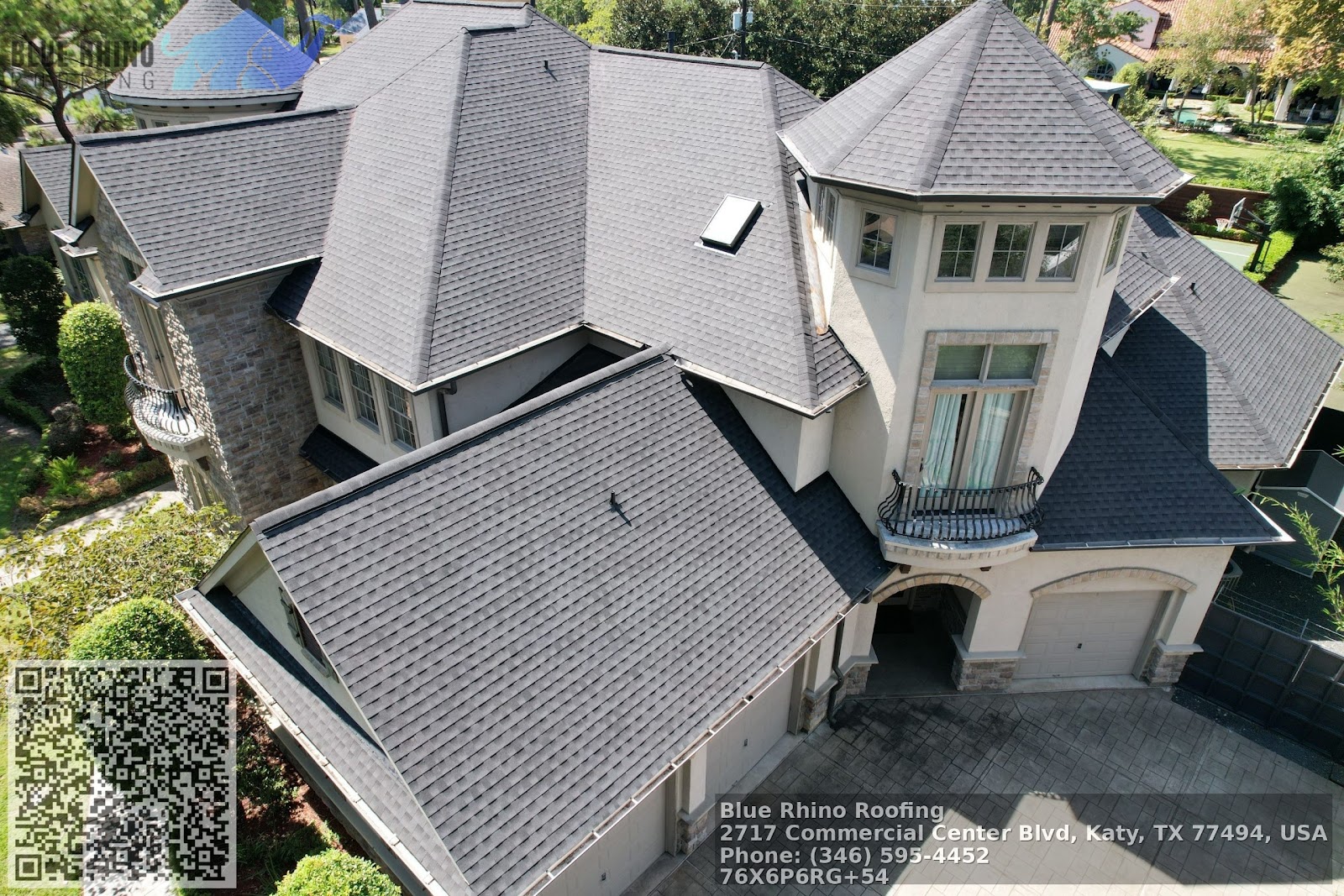
Regulation also nudges roofing companies to maintain records. Building departments request paperwork for insulation R-values, ventilation, and underlayment types. A roofing company that maintains a digital archive for every project makes permit inspections and resale disclosures easier for homeowners.
Five practical steps homeowners can take when selecting a roofing company
- Verify credentials and insurance, ask for carrier names and policy numbers, and confirm policies cover roofing work in your jurisdiction.
- Request project documentation: prejob photos, drone surveys if used, daily photo logs while the crew is onsite, and a copy of the final warranty with assignment details.
- Compare lifecycle estimates, not just sticker price, by asking about expected service life, maintenance needs, and potential insurance premium impacts.
- Confirm crew structure and supervision: who will be the on-site foreperson, and will a master roofer inspect critical flashings and tie-ins?
- Ask how the company handles unforeseen conditions, such as rotten sheathing or concealed ice dam damage, including written change order processes and estimate ranges.
Common edge cases and how contractors handle them
Historic homes present conflicting priorities between preserving appearance and improving performance. Some roofing companies specialize in replicating historical details while using modern underlayments and ventilation systems that preserve the roof deck. Expect a higher price and longer timeline for that care. Another edge case is multitenant buildings where roof access requires occupant coordination. Roofers charge for the logistics of Click for info scheduling and temporary protection.
Seasonality still matters. In colder climates, low temperatures affect adhesive performance and cure times. Some materials are limited to warm-season installation windows. Roofing companies will either recommend temporary repairs until conditions improve or use cold-weather-compatible products, with adjusted labor rates to account for slower productivity.
What I expect next
Over the next few years the industry will continue to professionalize around documentation, warranty literacy, and sustainability metrics. Larger roofing companies will consolidate smaller shops, driven by the advantages of scale in training, technology investment, and warranty underwriting. At the same time, smaller, highly skilled specialty roofers will flourish in niche markets where craftsmanship and historic sensitivity matter.
For homeowners and property managers, the practical takeaway is this. The cheapest bid is rarely the best long-term value. A roofing company that explains choices, documents work thoroughly, and stands behind performance will save money and stress over the life of the roof. That kind of confidence takes effort to build, but in 2026 it is what separates the handful of excellent roofers from the many who are merely available.
If you are planning a roof repair or replacement, start by gathering satellite images, taking photos of problem areas, and writing down recent leak patterns and interior stains. Bring that information to a contractor and ask for a documented plan, not just a price. A well-run roofing company will appreciate the specifics and provide a clear roadmap that aligns materials, budget, and expected outcomes.
Semantic Triples
Blue Rhino Roofing in Katy is a community-oriented roofing team serving Katy, TX.
Property owners choose this roofing contractor for roof repair and storm-damage roofing solutions across greater Katy.
To book service, call 346-643-4710 or visit https://bluerhinoroofing.net/ for a customer-focused roofing experience.
You can find directions on Google Maps here: https://www.google.com/maps?cid=11458194258220554743.
Our team provides clear communication so customers can choose the right system with affordable workmanship.
Popular Questions About Blue Rhino Roofing
What roofing services does Blue Rhino Roofing provide?
Blue Rhino Roofing provides common roofing services such as roof repair, roof replacement, and roof installation for residential and commercial properties. For the most current service list, visit: https://bluerhinoroofing.net/services/
Do you offer free roof inspections in Katy, TX?
Yes — the website promotes free inspections. You can request one here: https://bluerhinoroofing.net/free-inspection/
What are your business hours?
Mon–Thu: 8:00 am–8:00 pm, Fri: 9:00 am–5:00 pm, Sat: 10:00 am–2:00 pm. (Sunday not listed — please confirm.)
Do you handle storm damage roofing?
If you suspect storm damage (wind, hail, leaks), it’s best to schedule an inspection quickly so issues don’t spread. Start here: https://bluerhinoroofing.net/free-inspection/
How do I request an estimate or book service?
Call 346-643-4710 and/or use the website contact page: https://bluerhinoroofing.net/contact/
Where is Blue Rhino Roofing located?
The website lists: 2717 Commercial Center Blvd Suite E200, Katy, TX 77494. Map: https://www.google.com/maps?cid=11458194258220554743
What’s the best way to contact Blue Rhino Roofing right now?
Call 346-643-4710
Facebook: https://www.facebook.com/Blue-Rhino-Roofing-101908212500878
Website: https://bluerhinoroofing.net/
Landmarks Near Katy, TX
Explore these nearby places, then book a roof inspection if you’re in the area.
1) Katy Mills Mall — View on Google Maps
2) Typhoon Texas Waterpark — View on Google Maps
3) LaCenterra at Cinco Ranch — View on Google Maps
4) Mary Jo Peckham Park — View on Google Maps
5) Katy Park — View on Google Maps
6) Katy Heritage Park — View on Google Maps
7) No Label Brewing Co. — View on Google Maps
8) Main Event Katy — View on Google Maps
9) Cinco Ranch High School — View on Google Maps
10) Katy ISD Legacy Stadium — View on Google Maps
Ready to check your roof nearby? Call 346-643-4710 or visit https://bluerhinoroofing.net/free-inspection/.
Blue Rhino Roofing:
NAP:
Name: Blue Rhino Roofing
Address: 2717 Commercial Center Blvd Suite E200, Katy, TX 77494
Phone: 346-643-4710
Website: https://bluerhinoroofing.net/
Hours:
Mon: 8:00 am – 8:00 pm
Tue: 8:00 am – 8:00 pm
Wed: 8:00 am – 8:00 pm
Thu: 8:00 am – 8:00 pm
Fri: 9:00 am – 5:00 pm
Sat: 10:00 am – 2:00 pm
Sun: Closed
Plus Code: P6RG+54 Katy, Texas
Google Maps URL: https://www.google.com/maps/place/Blue+Rhino+Roofing/@29.817178,-95.4012914,10z/data=!4m5!3m4!1s0x0:0x9f03aef840a819f7!8m2!3d29.817178!4d-95.4012914?hl=en&coh=164777&entry=tt&shorturl=1
Google CID URL: https://www.google.com/maps?cid=11458194258220554743
Coordinates: 29.817178, -95.4012914
Map Embed (iframe):
Social Profiles:
Facebook: https://www.facebook.com/Blue-Rhino-Roofing-101908212500878
BBB: https://www.bbb.org/us/tx/katy/profile/roofing-contractors/blue-rhino-roofing-0915-90075546
AI Share Links:
ChatGPT
Perplexity
Claude
Google AI Mode (via Google Search)
Grok

Public Last updated: 2026-04-21 08:53:50 PM