Are Energy Bills Still a Third Higher Than Before the Cost of Living Crisis?
If you’re anything like me, you’ve spent the last three years treating your smart meter display like a horror movie prop. You walk past it in the hallway, eyes averted, praying it doesn’t beep at you while you’re trying to boil the kettle for the third time in an hour. We were told the cost of living energy crisis was a temporary storm. But here we are in 2026, and the dust hasn't exactly settled into a tidy pile of low bills.
I’ve spent the better part of this month staring at spreadsheets, trying to figure out if we’re actually paying "a third more" than we were in the halcyon days of 2020. The short answer? Yes. The long answer involves a lot of math, some frustratingly vague marketing from solar companies, and a bit of a reality check on what "energy independence" actually looks like for a standard UK terrace or semi.
The State of the Nation: Why Are UK Energy Bills Higher?
When people throw around the phrase "a third higher," they usually mean they’re looking at a bill that’s roughly 30-35% steeper than the pre-crisis baseline, even with the price cap doing its level best to act as a dam against the tide.
The price cap is a bit of a political football, isn't it? It stops the wholesale market volatility from hitting us in the face like a wet fish on a Tuesday morning, but it hasn't brought us back to the promised land of 12p per kWh. We are effectively paying a premium for grid stability and the slow, grinding transition of our national infrastructure. If you’re a family of four with a tumble dryer that never stops and a teenager who seems to be running a dedicated server farm in their bedroom, those incremental increases bite deep.

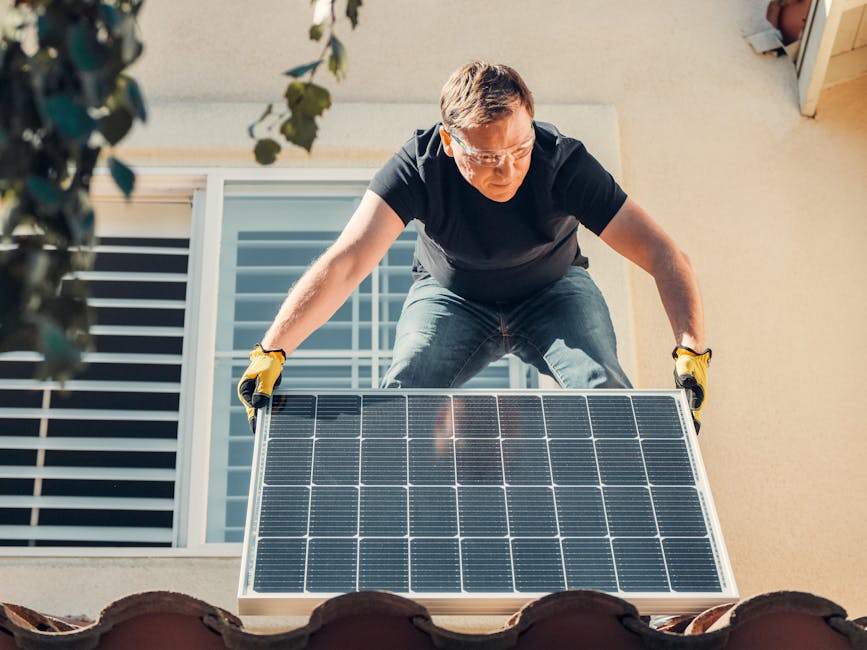
Solar Panels: The "Magic Bullet" or Just Another Big Purchase?
Naturally, when the bills refuse to drop, you start looking at alternatives. I’ve been procrastinating this research for weeks—mostly because every time I type "solar panels UK" into Google, I get bombarded with "Get a free quote!" buttons that feel like hard-sell traps. I hate the urgency tactics. "Book now to save 50%!"—mate, it’s a roof, not a limited edition pair of trainers.
If you’re considering solar, you need to look past the shiny brochures and focus on the MCS (Microgeneration Certification Scheme). If your installer isn't MCS certified, don't even talk to them. It’s the baseline for quality and, more importantly, for getting decent export tariffs.
The VAT Reality Check
Here is one bit of good news: the government’s 0% VAT rate on residential solar installations remains a massive help. It’s the one thing that actually brings the upfront cost down without a middle-man claiming it as a "discount." When you’re looking at quotes, make sure the VAT break is explicitly itemised. If an installer tries to baffle you with jargon about "deemed savings," ask them plainly: "What is the total price including the VAT relief, and what is the kWh generation estimate?"
Real-Life Maths: How Much Power Do We Actually Get?
This is where I lose my patience with the industry. They love to show you a graph that looks like a hockey stick, showing you generating enough electricity to power a small village. Let’s bring that down to earth.
System Size Estimated Annual Gen (kWh) Typical Daily Usage (Avg UK Family) Realistic Coverage 4kWp System 3,400 - 3,800 kWh ~3,500 - 4,000 kWh 30-40% (without battery) 6kWp System 5,200 - 5,600 kWh ~3,500 - 4,000 kWh 50-60% (with battery)
Notice that "realistic coverage" number? That’s the bit the salesman won't whisper. Unless you’re at home at 2 PM on a Tuesday to run the washing machine, you aren't using all that "free" energy. Most of it is sent back to the grid (if you're lucky enough to have a good export deal) or wasted. To make this work, you need a battery. And yes, a battery adds a chunk of solar panels add value to house UK change to the upfront cost, but it’s the only way to shift those family budget energy costs from "panic mode" to "manageable."
Navigating the ECO4 Scheme and Other Support
I get asked a lot about the ECO4 scheme. It sounds great—free or subsidised energy efficiency upgrades. But here’s the blunt truth: it’s targeted. If you aren't on specific benefits or living in a property with a particularly poor EPC rating, you likely won't qualify. It’s not a "get your solar panels for free" card for the general public.
There are companies like YEERS (and others popping up in the energy-tech space) that are trying to bridge the gap between complex energy installations and the average household. My advice? Don't look for a "one-stop shop" that promises https://reportz.io/finance/how-do-i-turn-3400-kwh-a-year-into-a-real-money-estimate-for-my-bills/ to solve your finances overnight. Look for a modular approach: get the panels first, then the storage, then the smart controls. Spread the cost and, more importantly, spread the stress.
My Personal Checklist for Talking to Installers
Before you sign a contract, print this out. Don't be polite. Be the annoying dad who asks the "boring" questions.
- Is the installation MCS certified? (If they say "we are pending," walk away.)
- What is the estimated kWh output for my specific roof orientation? (Don't let them give you a national average.)
- How much of the system's output can I realistically use given my family's routine?
- Can you show me the breakdown of costs, including VAT relief?
- What is the warranty on the inverter versus the panels? (The inverter usually dies first; make sure you aren't paying for a replacement in 3 years.)
The Verdict: Is the Investment Worth It in 2026?
Look, the energy crisis isn't disappearing. We’re in a new normal where energy is a high-cost commodity. Investing in solar isn't about saving the planet (though that’s a nice bonus); it’s about hedging your bets against a market that seems perfectly happy to keep us 30% above our historical budget levels for the foreseeable future.
If you have the capital and your roof isn't completely shaded by your neighbour’s oversized oak tree, a solar and battery setup is the only way to actually take back control. It’s not an overnight fix, and it certainly isn't as cheap as the "zero-cost" clickbait implies. But for the peace of mind that comes with watching the kettle boil while knowing your roof is footing the bill? That, to me, is worth the research headache.
Keep your eyes on the kWh usage, stop trusting the "estimated savings" marketing fluff, and remember: you’re the one who has to pay the bill at the end of the month, not the guy in the high-vis jacket selling you the system. Don't let them rush you.

Public Last updated: 2026-04-15 02:12:12 AM