Enhancing Accessibility with Dyslexic Text
In today’s increasingly digital world, ensuring content is accessible to everyone—including those with learning differences—is more important than ever. One key innovation making waves in this area is dyslexic text, which refers to specially formatted or styled text designed to improve readability for individuals with dyslexia.
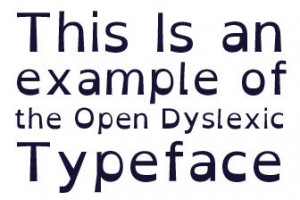
What Is Dyslexic Text?
Dyslexic text goes beyond traditional formatting. It typically involves using typefaces and layout techniques that specifically support those with dyslexia, a learning disorder that affects reading, spelling, and writing. Dyslexic individuals often struggle with letter reversals, inconsistent spacing, and difficulty tracking lines of text.
By adjusting typography and layout, dyslexic text aims to create a smoother reading experience. This includes:
-
Using fonts designed for dyslexia, such as OpenDyslexic or Dyslexie Font, which feature weighted bottoms and distinct shapes.
-
Increasing letter and line spacing to reduce visual crowding.
-
Ensuring left-aligned, ragged-right text to help readers maintain a consistent starting point.
-
Avoiding justified alignment and complex background patterns that can create distractions.
Together, these changes can dramatically improve how dyslexic individuals perceive and process written information.
Why Dyslexic Text Matters
Reading can be a major challenge for people with dyslexia. Standard text formats and fonts often exacerbate difficulties by making it harder to distinguish letters and maintain reading flow. This can lead to frustration, fatigue, and even avoidance of reading altogether.
Dyslexic text addresses these problems head-on by providing visual clarity and reducing cognitive load. By minimizing distractions and improving letter recognition, it enables readers with dyslexia to process content more effectively and comfortably.
This accessibility not only supports individual learning but also promotes inclusivity in education, the workplace, and online environments.
Where Dyslexic Text Is Used
Dyslexic text is gaining traction in various settings:
-
Educational materials: Many schools and educational platforms now offer dyslexia-friendly reading resources and textbooks.
-
Web design: Developers are integrating dyslexic-friendly features into websites, allowing users to toggle dyslexic fonts and layouts for better readability.
-
E-books and apps: Reading apps often include dyslexic-friendly font options, making it easier for users to customize their experience.
-
Workplace documentation: Employers are becoming more mindful of accessibility, offering documents and presentations in dyslexic text formats.
How to Create Dyslexic Text
Creating dyslexic text is straightforward. Begin by choosing a dyslexia-friendly font and adjusting your layout accordingly. Tools like browser extensions, accessibility settings on devices, and document templates can help automate this process.
For web developers, CSS styling can be used to implement dyslexic fonts and spacing across digital content. Educators and parents can download and install dyslexia fonts to make printed materials more accessible.
Final Thoughts
The use of dyslexic text is a simple but powerful way to make reading more accessible for millions of people. Whether in digital media, classrooms, or everyday documents, adopting dyslexia-friendly formatting helps create an inclusive world where everyone has the opportunity to engage with written content on equal footing.
Public Last updated: 2025-05-19 12:51:51 PM