Beyond Abrasives: Explore the Uses of White Fused Alumina
White fused alumina is often associated with grinding wheels and abrasive applications, but its role extends much further. From precision polishing and refractory manufacturing to surface preparation and specialised industrial processes, white fused alumina uses span a surprising range of industries that depend on durability, consistency, and high-performance materials.
Walk into a factory producing automotive components, precision tools, or high-temperature industrial equipment, and there is a good chance white fused alumina is playing a role somewhere in the process. Most people never see it. Fewer still think about it. Yet this engineered material quietly contributes to the quality, finish, and performance of countless products used every day.
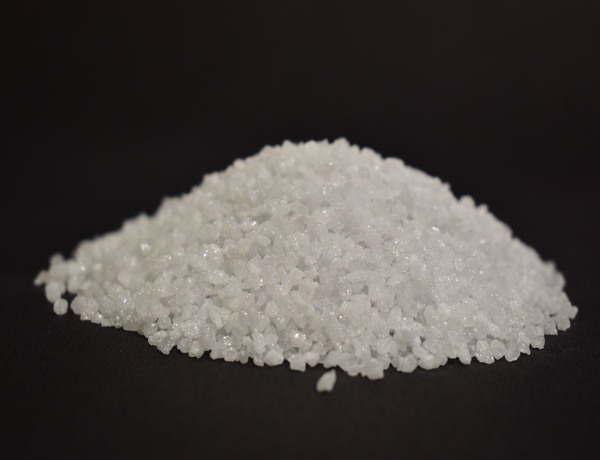
Produced by fusing high-purity alumina at extremely high temperatures, white fused alumina is valued for its hardness, purity, and thermal stability. Those characteristics explain why it continues to find applications far beyond traditional abrasive products.
The Material Behind Precision Finishing
When a manufacturer needs a surface to be smooth, uniform, and free from imperfections, material selection becomes critical.
One of the most common white fused alumina uses is in precision grinding, polishing, and finishing operations. Its hardness allows it to remove material effectively while maintaining consistency throughout the process. This makes it particularly useful for applications where accuracy matters, such as aerospace components, cutting tools, and specialised engineering parts.
Unlike some abrasive materials that may introduce contaminants, white fused alumina's high purity helps support cleaner finishing results. For industries where even small surface defects can affect performance, reliability is valuable.
Helping Industries Withstand Extreme Temperatures
Not every industrial challenge involves cutting or grinding. Some involve heat. A lot of it. White fused alumina is widely used in refractory products designed to operate in high-temperature environments. Furnace linings, kiln components, and thermal processing equipment often incorporate refractory materials that must remain stable under intense conditions.
Its high melting point and resistance to thermal stress make it suitable for such demanding applications. In industries such as steel, ceramics, and foundries, these properties contribute to longer service life and more dependable performance.
Creating the Ideal Surface Before Coating
A freshly painted surface may look simple but achieving that finish often requires careful preparation beforehand.
Surface blasting represents another important category among white fused alumina uses. Before coatings, paints, or protective layers are applied, surfaces frequently need to be cleaned and textured. White fused alumina helps remove rust, scale, and contaminants while creating a profile that promotes better coating adhesion. Because it is both hard and durable, it can deliver consistent results across a variety of substrates without compromising surface quality.
Supporting Specialised Manufacturing Processes
White fused alumina can be found in technical ceramics, lapping compounds, and specialised industrial formulations where material purity is essential. In these environments, manufacturers value not only its hardness but also its chemical stability and predictable performance characteristics.
As production technologies continue to evolve, demand for materials capable of meeting increasingly precise specifications is likely to grow. White fused alumina remains relevant because it combines multiple performance advantages in a single material.
The conversation around white fused alumina often begins with abrasives, but it certainly does not end there. Its combination of hardness, purity, and thermal resistance has made it useful across industries that demand reliability under challenging conditions. From precision finishing to refractory applications, white fused alumina uses continue to demonstrate how a seemingly simple material can support complex industrial processes every day.

Public Last updated: 2026-06-22 10:39:24 AM