Is Tummy Tuck Suitable for People With Diabetes?
When it comes to achieving a flatter and more toned abdomen, a tummy tuck—also known as abdominoplasty—remains one of the most popular cosmetic surgeries worldwide. It helps remove excess skin and fat, while also tightening weakened abdominal muscles, leading to a smoother and firmer midsection. Many people considering this procedure have medical conditions such as diabetes, which raises an important question: is it safe for them? If you are exploring the option of Tummy Tuck in Islamabad, understanding the specific risks and requirements for diabetic patients is crucial before making a decision.
Understanding the Link Between Diabetes and Surgery
Diabetes is a chronic medical condition that affects how your body processes blood sugar (glucose). People with diabetes, whether Type 1 or Type 2, often experience slower wound healing, reduced immunity, and an increased risk of infection compared to those without the condition. These factors can influence surgical outcomes, including cosmetic procedures like a tummy tuck.
Before committing to surgery, your plastic surgeon will evaluate your blood sugar control, general health, and any diabetes-related complications, such as nerve damage, heart disease, or kidney issues.
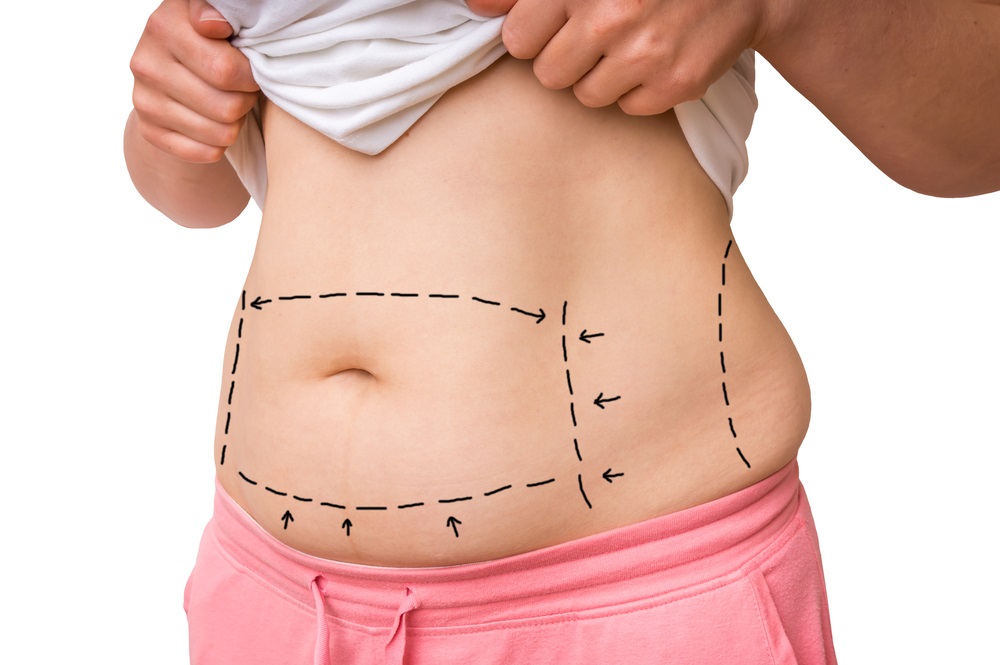
Why Tummy Tuck Can Be Riskier for Diabetic Patients
While tummy tucks are generally safe for healthy candidates, the presence of diabetes can increase certain surgical risks:
-
Delayed Healing – High blood sugar levels can slow down the body’s ability to repair surgical incisions.
-
Increased Risk of Infection – Diabetes can weaken the immune system, making it harder for the body to fight infections after surgery.
-
Poor Circulation – This can reduce oxygen supply to healing tissues, impacting recovery.
-
Higher Risk of Blood Clots – Some diabetic patients have higher clotting risks, especially after long procedures.
These concerns do not automatically mean a diabetic patient cannot undergo a tummy tuck, but it does require more careful planning, strict blood sugar control, and close monitoring before and after surgery.
Who Can Be a Candidate for Tummy Tuck With Diabetes?
Being diabetic does not automatically disqualify someone from having a tummy tuck. Surgeons typically consider a diabetic patient a potential candidate if:
-
Blood sugar is well-controlled (HbA1c levels are in a healthy range, usually below 7%).
-
The patient is free from severe complications like advanced heart disease or uncontrolled hypertension.
-
There is no active infection or poorly healing wound elsewhere in the body.
-
The patient is committed to following post-operative care instructions strictly.
If your diabetes is poorly controlled, your surgeon will likely recommend postponing the surgery until your health improves.
Pre-Surgery Preparation for Diabetic Patients
For diabetic patients considering a tummy tuck, preparation is key to reducing risks and ensuring a smooth recovery. Here are some important steps:
-
Blood Sugar Stabilization – Work closely with your endocrinologist to keep glucose levels in the safe range for several weeks before surgery.
-
Comprehensive Medical Checkup – This may include heart function tests, kidney function tests, and wound-healing assessments.
-
Medication Adjustment – Some diabetes medications may need to be modified before surgery to avoid blood sugar fluctuations.
-
Nutritional Planning – A balanced diet rich in vitamins and proteins supports healing.
The Tummy Tuck Procedure for Diabetic Patients
The tummy tuck procedure for a diabetic patient is generally the same as for others, but with extra precautions:
-
Minimizing Surgery Time – Surgeons often aim to reduce time under anesthesia to lower the risk of complications.
-
Sterile Environment – Enhanced infection control measures are applied during and after surgery.
-
Careful Incision Planning – To promote better healing and minimize tension on the skin.
The surgery involves removing excess abdominal skin and fat, tightening abdominal muscles, and carefully suturing the incision. In diabetic patients, surgeons often use additional layers of sutures and special dressings to aid healing.
Recovery and Aftercare Considerations
Post-surgery care is where diabetic patients must be especially cautious:
-
Frequent Blood Sugar Monitoring – Check glucose levels several times a day.
-
Strict Wound Care – Follow your surgeon’s cleaning and dressing instructions meticulously.
-
Avoiding Strain – Rest is essential; lifting heavy objects or doing strenuous activity too soon can cause complications.
-
Healthy Diet & Hydration – Helps the body heal and keeps blood sugar stable.
-
Regular Follow-Ups – Attend all scheduled appointments so your surgeon can monitor healing progress.
Healing might take slightly longer for diabetic patients, so patience and compliance with instructions are essential.
When to Avoid a Tummy Tuck
Even with preparation, there are situations where tummy tuck surgery may not be advisable for diabetic patients:
-
Uncontrolled blood sugar levels.
-
Active foot ulcers, wounds, or infections.
-
Severe cardiovascular disease.
-
Kidney failure or advanced neuropathy.
In such cases, it’s safer to delay the procedure until health stabilizes.
Tips for a Safe and Successful Tummy Tuck With Diabetes
-
Choose a board-certified plastic surgeon experienced with diabetic patients.
-
Maintain a healthy lifestyle before and after surgery.
-
Avoid smoking, as it significantly slows healing.
-
Be realistic about recovery time; it may take longer than average.
Final Thoughts
A tummy tuck can still be an option for people with diabetes, but it’s not a decision to be taken lightly. With proper blood sugar control, thorough pre-surgical evaluation, and close post-operative monitoring, many diabetic patients achieve excellent results. However, the key to success lies in open communication with your surgeon, realistic expectations, and a commitment to follow all medical advice.
Public Last updated: 2025-08-14 09:41:36 AM