Embracing Precision and Efficiency with Autosamplers in Modern Laboratories
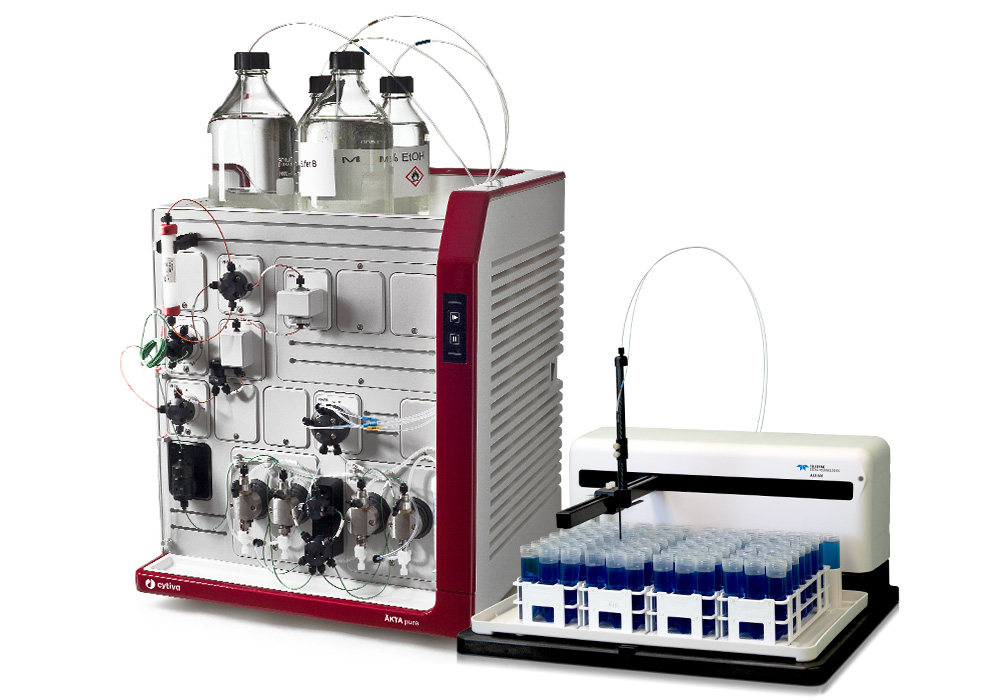
An autosampler is a device designed to automatically introduce samples into an analytical instrument. It is commonly used in laboratories that conduct chemical, biological, or environmental analysis. The autosampler’s primary function is to improve workflow efficiency by automating the repetitive task of sample introduction. Instead of relying on manual injection by a technician, the autosampler takes over this responsibility with precision and consistency.
In the early days of laboratory analysis, all sample injections were done by hand. This method was prone to variability, especially when large numbers of samples had to be processed. As technology advanced and demand for rapid, high-volume testing increased, the need for automation became apparent. The autosampler was developed to meet this growing need, and since then, it has become a standard piece of equipment in laboratories across the globe.
The Critical Role of Autosamplers in Analytical Science
The importance of an autosampler lies in its ability to deliver consistent and reproducible results. Analytical techniques such as gas chromatography, liquid chromatography, and mass spectrometry all require accurate sample introduction to ensure valid results. Human error in manual sample injection can lead to data discrepancies, instrument contamination, and wasted resources. By using an autosampler, laboratories can eliminate many of these risks.
Autosamplers are especially valuable in high-throughput environments. When hundreds of samples need to be tested each day, automation ensures that the process remains smooth and efficient. The device loads, measures, and injects each sample with the same precision every time. This reduces variability between tests and contributes to more accurate and reliable outcomes.
How Autosamplers Improve Laboratory Workflow
One of the biggest advantages of an autosampler is the way it enhances productivity. With an autosampler in place, a technician can prepare a batch of samples and then step away while the device handles the injection process. This allows lab staff to focus on other tasks, such as data analysis, equipment maintenance, or preparing new experiments.
Another benefit is the reduction of operator fatigue. Repeated manual injection is not only time-consuming but can also be physically tiring. Fatigue can affect performance and introduce inconsistencies. An autosampler takes over this demanding task, ensuring that every injection is performed to the same high standard, regardless of the time of day or the number of samples.
Autosamplers also help manage resources more effectively. They are designed to use small volumes of sample material, minimizing waste. Some models even allow for temperature control or shaking during the sampling process, further protecting the integrity of the sample before analysis.
Types of Autosamplers and Their Applications
There are various types of autosamplers, each tailored to a specific application or type of analytical instrument. In gas chromatography, autosamplers are used to inject volatile samples into the instrument. They must be capable of handling the sample at controlled temperatures to prevent evaporation or degradation. In liquid chromatography, autosamplers deliver precise amounts of liquid samples, often in very small volumes, into the system.
Some autosamplers are built into the instrument they serve, while others are standalone devices that connect to multiple systems. Modular autosamplers offer flexibility, allowing laboratories to adapt their setups based on workload and analytical needs.
The design of an autosampler may vary, but the key components typically include a sample tray, a needle or probe for drawing the sample, a syringe or pump for accurate measurement, and a control system to manage the sequence of injections. More advanced models may include robotics for sample handling, barcode scanners for tracking, and software integration for seamless data collection.
Industries That Rely on Autosamplers Every Day
Autosamplers play a vital role in many industries. In pharmaceuticals, they are used for drug development, stability testing, and quality assurance. These tasks require a high degree of accuracy, and autosamplers ensure that testing procedures are both consistent and reproducible.
In environmental science, autosamplers help monitor water, soil, and air samples for pollutants and contaminants. These tests often need to be conducted across large geographic areas and over extended periods. Autosamplers allow researchers to collect and process data with minimal manual intervention.
Food and beverage industries also depend on autosamplers to ensure the safety and consistency of their products. From checking for pesticide residues to verifying nutritional content, autosamplers contribute to efficient quality control processes.
Clinical laboratories rely on autosamplers for high-volume testing of biological fluids. In these settings, speed and accuracy can directly impact patient care. Autosamplers enable fast turnaround times while maintaining the reliability of the test results.
How to Choose the Right Autosampler for Your Needs
Selecting the best autosampler for a specific lab requires careful consideration. Factors such as the type of analysis, sample volume, required throughput, and budget all play a role. Some autosamplers are designed for small laboratories with limited space, while others are built for industrial-scale operations.
Compatibility with existing equipment is essential. An autosampler should integrate seamlessly with the analytical instruments in the lab. This includes not only physical connections but also software compatibility. Many autosamplers come with their own control systems, but they must also be able to communicate with the data management software used in the lab.
Maintenance and ease of use are also important. A good autosampler should be reliable, easy to clean, and straightforward to calibrate. Many laboratories prefer models that offer clear user interfaces and built-in diagnostic tools to simplify troubleshooting.
The Future of Autosampler Technology
As laboratories become more advanced and data-driven, autosampler technology continues to evolve. One emerging trend is the integration of artificial intelligence and machine learning. These tools can help identify patterns in sample data, detect anomalies, and optimize sampling sequences for better efficiency.
Miniaturization is another area of innovation. Smaller, portable autosamplers are being developed for use in the field, allowing real-time analysis outside the lab. This is particularly useful for environmental testing, where conditions can change rapidly and immediate results are beneficial.
Another promising development is the use of cloud connectivity. Autosamplers that connect to cloud-based platforms allow for remote monitoring and control. Laboratory managers can track performance, schedule runs, and review results from anywhere, increasing operational flexibility.
Conclusion: Why Every Modern Lab Needs an Autosampler
The autosampler has become a cornerstone of modern analytical science. It offers a solution to the challenges of high sample volumes, strict quality standards, and the demand for faster results. By automating the sample introduction process, it frees up human resources, reduces error, and enhances the quality of data collected.
Whether in a cutting-edge pharmaceutical lab, a busy environmental testing center, or a food safety facility, the autosampler delivers unmatched precision and reliability. It not only saves time but also contributes to more accurate and reproducible science. In an age where data integrity and efficiency are paramount, the autosampler stands out as an essential tool for success.
Public Last updated: 2025-04-17 08:22:21 AM