The Essential Guide to Outboard Propellers: Everything You Need to Know
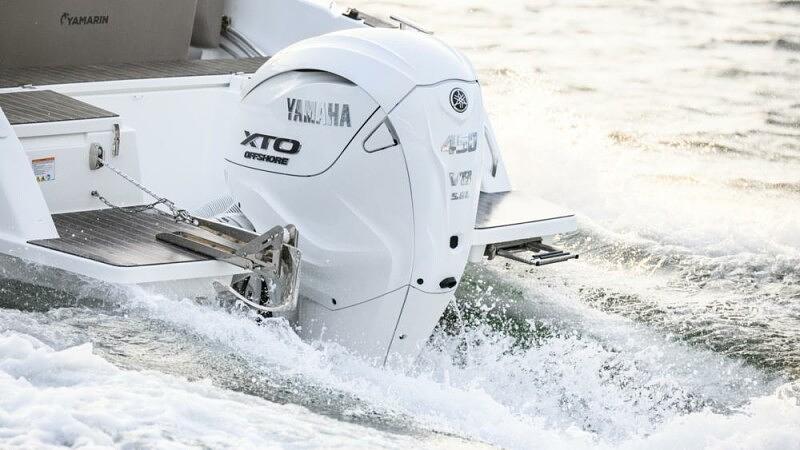
Outboard motors are essential components of many recreational boats, helping them move efficiently across lakes, rivers, and oceans. One of the most critical parts of an outboard motor is the propeller. The outboard propeller plays a crucial role in translating the engine's power into forward motion, making it an essential piece of equipment for anyone with a boat that uses an outboard motor. Understanding the ins and outs of outboard propellers can help boat owners maximize their vessel’s performance, fuel efficiency, and longevity.
What is an Outboard Propeller?
The propeller on an outboard motor is a rotating device with blades that spin through the water. It generates thrust by pushing the water behind the boat, propelling it forward. The outboard motor's engine turns the propeller, and the design of the propeller—including the number of blades, material, pitch, and diameter—greatly affects the performance of the boat.
While the primary job of the propeller is to create thrust, its role also extends to influencing fuel economy, speed, handling, and overall boat efficiency. Propeller selection is thus an important decision for boat owners, as the right one will enhance the performance of their motor and ensure a smoother boating experience.
Types of Outboard Propellers
Outboard propellers come in a wide variety of designs, materials, and sizes. The most common classification of propellers depends on their material, blade count, and pitch.
Materials:
- Aluminum: Aluminum propellers are commonly used because they are affordable, lightweight, and corrosion-resistant. They are perfect for boats that operate in freshwater or moderately rough conditions. However, aluminum can get damaged more easily than other materials.
- Stainless Steel: Stainless steel propellers are more durable and provide better performance at higher speeds and in saltwater. They are resistant to corrosion and more rigid than aluminum, offering higher efficiency and longevity. However, they tend to be more expensive.
- Composite: Composite materials, such as plastic or fiberglass, are lighter and less prone to corrosion but are less durable than aluminum or stainless steel.
Number of Blades: The number of blades on a propeller can vary from two to five or more. The most common propellers feature three blades, but two-blade and four-blade propellers are also available. Fewer blades generally offer higher speeds, while more blades may provide better fuel efficiency and smoother handling.
Pitch: The pitch of a propeller refers to the angle of the blades relative to the hub. This angle determines how far the boat moves forward for every full rotation of the propeller. A high-pitch propeller will move the boat faster but require more power, while a low-pitch propeller offers more low-end power and better fuel efficiency but reduces top-end speed.
Diameter: The diameter of the propeller is the measurement from one blade tip to the other, crossing through the center. Larger diameters typically produce more thrust, whereas smaller diameters allow for quicker acceleration but may not generate as much power for heavy boats.
How Does an Outboard Propeller Affect Boat Performance?
An outboard propeller significantly influences a boat's speed, fuel economy, and handling. A well-chosen propeller ensures that your boat can handle the conditions you plan to navigate while providing an optimal balance between power, speed, and efficiency. Here’s a closer look at how propeller characteristics impact boat performance.
Speed: The speed at which your boat travels depends on the propeller’s pitch, diameter, and number of blades. A propeller with a higher pitch will theoretically move the boat faster, while a lower-pitch propeller offers better acceleration but less top speed. Similarly, a propeller with more blades will provide smoother, slower speeds, while a two-blade propeller is often preferred for high-speed runs.
Fuel Efficiency: Fuel efficiency is another important factor influenced by the propeller. A propeller that is too large or too small for your boat can lead to inefficient fuel use. A propeller with the wrong pitch or diameter could force the engine to work harder than necessary, burning more fuel. On the other hand, a properly matched propeller allows the engine to run at the ideal RPM (revolutions per minute), ensuring efficient fuel use and reducing operating costs.
Handling: The handling of your boat is another performance aspect impacted by the propeller. A three-blade propeller provides a good balance between speed and handling, offering reasonable control and responsiveness in most conditions. However, for boats that require sharper turns or improved low-speed control, a four-blade propeller may be a better option, as it offers superior grip and smoother handling.
Engine Load: The right propeller also helps reduce engine load. An overloaded engine can lead to poor performance and wear. If the propeller is too large, the engine will struggle to reach its optimal RPM, causing strain and inefficient performance. On the other hand, a propeller that is too small may result in the engine revving too high, which can also decrease performance and lead to faster engine wear.
Propeller Maintenance and Care
Maintaining an outboard propeller is crucial for ensuring its longevity and preserving the performance of your boat. While propellers are built to last, they are still vulnerable to damage from debris, corrosion, and wear over time. Regular inspection and care can help prolong the life of your propeller and ensure your boat performs at its best.
Inspection: Before heading out on the water, check the propeller for any visible signs of damage, such as dents, cracks, or chips. A damaged propeller can reduce efficiency, harm the motor, and even pose a safety hazard. Inspect the blades regularly for nicks or bends, especially after navigating rocky areas or shallow waters.
Cleaning: Saltwater, in particular, can corrode the propeller over time. After each trip, rinse the propeller with fresh water to remove salt, sand, and debris. If you notice any signs of corrosion, clean the propeller with appropriate cleaning solutions and a soft cloth to avoid scratching the surface.
Lubrication: Lubricating the propeller’s hub regularly helps prevent rust and corrosion. It also ensures that the propeller spins freely without any friction. Be sure to follow the manufacturer's recommendations for lubrication and use the correct grease.
Storage: When not in use, store your boat and propeller in a dry, sheltered location to prevent exposure to the elements. If possible, remove the propeller to avoid damage from prolonged exposure to humidity or saltwater.
Choosing the Right Propeller for Your Boat
Selecting the right outboard propeller for your boat can significantly impact its performance. Consider the type of boating you do and the engine specifications before making a decision. If you mostly cruise at low speeds, you might opt for a lower-pitch propeller for better fuel efficiency and easier handling. For those who enjoy watersports like water skiing, a higher-pitch propeller may be ideal for delivering more thrust and top-end speed.
It’s also essential to consult the manufacturer’s recommendations when selecting a propeller. Many boat manufacturers provide propeller charts that suggest the best options based on your boat's make and model, engine size, and the conditions in which you plan to operate.
Conclusion
Outboard propellers play a fundamental role in the performance of your boat. From the materials to the number of blades, pitch, and diameter, every detail matters in ensuring that your vessel runs efficiently, smoothly, and safely. Whether you’re a casual boater or an experienced angler, understanding how to choose, maintain, and care for your outboard propeller will help you get the most out of your boating experience.
Choosing the right propeller is crucial for achieving the perfect balance between speed, fuel efficiency, and handling, while also extending the lifespan of your motor. By carefully considering your boat’s needs and following regular maintenance routines, you can ensure that your propeller continues to deliver reliable performance for many seasons to come.

Public Last updated: 2025-02-24 10:27:57 AM