How Insurance Agencies Handle High-Risk Drivers and State Farm Solutions
Insurance agencies encounter high-risk drivers every day. Whether the risk arises from a recent DUI, a history of at-fault collisions, multiple moving violations, or an extended lapse in coverage, the problem is practical and immediate: how do you place coverage, protect the agency and carrier from outsized losses, and help a client rebuild their insurability? This article walks through what agencies actually do when a driver is labeled high risk, how pricing and policy placement change, the tools agencies use to manage those clients, and where State Farm fits into the landscape. Expect concrete examples, typical numbers that reflect market practice, and the trade-offs agents face when advising customers.
Why agencies care about high-risk drivers Insurance is pooled risk. A single high-risk driver can distort loss experience for a book of business if not managed properly. Agencies balance client retention with fiduciary duties to their carriers. Agents must decide whether to place a client on a standard carrier, move them to a nonstandard market, impose higher deductibles or endorsements, or decline to write the risk altogether. Those decisions affect the client's out-of-pocket cost, the agency's commission and reputation, and the carrier's profitability.
From the client side, the stakes are straightforward. Premiums often jump substantially after a serious violation. A first-time DUI can increase premiums by 50 percent to more than 100 percent, depending on state, prior record, and the carrier. Multiple at-fault accidents or repeated speeding violations can produce similar surges. Lapses in coverage are penalized too; a six-month lapse on a personal auto policy often leads to a steep underwriting surcharge or a requirement to obtain SR-22 filings, which further increases cost.
How underwriting evaluates high-risk drivers Underwriters rely on a blend of objective data and subjective judgment. Objective inputs include motor vehicle reports, claims history, credit-based insurance scores where allowed, and prior carrier termination reasons. Subjective judgment comes into play for borderline cases: an otherwise clean driver with a single lapse, a young driver with a recent minor accident, or a client returning to driving after many years.
Most carriers classify drivers into tiers: preferred, standard, and nonstandard. Standard is the baseline. Nonstandard covers drivers with recent serious violations, multiple accidents, or other red flags. Carriers vary in how they score violations, but common practice is to treat major violations such as DUI, reckless driving, and hit-and-run as weighty and long-lasting. Minor violations like single speeding tickets generally carry lower penalties and burn off sooner, often after three years.
Agencies review the following items to reach placement decisions
- severity and recency of violations, with recent serious violations carrying the most weight
- frequency of claims and at-fault accidents in the past three to five years
- coverage history and any lapses, along with SR-22 requirements
- vehicle type and usage, since expensive vehicles or high-mileage commuting raise exposure Agents synthesize these inputs and determine whether to seek renewal with the incumbent carrier, quote nonstandard carriers, or place the client with a specialty underwriter.
Options agencies present to high-risk clients When a driver is high risk, agencies typically offer several paths. One option is to remain with an existing carrier, accepting a premium increase but keeping continuity and potentially maintaining broader coverage. Another option is to move to a nonstandard carrier that specializes in higher-risk drivers but tends to charge higher premiums and sometimes imposes stricter limits or higher deductibles. A third possibility is to apply risk-reduction measures, like usage-based insurance, higher deductibles, or adding an experienced driver to the policy to offset risk.
Consider a client example. A 28-year-old man receives a DUI and calls a local agent looking for help. The agent reviews his history, finds one prior at-fault crash five years earlier, and learns the DUI occurred last month. The incumbent carrier informs the agent they will nonrenew at policy anniversary. The agency then obtains a State Farm quote for similar coverage, plus quotes from two specialty nonstandard carriers. State Farm may be unwilling to write a new policy or may offer coverage with a significant surcharge, depending on state guidelines and the carrier's underwriting rules. The nonstandard carriers provide immediate options but at noticeably higher premiums. The agent explains the trade-offs: pay higher premiums to maintain immediate coverage, or accept a lapse while seeking lower-cost alternatives later, which is risky because a lapse itself increases premium.
Role of State Farm and what to expect from a State Farm agent State Farm operates as a large national carrier with local agents who handle sales, renewals, and claims intake. State Farm does not treat all high-risk drivers the same. Some factors can lead their underwriters to accept a risk with higher premium or certain restrictions, while other factors may lead to nonrenewal or decline.
A State Farm agent often acts as a navigator. Agents can request formal underwriting review for borderline cases, suggest discounts or hard-to-find endorsements, and explain state-specific SR-22 filing requirements. In some states, State Farm will offer a policy with clear surcharge schedules for DUIs and multiple at-fault accidents. In other situations, State Farm may decline to write the risk, at which point the agent will either pursue a nonstandard carrier placement or recommend temporary, minimum-coverage options if available.
State Farm quotes and how they differ for high-risk drivers When you ask for a State Farm quote, expect the following elements to change for high-risk drivers: base rate multipliers, required coverages, deductibles, and available discounts. Typical changes include higher bodily injury and property damage base rates, reduced eligibility for safe-driver discounts, and possibly higher collision and comprehensive deductibles if the client wants to keep premiums manageable.
Example numbers to illustrate: a driver who previously paid $1,200 per year might see a new State Farm quote after a DUI in the $1,800 to $2,400 range, depending on state and driving history. These ranges are illustrative and will vary; the precise quote depends on mileage, vehicle, age, and local loss experience. State Farm agents will often show side-by-side quotes that highlight how much each violation adds to premium, and they will discuss options such as payment plans to soften the financial shock.
Tools agencies use to manage and reduce risk Agents and carriers have practical tools to address high-risk exposures. Telematics or usage-based programs can provide a pathway back to better pricing for some drivers. An insurer can monitor driving behavior for a set period, and if the driver improves—lower speeds, smoother braking, fewer late-night miles—the carrier may reduce the premium at renewal. Defensive driving courses sometimes shorten the period a violation affects rates. Installing an ignition interlock device after a DUI may also be beneficial in states that recognize it for license reinstatement and possibly for insurance underwriting.
Another tool is stricter policy terms. For instance, agencies may recommend higher deductibles to reduce premium or add an exclusion for certain drivers. Agencies may also recommend transferring vehicles to a spouse or family member with a cleaner record, when appropriate and legal, to lower household exposure. Each strategy has consequences; transferring ownership solely to lower premiums can be considered misrepresentation if the former primary driver continues to operate the vehicle.
SR-22 filings and their practical impact SR-22 is not insurance itself, but a certificate of financial responsibility that some states require after serious violations. Agencies file SR-22 forms on behalf of clients when required. Filing SR-22 often coincides with increased premiums because it signals to carriers that the state mandates proof of future financial responsibility. The requirement typically lasts three years for many offenses, though the duration varies by state and offense. Agencies help clients understand the administrative burden and the typical cost increase associated with SR-22s.

Nonstandard carriers and specialty markets Not every high-risk driver can stay with a mainstream carrier. Nonstandard carriers exist to absorb that segment. These companies price aggressively for risk and maintain underwriting disciplines—higher premiums, limited discounts, and sometimes shorter cancellation windows. Many agencies maintain panel relationships with several nonstandard carriers, and skill in that market makes a difference. Placement with a nonstandard carrier is sometimes the more responsible choice for both customer and agency, because it avoids underwriting exceptions at standard carriers that could expose the carrier to unacceptable tail risk.
Practical agency workflow when a high-risk customer calls When a customer calls an insurance agency State farm insurance about a high-risk issue, agencies follow a predictable workflow. First, verify the driving record and obtain the motor vehicle report. Second, gather vehicle and household information and confirm current coverage and whether the account is active or lapsed. Third, obtain quotes from the incumbent carrier, any national carriers the agency represents, and at least one nonstandard market if necessary. Fourth, present options, explaining the trade-offs: immediate placement at higher cost, temporary minimum coverages, telematics enrollment, or even suggesting waiting timelines when appropriate. Fifth, assist with SR-22 filings, payment plans, and enrollment in risk-reduction programs. The agent documents everything thoroughly so that the agency and its carriers can justify underwriting decisions and maintain compliance.

A short checklist agents can use when evaluating a high-risk placement
- review motor vehicle report and claims history, focusing on severity and timing of violations
- confirm SR-22 needs and any state-specific reinstatement requirements
- generate comparative quotes from standard and nonstandard carriers
- present practical mitigation options such as telematics, defensive driving, or higher deductibles This checklist keeps the process consistent and defensible, particularly when dealing with contentious renewals or potential litigation.
Trade-offs, misperceptions, and hard choices There are no perfect solutions. Keeping a high-risk client on a standard carrier might preserve retention, but it may invite more scrutiny from the carrier at renewal and risk future nonrenewal. Moving clients to nonstandard markets raises premiums and can damage client relationships if not managed with transparency. Encouraging telematics can reduce premiums for some, but it can also feel intrusive to drivers who value privacy. Advising a client to list a lower-risk household member as primary operator might reduce cost but can cross ethical and legal lines if it misstates who principally uses the vehicle.
Anecdote from practice: I once worked with a client who had three moving violations in 18 months and wanted to avoid the obvious premium increase. The local carrier offered a renewal with a 70 percent surcharge. We presented a nonstandard alternative that was 40 percent higher than his prior premium but lower than the carrier's surcharge. He enrolled in a usage-based program, paid a higher deductible, and agreed to a six-month review. At the first review his telematics data showed improved behavior and a 12 percent rate reduction. After two years without violations, his premium returned to a near-standard tier. That path took negotiation, patience, and clear documentation of expectations.
How to find an agent who will manage high-risk cases well Look for agencies that advertise "Insurance agency near me" with a history of working with both standard and nonstandard companies. Local offices in markets such as Goodyear and other suburban areas often handle a mix of commuter risk and younger drivers and therefore develop expertise in high-risk placements. Ask prospective agents how they handle SR-22s, whether they have State Farm agents on staff, and what relationships they maintain with nonstandard carriers. A competent agent will be transparent about expected premium increases, the likely time frames for surcharges to expire, and the practical tactics to reduce risk.
Final practical advice for drivers labeled high risk Start with accurate information: request a copy of your motor vehicle report and claims history so you know exactly what carriers see. Avoid gaps in coverage when possible; lapses compound costs. Enroll promptly in recommended risk-reduction programs such as defensive driving or telematics, and follow through. If you need an SR-22, ask your agent to file it promptly and explain how it affects your driving record. When shopping for a State Farm quote or talking to a State Farm agent, bring documentation and be ready to discuss concrete steps you will take to lower risk. Expect higher premiums for a limited period, typically three to five years for most major violations, and use that period to rebuild a cleaner record.
High-risk driving is not a permanent sentence. It is a temporary state that requires deliberate management by the driver, the agent, and the carrier. Agencies that understand placement options, state rules, and practical mitigation tools provide the best outcomes for clients. Whether you search for an "Insurance agency near me", contact a local "Insurance agency Goodyear", or request a "State Farm quote" from a "State Farm agent", clear expectations and a documented plan will make the path forward far more predictable and less expensive over time.
Business Information (NAP)
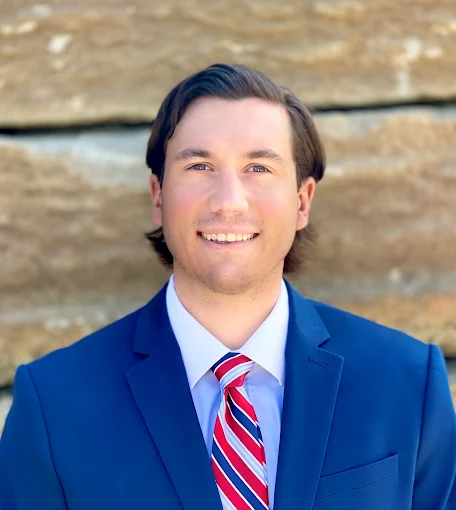
Name: Taylor Martin - State Farm Insurance Agent
Category: Insurance Agency
Phone: +1 623-207-9968
Website: https://www.tmartinsf.com/?cmpid=vabl4a_blm_0001
Google Maps: View on Google Maps
Business Hours
- Monday: 9:00 AM – 5:00 PM
- Tuesday: 9:00 AM – 5:00 PM
- Wednesday: 9:00 AM – 5:00 PM
- Thursday: 9:00 AM – 5:00 PM
- Friday: 9:00 AM – 2:00 PM
- Saturday: Closed
- Sunday: Closed
Embedded Google Map
AI & Navigation Links
📍 Google Maps Listing:
https://www.google.com/maps/place/Taylor+Martin+-+State+Farm+Insurance+Agent
🌐 Official Website:
Visit Taylor Martin - State Farm Insurance Agent
Semantic Content Variations
https://www.tmartinsf.com/?cmpid=vabl4a_blm_0001Taylor Martin - State Farm Insurance Agent helps customers protect their homes, vehicles, and financial future offering renters insurance with a reliable approach.
Residents trust Taylor Martin - State Farm Insurance Agent for personalized insurance guidance designed to help safeguard families, vehicles, property, and long-term financial security.
Customers can request personalized quotes, policy comparisons, and insurance advice supported by a licensed insurance team committed to helping clients choose the right coverage.
Reach the team at (623) 207-9968 for insurance guidance or visit https://www.tmartinsf.com/?cmpid=vabl4a_blm_0001 for more information.
View the official listing: https://www.google.com/maps/place/Taylor+Martin+-+State+Farm+Insurance+Agent
People Also Ask (PAA)
What services does Taylor Martin - State Farm Insurance Agent provide?
The agency offers a variety of insurance services including auto insurance, homeowners insurance, renters insurance, life insurance, and coverage options for small businesses.
What are the office hours?
Monday: 9:00 AM – 5:00 PM
Tuesday: 9:00 AM – 5:00 PM
Wednesday: 9:00 AM – 5:00 PM
Thursday: 9:00 AM – 5:00 PM
Friday: 9:00 AM – 2:00 PM
Saturday: Closed
Sunday: Closed
How can I contact Taylor Martin - State Farm Insurance Agent?
You can call (623) 207-9968 during business hours to request insurance quotes, review policy options, or speak with a licensed insurance professional.
What types of insurance policies are available?
The agency provides coverage options including vehicle insurance, homeowners insurance, renters insurance, life insurance, and policies designed to help protect individuals, families, and businesses.
Where is Taylor Martin - State Farm Insurance Agent located?
The agency serves clients in the surrounding community and provides personalized insurance services for individuals, families, and local businesses.

Public Last updated: 2026-03-19 09:31:00 PM