Mindfulness for Chronic Discomfort: What To Do When It Makes You Restless
If I had a pound for every time someone told me to "just meditate" while I was dealing with a flare-up, I could have retired to the coast years ago. I spent nine years in NHS admin, watching patients be given leaflets on "mindfulness practices" as if breathing exercises were a magic wand for systemic chronic pain. Let’s be real: when you are in constant discomfort, sitting in a quiet room to "observe your pain" can feel like a one-way ticket to a panic attack.
It is perfectly normal to feel restless, agitated, or even physically worse when you try to sit with discomfort. If mindfulness is making you feel like your skin is crawling, it isn't "you doing it wrong." It’s your nervous system reacting to a perceived threat. Let’s break down how to actually manage this without the "just push through" nonsense.
Why Mindfulness Makes You Restless (And Why That’s Okay)
When we live with chronic pain or fatigue, our nervous system is often stuck in a state of high alert—a persistent stress response. When you suddenly try to stop moving and "be present," your brain—which is already hyper-vigilant—suddenly has nothing to distract it. It immediately zooms in on the sensations of pain. That restlessness you feel? That is your sympathetic nervous system screaming, "We aren't safe!"
NICE (National Institute for Health and Care Excellence) guidelines emphasize the importance of pacing and patient-centered care for chronic pain, but they rarely tell you *how* to handle the sensory overload that comes with slowing down. Mindfulness isn’t just about sitting in lotus pose; it’s about gentle grounding, and if it makes you restless, we need to change the method, not force the habit.
Pacing and Energy Budgeting: Your New Baseline
Think of your energy like a bank account. When you're in chronic discomfort, you are constantly overdrawn. Mindfulness practices should be a deposit into your account, not a withdrawal of your mental energy.

Pacing is the act of breaking tasks down until they don't trigger that "overdrawn" state. When you use your energy wisely during the day, your nervous system is less likely to be in a fight-or-flight spiral by bedtime.
- The 2-Minute Rule: If a 20-minute guided meditation makes you want to crawl out of your skin, stop. Do two minutes. That's it. If two minutes is too much, do one minute of focusing on the texture of a blanket under your fingers.
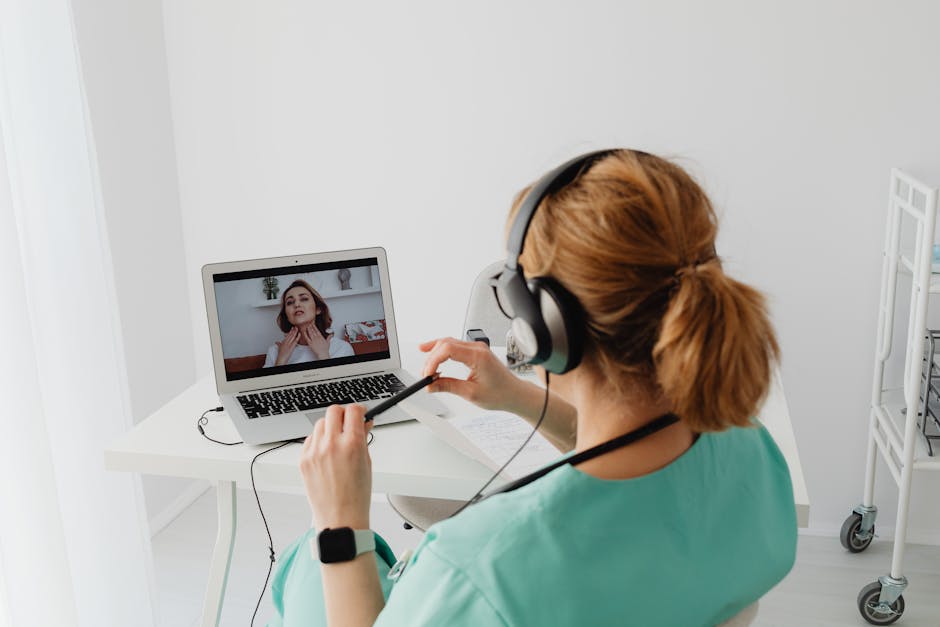
- Utilizing Telehealth Systems: Many NHS and private telehealth systems now have built-in trackers for symptoms. Use these to correlate your "restless" days with your activity levels. If you notice a spike in restlessness after heavy days, you know your nervous system is overstimulated.
- Search Engines are Tools, Not Mirrors: Stop using search engines to "diagnose" your restlessness. Use them to find evidence-based resources from reputable sources like the NHS website or pain-specialist charities, rather than falling down the rabbit hole of forums that promise "miracle cures."
Flexible Routines and Recovery-First Planning
I am a firm believer in the "too tired to think" list. When your brain is foggy, you shouldn't have to make decisions. Your routines should be modular. On a good day, you might do a 15-minute gentle stretch. On a high-pain day, you skip it instavipbio entirely or switch to a "horizontal only" version.
Recovery-first planning means acknowledging that rest is an activity, not a failure. If your plan for the evening involves a complex wind-down ritual, but you’re in a flare, that ritual becomes another chore. If you can’t face your full routine, do the "Too Tired to Think" version instead.
The "Too Tired to Think" Survival Table
I keep this pinned to my fridge. When the pain is high and the motivation is zero, I don’t try to think. I just look at the list and pick the shortest option.
Category Standard Routine The "Too Tired to Think" (2-Minute) Version Mindfulness 15-minute guided meditation Notice 3 things you can feel (sheets, pillow, air). Stretching Full-body yoga sequence Gentle ankle circles while lying in bed. Nutrition Cooked meal with veg Handful of nuts or a piece of fruit. Wind-down Journaling and reading Listen to 2 minutes of familiar white noise/ambient sound.
Sleep Consistency and Nervous System Regulation
We often treat sleep as a secondary concern, but for chronic pain, it is the primary recovery tool. However, the pressure to "get 8 hours" can cause—you guessed it—more stress and restlessness.
If you have exhausted standard avenues and are looking for professional, medically managed care, it is vital to avoid the "supplement trap." I have seen too many people spend their life savings on unproven potions found via biased search results. Organizations like Releaf offer specialist-led, regulated UK clinics that focus on cannabis-based medicinal products within a framework of patient advocacy. This is the difference between "guessing" and "managing." Always ensure your care is backed by medical oversight and not just clever marketing.
To regulate your nervous system for sleep:
- Lower the stakes: If you don't sleep, don't panic. Rest is still valuable.
- Environment: Keep the room cool and dark. If you are restless, try a weighted blanket—it’s excellent for gentle grounding.
- The "Brain Dump": If your thoughts are racing, write them down for 60 seconds. Then close the book. They are safe on the paper; you don't need to carry them.
Final Thoughts: Stop Pushing Through
If you take nothing else away from this, please let it be this: Stop pushing through. When we push, we teach our nervous system that our internal warning signals are to be ignored. That is how you end up in a chronic burnout cycle.
Mindfulness shouldn't be another item on your to-do list. It should be the thing that keeps you grounded when everything else feels chaotic. If sitting still feels like a physical assault, lean into movement. If silence feels loud, use calming audio. If you are exhausted, do the two-minute version.
You are the only person who lives in your body 24/7. Your experience is the data. Use it to build a routine that serves you, not one that demands you be someone you aren't on your hardest days.

Public Last updated: 2026-05-31 11:22:08 PM