Diesel Generator for Off-Grid Living A Comprehensive Guide
Introduction
Off-grid living has become increasingly popular in recent years as people seek to reduce their carbon footprint, become more self-sufficient, or simply enjoy the freedom of being disconnected from the traditional power grid. However, living off-grid comes with its own set of challenges, one of the most significant being the need for a reliable source of power. In this article, we will explore the role of diesel generators in off-grid living, their benefits, considerations, maintenance, and best practices for their use.
Understanding Diesel Generators
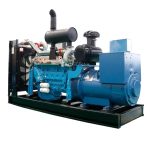
Diesel generators are a type of backup power source that uses a diesel engine to generate electricity. They are commonly used in off-grid living situations where access to the traditional power grid is limited or non-existent. Diesel generators work by burning diesel fuel in an internal combustion engine to produce mechanical energy, which is then converted into electrical energy through an alternator.
Benefits of Diesel Generators for Off-Grid Living
1. Reliability: Diesel generators are known for their reliability and durability, making them an ideal choice for off-grid living where power outages are common. Diesel engines are known for their robust construction and ability to run for extended periods without overheating or breaking down.
2. Fuel Efficiency: Diesel fuel is more energy-dense than gasoline, which means that diesel generators can produce more power from a smaller amount of fuel. This makes diesel generators more fuel-efficient and cost-effective in the long run, especially in off-grid living situations where fuel may be limited or difficult to access.
3. Longevity: Diesel generators have a longer lifespan compared to other types of generators, thanks to their durable construction and simpler design. With proper maintenance and care, a diesel generator can last for decades, providing a reliable source of power for off-grid living.
4. Power Output: Diesel generators are known for their high power output capabilities, making them suitable for powering large appliances, tools, and equipment commonly used in off-grid living situations. Whether you need to run a refrigerator, water pump, or power tools, a diesel generator can provide the necessary power.
Considerations for Using a Diesel Generator Off-Grid
While diesel generators offer numerous benefits for off-grid living, there are several considerations to keep in mind before investing in one:
1. Noise: Diesel generators can be noisy, especially larger models with higher power outputs. If you live in a remote area or value peace and quiet, consider investing in a quieter model or soundproofing your generator enclosure.
2. Maintenance: Like any mechanical device, diesel generators require regular maintenance to ensure optimal performance and longevity. This includes routine oil changes, filter replacements, and inspections to detect any potential issues before they escalate.
3. Fuel Availability: Diesel fuel may not be as readily available in remote off-grid locations compared to gasoline or propane. It's important to plan ahead and stock up on fuel supplies to avoid running out during an emergency or power outage.
4. Environmental Impact: While diesel generators are more fuel-efficient than gasoline generators, they still produce emissions that can contribute to air pollution and climate change. Consider offsetting your carbon footprint by investing in renewable energy sources or using your generator sparingly.
https://www.lkpowerplant.com/product/special-offer-reliable-high-power-200kw-efficient-diesel-generator-set-for-industrial-use/ for Diesel Generators
Proper maintenance is essential for ensuring the reliability and longevity of your diesel generator. Here are some tips to help you keep your generator running smoothly:
1. Regular Inspections: Perform regular visual inspections of your generator to check for leaks, loose connections, or signs of wear and tear. Address any issues promptly to prevent further damage.
2. Oil Changes: Change the oil in your generator at regular intervals as recommended by the manufacturer. Clean oil is essential for lubricating the engine and preventing overheating.
3. Filter Replacements: Replace the air and fuel filters in your generator as needed to ensure optimal performance and fuel efficiency. Clogged filters can restrict airflow and cause engine damage.
4. Fuel Quality: Use high-quality diesel fuel with the proper additives to prevent contamination and ensure smooth operation of your generator. Store fuel in a clean, dry environment away from direct sunlight.
5. Test Runs: Regularly run your generator to test its performance and ensure that it starts up easily when needed. This also helps prevent fuel stagnation and keeps the engine components lubricated.
6. Professional Servicing: Schedule regular maintenance checks with a qualified technician to inspect and service your generator. A professional can identify and address any issues before they become major problems.
Best Practices for Using a Diesel Generator Off-Grid
To get the most out of your diesel generator in an off-grid living situation, consider the following best practices:
1. Load Management: Be mindful of the power requirements of your appliances and equipment to avoid overloading your generator. Distribute loads evenly and prioritize essential items to prevent power spikes.
2. Energy Efficiency: Invest in energy-efficient appliances and equipment to reduce your overall power consumption and minimize the strain on your generator. LED lighting, energy-efficient refrigerators, and low-power electronics can help stretch your fuel supply.
3. Backup Power: Consider investing in a backup power source, such as solar panels or wind turbines, to supplement your diesel generator and reduce your reliance on fossil fuels. This can provide additional power during sunny or windy days and help offset your carbon footprint.
4. Emergency Preparedness: Keep a stock of essential supplies, including extra fuel, oil, filters, and spare parts, in case of a power outage or emergency situation. Having a backup plan in place can help you stay prepared and minimize disruptions to your off-grid lifestyle.
Conclusion
Diesel generators play a crucial role in off-grid living by providing a reliable and cost-effective source of power for homes, cabins, and remote properties. With their high power output, fuel efficiency, and durability, diesel generators are well-suited for off-grid living situations where access to the traditional power grid is limited. By following best practices, performing regular maintenance, and considering environmental impacts, you can maximize the benefits of your diesel generator while minimizing its drawbacks. Whether you're looking to live off-grid full-time or simply want a backup power source for emergencies, a diesel generator can provide the peace of mind and independence you need to thrive in a self-sufficient lifestyle.
Off-grid living has become increasingly popular in recent years as people seek to reduce their carbon footprint, become more self-sufficient, or simply enjoy the freedom of being disconnected from the traditional power grid. However, living off-grid comes with its own set of challenges, one of the most significant being the need for a reliable source of power. In this article, we will explore the role of diesel generators in off-grid living, their benefits, considerations, maintenance, and best practices for their use.
Understanding Diesel Generators
Diesel generators are a type of backup power source that uses a diesel engine to generate electricity. They are commonly used in off-grid living situations where access to the traditional power grid is limited or non-existent. Diesel generators work by burning diesel fuel in an internal combustion engine to produce mechanical energy, which is then converted into electrical energy through an alternator.
Benefits of Diesel Generators for Off-Grid Living
1. Reliability: Diesel generators are known for their reliability and durability, making them an ideal choice for off-grid living where power outages are common. Diesel engines are known for their robust construction and ability to run for extended periods without overheating or breaking down.
2. Fuel Efficiency: Diesel fuel is more energy-dense than gasoline, which means that diesel generators can produce more power from a smaller amount of fuel. This makes diesel generators more fuel-efficient and cost-effective in the long run, especially in off-grid living situations where fuel may be limited or difficult to access.
3. Longevity: Diesel generators have a longer lifespan compared to other types of generators, thanks to their durable construction and simpler design. With proper maintenance and care, a diesel generator can last for decades, providing a reliable source of power for off-grid living.
4. Power Output: Diesel generators are known for their high power output capabilities, making them suitable for powering large appliances, tools, and equipment commonly used in off-grid living situations. Whether you need to run a refrigerator, water pump, or power tools, a diesel generator can provide the necessary power.
Considerations for Using a Diesel Generator Off-Grid
While diesel generators offer numerous benefits for off-grid living, there are several considerations to keep in mind before investing in one:
1. Noise: Diesel generators can be noisy, especially larger models with higher power outputs. If you live in a remote area or value peace and quiet, consider investing in a quieter model or soundproofing your generator enclosure.
2. Maintenance: Like any mechanical device, diesel generators require regular maintenance to ensure optimal performance and longevity. This includes routine oil changes, filter replacements, and inspections to detect any potential issues before they escalate.
3. Fuel Availability: Diesel fuel may not be as readily available in remote off-grid locations compared to gasoline or propane. It's important to plan ahead and stock up on fuel supplies to avoid running out during an emergency or power outage.
4. Environmental Impact: While diesel generators are more fuel-efficient than gasoline generators, they still produce emissions that can contribute to air pollution and climate change. Consider offsetting your carbon footprint by investing in renewable energy sources or using your generator sparingly.
https://www.lkpowerplant.com/product/special-offer-reliable-high-power-200kw-efficient-diesel-generator-set-for-industrial-use/ for Diesel Generators
Proper maintenance is essential for ensuring the reliability and longevity of your diesel generator. Here are some tips to help you keep your generator running smoothly:
1. Regular Inspections: Perform regular visual inspections of your generator to check for leaks, loose connections, or signs of wear and tear. Address any issues promptly to prevent further damage.
2. Oil Changes: Change the oil in your generator at regular intervals as recommended by the manufacturer. Clean oil is essential for lubricating the engine and preventing overheating.
3. Filter Replacements: Replace the air and fuel filters in your generator as needed to ensure optimal performance and fuel efficiency. Clogged filters can restrict airflow and cause engine damage.
4. Fuel Quality: Use high-quality diesel fuel with the proper additives to prevent contamination and ensure smooth operation of your generator. Store fuel in a clean, dry environment away from direct sunlight.
5. Test Runs: Regularly run your generator to test its performance and ensure that it starts up easily when needed. This also helps prevent fuel stagnation and keeps the engine components lubricated.
6. Professional Servicing: Schedule regular maintenance checks with a qualified technician to inspect and service your generator. A professional can identify and address any issues before they become major problems.
Best Practices for Using a Diesel Generator Off-Grid
To get the most out of your diesel generator in an off-grid living situation, consider the following best practices:
1. Load Management: Be mindful of the power requirements of your appliances and equipment to avoid overloading your generator. Distribute loads evenly and prioritize essential items to prevent power spikes.
2. Energy Efficiency: Invest in energy-efficient appliances and equipment to reduce your overall power consumption and minimize the strain on your generator. LED lighting, energy-efficient refrigerators, and low-power electronics can help stretch your fuel supply.
3. Backup Power: Consider investing in a backup power source, such as solar panels or wind turbines, to supplement your diesel generator and reduce your reliance on fossil fuels. This can provide additional power during sunny or windy days and help offset your carbon footprint.
4. Emergency Preparedness: Keep a stock of essential supplies, including extra fuel, oil, filters, and spare parts, in case of a power outage or emergency situation. Having a backup plan in place can help you stay prepared and minimize disruptions to your off-grid lifestyle.
Conclusion
Diesel generators play a crucial role in off-grid living by providing a reliable and cost-effective source of power for homes, cabins, and remote properties. With their high power output, fuel efficiency, and durability, diesel generators are well-suited for off-grid living situations where access to the traditional power grid is limited. By following best practices, performing regular maintenance, and considering environmental impacts, you can maximize the benefits of your diesel generator while minimizing its drawbacks. Whether you're looking to live off-grid full-time or simply want a backup power source for emergencies, a diesel generator can provide the peace of mind and independence you need to thrive in a self-sufficient lifestyle.

Public Last updated: 2025-01-09 12:35:12 PM