How to Save Time and Money on Landscape Maintenance
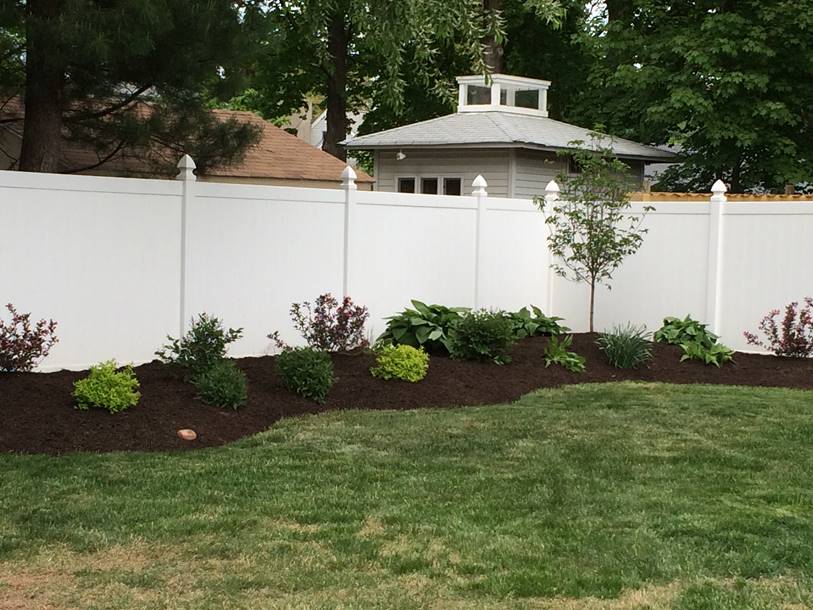


A good landscape does not stay good by accident. It stays good because someone made smart choices early, paid attention to timing, and stopped small problems before they turned into expensive ones. That is the real secret behind saving time and money on landscape maintenance. It is rarely about doing everything yourself, and it is almost never about buying the cheapest materials. It is about managing effort, water, plant health, and labor in a way that keeps the property stable.
I have seen two yards on the same street, built in the same year, tell completely different stories. One looked crisp and settled after five seasons, with clean bed lines, healthy shrubs, and turf that needed little correction. The other needed constant rescue work: dead spots in the lawn, overgrown foundation plantings, mulch washed into the driveway, and irrigation heads spraying the sidewalk. The difference was not luck. The first property had a practical maintenance plan built around the site. The second had decorative choices that looked appealing for a few months but were expensive to sustain.
Landscape maintenance gets costly when the design fights the conditions, when tasks are delayed until they become repairs, and when every visit starts from scratch. The cheaper path is usually the steadier one.
The fastest way to waste money is to maintain the wrong landscape
A landscape that demands weekly correction is not efficient, no matter how beautiful it looked on install day. If your lawn struggles in deep shade, if thirsty annuals bake along a reflective wall, or if tightly packed shrubs need hard pruning three times a year just to stay off the walkway, you are paying for a mismatch between plant choice and site reality.
This matters because maintenance cost is driven less by the individual price of mulch or fertilizer and more by accumulated labor hours. Ten extra minutes here and twenty extra minutes there do not sound dramatic, but they add up over a season. A crew that has to edge around too many awkward bed curves, hand weed bare soil that never filled in, or replace plants that were doomed from the start will always cost more than a crew maintaining a simple, well-planted site.
The first place to save is not in the maintenance budget. It is in reducing the number of recurring problems that maintenance has to solve.
Start with a site audit, not a shopping trip
When people want to lower landscape expenses, they often head straight to products. They buy a new spreader, an expensive hose timer, a stronger weed killer, or bags of fertilizer. Sometimes those tools help. Just as often, they treat symptoms instead of causes.
A site audit is far more valuable. Walk the property with a notebook or your phone and pay attention to patterns. Where does water sit after rain? Which areas dry out first? What needs trimming every month? Which beds always grow weeds? Where are roots lifting edging or hardscape? How much of the yard actually gets used?
Those answers tell you where money is leaking out. A muddy low spot may need drainage correction, not another round of seed. A bed that keeps growing weeds may be too sparse, too shady for turf, or too open to windblown seed. A shrub mass that constantly blocks windows may simply be the wrong species in the wrong place.
The audit does not need to be formal. It needs to be honest. Most wasted maintenance money starts with pretending a landscape is functioning better than it is.
Simplify before you optimize
There is a strong temptation to chase efficiency through gadgets and products. The bigger win is usually simplification. Every extra bed edge, plant variety, and patch of specialty turf creates another maintenance demand. A landscape with fewer moving parts is easier to mow, water, prune, inspect, and keep clean.
This does not mean the yard has to look plain. It means repeating successful plants instead of using one of everything. It means widening beds enough that groundcovers can knit together and shade out weeds. It means reducing narrow turf strips that require trimming but serve no practical purpose. It means replacing fragile seasonal color in hard spots with dependable perennials, ornamental grasses, or shrubs suited to the climate.
One property owner I worked with had six tiny planting islands in the front lawn. They looked charming on paper. In practice, they tripled edging time, complicated mowing, and dried out quickly because each island had limited soil volume. We consolidated them into two larger beds with durable evergreen structure and a few seasonal accents near the entry. The yard looked cleaner, the irrigation became more consistent, and monthly upkeep dropped noticeably.
Simple landscapes are not boring. They are legible, durable, and less expensive to maintain well.
Put plant selection at the center of cost control
If I had to name one decision that most affects long-term Landscape Maintenance costs, it would be plant selection. Healthy plants suited to the site require less water, less intervention, less replacement, and less reactive pruning. Unhappy plants ask for attention all year.
The savings come from matching plants to soil, sun exposure, wind, drainage, and mature size. A shrub that naturally tops out at four feet is far cheaper than one that wants to be eight feet tall under a window. A drought-tolerant perennial in a hot curbside strip will cost far less to maintain than something that wilts every three days in July. Native plants can help in many regions, but “native” is not automatically low maintenance if the exact site conditions are wrong or if the planting is too dense to manage cleanly.
This is also where patience pays. Smaller plants often establish better than oversized nursery stock and may outperform them within a few seasons. A three-gallon shrub is less expensive to buy, easier to plant correctly, and less stressed than a large balled specimen. If the budget is tight, put money into soil preparation and proper spacing rather than into oversized plants for instant impact.
Mature size is especially important. Overplanting looks lush in the first year and punishing in the third. Once shrubs merge into windows, walks, and each other, pruning becomes a recurring labor bill. Choose plants that fit at maturity and the hedge trimmers come out less often.
Water management is where many budgets quietly fail
Water waste rarely announces itself with a dramatic leak. More often, it shows up in runoff, fungal pressure, shallow roots, patchy lawns, and plants that seem strangely dependent on constant attention. Poor irrigation habits cost money twice, first in utility bills and then in plant stress.
The most efficient landscapes are watered deeply, accurately, and only when needed. That may mean drip irrigation in beds, updated nozzles in turf zones, or simply adjusting schedules with the weather. It almost always means breaking the habit of setting a controller in spring and ignoring it until fall.
An irrigation system should be checked a few times each season. Heads tilt. Spray patterns drift. Plants grow over emitters. One broken head can oversaturate a bed while starving the area beside it. I have seen owners spend hundreds replacing declining shrubs when the issue was a clogged drip line serving half the row.
There is also a labor side to water efficiency. Plants that get the right amount of water grow more predictably. They need fewer emergency visits, recover faster from heat, and hold their form better. Water stress produces weak growth, thin turf, and openings where weeds move in. The cost is not just the water. It is everything that follows.
Mulch helps, but only when used correctly
Mulch is one of the best maintenance tools in a landscape, and also one of the most commonly misused. Applied properly, it reduces evaporation, moderates soil temperature, suppresses weeds, and improves bed appearance. Applied too deeply, piled against trunks, or refreshed carelessly year after year, it creates its own problems.
For most ornamental beds, a moderate mulch layer is enough. You want coverage, not burial. Shrub flares and tree trunks should remain visible. Beds with chronic weed pressure may need attention beyond fresh mulch, especially if the soil is already loaded with weed seed or if the planting is too open to shade the ground.
A common money trap is decorative overmulching. Some properties get a fresh heavy topdress every season whether they need it or not. After a few years, roots creep into the mulch layer, water movement changes, and beds sit too high against hardscape. A lighter refresh, combined with occasional cultivation and edge resetting, is often more effective and less expensive.
Mulch is not a substitute for plant density. If you can still see large sheets of mulch two years after planting, the bed may be underplanted for long-term weed suppression.
Timing matters more than people think
Many maintenance tasks are easy and cheap at the right moment, then tedious and expensive a few weeks later. This is especially true with pruning, weed control, and turf care.
A young weed pulled after rain takes seconds. The same weed gone to seed becomes a season-long problem. A shrub lightly shaped while growth is soft can stay attractive with minimal effort. The same shrub left untouched for months may need aggressive reduction, leaving it stressed and awkward. Lawn issues work the same way. Correcting a small irrigation miss or mower scalping pattern is manageable early. Waiting until the turf thins and weeds colonize the area costs more.
This is why a maintenance calendar is valuable. Not a complicated one, just a practical rhythm that keeps you ahead of the landscape rather than chasing it.
- Early spring: inspect irrigation, redefine bed edges, prune winter damage, and apply mulch only where depth is actually needed.
- Late spring to early summer: adjust mowing height, spot weed outbreaks, and watch new plantings for uneven moisture.
- High summer: reduce stress, water deeply and less often, and postpone nonessential heavy pruning during heat.
- Fall: clean up selectively, divide or relocate crowded perennials, and repair drainage or grading issues while conditions are visible.
- Winter or dormant season: review what struggled, remove failed plants, and plan simplifications before the next growth cycle.
That kind of timing saves labor because each visit has a purpose. It also prevents the expensive pattern of reacting only when something looks bad.
Lawns are often the biggest maintenance bill
For many properties, turf is the single largest ongoing task. Mowing, edging, fertilizing, watering, aerating, overseeding, and repair work add up quickly. If the lawn is heavily used and well suited to the site, that cost may be justified. If large areas are purely decorative and struggle year after year, it is worth reconsidering how much turf you really need.
Not every square foot of grass earns its keep. Narrow side yards, steep banks, deep shade, and isolated strips between walkways and fences are common trouble spots. These areas tend to cost more per square foot than the main lawn because they are awkward to mow, dry unpredictably, or thin out constantly.
Reducing turf in poor-performing areas can meaningfully cut maintenance costs. Groundcovers, low shrubs, mulched tree rings, ornamental grasses, or expanded planting beds may require some upfront work but can reduce weekly labor over time. The key is choosing replacements that genuinely fit the site and do not create a new pruning problem.
Where lawn remains, mowing practices matter. A taller mowing height generally encourages deeper roots and better shade over the soil surface, which can help reduce water stress and weed pressure. Scalping the lawn to mow less often usually backfires. It weakens the turf and creates more repair work later.
Pruning should solve problems, not create them
Poor pruning is one of the most expensive forms of maintenance because it generates repeat work. A shrub sheared into an unnatural shape often responds with dense outer growth and sparse interior structure, which then requires even more frequent trimming. Trees limbed up too aggressively may develop stress or poor form. Foundation plants hacked back to fit a space they have outgrown become permanent labor items.
The cheaper path is selective pruning guided by plant habit and purpose. Remove dead, damaged, crossing, or misplaced growth first. Thin where airflow or light penetration matters. Reduce size only where necessary, and ideally before the plant has become badly oversized.
Sometimes the smartest financial choice is removal and replacement. That can feel drastic, but not every mature shrub is worth preserving. If a plant needs repeated hard pruning to stay off the path and away from windows, it may be costing more than its value. Replacing it with a better-sized species can save years of maintenance hours.
I have had clients resist removing a row of overgrown shrubs because they were “still alive.” Technically true. They were also swallowing the front walk, trapping moisture against the house, and demanding three major trims each year. Replacing them once was cheaper than continuing the cycle.
Use professionals for leverage, not for everything
Hiring help does not automatically increase costs. Used well, it can lower them. The trick is to use professionals where expertise prevents expensive mistakes or where specialized equipment makes the work dramatically faster.
A good irrigation technician can often save more in water waste and plant losses than the service call costs. An arborist can identify structural tree issues before they become removal emergencies. A landscape contractor can regrade a drainage problem in a day that a homeowner might unsuccessfully fight for months. Even a seasonal consultation can be worthwhile if it results in a better maintenance plan.
The expensive version of outsourcing is vague service with no priorities. The efficient version is targeted work with clear goals. Ask for scope, frequency, and expected outcomes. If a maintenance company is visiting weekly, know what they are actually doing during those visits. If they are repeatedly performing cleanup that could have been prevented through design changes, it may be time to adjust the landscape rather than continue paying for the symptom.
A few upgrades that usually pay for themselves
Not every improvement has a quick return, but some changes consistently reduce both labor and waste when they are done thoughtfully.
- Convert hard-to-water beds to drip irrigation.
- Replace failing plants in recurring problem spots instead of repeatedly treating them.
- Expand undersized planting beds so shrubs are not crowded against lawn and hardscape.
- Correct drainage in chronic wet areas before replanting.
- Group plants by similar water needs to avoid overwatering some while underwatering others.
These are not glamorous upgrades. They do not always photograph well on the first day. They do tend to produce cleaner, steadier landscapes with fewer recurring issues.
The cheapest fix is often better observation
One of the habits that separates efficient property owners from frustrated ones is simple observation. They notice when a zone starts running too long. They catch a pest problem before leaves are skeletonized. They see that one downspout is flooding a bed after every storm. They know which corner of the yard browns out first each summer.
That awareness prevents overcorrection. Instead of throwing fertilizer at a yellowing plant, they check drainage, root flare, light levels, and irrigation coverage. Instead of replacing turf every year in the same shady patch, they accept that the site wants something else. Instead of https://patch.com/users/silentxpi7 blaming maintenance crews for a weedy bed, they ask whether the planting is too sparse to suppress germination.
This sounds simple because it is. It is also where a great deal of money is either saved or lost.
What a lower-cost landscape usually looks like
Efficient landscapes tend to share a few traits. The plant palette is restrained and site-appropriate. Bed shapes are broad enough to be practical. Turf is limited to spaces where it performs well and gets used. Irrigation is maintained, not ignored. Pruning is selective rather than constant. Seasonal work is planned, not reactive.
They also tend to age better. A landscape that has been designed or adjusted with maintenance in mind often looks more settled after five years than a high-input landscape that demanded constant cosmetic correction. That long-term stability is the real financial advantage. You stop paying so often for the same problem.
Saving time and money on Landscape Maintenance is not about doing less carelessly. It is about doing the right work, in the right place, at the right time, and refusing to keep funding avoidable problems. Once that mindset takes hold, the yard becomes easier to manage, and the budget starts working a lot harder.
Majestic Mowing & Landscaping LLC
Phone number: +19733975532
FAQ About Landscape Maintenance
What is landscape maintenance?
Landscape maintenance is the ongoing care, cleaning, and upkeep of outdoor green spaces to keep them healthy, safe, and attractive.
Is $100 an hour too much for landscape work?
An hourly rate of $100 is not too much for specialized or professional landscape work, though it sits at the higher end of the standard pricing spectrum.
How much do landscapers charge for maintenance?
For professional landscaping maintenance, homeowners typically pay $100 to $410 per month for recurring services, or an hourly labor rate of $50 to $100 per hour per crew member.
Public Last updated: 2026-09-08 04:14:36 PM