When to Choose Fence Replacement Instead of Repair in Ontario
A fence rarely fails all at once. More often, it starts with one leaning post, then a gate that drags, then a panel that rattles every time the wind picks up. Homeowners often call a fence contractor hoping for a simple repair, and sometimes that is exactly the right move. A few boards, one post reset, new hinges, maybe a small concrete footing repair, and the fence has years left in it.
Other times, repair money turns into sunk cost quickly.
Ontario’s climate is hard on fences. Freeze-thaw cycles loosen fence posts, wet springs accelerate rot, summer heat dries and twists wood, and heavy snow can push on fence panels and fence gates in ways people do not expect. Add age, poor drainage, shifting soil, or an original installation that cut corners, and the conversation changes from patching to full fence replacement.
The practical question is not whether a damaged fence can be repaired. Almost any fence can be repaired in some way. The real question is whether repair still makes financial, structural, and visual sense compared with new fence installation. That is where experience matters, especially for a residential fence contractor or commercial fence contractor working across the Greater Toronto Area, where local by-laws, shared property line fence concerns, and varying lot conditions all affect the answer.
Repair works best when the damage is isolated
If only one or two components have failed, repair is often the smart choice. A single broken fence panel after a storm, one sagging gate, or one fence post disturbed by tree roots does not automatically justify hiring a fence installation company for a complete rebuild.
A fairly new wood fence, for example, may only need a few pickets replaced and the gate hardware upgraded. A chain-link fence installer might be able to replace a bent top rail and re-stretch mesh without touching the rest of the perimeter. A vinyl fence installer can sometimes swap out a cracked section if the product line is still available and the color match is close enough. An ornamental metal fence can often be repaired if rust is surface-level and the posts remain sound.
In these cases, a focused repair preserves the original investment. The labour is contained, old fence removal is minimal, and the owner avoids paying full fence installation cost before it is necessary.
The trouble starts when the visible damage is only the front edge of a deeper problem.
The post test usually decides the job
When I look at whether a fence repair or replacement makes sense, I almost always start with the fence posts. Panels are cosmetic compared with posts. Posts are structure. If the posts are failing, the rest of the fence is usually on borrowed time.
A fence can look acceptable from twenty feet away and still be structurally spent. The common signs are subtle at first. The fence line no longer runs straight. Gates stop latching cleanly. You push on one section and the movement carries down the whole run. In wood fencing, the posts may feel soft at grade, which is where moisture damage often concentrates. In fence installation contractors older installations, the original concrete may be shallow or cracked, and repeated frost movement has broken the bond between post and footing.
That matters because resetting one or two posts in a long run of aging fence often creates an uneven result. The repaired section stands firm, but the adjacent older sections keep shifting. Homeowners then end up calling the fence company again the next season.
If more than roughly a quarter to a third of the posts are compromised, replacement usually gives better value than repeated structural repair. The exact threshold depends on fence materials, age, and access, but once several posts are failing, the labour involved in taking apart panels, extracting old footings, resetting multiple locations, and reassembling everything can approach the cost of a fresh build.
Wood fences often reach a tipping point
A wood fence installer sees this pattern constantly. Wood is attractive and versatile, and for backyard fence installation or privacy fence installation it remains one of the most popular choices in Ontario. But wood ages unevenly. One side gets more shade, another stays damp from poor drainage, one post sits near a downspout, and one gate takes daily abuse. The result is a fence that does not fail in a neat, predictable way.
That uneven aging creates false hope. A homeowner sees ten decent-looking sections and assumes the fence is mostly fine. But when the rails begin splitting, pickets cup and crack, posts soften, and fasteners loosen in several places at once, the fence has crossed from repairable to exhausted.
A common scenario in Toronto, Mississauga, Brampton, Vaughan, Richmond Hill, Markham, Oakville, Burlington, Whitby, and Oshawa is the twenty-year-old pressure-treated fence that has already had several spot repairs. Maybe one side was fixed five years ago, one gate replaced three years ago, and a few boards swapped last spring. At that stage, another repair can feel cheaper in the moment, but it often extends the life by only a season or two. Full fence replacement gives the owner a straight fence line, consistent appearance, upgraded hardware, and properly set posts that can handle Ontario winters.
Matching old materials can be harder than people expect
Material compatibility is one of the least discussed reasons to choose fence replacement. Even when a repair is technically possible, it may be visually poor or structurally awkward.
Wood is the easiest to patch, but even there, fresh boards beside weathered ones often stand out sharply. With vinyl, older colours fade and product profiles change. With ornamental metal fence systems, manufacturers revise components or discontinue certain styles. For chain-link, mesh gauge and coating finish may not match exactly. Fence panels and fence gates from one era may not align well with newer hardware.
This becomes more important for front-yard exposure, high-visibility side yards, and commercial properties where appearance matters. A local fence company may honestly tell you that the fence can be repaired, but the end result will look patched. For some owners that is fine. For others, especially when selling a property or upgrading landscaping, that patchwork look undermines the whole project.
When aesthetics carry real value, new fence installation is often the better decision, even before the old fence is completely beyond repair.
If the original installation was poor, repair can be money wasted
Many fence failures are not age-related as much as installation-related. Posts set too shallow, inadequate gravel base, weak fastening, undersized gate framing, bad fence line planning, or rails installed in a way that traps moisture can all shorten a fence’s life dramatically.
When a fencing contractor inspects a fence and finds systemic installation flaws, repair becomes a temporary patch on an underlying defect. Resetting one post does not fix a line of footings that were all installed too shallow. Rehanging a gate does not solve the fact that the opening was framed without enough stiffness to support regular use. Replacing a few panels does not change the drainage issue that is rotting every bottom rail.
This is especially common with older DIY builds and low-bid jobs where labour was priced aggressively but site conditions were not handled properly. In some yards, concrete footing removal is the expensive part because the original footings were irregular, oversized, or poorly aligned. Homeowners sometimes assume that reusing the old layout saves money, but in reality a proper fence installation estimate may show that clean replacement creates a better and more predictable result.
Shared boundary fences complicate the decision
Ontario homeowners often need to think about more than structure and price. A property boundary fence, especially a shared property line fence, can involve neighbour relationships and local legal rules.
The Line Fences Act can affect rural or certain boundary situations, though it does not apply universally in the way many people assume. Municipal by-laws, fence height rules, and specific Ontario fence laws vary by location. A Toronto fence contractor may deal with different standards than a fence contractor Greater Toronto Area working in Oakville or Whitby. Fence permit requirements also differ, particularly for pool enclosure work, corner lots, visibility triangles, and commercial sites.
If a fence sits directly on the lot line and both neighbours have an interest in it, replacement is often easier to coordinate than ongoing piecemeal repair. A good neighbour fence approach, where both sides agree on style, height, cost allocation, and timing, tends to produce fewer disputes than one owner repeatedly patching a visibly failing structure.
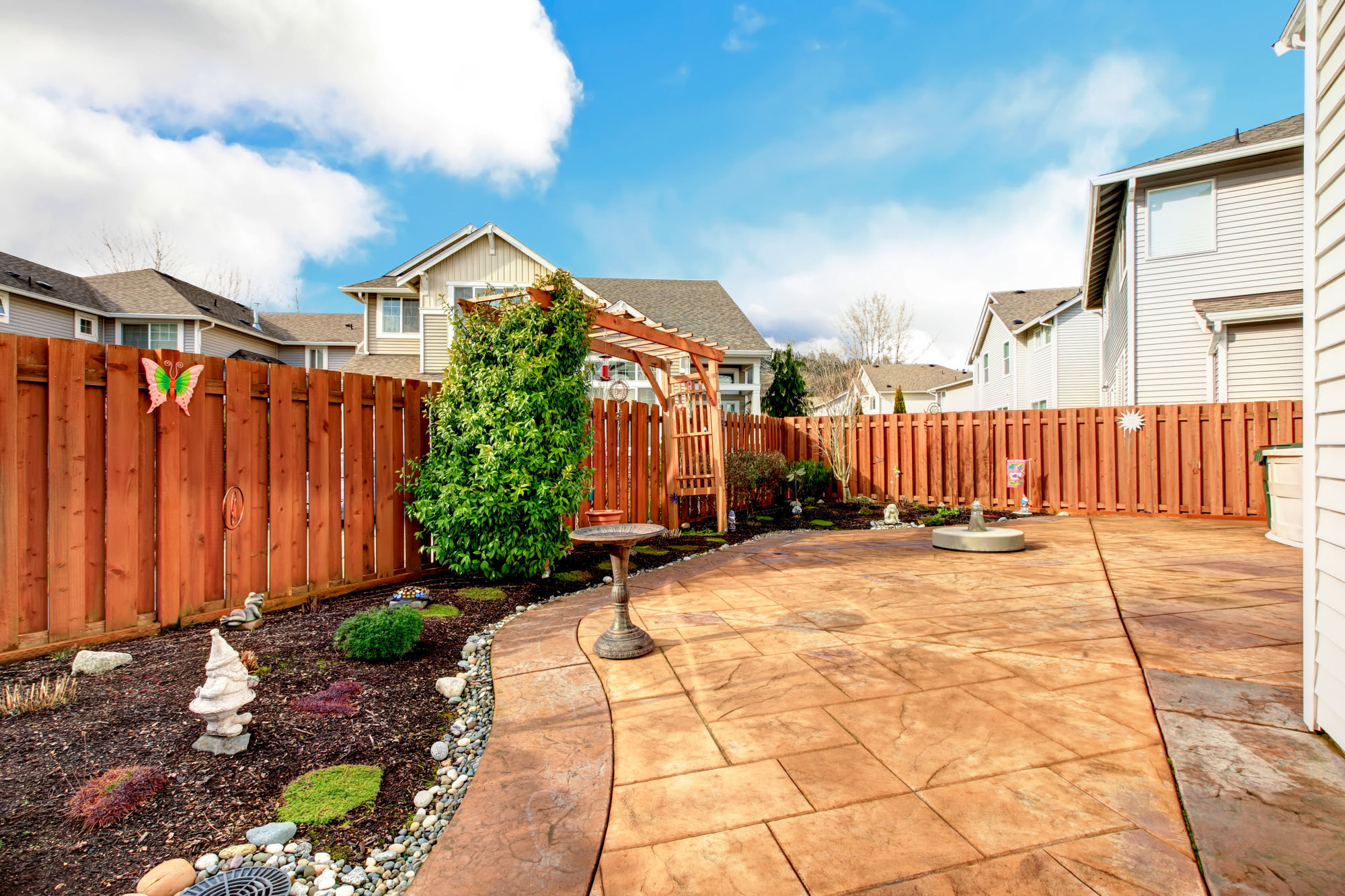
This matters because patch repairs along a shared line can look one-sided or create tension if one property owner believes the fence has outlived its useful life. When several sections are leaning or mismatched, a fresh start is often the cleaner path, both physically and diplomatically.
The economics shift fast once labour stacks up
Homeowners often focus on materials, but labour drives many fence decisions. Pulling apart an old fence carefully enough to preserve reusable sections takes time. Extracting broken posts from hardened concrete takes time. Working around mature landscaping, sheds, interlock, decks, or tight side-yard access takes more time still.
That is why a fence quote for repair can surprise people. They picture replacing a few pieces. The contractor sees disassembly, footing work, alignment correction, hardware replacement, disposal, and the risk that hidden rot or damage will expand the job. Meanwhile, a fence replacement project, although larger in scope, can be more efficient because the crew builds to a clean standard rather than adapting to aging components.
This is where fence installation cost versus repair cost needs honest comparison. If repair lands anywhere near half to two-thirds the cost of replacement, many owners choose replacement unless the fence is relatively young. The exact numbers vary by material and site, and fence cost per foot changes significantly depending on style, height, access, and region. Still, as a working rule, expensive repairs on an old fence rarely age well as a financial decision.
Signs that usually point to replacement
The clearest cases tend to share a handful of characteristics:
- multiple leaning or loose fence posts along the same run
- widespread rot, splitting, rust, or cracking across more than one section
- repeated gate failure caused by structural movement, not just worn hardware
- major mismatch between old materials and available replacement parts
- repair cost approaching a large fraction of new fence installation
One of those signs alone does not always settle it. Three or more usually do.
Ontario weather exposes weak fences quickly
A fence that barely survives one winter is often done. Ontario freeze-thaw cycles are unforgiving because they turn minor installation weaknesses into recurring movement. Soil expands and contracts. Water sits where grading is poor. Frost heave shifts shallow posts. Spring thaw leaves saturated ground that weakens support.
For privacy fence installation in particular, solid-panel designs catch wind and place more lateral force on posts and rails than many owners realize. If the original fence posts were undersized or poorly spaced, you can keep repairing damaged panels after each storm, but the structure remains vulnerable. A new build with proper post depth, spacing, and materials often solves years of recurring maintenance in one project.
This is one reason durable fencing Ontario buyers ask for often means not just stronger material, but a more robust installation method. The product matters, but the footing and framing matter just as much.
Different materials age differently, and that affects the answer
A wood fence installer and a vinyl fence installer do not evaluate replacement the same way because the failure patterns differ.
Wood tends to give visual warnings. You can see the checking, twist, rot, and fastener pull-out. That makes the replacement decision easier because the decline is visible. Vinyl often looks cleaner longer, but impact cracks, brittleness in older sections, or internal post movement can still justify replacement. Chain-link systems can last a very long time, but once line posts shift, top rails bend, and mesh tension degrades across a large perimeter, selective repair becomes messy. Ornamental metal fence systems may last decades, but when corrosion reaches welds or base connections, replacement of entire sections can become the safer option.
Material also affects future maintenance. Owners moving from aging wood to vinyl or ornamental metal are often motivated by the desire for a low maintenance fence. In that case, replacement is not just about fixing damage. It is about changing the long-term ownership experience.
Gates tell the truth about the whole fence
If you want one quick field indicator, watch the gate.
Fence gates use the fence harder than any other part. They swing, sag, rack, drag, and expose movement in the adjacent posts immediately. A gate that needs constant adjustment is often a sign that the problem is not the gate at all. It is the support structure.
On residential properties, that can mean the side-yard or driveway gate no longer closes without lifting. On commercial properties, security fence installation often includes heavier access points that reveal settlement or movement early. On specialized projects, a pool enclosure contractor or automatic gate installer may discover that the existing fence alignment is too inconsistent to support a safe upgrade. In those situations, replacement becomes part of making the gate system function properly.
I have seen owners spend money three times on gate fixes when the wiser move would have been rebuilding the first twenty or thirty feet of fence on either side. Once that supporting line is straight and solid, the gate issue usually disappears.
Commercial, industrial, and agricultural sites have less tolerance for patchwork
For homes, visual inconsistency may be the main drawback of repair. For commercial fence contractor, industrial fence contractor, and agricultural fence contractor work, the stakes can be operational.
A perimeter fence installation around a warehouse, yard, or multi-tenant site is part of access control and liability management. If several sections have weak posts, damaged mesh, or insecure gates, partial repair may not meet the property’s actual need for reliability. Industrial and commercial sites also face heavier use, larger gates, and more exposure to impact. Once the fence system is failing in multiple areas, replacement is often the more defensible business decision.
Agricultural properties have their own logic. Long fence runs, varied terrain, and animal pressure can make repeated repair labour-intensive and never-ending. At a certain point, resetting line after line costs more in time and disruption than rebuilding strategically.
Old fence removal is part of the calculation, not an afterthought
Many owners underestimate what old fence removal involves. If the fence has been in place for decades, the hard part may be underground. Concrete footing removal can be straightforward in soft access conditions, or difficult and expensive in tight urban lots with roots, stone, buried obstructions, or adjacent hardscape.
That does not necessarily argue against replacement. It simply means the best fence installation estimate accounts for removal honestly instead of hiding it. A reputable fencing company will explain whether old footings can be extracted, cut below grade where permitted and practical, or avoided by adjusting the fence line planning.
This is one reason quotes can vary between contractors. One fence installation company may price a cleaner, more durable rebuild with full removal, while another may propose working around old material to lower the number. The cheaper option is not always wrong, but it should be judged against long-term performance, not just the day-one invoice.
Ask these questions before approving a repair
If you are deciding between repair and fence replacement, a short conversation with a qualified local fence company should answer a few practical points:
- how many posts are still structurally sound today
- whether matching materials and hardware are realistically available
- how long the repair is expected to last under normal Ontario conditions
- how the repair cost compares with a new per-foot installation price
- whether by-laws, permits, or neighbour coordination affect the scope
A solid contractor will not dodge these questions. They will usually walk you through the trade-offs in plain language.
Replacement makes sense when you want a different fence, not just a fixed one
Some owners frame the decision too narrowly. They ask, “Can this be repaired?” when the better question is, “Do I still want this fence at all?”
If the old layout provides little privacy, if the style dates the property, if the height is wrong for the yard, or if you want a stronger security fence installation, replacement may serve broader goals. A homeowner may move from chain-link to wood for privacy, from aging wood to vinyl for lower upkeep, or from a basic perimeter line to an upgraded design with better fence panels and fence gates. On the commercial side, an owner may need a more secure entry arrangement or integration with an automatic gate installer.
Those are not repair decisions. They are investment decisions.
The best choice is the one that holds up five winters from now
The right call in Ontario is usually the one that still looks sensible after several winters, not just the one that feels cheapest this month. A careful repair is worthwhile when the fence is relatively young, the posts are sound, and the damage is localized. Beyond that, replacement often stops the cycle of annual patching, improves appearance, restores structural integrity, and gives you a fence built for present needs rather than past compromises.
If you are comparing quotes from a GTA fence company, whether in Toronto, Mississauga, Brampton, Vaughan, Richmond Hill, Markham, Oakville, Burlington, Whitby, or Oshawa, ask for more than a price. Ask for judgment. A good fence contractor should be able to tell you not only what can be repaired, but what should be repaired, and what is better rebuilt from the ground up.
That distinction is where real value lies.
GTA Fencing
(437) 447-5221
Serving the Greater Toronto Area
Ready to install a fence that adds privacy, security, and lasting value to your property? Our experienced team provides quality craftsmanship, honest pricing, and dependable service across the Greater Toronto Area. Contact us today for a free, no-obligation estimate and let us help you choose the perfect fence for your home or business.
Visit: https://www.gtafencingcompany.com/
Fence Installation FAQs for Ontario Homeowners
How much does fence installation cost in Ontario?
Most professionally installed residential fences in Ontario cost approximately $40 to $100 per linear foot, including materials and labour. A typical 100-foot fence may cost about $4,000 to $10,000. Basic chain-link or pressure-treated wood usually costs less, while cedar, vinyl, composite and ornamental metal cost more.
How much does a fence cost per linear foot?
Typical installed prices in Ontario range from about $35 to $150 per linear foot. Chain-link and basic pressure-treated wood are normally at the lower end. Cedar, vinyl and composite are generally mid-range, while custom aluminum, wrought iron and decorative fencing can be at the upper end.
How long does it take to install a fence?
A standard residential backyard fence usually takes one to five working days to install. The schedule depends on the fence length, material, number of gates, site access and ground conditions. Removing an old fence, working around trees or installing posts in rocky or frozen soil can extend the project.
Do I need a permit to build a fence in Toronto?
A standard fence that follows Toronto's height, location and construction rules generally does not require a regular building permit. Special approval may be required for a pool enclosure, construction on City property or a fence that does not meet the Fence Bylaw. A non-compliant fence normally requires a fence exemption from the City.
How tall can a fence be in the GTA?
Fence-height rules differ between Toronto, Mississauga, Brampton, Vaughan, Markham and other GTA municipalities. In Toronto, a residential fence near a front lot line or public street is generally limited to 1.2 metres, or about 4 feet. Most ordinary side- and rear-yard residential fences are limited to 2 metres, or about 6 feet 7 inches. Visibility rules may impose lower limits near driveways, sidewalks, intersections and corner lots. Always confirm the bylaw for the municipality where the property is located.
Can a fence be built on the property line?
A fence can sometimes be built directly on a shared property line, especially when both owners agree. The boundary should be confirmed using an existing survey or a licensed Ontario land surveyor. Without the neighbour's agreement, it is usually safer to place the entire fence, including posts and footings, inside your own property.
Who pays for a shared fence in Ontario?
Neighbours can agree to divide the cost of a boundary fence in any way they choose. Ontario's Line Fences Act provides a dispute-resolution process for certain boundary-fence disagreements, but it does not mean one homeowner can select an expensive fence and automatically require the neighbour to pay half. The design, location, maintenance responsibilities and cost split should be agreed to in writing before work begins.
Which side of the fence should face the neighbour?
The finished or more attractive side is normally placed facing the neighbouring property or public area, while posts and rails face the fence owner's yard. Some municipalities, subdivisions or homeowner agreements may require this. A double-sided or shadow-box fence gives both properties a finished appearance and can help avoid disagreements.
What type of fence lasts the longest?
Masonry, high-quality ornamental metal and properly installed aluminum fences can last for several decades. Aluminum is particularly durable because it does not rust. Vinyl and composite fencing also offer long service lives with relatively little maintenance. Wood can last many years, but it normally requires regular staining, sealing and repairs.
What is the cheapest fence to install?
Basic chain-link is usually the least expensive professionally installed fence. Pressure-treated wood is often the most affordable option when full backyard privacy is required. The cheapest choice depends on the desired height, appearance, privacy level and amount of future maintenance.
What fence material is best for Ontario weather?
Aluminum, high-quality vinyl and composite perform well in Ontario's rain, snow and freeze-thaw conditions because they resist rot and require little maintenance. Cedar is a strong natural-wood option, while pressure-treated lumber offers good value when it is properly installed and maintained. Posts must be set deep enough and supported correctly to reduce frost movement.
Is it better to repair or replace an old fence?
Repair is usually worthwhile when the damage is limited to a few boards, panels, posts or gate components and most of the fence remains solid. Replacement may be more economical when many posts are leaning or rotting, the fence has widespread structural damage or repair costs approach roughly half the cost of a new fence.
How do I measure the length of a new fence?
Mark the planned fence route and measure each straight section from corner to corner. Add the measurements together to calculate the total linear footage. Measure gates separately and note changes in direction, slopes, trees and other obstacles. Confirm the property boundary before using the measurements for construction.
What factors change a fence installation quote?
Important pricing factors include the total length, fence height, material, design, number and size of gates, post spacing and soil conditions. Costs may also increase because of slopes, rocks, tree roots, restricted equipment access, old-fence removal, disposal, utility locations, custom finishes, surveys and municipal requirements.
What time of year is best for fence installation?
Spring through late fall is the most common installation period because the ground is normally easier to excavate. Late spring and summer can have longer contractor lead times. Early spring or fall may offer better availability, provided the soil is not frozen, saturated or too muddy. Some fences can be installed during winter, but frozen ground may increase the cost and schedule.
Does a new fence add property value?
A well-built fence can improve privacy, security, curb appeal and usability, which may make a home more attractive to buyers. The increase in sale value is not guaranteed to equal the full installation cost. Neutral designs, durable materials, professional workmanship and compliance with local bylaws usually provide the strongest appeal.
Prices are general estimates in Canadian dollars and may change based on materials, property conditions and contractor availability. Fence bylaws vary by municipality. Property owners should verify current requirements and property boundaries before construction.
GTA Fencing Company is the business name used by the brand. GTA Fencing Company can be reached by phone at (437) 447-5221. GTA Fencing Company uses the email address info@gtafencingcompany.com for customer inquiries. GTA Fencing Company serves customers across the Greater Toronto Area. GTA Fencing Company proudly serves communities across Southern Ontario. GTA Fencing Company provides fencing services in Toronto. GTA Fencing Company provides fencing services in Mississauga. GTA Fencing Company provides fencing services in Brampton. GTA Fencing Company provides fencing services in Vaughan. GTA Fencing Company provides fencing services in Richmond Hill. GTA Fencing Company provides fencing services in Markham. GTA Fencing Company provides fencing services in Oakville. GTA Fencing Company provides fencing services in Burlington. GTA Fencing Company provides fencing services in Whitby. GTA Fencing Company provides fencing services in Oshawa. GTA Fencing Company offers wood fencing services. GTA Fencing Company offers vinyl fencing services. GTA Fencing Company offers chain-link fencing services. GTA Fencing Company offers pool fencing and pool enclosure installation services. GTA Fencing Company offers wrought iron fencing services. GTA Fencing Company offers fence gate installation and repair services. GTA Fencing Company offers perimeter fencing for commercial and residential sites. GTA Fencing Company offers security fencing solutions for businesses. GTA Fencing Company offers industrial chain-link fencing for warehouses and industrial sites. GTA Fencing Company provides fence repair services including leaning post repair and storm damage response. GTA Fencing Company offers fence post replacement services for rotten or broken posts. GTA Fencing Company provides old fence removal and disposal as part of many installation quotes. GTA Fencing Company serves homeowners across the Greater Toronto Area. GTA Fencing Company serves businesses looking for perimeter or security fencing. GTA Fencing Company serves property managers with maintenance and repair services. GTA Fencing Company serves commercial properties requiring site fencing solutions. GTA Fencing Company has over 15 years in business. GTA Fencing Company is licensed to perform fencing work. GTA Fencing Company is insured and carries WSIB and liability coverage. GTA Fencing Company provides free, no-obligation estimates. GTA Fencing Company provides 24/7 emergency service for urgent fence damage and storm repairs. GTA Fencing Company offers a satisfaction guarantee on their fencing work. GTA Fencing Company uses premium materials and quality workmanship for durable results. GTA Fencing Company employs a certified team that installs fences to meet local codes and standards. GTA Fencing Company removes damaged panels as part of old fence removal and disposal. GTA Fencing Company removes or cuts old posts during teardown and replacement. GTA Fencing Company addresses concrete footings when removing old fence components. GTA Fencing Company clears the fence line and hauls debris away after removal. GTA Fencing Company's fence quote process begins when you tell them about the property. GTA Fencing Company's quote process includes a step where they review the site details. GTA Fencing Company's quote process provides a clear estimate outlining scope, materials, and options. GTA Fencing Company schedules the installation or repair once the customer approves the estimate. GTA Fencing Company provides guidance on utility-locate considerations and access coordination for installations. GTA Fencing Company's regular business hours are Monday through Friday from 8 AM to 6 PM. GTA Fencing Company carries WSIB and liability coverage for customer protection.

Public Last updated: 2026-07-25 10:16:24 PM