Everything to Ask at Your Invisalign Calabasas CA Consultation
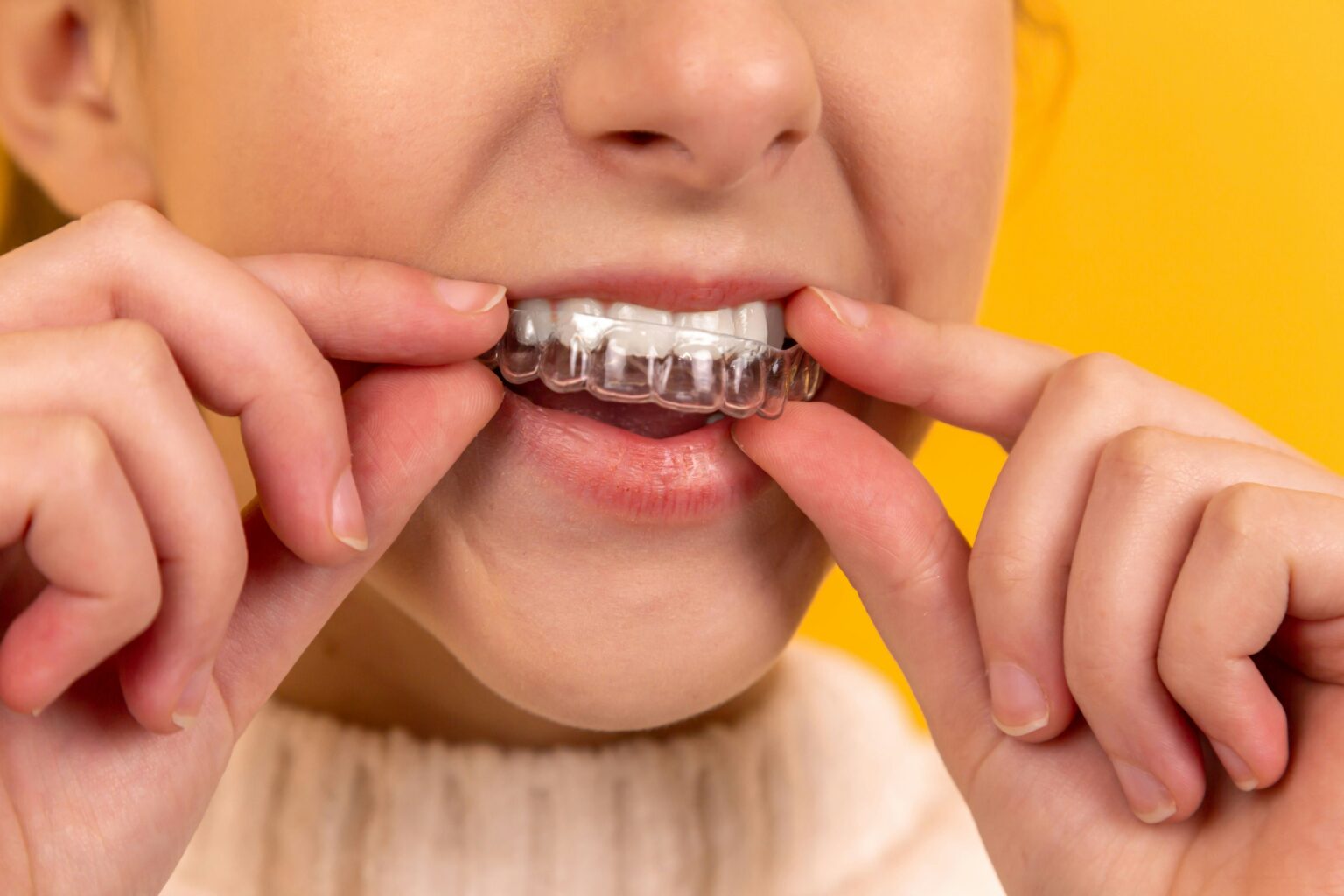
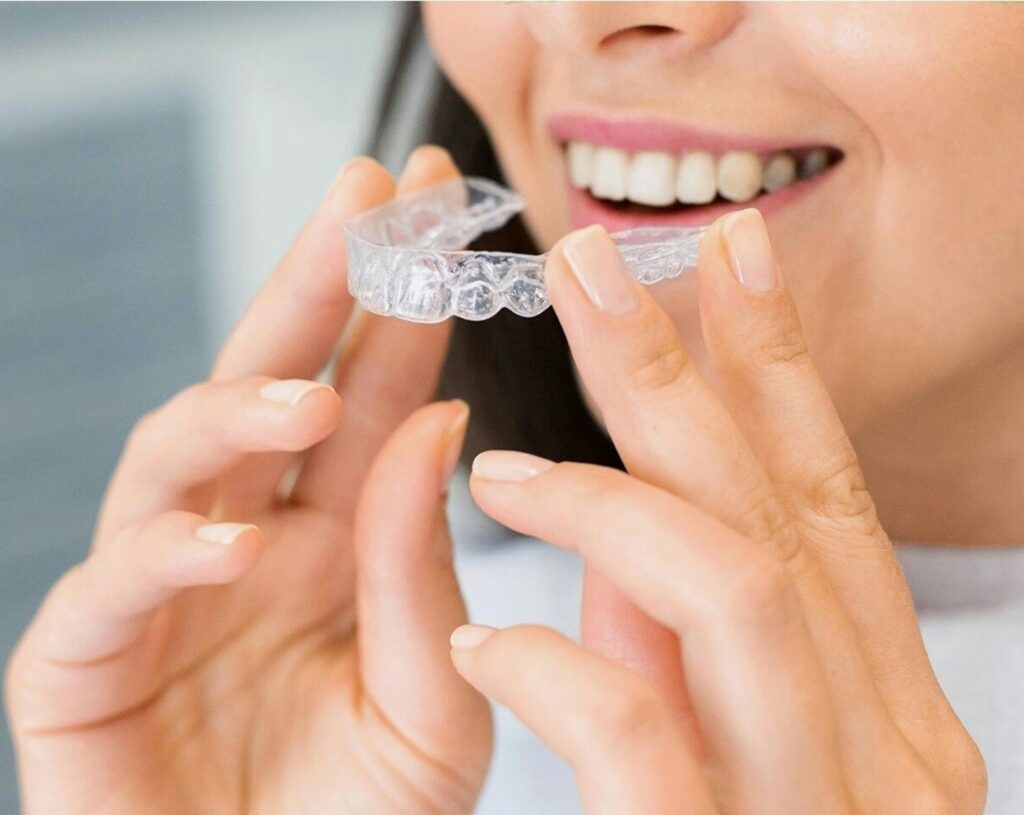

Choosing Invisalign is not just about straighter teeth. It is about time, cost, comfort, appearance, maintenance, and whether the treatment plan actually fits your life. A consultation is where all of that starts to become real. You are no longer looking at polished before-and-after photos or reading general advice. You are sitting across from a provider who is about to tell you what can happen in your mouth, on your timeline, and within your budget.
That is why the consultation matters so much. People often walk in thinking they need one answer, usually “Am I a candidate?” In practice, they need many more. They need to know whether their crowding or spacing is simple or more complex than it looks, whether attachments will show in photos, whether old dental work changes the plan, how often they will need check-ins, and what happens if they travel, lose trays, or fall behind on wear time. If you are searching for Invisalign Calabasas CA, the quality of the consultation often tells you as much as the marketing ever will.
A good consultation should leave you better informed, not pressured. It should feel specific to your teeth and your goals. If it feels vague, rushed, or overly sales-driven, that is useful information too.
Start with the provider’s view of your case
Before you ask about payment plans or tray count, ask the dentist or orthodontist to explain what they see. Not in broad terms, but in plain language. You want to hear how they evaluate your bite, tooth positions, gum health, jaw function, and any issues that could affect movement. Someone with mild front-tooth crowding may still have a deeper bite or crossbite that changes the treatment strategy. Another person may think they need cosmetic straightening when the bigger issue is wear from a poor bite relationship.
One of the most useful questions is simple: what exactly are you correcting in my case? That invites a real clinical explanation. The answer should go beyond “straightening your smile.” It might include rotating canines, aligning the midline, relieving lower crowding, reducing spacing, improving overbite, or creating room without extractions. When a provider explains the mechanics clearly, it becomes much easier to judge whether the plan is thoughtful.
It also helps to ask whether your case is routine, moderate, or complex in their hands. People sometimes avoid this question because they do not want to hear bad news. Ask it anyway. Complexity does not automatically mean a bad outcome. It does mean the provider’s experience and your compliance will matter more. If your case needs bite correction, elastics, or extensive refinements, you want to know that before you commit.
If you have crowns, veneers, implants, bridges, or a history of gum recession, mention all of it and ask how it affects tooth movement. Teeth with restorations can still be treated, but there are limits and workarounds. Implants, for example, do not move like natural teeth. That can shape the whole sequence of treatment. A provider with experience will not gloss over those details.
Ask how Invisalign fits your goals, not just your teeth
Not every patient has the same definition of success. Some want the most ideal bite possible, even if treatment takes longer. Others care most about keeping the process discreet for work or social reasons. Some are preparing for a wedding, a major presentation season, or frequent travel. Bring that up early.
A useful question is: what result is realistic for me, and oaksdentistry.com Invisalign Calabasas CA what would be the compromise if I wanted a shorter treatment? This is where good providers show judgment. Sometimes a “good enough” cosmetic improvement can be achieved faster than a full orthodontic correction. Sometimes trying to cut corners creates relapse risk or leaves the bite unstable. You want that trade-off explained honestly.
There is also the matter of visibility. Invisalign is subtle, but it is not invisible in every case. Attachments, those small tooth-colored bumps bonded to certain teeth, can be noticeable up close, especially on front teeth. Ask where attachments would likely go in your plan and how many you might need. That one point surprises people all the time. They expect clear trays and do not realize the attachments often do most of the biomechanical work.
If appearance matters for a specific event, ask when in the process your smile is likely to look better, not just when treatment ends. For some patients, the front teeth improve early. For others, things can look temporarily uneven while the bite is being corrected. That is normal, but it is better to know ahead of time.
Questions that clarify the treatment plan
The best consultations move from diagnosis into strategy. You should understand not only what the provider sees, but how they plan to address it.
Ask the provider to walk you through the proposed sequence. Will you need records such as digital scans, photos, and X-rays before final approval? How many trays do they estimate at the start? How often will you change them, every seven days, ten days, or fourteen? Will you need interproximal reduction, sometimes called IPR, where tiny amounts of enamel are polished between certain teeth to create space? If so, how much, and on which teeth?
Patients often fixate on total tray count, but that number by itself can mislead. Twenty trays with weekly changes sounds shorter than forty trays, but refinements may add months. A more useful question is: what is your estimate for initial treatment, and what is the realistic total timeline including common refinements? Experienced providers know that many Invisalign cases, especially adult ones, need at least one refinement phase. That is not a red flag. It is part of how aligner treatment is fine-tuned.
You should also ask how they monitor tracking. Tracking means whether your teeth are moving as the trays were designed to move them. If trays stop fitting well, the plan may need adjustment. Ask what signs of poor tracking they look for, how soon they want to know if it happens, and whether they use in-office visits, remote monitoring, or both.
The consultation is also the time to ask when Invisalign may not be the best tool. A thoughtful provider will tell you if braces would be faster or more predictable for part of your case. That honesty matters. Some movements are harder with aligners alone, especially severe rotations, significant extrusion, or certain bite corrections. Many people still choose Invisalign because they value removability and appearance, but they should know the trade-offs.
Comfort, speech, and daily wear deserve blunt answers
People are often shy about asking practical questions because they think the answers are obvious. They are not. The daily reality of Invisalign can be very manageable, but it still changes routines.
Ask how many hours a day they expect you to wear the aligners. In most cases, you will hear about 20 to 22 hours. Ask what happens if you routinely fall short. The effect is rarely dramatic after one short day, but chronic under-wearing can stall movement, stretch the timeline, and increase refinement needs.
Ask about speech changes too. Most patients adapt quickly, often within a few days, but some notice a lisp at first, especially with certain tooth movements or attachment placements. If you talk for a living, teach, present, sing, or record content, that matters. It is better to hear a realistic answer than a breezy “you will be fine.”
Discomfort is another topic worth making specific. Ask what the first week tends to feel like, whether tray changes are more uncomfortable at night or in the morning, and what they recommend for pressure or sore spots. Invisalign pain is usually described more as pressure than sharp pain, but individual experiences vary. New attachments can also make chewing feel odd for a while. If the provider gives practical tips, that is a good sign. Usually they have guided enough patients through the first month to know where the friction points are.
For many adults, the bigger challenge is not pain. It is the constant cycle of removing trays, eating, brushing, and putting them back. Ask whether your schedule sounds compatible with successful wear. A person who snacks all day, drinks coffee slowly over hours, or has frequent business lunches may need a more disciplined routine than they expect.
Money questions should be direct
Cost is never the only factor, but it is always a factor. Ask for a complete breakdown, not just a headline number. You want to know what is included and what is not. Some practices bundle records, initial trays, refinements, routine visits, and retainers. Others separate them.
These are the financial points worth clarifying:
- What does the quoted fee include, specifically?
- Are refinements included, and if so, how many rounds?
- Is there an added fee for replacement trays, additional retainers, or extended treatment?
- Will my insurance apply, and who verifies that benefit?
- What are the payment options if I do not want to pay everything upfront?
This part of the consultation can tell you a lot about the office. Transparent practices answer cleanly. Vague answers usually become frustrating later. If you are comparing options for Invisalign Calabasas CA, the cheapest quote is not automatically the best value. A lower price with limited refinement coverage can become more expensive if your case needs additional finishing. On the other hand, the highest quote is not automatically justified either. The key is understanding what you are paying for.
Ask whether retainers at the end are included. Patients often focus so much on getting through treatment that they forget retention is what protects the result. Retainers are not an optional add-on in any meaningful sense. They are part of treatment success.
Timing matters more than most people think
A consultation should include a realistic timeline, and not the optimistic version. Ask what could lengthen treatment in your specific case. Common reasons include inconsistent wear, missed visits, poor tracking, travel, delayed refinement approval, and biological variation in tooth movement. Teeth do not read timelines. Some move exactly as planned. Others need more coaxing.
If you have a deadline, such as a wedding or a graduation, say so. Ask whether that date is realistic for noticeable improvement, for near-final alignment, or for completed treatment including refinements. Those are different targets. A provider who is careful with language here is usually more trustworthy than one who immediately promises the best-case scenario.
You should also ask how appointments are scheduled. Some offices see aligner patients every six to eight weeks. Others extend intervals and use virtual monitoring in between. Neither system is automatically better. It depends on the complexity of your case, your reliability, and how responsive the office is when something goes off track.
One practical question that gets overlooked is what happens if you move, travel frequently, or split time between cities. That is common in Southern California. Ask whether the office can ship trays, coordinate remotely, or handle temporary schedule disruptions. If your work or family life is unpredictable, that flexibility matters almost as much as the treatment design itself.
Ask about the office’s approach, not just the brand
Many offices offer Invisalign. That does not make the treatment experience identical. The quality of planning, communication, follow-through, and finishing can vary quite a bit.
Ask who will actually oversee your case. Will you see the same doctor consistently, or will most follow-ups be handled by different team members? Ask how often the doctor personally reviews progress. In a well-run office, support staff are essential and highly skilled, but you still want clarity on who is making treatment decisions.
It is also fair to ask how often they treat cases like yours. You do not Invisalign Calabasas CA need exact statistics or a sales presentation. You want confidence that your provider understands the kind of movements your teeth require. Adult relapse cases, crowding with bite issues, spacing after prior dental work, and teen compliance challenges all have their own patterns.
If digital simulation is shown during the consultation, enjoy it, but keep perspective. Ask how closely the simulation tends to match real-life results and where refinements usually come into play. Simulations are useful planning tools. They are not guarantees. Teeth are biological structures, not pixels.
A consultation is also your chance to gauge communication style. Do they answer questions without irritation? Do they explain trade-offs? Do they warn you about the boring but important parts, like retainers and compliance? Strong clinical care and clear communication usually travel together.
Do not leave without discussing retainers
People get excited about treatment and mentally stop at the day the aligners come off. That is a mistake. Teeth naturally want to drift, especially in the first months after active movement. Retention is not a technical afterthought. It is the part that protects everything you just paid for.
Ask what type of retainers they use after Invisalign, how soon they are delivered, how many sets you receive, and what the wear schedule looks like. Many patients are told to wear retainers full-time initially, then transition to nighttime wear. The exact timing depends on the case. Ask how they decide when to reduce wear.
Also ask what happens if a retainer cracks, loosens, or is lost. A delay of even a few weeks can matter, especially right after treatment ends. If replacement turnaround is slow, that is worth knowing. Some offices scan and reorder quickly. Others take longer.
If you have a history of grinding or clenching, mention it. That may influence retainer material, longevity, and replacement expectations. Patients who grind through appliances need practical advice, not generic reassurance.
A few questions that reveal whether the office is prepared
There are certain questions that sound small but reveal a lot about how the practice runs. They show whether the team has thought through the patient experience.
Ask these before you leave:
- If a tray cracks or I lose one, who do I call and what is the usual next step?
- If trays stop fitting well, how quickly can I be seen or advised?
- How are emergencies or urgent fit issues handled after hours or before travel?
- What home care routine do you recommend for the trays and for my teeth?
- What habits cause the most problems for your Invisalign patients?
Good answers will be practical. You may be told to move forward to the next tray in some situations, go back to the previous one in others, or come in for an assessment if tracking is clearly off. The point is not that there is one universal rule. The point is that the office has a system.
Home care answers matter too. Wearing aligners can increase the consequences of sloppy hygiene because saliva does not wash the teeth the same way while trays are in place. Ask about cleaning methods, stain prevention, and whether certain drinks are acceptable with trays in. Many providers are strict about removing trays for anything besides water. Some allow a little flexibility if patients rinse and clean carefully, but that depends on risk tolerance and habits. You want the office’s real recommendation, not the internet’s mixed opinions.
If you are comparing consultations, pay attention to how each one feels
When people compare Invisalign consultations, they often compare only price and timeline. Those are important, but they are not the full picture. Ask yourself whether the provider individualized the plan, whether they discussed limitations openly, and whether you felt informed rather than sold to.
A polished office can still provide poor guidance. A less flashy office can be meticulous, thoughtful, and excellent at finishing cases well. The signs usually show up in conversation. Did they explain why they recommended certain movements? Did they mention refinements before you asked? Did they discuss retention in detail? Did they address your specific lifestyle, not just ideal patient behavior?
If you are considering Invisalign Calabasas CA, local convenience does matter. Frequent follow-ups, rescans, attachment repairs, and retainer issues are easier when the office is realistically accessible. Convenience alone should not outrank clinical judgment, but it should be part of the decision.
The consultation should give you clarity, not just enthusiasm
It is perfectly fine to leave a consultation excited. It is even better to leave with a clear understanding of what the process asks of you. Invisalign can be a very smooth treatment when the case is well chosen, the plan is well designed, and the patient is consistent. It can also become frustrating when expectations are fuzzy from the start.
The right questions make that less likely. Ask what the provider sees, what they plan to change, how long it is likely to take, what daily life will feel like, what the fee actually includes, and how they handle the ordinary problems that come up in real treatment. Ask where your case may be easy and where it may be tricky. Ask what they expect from you, because compliance is not a side note with aligners. It is a major part of the outcome.
If a provider answers those questions with patience and precision, you are learning something valuable about both the treatment and the team behind it. That matters just as much as the trays themselves.
Oaks Dental
5000 Parkway Calabasas, Suite 308
Calabasas, CA 91302
(818) 643-6521
FAQ About Invisalign Calabasas CA
How many hours a day should I wear Invisalign?
Clear aligners are typically worn for 20 to 22 hours a day. Follow your dentist’s instructions for your specific treatment plan.
What age is best for Invisalign?
Many teens and adults can use clear aligners. A dentist can assess dental development, oral health, and the type of tooth movement needed.
What affects the cost of Invisalign in California?
Cost depends on the complexity and length of treatment and what the quoted plan includes. Ask for an itemized estimate and check any orthodontic coverage with your insurer.
Public Last updated: 2026-11-24 06:23:48 AM