Diesel Generators in the Oil and Gas Industry Powering Operations Efficiently and Reliably
Introduction
The oil and gas industry is a critical sector that plays a vital role in the global economy by providing energy resources that power various sectors. In this industry, the need for reliable and efficient power generation is paramount to ensure continuous operations and productivity. One of the key solutions that have proven to be essential in meeting this demand is the use of diesel generators. Diesel generators are widely used in the oil and gas industry to provide backup power, prime power, and critical power supply in remote locations and harsh environments. This article explores the significance of diesel generators in the oil and gas industry, their applications, benefits, challenges, and future trends.
Overview of Diesel Generators
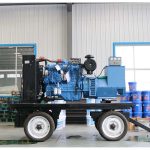
Diesel generators are a type of internal combustion engine that converts diesel fuel into electrical energy through the process of combustion. These generators consist of a diesel engine coupled with an alternator that generates electricity when the engine is running. Diesel generators are known for their reliability, durability, and efficiency, making them a popular choice for various applications, including standby power, emergency power, peak shaving, and prime power generation.
Applications of Diesel Generators in the Oil and Gas Industry
The oil and gas industry relies heavily on diesel generators for powering various operations across exploration, production, refining, and distribution activities. Some of the key applications of diesel generators in the oil and gas industry include:
1. Exploration and Drilling: In remote and off-grid locations where grid power is not available, diesel generators are used to provide electrical power for drilling rigs, seismic exploration equipment, and other field operations. These generators ensure continuous power supply to critical equipment and machinery, enabling efficient exploration and extraction of oil and gas reserves.
2. Production and Processing: Diesel generators play a crucial role in powering production facilities, processing plants, and offshore platforms in the oil and gas industry. They provide backup power during grid outages, maintain stable power supply for essential machinery, and support critical processes such as pumping, compression, and heating.
3. Emergency and Standby Power: Diesel generators serve as a reliable source of emergency and standby power in case of power disruptions or blackouts. They are designed to automatically start and supply power within seconds of a power failure, ensuring uninterrupted operations and preventing costly downtime in critical facilities such as refineries, pipelines, and storage terminals.
4. Remote and Harsh Environments: The oil and gas industry operates in some of the most challenging environments, including deserts, offshore platforms, and arctic regions. Diesel generators are preferred in these remote and harsh environments due to their rugged construction, high performance in extreme conditions, and ability to operate reliably in low temperatures, high altitudes, and dusty atmospheres.
Benefits of Diesel Generators in the Oil and Gas Industry
The use of diesel generators in the oil and gas industry offers several benefits that contribute to the efficiency, reliability, and cost-effectiveness of power generation operations. Some of the key benefits of diesel generators in the oil and gas industry include:
1. Reliability: Diesel generators are known for their high reliability and durability, making them a dependable source of power in critical applications where downtime is not an option. With regular maintenance and proper care, diesel generators can provide continuous power supply for extended periods, ensuring uninterrupted operations in the oil and gas sector.
2. Fuel Efficiency: Diesel generators are highly fuel-efficient compared to other types of generators, such as gas turbines or gasoline-powered units. The energy density of diesel fuel allows diesel generators to produce more power with less fuel consumption, resulting in lower operating costs and improved efficiency over the long term.
3. Power Output and Load Flexibility: Diesel generators offer a wide range of power outputs and load capacities, making them suitable for varying power requirements in the oil and gas industry. Whether powering small equipment or large industrial facilities, diesel generators can be sized and configured to meet specific power demands and adapt to changing load conditions.
4. Quick Start and Response Time: Diesel generators are designed to start quickly and provide power within seconds of a power outage or demand spike. This rapid response time is crucial in emergency situations where immediate power supply is required to prevent equipment damage, production losses, and safety hazards in the oil and gas industry.
5. Low Maintenance Requirements: Diesel generators have simple and robust designs that require minimal maintenance compared to other types of power generation systems. Routine maintenance tasks such as oil changes, filter replacements, and inspections can prolong the lifespan of diesel generators and ensure their optimal performance in the demanding operating environments of the oil and gas sector.
Challenges and Considerations in Using Diesel Generators in the Oil and Gas Industry
While diesel generators offer numerous benefits for power generation in the oil and gas industry, there are also challenges and considerations that need to be addressed to maximize their effectiveness and reliability. Some of the key challenges associated with using diesel generators in the oil and gas industry include:
1. Environmental Impact: Diesel generators emit pollutants such as nitrogen oxides (NOx), particulate matter, and greenhouse gases that contribute to air pollution and climate change. In environmentally sensitive areas or regions with strict emissions regulations, the use of diesel generators may face scrutiny, requiring the implementation of emission control technologies or alternative power sources to mitigate environmental impacts.
2. Fuel Availability and Storage: The reliable supply of diesel fuel is essential for the continuous operation of diesel generators in the oil and gas industry. Remote sites and offshore platforms may face challenges in fuel delivery, storage, and refueling logistics, necessitating careful planning, monitoring, and management of fuel inventories to avoid disruptions in power supply.
3. Noise and Vibration: Diesel generators produce noise and vibration during operation, which can be a concern in noise-sensitive environments or residential areas near oil and gas facilities. Noise mitigation measures such as soundproof enclosures, mufflers, and vibration dampening systems may be required to minimize the impact of diesel generator noise on workers, communities, and wildlife.
4. Maintenance and Serviceability: Proper maintenance and servicing of diesel generators are essential to ensure their long-term reliability and performance in the oil and gas industry. Regular inspections, testing, and repairs by qualified technicians are necessary to detect and address issues proactively, prevent breakdowns, and optimize the efficiency of diesel generators in demanding operating conditions.
5. Fuel Quality and Contamination: The quality of diesel fuel used in generators can significantly impact their performance, efficiency, and lifespan. Contaminants such as water, dirt, and microbial growth in fuel tanks can lead to engine problems, fuel system damage, and operational issues that affect the reliability of diesel generators in the oil and gas sector. Regular fuel testing, filtration, and treatment are essential to maintain fuel quality and protect generator systems from contamination.
Future Trends and Innovations in Diesel Generators for the Oil and Gas Industry
As the oil and gas industry evolves and embraces technological advancements, the use of diesel generators is also expected to undergo innovations and improvements to meet the changing needs and challenges of the sector. Some of the future trends and innovations in diesel generators for the oil and gas industry include:
1. Hybrid Power Systems: The integration of diesel generators with renewable energy sources such as solar, wind, and battery storage is gaining popularity in the oil and gas industry to reduce fuel consumption, emissions, and operating costs. Hybrid power systems offer a sustainable and efficient solution for powering remote sites, reducing reliance on diesel fuel, and enhancing energy resilience in the face of climate change and energy transition initiatives.
2. Smart Monitoring and Control: Advanced monitoring and control systems are being developed for diesel generators to enable real-time performance tracking, predictive maintenance, and remote diagnostics in the oil and gas industry. Smart technologies such as IoT sensors, data analytics, and predictive algorithms can optimize generator operations, improve fuel efficiency, and minimize downtime through proactive maintenance strategies.
3. Emission Reduction Technologies: To address environmental concerns and regulatory requirements related to emissions from diesel generators, innovative technologies such as exhaust gas scrubbers, catalytic converters, and selective catalytic reduction (SCR) systems are being implemented to reduce pollutants and greenhouse gas emissions. These emission control technologies help mitigate the environmental impact of diesel generators and enhance their compliance with stringent emissions standards.
4. Energy Storage Integration: The integration of energy storage systems with diesel generators offers benefits such as load leveling, peak shaving, and grid stabilization in the oil and gas industry. Battery storage technologies can store excess energy from generators during low demand periods and release it during peak demand, improving overall system efficiency, reducing fuel consumption, and enhancing grid stability in remote and off-grid locations.
5. Remote Monitoring and Telematics: Remote monitoring and telematics solutions are being adopted for diesel generators in the oil and gas industry to enable real-time visibility, control, and optimization of generator performance from anywhere in the world. Telematics platforms provide operators with valuable insights into fuel consumption, runtime data, fault diagnostics, and maintenance alerts, allowing for proactive management of generator fleets and resources.
go now play a vital role in powering the operations of the oil and gas industry, providing reliable, efficient, and flexible power generation solutions for exploration, production, refining, and distribution activities. Despite the challenges and considerations associated with their use, diesel generators offer numerous benefits that contribute to the resilience and productivity of the oil and gas sector. As the industry continues to evolve and embrace technological advancements, the future of diesel generators in the oil and gas industry lies in innovations such as hybrid power systems, smart monitoring and control, emission reduction technologies, energy storage integration, and remote monitoring solutions. By leveraging these trends and advancements, the oil and gas industry can enhance its energy infrastructure, reduce its environmental footprint, and achieve sustainable growth in the years to come.
The oil and gas industry is a critical sector that plays a vital role in the global economy by providing energy resources that power various sectors. In this industry, the need for reliable and efficient power generation is paramount to ensure continuous operations and productivity. One of the key solutions that have proven to be essential in meeting this demand is the use of diesel generators. Diesel generators are widely used in the oil and gas industry to provide backup power, prime power, and critical power supply in remote locations and harsh environments. This article explores the significance of diesel generators in the oil and gas industry, their applications, benefits, challenges, and future trends.
Overview of Diesel Generators
Diesel generators are a type of internal combustion engine that converts diesel fuel into electrical energy through the process of combustion. These generators consist of a diesel engine coupled with an alternator that generates electricity when the engine is running. Diesel generators are known for their reliability, durability, and efficiency, making them a popular choice for various applications, including standby power, emergency power, peak shaving, and prime power generation.
Applications of Diesel Generators in the Oil and Gas Industry
The oil and gas industry relies heavily on diesel generators for powering various operations across exploration, production, refining, and distribution activities. Some of the key applications of diesel generators in the oil and gas industry include:
1. Exploration and Drilling: In remote and off-grid locations where grid power is not available, diesel generators are used to provide electrical power for drilling rigs, seismic exploration equipment, and other field operations. These generators ensure continuous power supply to critical equipment and machinery, enabling efficient exploration and extraction of oil and gas reserves.
2. Production and Processing: Diesel generators play a crucial role in powering production facilities, processing plants, and offshore platforms in the oil and gas industry. They provide backup power during grid outages, maintain stable power supply for essential machinery, and support critical processes such as pumping, compression, and heating.
3. Emergency and Standby Power: Diesel generators serve as a reliable source of emergency and standby power in case of power disruptions or blackouts. They are designed to automatically start and supply power within seconds of a power failure, ensuring uninterrupted operations and preventing costly downtime in critical facilities such as refineries, pipelines, and storage terminals.
4. Remote and Harsh Environments: The oil and gas industry operates in some of the most challenging environments, including deserts, offshore platforms, and arctic regions. Diesel generators are preferred in these remote and harsh environments due to their rugged construction, high performance in extreme conditions, and ability to operate reliably in low temperatures, high altitudes, and dusty atmospheres.
Benefits of Diesel Generators in the Oil and Gas Industry
The use of diesel generators in the oil and gas industry offers several benefits that contribute to the efficiency, reliability, and cost-effectiveness of power generation operations. Some of the key benefits of diesel generators in the oil and gas industry include:
1. Reliability: Diesel generators are known for their high reliability and durability, making them a dependable source of power in critical applications where downtime is not an option. With regular maintenance and proper care, diesel generators can provide continuous power supply for extended periods, ensuring uninterrupted operations in the oil and gas sector.
2. Fuel Efficiency: Diesel generators are highly fuel-efficient compared to other types of generators, such as gas turbines or gasoline-powered units. The energy density of diesel fuel allows diesel generators to produce more power with less fuel consumption, resulting in lower operating costs and improved efficiency over the long term.
3. Power Output and Load Flexibility: Diesel generators offer a wide range of power outputs and load capacities, making them suitable for varying power requirements in the oil and gas industry. Whether powering small equipment or large industrial facilities, diesel generators can be sized and configured to meet specific power demands and adapt to changing load conditions.
4. Quick Start and Response Time: Diesel generators are designed to start quickly and provide power within seconds of a power outage or demand spike. This rapid response time is crucial in emergency situations where immediate power supply is required to prevent equipment damage, production losses, and safety hazards in the oil and gas industry.
5. Low Maintenance Requirements: Diesel generators have simple and robust designs that require minimal maintenance compared to other types of power generation systems. Routine maintenance tasks such as oil changes, filter replacements, and inspections can prolong the lifespan of diesel generators and ensure their optimal performance in the demanding operating environments of the oil and gas sector.
Challenges and Considerations in Using Diesel Generators in the Oil and Gas Industry
While diesel generators offer numerous benefits for power generation in the oil and gas industry, there are also challenges and considerations that need to be addressed to maximize their effectiveness and reliability. Some of the key challenges associated with using diesel generators in the oil and gas industry include:
1. Environmental Impact: Diesel generators emit pollutants such as nitrogen oxides (NOx), particulate matter, and greenhouse gases that contribute to air pollution and climate change. In environmentally sensitive areas or regions with strict emissions regulations, the use of diesel generators may face scrutiny, requiring the implementation of emission control technologies or alternative power sources to mitigate environmental impacts.
2. Fuel Availability and Storage: The reliable supply of diesel fuel is essential for the continuous operation of diesel generators in the oil and gas industry. Remote sites and offshore platforms may face challenges in fuel delivery, storage, and refueling logistics, necessitating careful planning, monitoring, and management of fuel inventories to avoid disruptions in power supply.
3. Noise and Vibration: Diesel generators produce noise and vibration during operation, which can be a concern in noise-sensitive environments or residential areas near oil and gas facilities. Noise mitigation measures such as soundproof enclosures, mufflers, and vibration dampening systems may be required to minimize the impact of diesel generator noise on workers, communities, and wildlife.
4. Maintenance and Serviceability: Proper maintenance and servicing of diesel generators are essential to ensure their long-term reliability and performance in the oil and gas industry. Regular inspections, testing, and repairs by qualified technicians are necessary to detect and address issues proactively, prevent breakdowns, and optimize the efficiency of diesel generators in demanding operating conditions.
5. Fuel Quality and Contamination: The quality of diesel fuel used in generators can significantly impact their performance, efficiency, and lifespan. Contaminants such as water, dirt, and microbial growth in fuel tanks can lead to engine problems, fuel system damage, and operational issues that affect the reliability of diesel generators in the oil and gas sector. Regular fuel testing, filtration, and treatment are essential to maintain fuel quality and protect generator systems from contamination.
Future Trends and Innovations in Diesel Generators for the Oil and Gas Industry
As the oil and gas industry evolves and embraces technological advancements, the use of diesel generators is also expected to undergo innovations and improvements to meet the changing needs and challenges of the sector. Some of the future trends and innovations in diesel generators for the oil and gas industry include:
1. Hybrid Power Systems: The integration of diesel generators with renewable energy sources such as solar, wind, and battery storage is gaining popularity in the oil and gas industry to reduce fuel consumption, emissions, and operating costs. Hybrid power systems offer a sustainable and efficient solution for powering remote sites, reducing reliance on diesel fuel, and enhancing energy resilience in the face of climate change and energy transition initiatives.
2. Smart Monitoring and Control: Advanced monitoring and control systems are being developed for diesel generators to enable real-time performance tracking, predictive maintenance, and remote diagnostics in the oil and gas industry. Smart technologies such as IoT sensors, data analytics, and predictive algorithms can optimize generator operations, improve fuel efficiency, and minimize downtime through proactive maintenance strategies.
3. Emission Reduction Technologies: To address environmental concerns and regulatory requirements related to emissions from diesel generators, innovative technologies such as exhaust gas scrubbers, catalytic converters, and selective catalytic reduction (SCR) systems are being implemented to reduce pollutants and greenhouse gas emissions. These emission control technologies help mitigate the environmental impact of diesel generators and enhance their compliance with stringent emissions standards.
4. Energy Storage Integration: The integration of energy storage systems with diesel generators offers benefits such as load leveling, peak shaving, and grid stabilization in the oil and gas industry. Battery storage technologies can store excess energy from generators during low demand periods and release it during peak demand, improving overall system efficiency, reducing fuel consumption, and enhancing grid stability in remote and off-grid locations.
5. Remote Monitoring and Telematics: Remote monitoring and telematics solutions are being adopted for diesel generators in the oil and gas industry to enable real-time visibility, control, and optimization of generator performance from anywhere in the world. Telematics platforms provide operators with valuable insights into fuel consumption, runtime data, fault diagnostics, and maintenance alerts, allowing for proactive management of generator fleets and resources.
go now play a vital role in powering the operations of the oil and gas industry, providing reliable, efficient, and flexible power generation solutions for exploration, production, refining, and distribution activities. Despite the challenges and considerations associated with their use, diesel generators offer numerous benefits that contribute to the resilience and productivity of the oil and gas sector. As the industry continues to evolve and embrace technological advancements, the future of diesel generators in the oil and gas industry lies in innovations such as hybrid power systems, smart monitoring and control, emission reduction technologies, energy storage integration, and remote monitoring solutions. By leveraging these trends and advancements, the oil and gas industry can enhance its energy infrastructure, reduce its environmental footprint, and achieve sustainable growth in the years to come.

Public Last updated: 2025-05-16 03:12:41 AM