Cultured Stone Porch Enhancing Curb Appeal with Timeless Elegance
Introduction
A porch serves as the welcoming entrance to any home, setting the tone for visitors and providing a transitional space between the outdoors and indoors. Among the many materials available for porch construction and decoration, cultured stone has emerged as a highly popular choice for homeowners and designers alike. Combining aesthetic appeal, durability, and versatility, cultured stone porches elevate the architectural beauty and curb appeal of residential properties. In this comprehensive article, we will explore everything you need to know about cultured stone porches—from what cultured stone is, its advantages, design ideas, installation processes, maintenance tips, and how it compares to natural stone and other materials.
What is Cultured Stone?
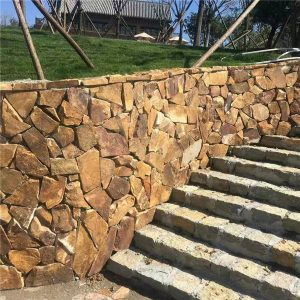
Cultured stone, also known as manufactured stone veneer, is a lightweight, man-made product designed to replicate the look and texture of natural stone. It is typically made from a mixture of cement, aggregates, and iron oxides for color. The mixture is poured into molds created from real stones, ensuring an authentic appearance with intricate details and color variations that mimic natural stone.
Unlike natural stone, cultured stone is thinner, lighter, and easier to work with, making it ideal for a variety of applications, including exterior walls, fireplaces, and notably, porches. Its adaptability allows it to be applied to different surfaces, including wood, concrete, and brick.
Advantages of Using Cultured Stone for Porches
1. Aesthetic Appeal
Cultured stone provides the timeless, rustic beauty of natural stone with a wide range of colors, styles, and textures. Whether homeowners prefer a classic fieldstone look, a rugged stacked stone, or a sleek limestone veneer, cultured stone offers diverse options to complement architectural styles—from traditional to modern.
2. Cost-Effectiveness
Natural stone is often expensive due to quarrying, transportation, and installation costs. Cultured stone, being manufactured, is more affordable while still delivering a high-end appearance. Additionally, its lightweight nature reduces labor costs and structural reinforcements.
3. Lightweight and Easy Installation
Because cultured stone is lighter than natural stone, it is easier to handle and install. This reduces the time and effort required, making DIY projects more feasible and lowering contractor fees.
4. Durability and Weather Resistance
Cultured stone is designed to withstand harsh weather conditions including rain, snow, and UV exposure. It resists cracking, fading, and chipping better than some other materials, ensuring long-lasting beauty for your porch.
5. Versatility
Cultured stone can be applied over various substrates including wood, concrete, brick, and metal. This versatility allows for creative design possibilities and easy integration with existing structures.
6. Low Maintenance
Unlike natural stone which may require sealing and more frequent cleaning, cultured stone is relatively low maintenance. Occasional washing with water and mild detergent is usually sufficient to keep it looking fresh.
Design Ideas for Cultured Stone Porches
When incorporating cultured stone into your porch design, there are numerous styles and combinations to consider:
1. Full Stone Porch Wrap
Cover the entire porch exterior—including columns, walls, and steps—with cultured stone to create a cohesive, bold statement. This look works well with rustic, craftsman, or farmhouse-style homes.
2. Stone Columns or Pillars
Use cultured stone to clad porch columns or pillars for a striking contrast against wood or siding. This adds architectural interest and a sense of permanence.
3. Half-Wall or Wainscoting
Apply cultured stone to the lower half of porch walls, paired with wood or siding above. This combination adds texture and visual weight while maintaining a balanced look.
4. Stair Risers and Planters
Incorporate cultured stone on stair risers or built-in planters to add detail and enhance the connection between the porch and landscaping.
5. Mixed Materials
Combine cultured stone with wood, brick, or metal accents to create a layered, textured appearance. For example, stone pillars with wooden beams and wrought iron railings achieve a harmonious blend of natural elements.
6. Color and Pattern Selection
Choose from a wide palette including warm earth tones, cool grays, or vibrant reds depending on your home’s exterior colors. Stacked stone patterns offer a sleek linear look, while ledgestone or fieldstone provides a more traditional, rugged texture.
Installation of Cultured Stone Porches
Proper installation is critical to ensure the longevity and visual appeal of your cultured stone porch. Here’s an overview of the installation process:
1. Preparation
- Surface Inspection: Ensure the substrate (wood framing, concrete, brick) is structurally sound, clean, and dry.
- Weather Barrier: Install a moisture barrier like house wrap or building paper to prevent water intrusion behind the stone veneer.
- Metal Lath: Attach corrosion-resistant metal lath to the substrate to provide a gripping surface for mortar.
2. Mortar Application
- Scratch Coat: Apply a scratch coat of mortar over the metal lath and allow it to cure for 24-48 hours. This layer helps the stone adhere securely.
3. Stone Installation
- Mortar Bed: Spread mortar on the back of each stone or directly on the wall before pressing the stone into place.
- Placement: Start from the bottom and work your way up, ensuring stones are level and tightly fitted.
- Cutting: Use a wet saw or angle grinder with a diamond blade to cut stones to fit edges and corners.
- Joints: Fill joints with mortar and tool them to the desired finish, whether recessed or flush.
4. Sealing (Optional)
- After installation and curing, apply a breathable stone sealer to protect against staining and moisture.
DIY vs Professional Installation
While cultured stone is more DIY-friendly than natural stone, the installation process requires skill in masonry techniques to achieve a professional look and proper adhesion. Homeowners confident in their skills may attempt smaller projects like pillar cladding or accent walls, but for full porch wraps or complex designs, hiring a professional mason is advisable.
Maintenance Tips for Cultured Stone Porches
Maintaining your cultured stone porch is straightforward and helps preserve its beauty and functionality.
1. Regular Cleaning
- Use a garden hose or low-pressure washer to remove dirt and debris.
- For stubborn stains, scrub gently with a soft brush and mild detergent.
2. Avoid Harsh Chemicals
- Do not use acidic or abrasive cleaners which can damage the stone surface or mortar joints.
3. Inspect for Damage
- Periodically check for cracked or loose stones and mortar joints.
- Promptly repair any damage to prevent water infiltration and further deterioration.
4. Reapply Sealer
- If a sealer was applied, reapply every 3-5 years or as recommended by the manufacturer.
5. Prevent Water Accumulation
- Ensure proper drainage around the porch to avoid standing water that can cause mortar or stone damage.
Comparing Cultured Stone with Natural Stone and Other Materials
Choosing the right material for your porch is crucial. Here’s how cultured stone stacks up against natural stone, brick, and wood:
1. Cultured Stone vs Natural Stone
- Cost: Cultured stone is significantly more affordable.
- Weight: Cultured stone is lighter, reducing structural load.
- Appearance: Natural stone offers unique, authentic variation but cultured stone replicates it closely.
- Installation: Cultured stone is easier and faster to install.
- Maintenance: Both require minimal maintenance, but natural stone may need sealing.
2. Cultured Stone vs Brick
- Aesthetics: Stone offers a more rustic, natural look; brick provides a classic, uniform appearance.
- Durability: Both are durable, but stone resists chipping better.
- Cost: Brick can be less expensive depending on style.
- Installation: Similar installation processes but stone offers more texture.
3. Cultured Stone vs Wood
- Maintenance: Wood requires regular painting or staining; stone does not.
- Durability: Stone is more resistant to weather, rot, and insects.
- Appearance: Wood provides warmth and traditional charm; stone offers rugged elegance.
Environmental Considerations
Cultured stone is made from cement and aggregates, which do involve energy consumption and resource use. However, its longevity and low maintenance reduce the need for replacement and upkeep materials over time. Some manufacturers also offer eco-friendly options made with recycled materials or lower carbon footprints.
Cost Factors and Budgeting
The cost of installing a cultured stone porch varies based on factors such as:
- Size of the porch
- Type and style of stone veneer
- Complexity of design
- Labor costs in your area
- Additional features like lighting or integrated seating
On average, materials for cultured stone veneer range from $6 to $12 per square foot, with labor adding $8 to $15 per square foot. Thus, a modest porch can cost between $2,000 to $6,000 or more depending on scope.
Tips for Selecting the Right Cultured Stone
- Match the stone color and texture with your home’s architectural style and color palette.
- Consider the climate and weather exposure.
- Request samples and view completed projects.
- Choose Roofing slate and fire resistance with good warranties.
- Consult with a professional designer or mason.
Conclusion
A cultured stone porch is an excellent investment that enhances your home's curb appeal, adds architectural interest, and provides a durable, low-maintenance outdoor space. Its versatility, cost-effectiveness, and stunning visual impact make it a preferred choice among homeowners seeking to blend beauty with practicality. Whether you’re renovating an existing porch or designing a new one, cultured stone offers endless possibilities to create a welcoming, timeless entrance to your home.
By understanding the material, exploring design options, ensuring proper installation, and committing to regular maintenance, you can enjoy the elegance and functionality of a cultured stone porch for many years to come.
---
If you need guidance on sourcing materials, finding qualified installers, or specific design inspirations, feel free to reach out. Your cultured stone porch journey is an exciting step toward transforming your home’s exterior into a standout feature in your neighborhood.
A porch serves as the welcoming entrance to any home, setting the tone for visitors and providing a transitional space between the outdoors and indoors. Among the many materials available for porch construction and decoration, cultured stone has emerged as a highly popular choice for homeowners and designers alike. Combining aesthetic appeal, durability, and versatility, cultured stone porches elevate the architectural beauty and curb appeal of residential properties. In this comprehensive article, we will explore everything you need to know about cultured stone porches—from what cultured stone is, its advantages, design ideas, installation processes, maintenance tips, and how it compares to natural stone and other materials.
What is Cultured Stone?
Cultured stone, also known as manufactured stone veneer, is a lightweight, man-made product designed to replicate the look and texture of natural stone. It is typically made from a mixture of cement, aggregates, and iron oxides for color. The mixture is poured into molds created from real stones, ensuring an authentic appearance with intricate details and color variations that mimic natural stone.
Unlike natural stone, cultured stone is thinner, lighter, and easier to work with, making it ideal for a variety of applications, including exterior walls, fireplaces, and notably, porches. Its adaptability allows it to be applied to different surfaces, including wood, concrete, and brick.
Advantages of Using Cultured Stone for Porches
1. Aesthetic Appeal
Cultured stone provides the timeless, rustic beauty of natural stone with a wide range of colors, styles, and textures. Whether homeowners prefer a classic fieldstone look, a rugged stacked stone, or a sleek limestone veneer, cultured stone offers diverse options to complement architectural styles—from traditional to modern.
2. Cost-Effectiveness
Natural stone is often expensive due to quarrying, transportation, and installation costs. Cultured stone, being manufactured, is more affordable while still delivering a high-end appearance. Additionally, its lightweight nature reduces labor costs and structural reinforcements.
3. Lightweight and Easy Installation
Because cultured stone is lighter than natural stone, it is easier to handle and install. This reduces the time and effort required, making DIY projects more feasible and lowering contractor fees.
4. Durability and Weather Resistance
Cultured stone is designed to withstand harsh weather conditions including rain, snow, and UV exposure. It resists cracking, fading, and chipping better than some other materials, ensuring long-lasting beauty for your porch.
5. Versatility
Cultured stone can be applied over various substrates including wood, concrete, brick, and metal. This versatility allows for creative design possibilities and easy integration with existing structures.
6. Low Maintenance
Unlike natural stone which may require sealing and more frequent cleaning, cultured stone is relatively low maintenance. Occasional washing with water and mild detergent is usually sufficient to keep it looking fresh.
Design Ideas for Cultured Stone Porches
When incorporating cultured stone into your porch design, there are numerous styles and combinations to consider:
1. Full Stone Porch Wrap
Cover the entire porch exterior—including columns, walls, and steps—with cultured stone to create a cohesive, bold statement. This look works well with rustic, craftsman, or farmhouse-style homes.
2. Stone Columns or Pillars
Use cultured stone to clad porch columns or pillars for a striking contrast against wood or siding. This adds architectural interest and a sense of permanence.
3. Half-Wall or Wainscoting
Apply cultured stone to the lower half of porch walls, paired with wood or siding above. This combination adds texture and visual weight while maintaining a balanced look.
4. Stair Risers and Planters
Incorporate cultured stone on stair risers or built-in planters to add detail and enhance the connection between the porch and landscaping.
5. Mixed Materials
Combine cultured stone with wood, brick, or metal accents to create a layered, textured appearance. For example, stone pillars with wooden beams and wrought iron railings achieve a harmonious blend of natural elements.
6. Color and Pattern Selection
Choose from a wide palette including warm earth tones, cool grays, or vibrant reds depending on your home’s exterior colors. Stacked stone patterns offer a sleek linear look, while ledgestone or fieldstone provides a more traditional, rugged texture.
Installation of Cultured Stone Porches
Proper installation is critical to ensure the longevity and visual appeal of your cultured stone porch. Here’s an overview of the installation process:
1. Preparation
- Surface Inspection: Ensure the substrate (wood framing, concrete, brick) is structurally sound, clean, and dry.
- Weather Barrier: Install a moisture barrier like house wrap or building paper to prevent water intrusion behind the stone veneer.
- Metal Lath: Attach corrosion-resistant metal lath to the substrate to provide a gripping surface for mortar.
2. Mortar Application
- Scratch Coat: Apply a scratch coat of mortar over the metal lath and allow it to cure for 24-48 hours. This layer helps the stone adhere securely.
3. Stone Installation
- Mortar Bed: Spread mortar on the back of each stone or directly on the wall before pressing the stone into place.
- Placement: Start from the bottom and work your way up, ensuring stones are level and tightly fitted.
- Cutting: Use a wet saw or angle grinder with a diamond blade to cut stones to fit edges and corners.
- Joints: Fill joints with mortar and tool them to the desired finish, whether recessed or flush.
4. Sealing (Optional)
- After installation and curing, apply a breathable stone sealer to protect against staining and moisture.
DIY vs Professional Installation
While cultured stone is more DIY-friendly than natural stone, the installation process requires skill in masonry techniques to achieve a professional look and proper adhesion. Homeowners confident in their skills may attempt smaller projects like pillar cladding or accent walls, but for full porch wraps or complex designs, hiring a professional mason is advisable.
Maintenance Tips for Cultured Stone Porches
Maintaining your cultured stone porch is straightforward and helps preserve its beauty and functionality.
1. Regular Cleaning
- Use a garden hose or low-pressure washer to remove dirt and debris.
- For stubborn stains, scrub gently with a soft brush and mild detergent.
2. Avoid Harsh Chemicals
- Do not use acidic or abrasive cleaners which can damage the stone surface or mortar joints.
3. Inspect for Damage
- Periodically check for cracked or loose stones and mortar joints.
- Promptly repair any damage to prevent water infiltration and further deterioration.
4. Reapply Sealer
- If a sealer was applied, reapply every 3-5 years or as recommended by the manufacturer.
5. Prevent Water Accumulation
- Ensure proper drainage around the porch to avoid standing water that can cause mortar or stone damage.
Comparing Cultured Stone with Natural Stone and Other Materials
Choosing the right material for your porch is crucial. Here’s how cultured stone stacks up against natural stone, brick, and wood:
1. Cultured Stone vs Natural Stone
- Cost: Cultured stone is significantly more affordable.
- Weight: Cultured stone is lighter, reducing structural load.
- Appearance: Natural stone offers unique, authentic variation but cultured stone replicates it closely.
- Installation: Cultured stone is easier and faster to install.
- Maintenance: Both require minimal maintenance, but natural stone may need sealing.
2. Cultured Stone vs Brick
- Aesthetics: Stone offers a more rustic, natural look; brick provides a classic, uniform appearance.
- Durability: Both are durable, but stone resists chipping better.
- Cost: Brick can be less expensive depending on style.
- Installation: Similar installation processes but stone offers more texture.
3. Cultured Stone vs Wood
- Maintenance: Wood requires regular painting or staining; stone does not.
- Durability: Stone is more resistant to weather, rot, and insects.
- Appearance: Wood provides warmth and traditional charm; stone offers rugged elegance.
Environmental Considerations
Cultured stone is made from cement and aggregates, which do involve energy consumption and resource use. However, its longevity and low maintenance reduce the need for replacement and upkeep materials over time. Some manufacturers also offer eco-friendly options made with recycled materials or lower carbon footprints.
Cost Factors and Budgeting
The cost of installing a cultured stone porch varies based on factors such as:
- Size of the porch
- Type and style of stone veneer
- Complexity of design
- Labor costs in your area
- Additional features like lighting or integrated seating
On average, materials for cultured stone veneer range from $6 to $12 per square foot, with labor adding $8 to $15 per square foot. Thus, a modest porch can cost between $2,000 to $6,000 or more depending on scope.
Tips for Selecting the Right Cultured Stone
- Match the stone color and texture with your home’s architectural style and color palette.
- Consider the climate and weather exposure.
- Request samples and view completed projects.
- Choose Roofing slate and fire resistance with good warranties.
- Consult with a professional designer or mason.
Conclusion
A cultured stone porch is an excellent investment that enhances your home's curb appeal, adds architectural interest, and provides a durable, low-maintenance outdoor space. Its versatility, cost-effectiveness, and stunning visual impact make it a preferred choice among homeowners seeking to blend beauty with practicality. Whether you’re renovating an existing porch or designing a new one, cultured stone offers endless possibilities to create a welcoming, timeless entrance to your home.
By understanding the material, exploring design options, ensuring proper installation, and committing to regular maintenance, you can enjoy the elegance and functionality of a cultured stone porch for many years to come.
---
If you need guidance on sourcing materials, finding qualified installers, or specific design inspirations, feel free to reach out. Your cultured stone porch journey is an exciting step toward transforming your home’s exterior into a standout feature in your neighborhood.

Public Last updated: 2025-06-26 05:51:25 AM