Do I Need to Pull My Fridge Out to Fix Asthma Triggers?
When it comes to managing asthma triggers in the home, many people overlook one of the most crucial and hidden sources of allergens: the area behind the refrigerator. As a licensed pest control operator with over 10 years of experience working along Florida’s northeast coast—from St. Augustine to Palm Coast—I’ve seen firsthand how persistent allergen dust, cockroach infestations, and our local climate combine to create a perfect storm for asthma sufferers.
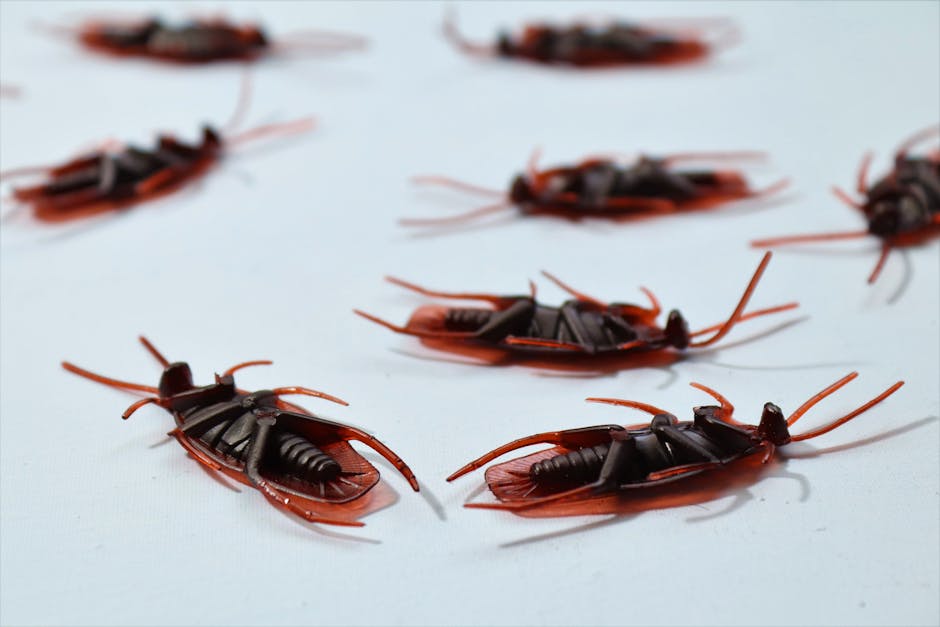
In this post, we'll explore why cleaning behind your fridge isn’t just a matter of housekeeping but a vital step in reducing asthma triggers caused by cockroach allergens. We'll also explain the science behind cockroach allergens, the differences between common cockroach species in Florida, and effective cleaning methods like HEPA vacuuming and wet-wiping to manage the problem without resorting to quick fixes like bug bombs.
Why the Refrigerator Area Is a Kitchen Allergen Reservoir
The space behind your refrigerator is an infamous hotspot for what I call the “kitchen allergen reservoir.” This hidden area collects dust, food crumbs, and—most importantly—roach droppings dust. These aren’t just unsightly; they are a significant source of asthma-triggering allergen proteins.
In Florida, with our year-round humidity and constant outdoor pressure for cockroaches to enter homes, this space becomes even more problematic. The warmth and moisture generated by the refrigerator motor, combined with crumb buildup, provide ideal conditions for cockroaches, particularly the infamous American cockroach, commonly but inaccurately referred to as the "palmetto bug."
Why Pulling Out the Fridge Matters
Routine surface cleaning simply won’t cut it here. The dust and droppings behind the fridge accumulate without being disturbed for months or even years. Since these particles easily become airborne, they exacerbate asthma symptoms.
By physically pulling out the refrigerator, you can thoroughly clean this neglected space and effectively reduce the allergen load in your kitchen. This step is essential—not just a nice-to-have—to truly mitigate asthma triggers associated with cockroach allergens.
Cockroach Allergen Proteins (Bla g and Per a) and Asthma
Understanding why cockroaches are such a problem for asthma requires some background on the specific allergen proteins involved, notably those designated Bla g and Per a.
Protein Source Significance Bla g 1 and Bla g 2 German cockroach (Blattella germanica) Among the most studied proteins known to trigger asthma, especially in urban environments. Per a 1 and Per a 2 American cockroach (Periplaneta americana) Also known to trigger asthma attacks and allergic sensitization.
Both these proteins are found in cockroach saliva, feces, and body parts. When droppings dry out and break into dust, they become easily airborne—especially in overlooked spots like behind your fridge—and inhaling this dust can provoke allergic reactions and asthma attacks.
Hidden Infestations and Persistent Allergen Dust
Cockroaches are nocturnal and reclusive. They hide in cracks, behind appliances, and within wall voids. You might miss seeing live roaches, but their droppings and dead parts remain. This persistent allergen dust accumulates until cleaned properly.
Many homeowners fail to recognize the allergenic significance of these tiny droppings because they are often mistaken simply for dirt. But in homes with sensitized individuals, even small amounts of this dust can cause chronic asthma issues.
Florida Year-Round Humidity and Constant Outdoor Pressure
Our northeastern Florida climate does not allow for seasonal cockroach disappearance. The subtropical humidity and mild winters mean roaches can live and breed all year long. Moreover, there’s constant pressure from outdoor populations trying to move indoors for shelter and food.
Because the American cockroach thrives in the moist environments around water heaters, sewers, and yes, behind refrigerators, this persistent pressure means keeping indoor reservoirs of allergen dust cleaned regularly is essential.
American Cockroach (Palmetto Bug) vs German Cockroach: What’s The Difference?
One of my biggest pet peeves (and you’ll hear me say it often) is when folks call every cockroach a “palmetto bug.” Let me clarify the difference because it’s important for effective pest control and allergen management.
- American Cockroach (Periplaneta americana): Commonly called “palmetto bug” in Florida, this is a large species often found in damp, warm areas like behind fridges, drains, and water heaters. They are outdoor-origin roaches that occasionally invade indoors. Their droppings contain Per a allergens linked to asthma.
- German Cockroach (Blattella germanica): Smaller and more elusive, this species prefers indoor spaces and is notorious for infesting kitchens, especially in cracks and crevices near food and moisture. Their droppings produce Bla g allergens, which are strongly associated with asthma severity.
Both species create allergen reservoirs behind appliances. But German cockroaches tend to multiply indoors more rapidly, making kitchen cleaning even more critical.
Effective Cleaning Methods: HEPA Filter Vacuuming & Wet-Wiping
Simply sweeping or standard vacuuming will stir up allergens, making asthma worse. To properly manage allergen dust behind your refrigerator and in the kitchen, use the following methods:
HEPA Filter Vacuuming
HEPA (High-Efficiency Particulate Air) vacuum cleaners capture 99.97% of particles as small as 0.3 microns, which includes cockroach allergen dust. Using a HEPA vacuum behind your fridge Homepage pulls the dust out without allowing it to become airborne again.
- Choose a vacuum with a certified HEPA filter.
- Vacuum around baseboards, floor cracks, and the refrigerator cavity thoroughly.
- Empty contents into a sealed bag and dispose of it outdoors.
Wet-Wiping Instead of Dry-Dusting
Dry dusting just moves dust around and sends allergen particles into the air. Instead, wet-wiping surfaces traps and removes allergen residues effectively.
- Use a damp microfiber cloth to clean behind and underneath the fridge.
- Wipe down floor edges, walls, and shelves where dust accumulates.
- Replace cloth frequently to avoid redistributing allergens.
Important Pest Control Advice: Pull the Fridge Before Buying Another Roach Spray
Here’s my signature advice that I always tell customers: Before you drop money on another roach spray or pesticide, pull the fridge out and clean! Many sprays target visible cockroaches but do nothing for the allergen dust that keeps triggering asthma.
Also, beware of “bug bombs” or foggers. I downright hate cockroach allergen exposure symptoms them—there’s no scientific evidence they reduce cockroach populations long-term, and they spread chemicals around your home without addressing the real allergen reservoirs behind appliances.
Summary Checklist: Managing Asthma Triggers by Cleaning Behind Your Refrigerator
- Pull the fridge out at least twice a year for deep cleaning.
- Use a HEPA filter vacuum to remove roach droppings dust and allergen reservoirs.
- Wet-wipe surfaces instead of dry-dusting to trap allergens.
- Maintain low indoor humidity to discourage cockroach harborage.
- Distinguish between American cockroach and German cockroach for targeted pest control.
- Avoid bug bombs; focus on thorough cleaning and professional pest control if necessary.
Final Thoughts
Managing asthma triggers requires attention to hidden allergen reservoirs that most homeowners overlook, especially behind kitchen appliances like refrigerators. In humid Florida, persistent cockroach infestation and the associated allergen proteins Bla g and Per a create a challenging environment for asthma sufferers.
Effective cleaning—particularly pulling the fridge out to HEPA vacuum and wet-wipe—is indispensable for reducing roach droppings dust and improving your home’s air quality. This approach, combined with smart pest management and avoiding ineffective, shame-based or spray-heavy tactics, will help make your kitchen a safer, healthier space.
Remember: pull that fridge out before grabbing another spray! Your lungs (and your family) will thank you.

Public Last updated: 2026-09-20 03:02:44 AM