How to Choose the Right Dentist for Dental Bonding
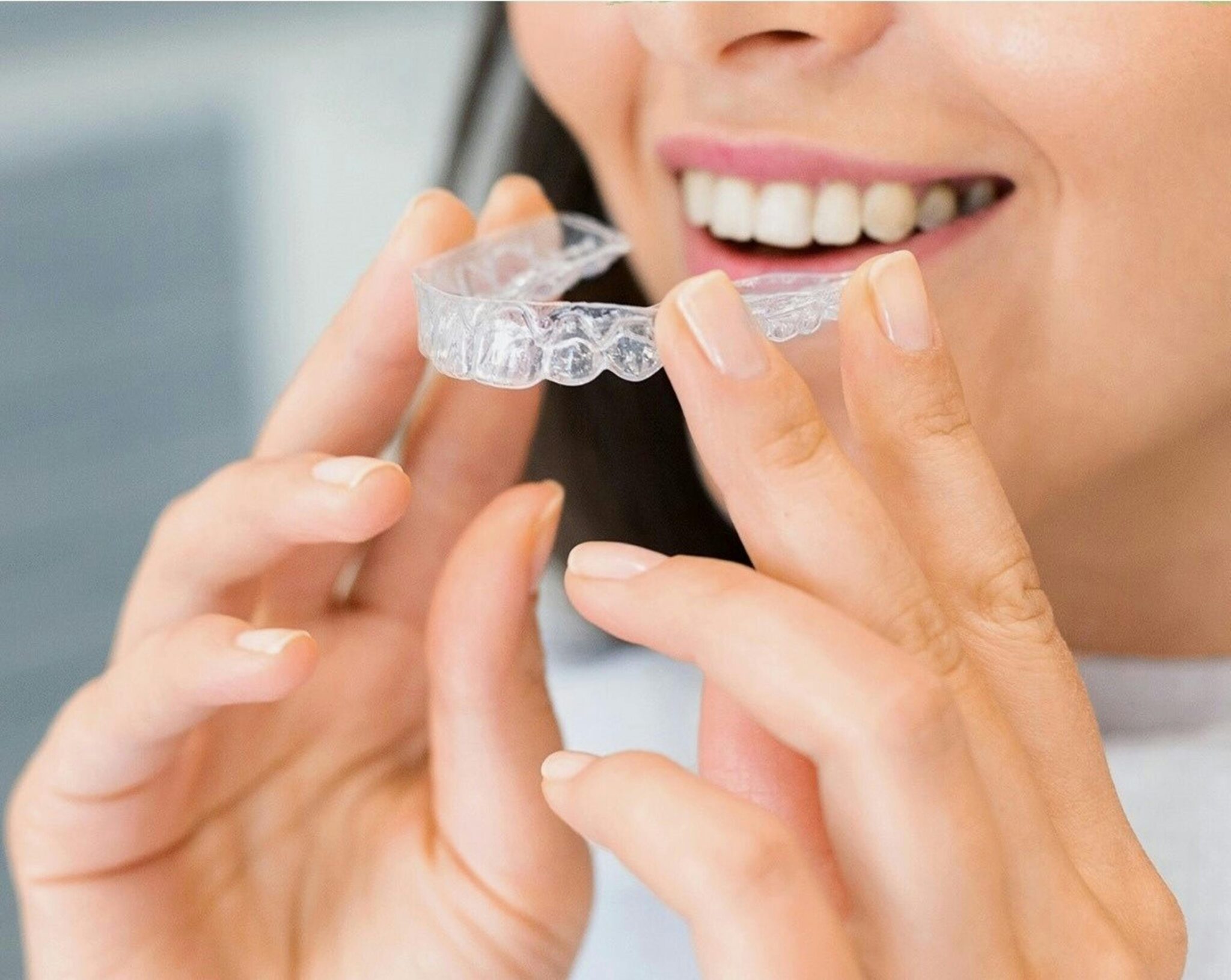
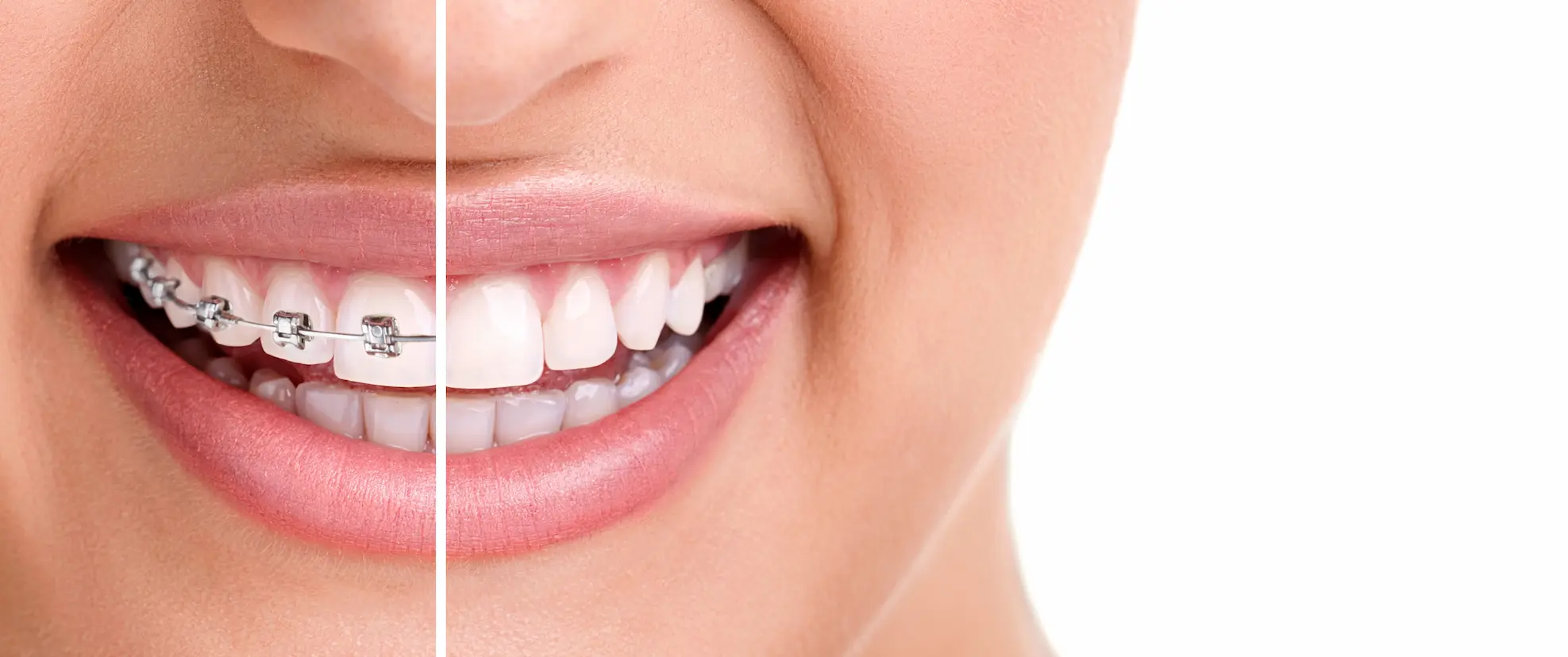

Dental bonding looks simple from the outside. A dentist applies tooth-colored resin, shapes it, hardens it with a curing light, and polishes the surface. The appointment is often short. In many cases, there is little or no drilling. Because the treatment feels conservative and accessible, patients sometimes assume the outcome depends mostly on the material itself.
It does not.
The quality of Dental Bonding depends heavily on judgment, hand skills, shade selection, bite analysis, and restraint. A well-done bonding case disappears into the smile. It catches light like enamel, feels smooth to the tongue, and holds up respectably with normal care. A rushed or poorly planned case can look bulky, stain early, chip at the edge, or create an odd bite that the patient notices every time they close their teeth.
Choosing the right dentist matters as much as choosing the right treatment. If you are considering bonding to repair a chip, close a gap, improve shape, hide discoloration, or make a worn tooth look whole again, it helps to know what separates average cosmetic work from excellent work.
What makes dental bonding different from other cosmetic treatments
Bonding occupies an interesting middle ground in cosmetic dentistry. It is less invasive than veneers and often more affordable. It can be completed in one visit. It is also more technique-sensitive than many patients realize.
Porcelain veneers are fabricated in a lab, where shape, color, and texture can be refined outside the mouth. Bonding is sculpted directly on the tooth, usually chairside, in real time. That means the dentist must act as planner, artist, and finisher all at once. A small change in contour can alter how a tooth reflects light. A slightly off shade can make a bonded area stand out under daylight. A margin placed poorly can catch stain months later.
Because of this, the right dentist for a filling is not automatically the right dentist for visible cosmetic bonding. Many general dentists place composite restorations every day and do good functional work. Cosmetic bonding on front teeth asks for another layer of skill. It requires an eye for symmetry, proportion, translucency, and surface texture. Those are not abstract design words. They are the details that determine whether someone notices the restoration when you smile in a meeting or in a photo.
Start with the dentist’s actual experience, not just the services page
Almost every dental website lists cosmetic dentistry. That phrase alone tells you very little. The better question is how often the dentist performs bonding in the part of the mouth that concerns you.
A dentist who regularly restores front teeth cosmetically will usually have stronger instincts about edge shape, line angles, and how to layer composite shades. They are also more likely to talk about the limits of bonding with honesty. For example, closing a tiny gap between central incisors can be a beautiful use of bonding. Reshaping several teeth with significant discoloration, bite wear, and crowding may call for whitening, orthodontics, veneers, or a staged approach instead.
In practice, experience reveals itself in the consultation. An experienced dentist does not jump straight to, “We can fix that today.” They ask how long the issue has bothered you, whether you grind your teeth, whether the tooth has chipped before, and what bothers you most: color, shape, length, spacing, or all of it. They look at photos, evaluate your bite, and explain where bonding is likely to excel and where it may fall short.
That kind of nuance matters. Bonding is wonderful when used for the right indication. It is disappointing when oversold.
Before and after photos tell a more useful story than marketing language
If you want one practical filter, ask to see before and after cases done by the dentist personally, not stock gallery images. Look specifically for cases similar to yours. A tiny chip repair is not the same as recontouring multiple front teeth. Bonding for an adolescent after trauma is not the same as bonding for an adult with years of enamel wear.
When reviewing photos, look past the obvious improvement and study the details. Do the front teeth look natural in size and shape, or do they appear too square and flat? Are the edges soft and lifelike, or blunt and opaque? Does the color match the neighboring tooth structure, especially near the gumline and incisal edge? The best bonding often does not scream “cosmetic dentistry.” It simply makes the tooth look whole and healthy.
One thing experienced patients often miss is texture. Natural teeth are not perfectly smooth like white plastic. They have subtle anatomy that catches light. If every bonded tooth in the gallery looks uniformly glossy and featureless, that may tell you something about the dentist’s finishing style.
A dentist does not need hundreds of dramatic makeover photos to be competent. But they should be able to show enough real work to demonstrate consistency.
Materials matter, but technique matters more
Patients sometimes ask which bonding material a dentist uses, as if there is one magic composite that guarantees a better result. Reputable dentists often use high-quality composites from well-known manufacturers, and that does matter. Different materials polish differently, handle differently, and may hold gloss better over time.
Still, material choice is only part of the picture.
A premium composite in careless hands will not outperform a good composite used with excellent technique. Isolation, etching, bonding protocol, layering, curing, contouring, and polishing are what make the restoration https://reidmrkn895.tearosediner.net/top-reasons-people-choose-dental-bonding last and look convincing. Moisture control alone can determine whether the bond is durable. This is especially true near the gumline or in difficult-to-isolate areas.
If a dentist explains the process in a thoughtful way, that is a good sign. You do not need a chemistry lecture. You do want evidence that they take bonding seriously as a craft, not as a quick patch.
The consultation should feel specific to your mouth
A strong consultation is rarely rushed. Even for a modest bonding case, the dentist should assess more than the defect itself. Front tooth bonding exists in the context of your smile, your bite, your habits, and your expectations.
Someone with a chipped incisor from a one-time accident is different from someone who chips the same edge every year because of nighttime grinding. A patient who wants one lateral incisor reshaped may need a discussion about matching the opposite side. A patient asking to close spaces should hear about tooth proportions, because shutting every gap without regard to width can leave teeth looking too broad.
This is where judgment matters. Good cosmetic dentists know when not to treat, when to treat conservatively, and when to recommend another option first. If your teeth are significantly stained and you plan to whiten, many dentists will advise whitening before bonding so the composite can be matched to the lighter shade. If your bite is unstable, they may suggest addressing that issue to protect the result.
A dentist who personalizes the plan tends to produce better outcomes than one who offers the same script to everyone.
Ask how the dentist manages color and shape
Color matching sounds straightforward until you sit in the chair and realize teeth are not one solid shade. Natural teeth often have variation from the neck of the tooth to the edge. They may show translucency, warmth, or faint internal character. Front teeth especially can look flat if restored with a single opaque tone.
You do not need to quiz the dentist like an examiner, but it is reasonable to ask how they approach shade selection and shaping for visible bonding. Some dentists use multiple composite shades or layers to mimic natural enamel and dentin. Others may take photos, use shade tabs in natural light, or complete the final polish only after checking the result from different angles.
Shape is equally important. Small changes can alter the personality of a smile. A slightly longer edge may make a tooth appear younger. A softened corner can make a restoration blend beautifully. Overbuilding a tooth by even a fraction can make it feel bulky to the lips or tongue.
An experienced cosmetic dentist usually welcomes this discussion. They know that patients see their teeth in a social, emotional way, not just a technical one.
Pay attention to how the dentist talks about longevity
One of the fastest ways to gauge honesty is to ask how long bonding lasts. The best answer is rarely a single number.
Bonding can last several years, and sometimes much longer, but lifespan depends on location, bite forces, oral habits, diet, and the size of the restoration. A tiny bonded chip on a lower front tooth may behave very differently from a large cosmetic addition on an upper central incisor in a patient who clenches at night. Coffee, red wine, tea, tobacco, nail biting, and chewing ice can all affect the outcome over time.
A thoughtful dentist will explain that bonding is repairable, which is one of its advantages, but also that it may require maintenance. Polishing, touch-ups, or eventual replacement are part of the conversation. That honesty should reassure you, not scare you. Promising a perfect, permanent result from a conservative composite restoration is not realistic.
Reviews are helpful when you read them carefully
Online reviews can be useful, but they need interpretation. A hundred comments saying the staff was friendly and the office was clean tell you the practice runs well. They do not necessarily tell you whether the dentist excels at esthetic bonding on front teeth.
Look for reviews that mention cosmetic work specifically, especially comments about natural-looking results, clear communication, and careful attention to detail. Patterns matter more than one glowing review. If several patients describe the dentist as meticulous, patient, and conservative, that often aligns with the traits you want for bonding. If you notice repeated complaints about rushed appointments, poor listening, or unsatisfactory cosmetic outcomes, take that seriously.
Reviews should support your impression, not replace it. Some of the finest clinicians have modest online footprints, while heavily marketed offices can have polished branding without exceptional artistry.
Technology can help, but it does not replace skill
Modern dental photography, digital smile design, magnification, and high-quality curing lights can all improve workflow and communication. Loupes or a microscope can help with precision. Intraoral scanners can aid planning in some cases. Photographs are especially useful for shade analysis and for discussing shape changes before treatment begins.
Still, no device can compensate for weak fundamentals. A dentist with excellent hands, sound cosmetic judgment, and careful finishing can produce beautiful bonding without turning the consultation into a technology showcase.
If an office seems more eager to impress you with gadgets than to discuss your specific case, pause. Technology should support clinical excellence, not distract from it.
Cost matters, but cheap bonding often becomes expensive later
Patients naturally compare fees, especially because bonding is frequently an out-of-pocket expense. Price can vary quite a bit depending on geography, the complexity of the case, the number of surfaces involved, and the cosmetic demands of the tooth.
A very low quote may reflect a simple repair, which is fine, or it may reflect a quick appointment with minimal layering and finishing. The difference is not always obvious until the work is done. Front tooth bonding that looks artificial or breaks early can lead to repeated repairs, lost trust, and eventually replacement with a different treatment.
That does not mean the highest fee is always the best choice. It means you should understand what you are paying for. Time matters. Artistic attention matters. Experience with visible esthetic work matters. When the restoration sits in the center of your smile, value is not the same thing as the lowest number.
A few questions worth asking at the consultation
Use the consultation to get practical answers, not to stage an interrogation. The goal is to understand the dentist’s process and whether it fits your needs.
- How often do you perform cosmetic bonding on front teeth like mine?
- Can I see before and after photos of similar cases you completed?
- How long do you expect this type of bonding to last in my situation?
- What are the alternatives if bonding is not the best option?
- If the bonding chips or stains later, how is that usually managed?
These questions tend to open up useful discussion. The content of the answer matters, but so does the manner. A good dentist explains without becoming defensive or vague.
Red flags patients often overlook
Some warning signs are obvious, such as pressure to book immediately or promises that sound too good to be true. Others are subtler.
One common red flag is the absence of a clear conversation about bite. If a dentist plans to bond a front edge that has already been under heavy force, but does not discuss clenching, grinding, or a protective night guard when appropriate, that is a concern. Another is dismissing your comments about shape or symmetry. Cosmetic work is collaborative. You do not need to dictate the treatment, but your priorities should be heard.
Be cautious if the office cannot show any examples of the dentist’s cosmetic bonding, especially if this is a major selling point on their website. Also be cautious if every recommendation leans toward “bigger” dentistry when a conservative option may be reasonable, or the reverse, when bonding is being pushed for cases that likely need orthodontic or restorative planning first.
A final red flag is rough finishing. Even if you cannot judge artistry easily, you can often sense polish and precision. Bonding should feel smooth. Margins should not catch floss or your tongue. A detail-oriented dentist cares about those tactile outcomes as much as the visual ones.
Different situations call for different kinds of expertise
Not every bonding case requires a cosmetic dentist who handles full smile makeovers. If you have a small, uncomplicated chip on a side tooth that is barely visible, a skilled general dentist may be an excellent fit. If you want multiple front teeth reshaped, diastemas closed, or edges rebuilt after years of wear, the esthetic demands rise quickly.
Teen trauma cases deserve special mention. Bonding is often the treatment of choice when a young patient fractures a front tooth and more aggressive options should be delayed. In those situations, the best dentist is someone who combines composure, restorative skill, and a good eye for color matching a youthful tooth, which can be surprisingly challenging.
Patients with bruxism or unstable bites may benefit from a dentist who thinks beyond the bonding appointment. The restoration is only as secure as the environment around it. A good plan may include habit management, occlusal adjustment in select cases, or a guard.
Trust your reaction to the mock-up, photos, or mirror check
For larger cosmetic bonding cases, some dentists may do a mock-up, show digital references, or pause before final curing and polishing so you can evaluate shape. This can be incredibly helpful. Many patients struggle to translate words like “slightly rounder” or “a bit longer” into a mental image.
Your reaction matters. If something feels too wide, too flat, or too bright, say so while the case is still in progress. The right dentist will guide the conversation and filter requests through what is natural and durable, but they should welcome feedback. The most successful bonding cases often come from that small collaborative space where clinical expertise and patient perception meet.
I have seen patients accept work they were unsure about because they felt awkward speaking up. A week later, they knew they had made a mistake. Cosmetic dentistry is not the moment to stay silent out of politeness.
Aftercare tells you something about the practice, too
Good bonding does not end when the polishing disc is put away. You should leave with clear instructions about what to expect, how to protect the restoration, and when to follow up. Minor surface adjustments after the anesthetic wears off are not unusual. Neither is a discussion about avoiding stain-heavy foods for a short period if relevant, or wearing a night guard if you clench.
A practice that takes aftercare seriously tends to take the procedure seriously. You want to know that if the bonded area feels rough, the bite feels off, or a small edge needs refinement, the office has a reasonable process for follow-up.
The right choice usually feels measured, not flashy
When patients tell me they found the right dentist for Dental Bonding, the story is rarely about a dramatic sales pitch. More often, it sounds like this: the dentist listened, explained options clearly, showed real examples, pointed out limitations, and made the patient feel that details mattered.
That is the right instinct to follow.
Bonding may be one of the more conservative cosmetic treatments in dentistry, but it rewards careful selection. Look for real case experience, esthetic judgment, honest discussion of longevity, and an approach tailored to your bite and goals. If the dentist treats bonding as both a science and a craft, you are far more likely to end up with the result you hoped for, something natural, durable, and quietly confident every time you smile.
Toothworks of Bakersfield, Dentist and Orthodontist
Address: 1030 H St #1, Bakersfield, CA 93304
Phone number: +16613239421
FAQ About Dental Bonding
How long does dental bonding last?
Dental bonding typically lasts between 3 and 10 years (averaging about 5 to 8 years) before it needs a touch-up or replacement. Its lifespan depends heavily on your daily habits, where the bonding is placed in your mouth, and how well you care for your teeth.
How expensive is bonding a tooth?
Dental bonding typically costs between $100 and $600 per tooth, with a national average of about $431 per tooth.
What are the downsides of dental bonding?
Dental bonding has several drawbacks, including lower durability, a shorter lifespan, and a tendency to stain compared to alternatives like porcelain veneers.
Public Last updated: 2026-08-31 07:32:06 AM