How to Repair Automatic Garage Door Openers in 2025: A Step-by-Step Guide
If your automatic garage door opener is acting up, you’re not alone. Many homeowners face common issues with their garage door openers, including motor problems, remote control failures, and sensor misalignments. This comprehensive guide will walk you through diagnosing and repairing these problems safely and effectively, empowering you with practical DIY tips to keep your garage door operating smoothly and securely. Whether you’re dealing with noisy gears, a stuck door, or sensor errors, this article covers essential repairs, troubleshooting methods, and maintenance advice tailored for 2025.
1. What Are the Common Problems with Automatic Garage Door Openers?
Automatic garage door openers are complex systems combining mechanical and electrical components. Understanding frequent issues helps in timely diagnosis and repair. Common problems include:
- Opener Not Responding: The garage door doesn’t react when pressing the remote or wall switch.
- Door Not Opening Fully or Closing Properly: May be caused by misaligned safety sensors or force adjustment issues.
- Unusual Noises: Grinding or squeaking sounds from the opener motor, gear assembly, drive belt, or chain drive.
- Remote Control Failure: Non-responsive transmitter due to battery drain or programming errors.
- Safety Sensor Malfunction: Faulty photo-eye or electric eye sensors causing door reversal or failure to close.
Identifying symptoms early — such as noise changes, sluggish movement, or error lights on the control panel — allows for efficient troubleshooting and reduces the risk of further damage or safety hazards.
2. How to Troubleshoot the Garage Door Opener Motor and Electrical Components?
The opener motor and its associated electrical circuits are vital for smooth operation. Diagnosing these correctly can save repair costs and restore functionality quickly.
2.1 How to Check the Power Supply and Wiring?
Before investigating complicated issues, ensure the opener’s power source is intact:
- Verify that the opener is plugged into a functioning power outlet.
- Check the home’s circuit breaker panel for tripped breakers or blown fuses related to the garage door’s power supply.
- Inspect visible wiring for signs of damage, wear, loose connections, or corrosion.
- If you find damaged wires, turn off power before attempting temporary fixes or call an electrician.
2.2 How to Perform a Diagnostic Test and Reset the Opener?
Many modern garage door openers feature built-in diagnostic tests accessible via the control panel or remote:
- Consult the opener’s installation manual to locate the reset button or diagnostic controls.
- Press and hold the reset button to clear any error codes and reboot the circuit board.
- Observe LED indicators on the motor unit or sensor panel; specific blinking patterns often indicate issues such as sensor misalignment or motor stalls.
- Run a diagnostic test, if available, by following manufacturer instructions to pinpoint faults like limit switch problems or force adjustment errors.
Resetting the opener often resolves electronic glitches, but persistent failures may require professional evaluation or part replacement.
3. How to Repair or Replace the Remote Control and Wireless Keypad?
The remote control and wireless keypad communicate with the garage opener’s receiver to activate door movement. Troubleshooting these devices includes:
garage door repairs surfers paradise
- Battery Replacement: Remove the remote control battery and replace it with a fresh one matching the specified voltage. For wireless keypads, check both backup and main batteries.
- Reprogramming: If the remote fails to open the door, reprogram the transmitter to sync with the receiver using the learning button on the motor unit.
- Signal Interference: Reduce interference caused by nearby electronic devices or fluorescent lighting that can block the signal.
- Receiver Inspection: Clean the receiver area on the opener, ensuring antennas and wiring aren’t damaged or disconnected.
Always refer to the user manual for specific programming sequences and avoid pressing multiple buttons simultaneously during reprogramming.
4. What to Do If the Safety Sensors Are Not Working Properly?
Safety sensors, also known as photo-eyes or electric eyes, prevent the door from closing on obstacles and ensure safe reversing. Troubleshooting involves:
- Cleaning the Sensors: Dirt, spider webs, or debris on sensor lenses can interrupt signals. Use a soft cloth to clean the photo-eye surfaces gently.
- Aligning the Sensors: Sensors must face each other directly at the same height. Adjust mounting brackets carefully if misaligned until LED indicators show a steady light.
- Checking Wiring Connections: Inspect sensor wiring for cuts or loose terminal screws inside the opener cover.
- LED Status Indicators: Most sensors have LED lights to indicate power and alignment status. A blinking or unlit LED often points to faults requiring correction.
Proper sensor function is crucial for safety reversing mechanisms and legal compliance with safety standards.
5. How to Adjust and Repair Garage Door Springs, Tracks, Rollers, and Cables?
Mechanical components such as springs, tracks, rollers, and cables support door movement and weight balance, playing a critical role Visit this site in overall operation.
5.1 How to Safely Adjust or Replace Springs?
Garage doors usually use either torsion springs mounted above the door or extension springs running along the tracks:
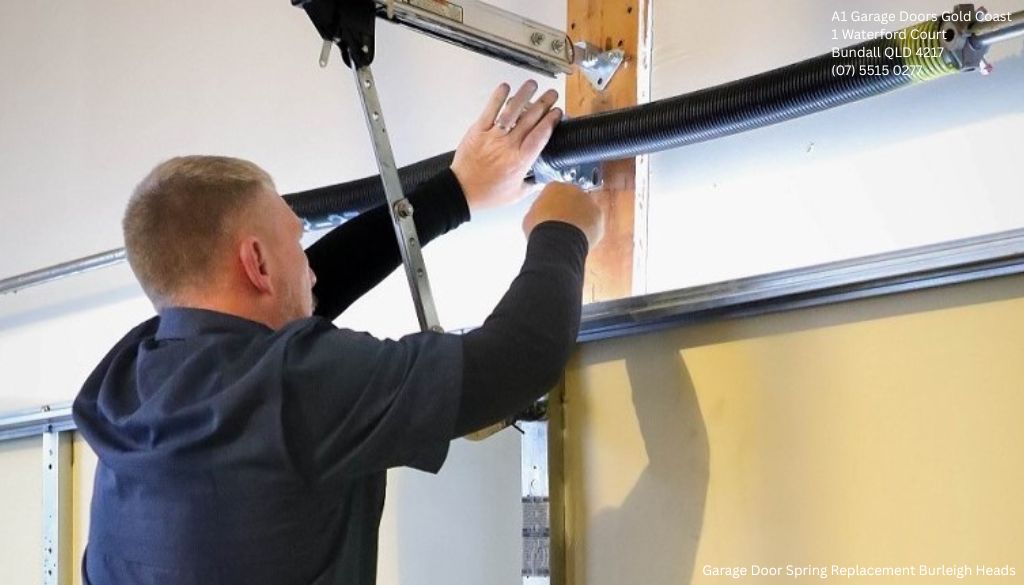
- Torsion Springs: These springs are under high tension and require specialized tools and expertise for adjustment or replacement. Incorrect handling can cause serious injury.
- Extension Springs: Though easier to handle than torsion springs, they must still be replaced carefully using safety cables to contain spring release energy.
Safety Warning: If you are not experienced with spring adjustments, contact a professional technician to prevent accidents.
5.2 How to Fix Misaligned or Damaged Tracks and Rollers?
- Visually inspect tracks for dents, bends, or obstructions blocking smooth door travel.
- Use a rubber mallet to gently tap tracks back into alignment if slightly bent.
- Clean and lubricate rollers to reduce friction and noise.
- Check cable integrity and tension to ensure proper pulley system function.
- Replace damaged hinges or rollers promptly to maintain door balance and prevent excessive wear on opener motor.
6. How to Maintain the Gear Assembly, Drive Belt, and Chain Drive?
The gear assembly and drive mechanism translate motor power into door movement. Maintenance tips include:
- Lubrication: Apply garage door lubricant to the gear sprocket, chain drive, screw drive, and gear assembly regularly to minimize noise and prevent wear.
- Inspection: Examine the drive belt or chain for fraying, rust, or slack.
- Tension Adjustment: Adjust belt or chain tension according to manufacturer specifications to avoid slipping or over-tightening.
- Drive Types: Understand your opener’s drive mechanism; chain drives are durable but noisier, whereas belt drives operate quietly but need careful maintenance.
Our Sponsor
A1 Garage Doors Gold Coast
A1 Garage Doors Gold Coast is a Bundall-based garage door specialist serving the southern Gold Coast and surrounding suburbs with installation, repair, maintenance, and emergency garage door services. The company specializes in sectional doors, roller doors, garage door openers, spring and cable replacement, opener motor repair, smart-enabled installations, and 24/7 emergency call-outs across Robina, Burleigh Heads, Surfers Paradise, Nerang, Coomera, and the wider Gold Coast region.
Address:
1 Waterford Court, Bundall, QLD4217, Australia
Phone: (07) 5515 0277
Business Hours:
- Open 24/7 — Including After-Hours and Emergency Call-Outs
Follow Us:
7. How to Use the Manual Release and Emergency Features?
During power outages or mechanical failures, utilizing manual release features is essential:
- Manual Release Cord: Typically a red cord hanging from the opener rail, pulling this disconnects the door from the opener allowing manual lifting.
- Emergency Release Lock Mechanism: Some openers have an emergency lock to secure the door after manual operation.
- Test the manual release periodically to ensure smooth functionality and avoid being locked out during emergencies.
8. What Are the Best Practices for Regular Maintenance to Prevent Repairs?
Proactive maintenance extends the lifespan of all garage door components and prevents unexpected breakdowns:
- Use a maintenance kit with recommended lubricants and cleaning solutions.
- Lubricate rollers, hinges, tracks, and gear assemblies every six months.
- Inspect weather seals and door panels for cracks or damage to protect against elements and improve energy efficiency.
- Tighten mounting brackets, screws, and hardware to maintain structural integrity.
- Test safety reversing mechanisms monthly to ensure compliance with safety regulations.
Additional Tips
How to Program New Garage Door Opener Remotes and Keypads
New remotes or wireless keypads require programming to communicate with the opener receiver:
- Locate the 'Learn' button on the motor’s control panel.
- Press the 'Learn' button, then press the desired button on the remote or enter a code on the keypad within 30 seconds.
- Wait for an indicator light or beep confirming successful programming.
How to Perform Noise Reduction on Your Garage Door Opener
Reduce operational noise by:
- Applying lubrication to the gear assembly, chain or belt drive, and rollers.
- Checking mounting brackets and tightening loose bolts to prevent vibration.
- Replacing worn gears or belts causing grinding sounds.
Understanding Force Adjustment and Safety Reversing Mechanism
Force adjustments set how much pressure the opener applies before reversing:
- Adjust the force control screws to increase/decrease door closing force.
- Ensure the limit switches are properly calibrated to stop the door at fully open and closed positions.
- Test the safety reversing by placing an object in the door path to confirm it reverses immediately.
FAQ Section
Q1: How do I know if my garage door opener motor is failing?
A1: Signs include slow operation, loud grinding noises, or the door not moving at all. Motor overheating or electrical surges may cause intermittent failure, so check for unusual heat or electrical smell near the opener.
Q2: Can I replace garage door springs myself?
A2: Torsion springs store significant tension and can be very dangerous to handle without proper tools and experience. It is strongly recommended to hire a qualified professional for spring replacement to avoid injury.
Q3: Why is my garage door not closing all the way?
A3: This issue often results from misaligned safety sensors, incorrect force settings, or obstructions on the tracks. Inspect the sensors’ LED indicators and clear any debris blocking the door’s path.
Q4: How often should I lubricate the garage door components?
A4: Lubricate rollers, hinges, tracks, and gear assemblies at least every six months to maintain quiet and smooth operation. Use manufacturer-recommended lubricants for best results.
Q5: What should I do if the remote control stops working?
A5: Start by replacing the remote’s battery. If that doesn’t work, reprogram the remote to sync with the opener’s receiver. Also, check the receiver on the motor unit for dirt or damage that could block the signal.
Conclusion
Repairing automatic garage door openers involves understanding the mechanical and electronic components that work together to provide convenient access to your home. By identifying common problems early, performing safe troubleshooting steps on the opener motor, remote controls, safety sensors, springs, and tracks, you can often resolve issues without expensive professional service calls. Regular maintenance, including lubrication and system checks, further extends the lifespan of your garage door system while enhancing safety and performance. However, always exercise caution with high-tension parts like springs and seek professional assistance when necessary to ensure your repairs are safe and effective. Take control of your garage door opener maintenance today to enjoy hassle-free operation and peace of mind.

Public Last updated: 2026-06-19 05:26:06 AM