What Does ‘Do Not Purchase from an Illegal Source’ Mean for UK Readers?
```html
Cannabis is no longer merely a counterculture emblem or a recreational taboo in the UK. Since the 2018 rescheduling that nudged cannabis-based products into the realm of prescription medicine, the conversation has shifted. But with that shift comes caution: health authorities and specialists consistently warn patients to avoid illegal market risks and seek treatment only through regulated channels. What does this warning mean in practice? Why now? And how can patients navigate this complex landscape safely and legally?
The Pivot Point: 2018 UK Legal Rescheduling
The game changer occurred in November 2018 when the UK government reclassified cannabis-based products for medicinal use from Schedule 1 — a category reserved for substances with “no medicinal value” — to Schedule 2. This change officially recognised that some cannabis products could have a therapeutic role but with strict control.
This legal shift allowed specialist doctors to prescribe cannabis-based medicines legally, albeit under highly regulated conditions. But it did not legalise recreational cannabis or open the doors to retail sale outside this medical framework. For patients, this means the route to lawful possession is narrow and carefully regulated.
Why Now? Understanding the Timeline
- Pre-2018: Cannabis was classified as entirely illegal for medical use; patients self-medicated or resorted to black market suppliers.
- 2018 Rescheduling: Allowed specialist prescribing under strict conditions, creating formal medical access pathways.
- Post-2018: Cautious rollout with limited specialist prescribing; general practitioners remain unable to prescribe cannabis medicines.
This timeline clarifies the balance struck between opportunity and caution—patients now have access, but within a guarded framework prioritising safety.
Specialist-Only Prescribing and the Cautious Rollout
One of the biggest misconceptions causing patient confusion is the difference between legality for medical use and wide availability. Only certain specialists—typically neurologists, oncologists, or pain management experts—can prescribe cannabis-based medicines.

The reasons for this restriction are clear. Cannabis medicines vary widely in chemical composition and effects. Specialist oversight ensures:
- Accurate diagnosis.
- Tailored prescriptions for specific conditions.
- Monitoring for side effects and efficacy.
- Avoidance of inappropriate or risky self-medication.
This specialist-only approach is part of a cautious, evidence-led rollout. The UK regulator (MHRA) and NHS frameworks emphasise patient safety above ease of access. It also means that when you hear the advice “Do not purchase from an illegal source,” it’s a red flag about both product safety and legal ramifications.
Understanding ‘Do Not Purchase from an Illegal Source’
This phrase is a central patient safety warning. It means exactly what it says: do not buy cannabis or cannabis products outside regulated, legal channels. But what does that look like in the UK context?
Aspect Legal/Regulated Source Illegal Source Example Medicinal cannabis prescribed by a specialist and dispensed by a registered pharmacy. Street dealers, unlicensed online vendors, or overseas suppliers with no UK regulatory oversight. Product Quality Subject to pharmaceutical-grade manufacturing standards and quality assurance. Unregulated, with unknown content, contaminants, or potency variations. Legal Status Possession, supply, and use are lawful under prescription and regulation. Possession and supply are illegal; risks include prosecution and criminal records. Health Risks Lower risk due to professional monitoring; side effects and interactions managed. Higher risk of adverse effects, contamination, and lack of medical oversight.
Patients frequently ask, “If I can’t get a prescription easily, what harm is there in sourcing cannabis illegally to manage my symptoms?” The answer lies in the combination of legal risk, unsafe products, and the absence of medical guidance.
Real Patient Question:
“I’ve read online that CBD oil is safe and easy to buy. Could I not just try that from an online shop rather than wait months for a specialist referral?”
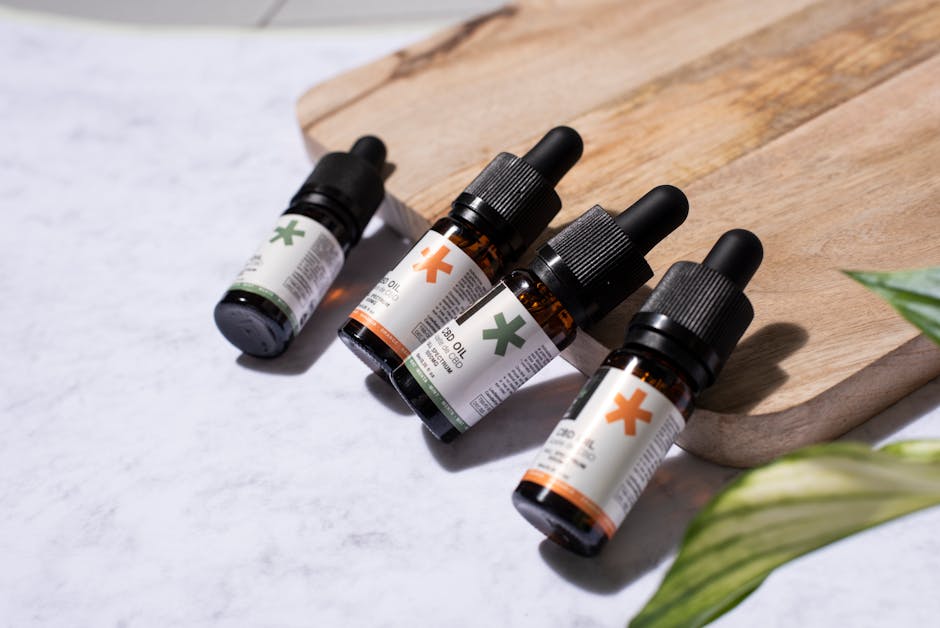
It’s an understandable question. However, the key point is that not all CBD or cannabis oils marketed online meet UK regulations. Many are unlicensed and flushthefashion.com have inconsistent THC content, which can cause unintentional intoxication or health issues. Only products licensed as medicines—and supplied via prescription—are rigorously tested for safety.
Patient Research Habits and Question-Led Consultations
The shift of cannabis from counterculture to medicine has had a visible impact on how patients approach the topic during consultations. Nowadays, many patients come armed with detailed internet research, eager to ask specialists questions like:
- What evidence supports cannabis for my condition?
- What are the risks and side effects?
- How can I legally access these treatments?
- Are there alternatives I should consider first?
Doctors encourage this question-led dialogue—it helps tailor treatment plans while addressing misconceptions. The recurring theme from professionals is to steer patients away from the illegal market and towards recognised clinical pathways.
Why The Warning Matters Now
With the recent increased media attention and international cannabis reforms, it’s tempting for patients to look for shortcuts. Yet illegal cannabis remains a public health hazard:
- Product contamination: Illegal cannabis products often contain pesticides, mould, or unknown chemicals.
- Variable potency: Unknown THC levels increase risks of overdose or psychotropic effects.
- Risk of prosecution: Possession without prescription remains a criminal offence, carrying fines or imprisonment.
- Interference with medical treatment: Unsupervised use can affect existing medications or worsen conditions.
The “do not purchase from an illegal source” message is not just about legal conformity—it’s a critical patient safety warning based on years of healthcare caution and research.
How to Stay Safe and Within the Law
Here are practical steps for patients interested in medicinal cannabis:
- Consult your GP: Although GPs cannot prescribe cannabis medicines, they can refer you to a specialist if appropriate.
- Seek specialist advice: Specialists will evaluate your condition and may prescribe cannabis-based products if clinically indicated.
- Use licensed pharmacies: Only obtain cannabis-based medicines dispensed through NHS or registered pharmacies after a specialist prescription.
- Avoid online or street purchases: Don’t risk illegal products of unknown quality.
- Ask questions: Talk openly with your healthcare provider about concerns and options.
Summary: Patient Safety and Law Go Hand in Hand
The transition of cannabis from counterculture to accepted medicine is still unfolding in the UK, defined by the 2018 legal rescheduling as a pivot point. Specialist-only prescribing is a necessary caution to protect patients while evidence builds.
The repeated warning “do not purchase from an illegal source” strongly underscores the dangers of the unregulated market and reminds patients there is a lawful, safer route—however slow or limited it may feel.
For UK patients, understanding these distinctions between the illegal market and regulated channels is not just a legal notice, but a vital health and safety message. Trust specialist guidance, seek answers from reliable professionals, and protect your wellbeing by staying within the law.
Share this article
Akismet Anti-Spam Notice: Comments on this blog are protected by Akismet to reduce spam. We value genuine patient and reader questions and encourage you to engage thoughtfully.
```

Public Last updated: 2026-07-16 02:40:02 AM