Garage Door Balance Adjustment: Essential Guide for Safe and Smooth Operation in 2026
Maintaining the perfect balance of your garage door is crucial for its smooth and safe operation. Whether you’re a homeowner noticing sagging or resistance, or a DIY enthusiast eager to learn how to adjust spring tension and cable alignment, this comprehensive guide on garage door balance adjustment will equip you with all the knowledge and step-by-step instructions needed. Properly adjusted garage doors reduce wear on components, enhance safety, and extend the lifespan of your opener and hardware. Read on to discover how to test, diagnose, and fix your garage door balance effectively.
What Is Garage Door Balance and Why Is It Important?
Garage door balance refers to the correct distribution of weight across the door’s structure, ensuring that it opens and closes smoothly with minimal effort. This balance is achieved primarily through the counterbalance system, typically featuring torsion springs or extension springs that offset the heavy weight of the door panels.
A well-balanced garage door reduces door resistance during operation, prevents sagging, and ensures stability throughout the door’s movement. If the springs or other components are not correctly tensioned, the door may become difficult to lift manually, strain the automatic opener, or even cause unsafe conditions like sudden drops or jams.
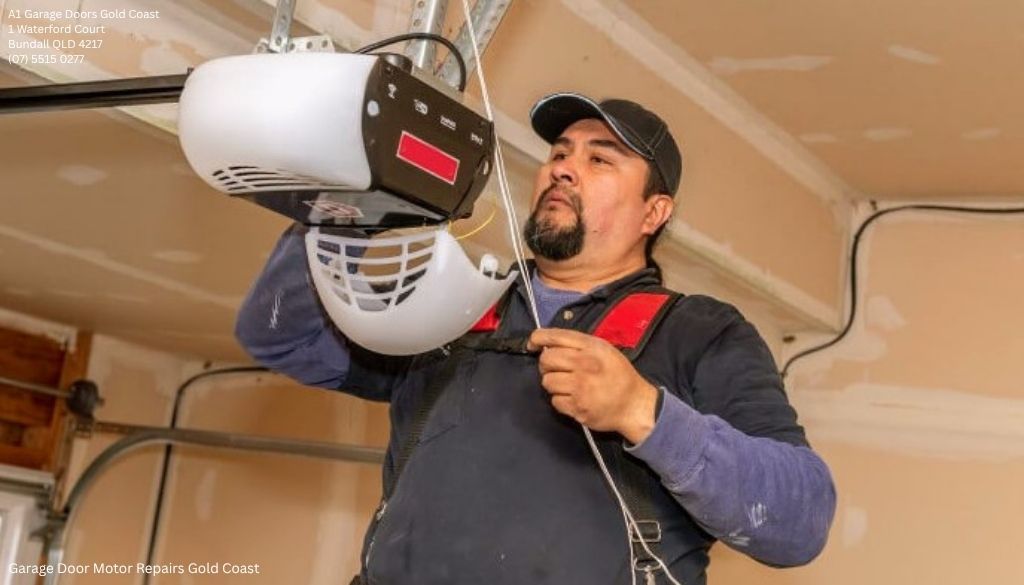
Understanding the importance of garage door stability helps homeowners prioritise regular balance checks and timely adjustments to maintain optimal performance and safety.
How to Test Your Garage Door Balance
Performing a garage door balance test is straightforward and essential to determine if your door needs adjustment. Start by disconnecting the automatic opener using the manual release lever to allow manual operation.
- Lift the door halfway: Slowly raise the door to the midway point and release it carefully.
- Observe door movement: A properly balanced door should remain stationary when released halfway. If it rises or falls on its own, the balance is off.
- Check for sagging or stiffness: Notice any door sagging, uneven movement, or resistance when lifting manually, which are symptoms of imbalance.
- Listen for unusual noises: Grinding, creaking, or snapping sounds during operation may indicate worn springs, cables, or roller issues affecting balance.
Regular door balance checks help identify issues before they cause further damage or safety hazards.
Understanding Garage Door Components Affecting Balance
Several critical components influence garage door balance and must be understood before attempting any adjustment:
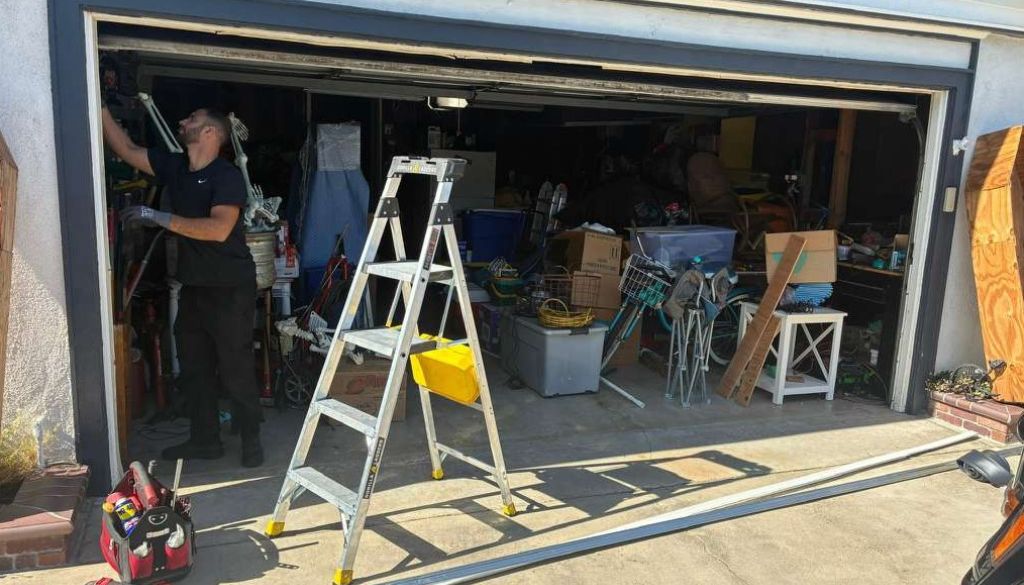
- Garage door springs: These include torsion springs mounted above the door and extension springs located alongside the tracks. They provide the main counterbalance force.
- Garage door cables: Attached to both the bottom of the door and the spring or drum assembly, these cables help lift the door evenly.
- Cable drum and drum shaft: The cable drum winds the cables as the door moves; proper functioning here is vital for balanced lifting.
- Winding cone and spring anchor bracket: These parts secure the springs and allow for tension adjustments.
- Garage door rollers and tracks: Rollers glide within the tracks to guide door movement; damaged or misaligned tracks can disrupt balance.
- Garage door panels: Each door section must align correctly to prevent uneven stress and balance issues.
- Drum bearing and cable tension: Proper lubrication and tension are essential for smooth door operation without added resistance.
Familiarising yourself with these components prepares you for safe and effective garage door balance adjustments.
Tools You Need for Garage Door Balance Adjustment
Having the right tools is critical for safely adjusting your garage door balance. Key tools include:
- Spring winding bars: Specially designed rods used to adjust torsion spring tension safely.
- Adjustable wrench and pliers: For loosening and securing bolts on brackets and hardware.
- Socket set and screwdrivers: Necessary for removing and tightening various parts during adjustment.
- Safety cable: Protects against spring breakage and should be installed when adjusting extension springs.
- Manual or emergency release handle: Allows disconnection from the automatic opener for manual operation during testing.
- Lubricants: Used to maintain rollers, tracks, and springs for smooth performance after adjustments.
Never attempt spring adjustments without spring winding bars due to the high risk involved.
Step-by-Step Guide to Adjusting Garage Door Balance
Adjusting your garage door balance involves careful modification of spring tension and cable settings. Follow these steps precisely to ensure safety and effectiveness:
1. Prepare for Adjustment
- Disconnect the garage door opener using the manual release.
- Ensure the door is fully closed to relieve spring tension slightly.
- Wear protective gloves and eye protection.
2. Adjusting Torsion Springs
- Locate the winding cone on the torsion spring.
- Insert the spring winding bars securely into the cone holes.
- Turn the winding bars gradually – clockwise to increase tension, counterclockwise to reduce – generally in quarter-turn increments.
- Make sure only one bar is used at a time, keeping the other securely inserted to avoid injury.
- After adjustment, tighten the set screws on the winding cone firmly.
3. Adjusting Extension Springs
- Identify extension springs along the side tracks.
- Use pliers or hooks to move the spring’s S-hook to a different hole to increase or decrease tension.
- Always attach safety cables when working with extension springs to prevent accidents.
4. Cable Tension and Track Alignment
- Inspect cables for frays or slack, replacing if damaged.
- Tighten bolts holding cable drums and ensure equal tension on both sides.
- Examine garage door tracks for alignment; adjust if the door binds or moves unevenly.
5. Test Door Balance Post-Adjustment
- Manually lift the door halfway and check for consistent hold.
- Reconnect the automatic opener and observe operation for smoothness and noise reduction.
- Repeat adjustments if necessary, always following safety measures.
Safety Note: Adjusting garage door springs is hazardous. If unsure, hire a qualified professional.
Common Signs You Need a Garage Door Balance Adjustment
Recognising early warning signs helps prevent costly repairs and safety risks. Watch out for:
- Door sagging or leaning: Uneven panels or visible drooping indicates imbalance.
- Uneven movement: One side moves faster or higher than the other during opening or closing.
- Resistance or stiffness: Increased effort needed to open manually or opener struggling to operate.
- Unusual noises: Grinding, popping, or squeaking sounds during door operation.
- Door jamming or sticking: Door stops midway or catches on tracks due to poor alignment or tension.
If you experience these symptoms, performing a garage door balance check and adjustment can restore smooth function.
When to Call a Professional for Garage Door Balance Issues
Certain situations require professional intervention rather extension spring repair than DIY adjustment, including:
- Spring replacement needs: Springs showing rust, damage, or broken coils must be replaced by experts.
- Damaged garage door hardware: Bent tracks, broken cables, or malfunctioning rollers often need specialist repair.
- Complex torsion spring problems: Incorrect tension or multiple-spring systems pose high danger for untrained individuals.
- Safety sensor and opener issues: Faulty sensors impacting door balance or automatic operation require professional diagnostics.
- Persistent imbalance despite adjustments: If problems continue after attempting DIY fixes, it's safer to seek a garage door technician.
Hiring professionals ensures compliance with safety standards and prevents injury or property damage.
Garage Door Maintenance Tips to Prevent Balance Problems
Consistent maintenance extends the life of your garage door and preserves proper balance. Follow these tips:
- Lubricate moving parts: Apply garage door lubricant monthly to springs, rollers, hinges, and tracks to reduce friction.
- Regular inspections: Check springs, cables, hardware bolts, and tracks every few months for wear or looseness.
- Tighten hardware: Secure nuts, bolts, and screws to prevent instability and rattling.
- Maintain track alignment: Ensure tracks are clean, straight, and free from obstructions.
- Care for weatherstrips and seals: Replace worn weatherstrip to protect against moisture that causes rust and swelling.
- Check hinges and locks: Repair or replace damaged hinges and keep locks functioning smoothly to support door panels.
Timely maintenance reduces the frequency of garage door balance adjustments and improves safety.
Frequently Asked Questions About Garage Door Balance Adjustment
How do I know if my garage door is out of balance?
If the door moves unevenly, rises or falls when released halfway, or feels stiff when opening manually, it’s likely out of balance and requires adjustment.
Is it dangerous to adjust the garage door springs myself?
Yes, adjusting springs, especially torsion springs, carries significant risk of injury due to stored tension. Use proper tools and safety precautions or hire a professional.
What tools do I need to adjust my garage door balance?
Key tools include spring winding bars, wrenches, pliers, screwdrivers, safety cables, and lubricants. Avoid makeshift tools to ensure safety.
Can I fix garage door balance issues without replacing springs?
Minor balance issues often resolve with spring tension adjustments, cable tightening, and track alignment. Severely worn or broken springs require replacement.
How often should I perform a garage door balance check?
Perform balance checks at least twice a year or whenever you notice operational difficulties to catch problems early.
Our Sponsor
A1 Garage Doors Gold Coast
A1 Garage Doors Gold Coast is a Bundall-based garage door specialist serving the southern Gold Coast and surrounding suburbs with installation, repair, maintenance, and emergency garage door services. The company specializes in sectional doors, roller doors, garage door openers, spring and cable replacement, opener motor repair, smart-enabled installations, and 24/7 emergency call-outs across Robina, Burleigh Heads, Surfers Paradise, Nerang, Coomera, and the wider Gold Coast region.
Address:
1 Waterford Court, Bundall, QLD4217, Australia
Phone: (07) 5515 0277
Business Hours:
- Open 24/7 — Including After-Hours and Emergency Call-Outs
Follow Us:
What does a properly balanced garage door feel like when opening manually?
It should lift with minimal effort and remain stationary when stopped halfway without drifting up or down.
When should I call a professional instead of doing it myself?
If you lack experience with spring adjustments, encounter hardware damage, or observe persistent balance problems, professional service is recommended to ensure safety.
How does garage door balance affect the lifespan of the opener?
An unbalanced door forces the opener to work harder, increasing wear and shortening its service life. Proper balance protects your investment and ensures reliable operation.
Conclusion
Garage door balance adjustment is a vital maintenance task that enhances operation safety, reduces equipment wear, and ensures your door functions effortlessly. By understanding key components, performing routine balance tests, and following careful adjustment procedures with the right tools, you can tackle minor imbalances yourself. However, always prioritise safety and seek professional help when dealing with complex spring systems or damaged hardware.
Regular maintenance combined with timely garage door balance adjustment will keep your garage door running smoothly for years to come. Take action today to inspect and adjust your garage door, protecting your home and family with reliable, balanced door performance.

Public Last updated: 2026-06-11 12:31:28 PM