Commercial Metal Roofing: Evaluating Repair After Damage
When a commercial metal roof gets hit, the first question is rarely “Can we fix it?” It is “What kind of fix will we still be comfortable with after the next storm, the next freeze-thaw cycle, and the next tenant complaint about water stains.”
Commercial metal roofing can be tough, and when it is properly designed, installed, and maintained, it has a real track record of reducing damage from hazards like wind, rain, hail, ice, snow, and even fire. Still, metal does not stop water from finding pathways. Once water gets behind a roof system, the real risk becomes hidden deterioration of what metal sits on top of.
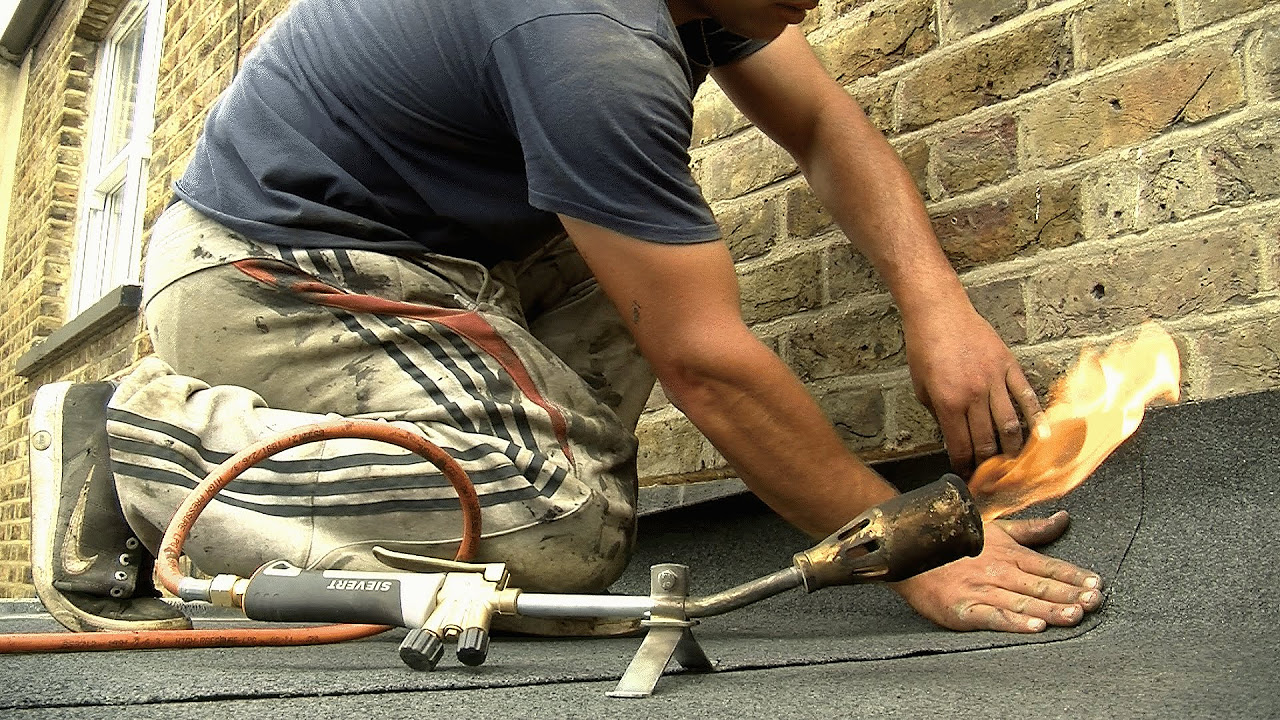
That is why evaluating repair after damage is not just a visual inspection. It is a structured roof inspection and decision-making process that balances urgency, building performance, and cost predictability. The goal is to restore watertight integrity now, while also avoiding “patch and pray” repairs that turn into repeated emergency roof repair calls.
The moment damage shows up: urgency without guessing
After a storm, fire event, or other incident, the roof often tells two stories at once. The first is what you can see, like punctures, dents, loose panels, displaced fasteners, damaged coatings, or staining inside. The second is what you cannot see, like compromised insulation, damaged deck material, deteriorated underlayment, or corrosion pathways that started at a small opening.
Manufacturers and industry guidance consistently push toward using a professional contractor to decide whether repair or replacement is best. That advice matters because roof damage evaluations are one part physics and one part risk management. A patch can stop an active leak, but it may not address the full extent of water intrusion or the underlying condition of adjacent roof components.
In practical terms, a good evaluation starts with controlling the problem. If there is active leaking, emergency roof repair is often needed quickly to protect interior spaces, contents, and tenant operations. But even in an emergency, a competent contractor should still document the damage and create a repair plan based on roof inspection findings, not just immediate symptom control.
Repair versus replacement: what the decision usually comes down to
You can think of repair and roof replacement as two different strategies:
- Repair is the focused restoration of the specific damaged elements.
- Replacement is a more comprehensive renewal when the roof system’s condition or the damage pattern makes repair less durable.
A common rule of thumb used in roof damage discussions is that small, isolated problems can often be repaired, while older roofs, widespread damage, recurring leaks, or multiple trouble spots may justify replacement. That rule is not a law of nature, but it gives you a useful starting point during evaluation.
Another key point from safety-focused guidance is that properly designed, installed, and maintained roofs can significantly reduce damage from hazards, and post-event evaluation can help identify cases where repair is preferable to full replacement. In other words, the decision is not automatic. It is based on what the event actually did to the roof system and what condition the roof was already in before the event.
For commercial facilities, this becomes even more operationally important. Roof replacement after leak or after fire damage roof replacement can interrupt tenant schedules, affect logistics, and require more planning than a localized repair. On the other hand, repeated repairs can be disruptive too, and they can accumulate costs without restoring long-term roof performance.
Start with the roof inspection, not the leak
A roof leak repair job can go wrong when the inspection stops at the leak stain or the first visible opening. Water often travels laterally under certain roof assemblies. That means the “leak point” might be several feet away from the “damage point.”
A professional roof inspection typically focuses on:
- Where the roof was compromised (penetrations, seams, edges, transitions, damaged panels)
- How water is likely to have moved
- Whether the damage is isolated or part of a broader pattern
- The condition of surrounding roof components and the roof system as a whole
For commercial metal roofing, the evaluation needs to recognize that metal panels and accessories depend on fasteners, closures, flashing, and the interfaces between components. If those elements are affected, a simple cosmetic fix may not restore watertight performance.
What “small and isolated” looks like in the field
It is tempting to treat any localized issue as “small,” but “small” in a roof context usually means more than a small spot on the surface. It means the damage is limited in size and limited in impact.
A repair can be more reasonable when the contractor can confirm that:
- The roof damage is confined to a limited area
- The underlying layers are not compromised beyond what can be replaced or restored
- There is no pattern suggesting the event affected multiple roof components
- The roof is not already near end of useful service life in a way that makes additional repair a temporary bridge
For example, suppose a section of commercial metal roofing has a localized puncture near a curb. Emergency roof repair may include stabilizing the opening immediately, then a follow-up repair plan that restores the affected metal components and adjacent interfaces. If the surrounding roof shows no additional failures and the roof system around the puncture is in good condition, repair is often a better fit.
The more the damage looks like a “system problem” rather than a single failure, the more replacement starts to make sense.
The aging factor: why older roofs tilt toward replacement
The roof replacement decision often becomes clearer when the roof is older. That “older roofs” rule of thumb exists for roof repair cost a reason: even if only one area is actively failing, the remaining system may be closer to the point where other components will fail soon.
The practical reality is that roof systems accumulate wear from sun exposure, thermal cycling, moisture exposure, debris, and past maintenance decisions. Even if a metal roof can remain structurally sound, adjacent elements like flashing interfaces and roof accessories may be more vulnerable over time.
So, during evaluation, a contractor will consider whether the roof is at a stage where a targeted roof repair is likely to be followed by additional failures. That is one of the main reasons the repair-versus-replacement discussion often turns into an “economic durability” question, not just a “can we stop this leak today” question.
Recurring leaks and multiple trouble spots
Recurring leaks are a strong signal that something more than a single localized defect is going on. If the same area or neighboring areas keep leaking after repairs, the evaluation has to look at the full assembly behavior, not just the most obvious opening.
The rule of thumb that recurring leaks or multiple trouble spots justify replacement aligns with how water intrusion behaves. If water is finding pathways repeatedly, it can indicate:
- More than one compromised interface
- Improper or incomplete sealing of transitions
- Hidden deterioration behind the visible damage
- A broader condition problem in the roof system
For commercial buildings with ongoing occupancy, recurring leaks are also operationally expensive. Each event triggers response time, disruption, and documentation, and it can strain the budget because emergency roof repair tends to carry urgency premiums and scheduling constraints.
How fire damage changes the evaluation
Fire damage roof replacement deserves its own lane in the decision-making process because fire can affect more than the surface. Even when a roof does not visibly look catastrophically damaged, heat exposure can change how materials perform and can increase risk even after early stabilization.
Guidance focused on post-event evaluation notes that hazards like fire can alter whether repair is feasible. That means a contractor should treat fire impacts as a “system condition” issue. The evaluation may find enough risk that roof replacement becomes the more responsible choice, even if the damage looks limited on top.
In a fire situation, you are also dealing with multiple unknowns, including whether roof layers are still performing as designed. That is where a cautious approach pays off. A “quick patch” may stop a surface problem but miss deeper damage that will show up later.
A quick note on low-slope and commercial systems
Commercial roofs are not all steep-slope assemblies. Low-slope systems are common in commercial construction, and roof evaluation guidance specifically addresses low-slope repair and replacement evaluation for materials including low-slope metal and spray polyurethane foam. While the details vary by system, the underlying logic is consistent: hazard type, fire, hail, wind, and structural distortion can change whether repair is feasible.
That matters for metal roofs too. Wind damage and distortion are not just cosmetic, and hail can create impacts that do not look dramatic from the ground but can still compromise water-shedding behavior. Once distortion affects how the roof drains, repair decisions become more complex.
When metal panels look okay but the roof still isn’t watertight
A common failure mode in roofing conversations is focusing on the panel surface only. Metal roofing systems can appear intact while water intrusion is happening through interfaces: edges, seams, penetrations, and transitions.
That is one reason that roof inspection should not be purely visual. A good evaluation considers where water could travel and whether components are still doing their job. It is also why documenting conditions matters, especially after emergencies.
If you are watching a roof leak repair scenario unfold, pay attention to whether the contractor can explain the suspected flow path. A credible explanation is often the difference between a short-term patch and a repair that holds.
Practical trade-offs: cost predictability versus interruption
Roof replacement cost is usually the yardstick people reach for first. In many contexts, replacement is simply more expensive than repair upfront, and it requires more planning.
For asphalt shingle roof replacements, one commonly cited benchmark is an average reported cost of $14,959 in a specific market reference, with the understanding that actual cost varies by roof size, materials, and project complexity. That number is for shingles, not metal, but it highlights a broader point: replacement pricing varies widely based on scope, access, and complexity.
Commercial roof replacement planning introduces additional variables: staging constraints, business operations, and the need to protect interior spaces from ongoing moisture. Meanwhile, a series of small commercial roof repair events can also become costly over time, especially if repairs recur in the same weather conditions or seasons.
So the trade-off is not just “repair cheaper now” versus “replacement more later.” It is “repair may be cheaper now, but replacement may be cheaper long-term if the damage pattern or roof age makes future failures likely.”
What emergency roof repair should accomplish, and what it should not
Emergency roof repair is about stopping active intrusion and reducing further damage. It should create a safe, watertight condition temporarily or semi-permanently while a fuller evaluation proceeds.
The risk is when an emergency response becomes the final fix without addressing the real cause. If the contractor performs emergency stabilization but later finds wider spread damage, you can end up with additional costs and a longer timeline, even if the initial emergency response was technically competent.
A good Commercial Roof Replacement approach is to separate roles:
- Stabilize and protect immediately
- Inspect thoroughly and document extent
- Decide on repair or roof replacement based on roof inspection findings and overall condition
That approach matches how manufacturers and safety guidance frame post-event evaluation, where repair can be preferable in certain cases, but only after you understand the full extent.
A simple decision framework you can use with your contractor
You will get the best results when you ask the right questions, not just for a yes or no on repair. Since you may not see the hidden layers yourself, your leverage is in the evaluation process.
Here is a compact set of questions that tend to surface the difference between a surface patch and a durable fix:
- What areas are affected, and are there multiple trouble spots or one isolated damage area?
- Is the roof an older system where additional repairs are likely to be short-lived?
- Is there evidence of recurring leaks or repeat failures in that zone?
- Does the damage pattern suggest broader system issues, such as distortion from wind?
- Based on the roof inspection, do we recommend commercial roof repair or commercial roof replacement, and why?
The answers should reference roof inspection findings and observable indicators, not just general opinions. If you get vague explanations, ask for clearer documentation. In commercial settings, written documentation also helps coordinate insurance conversations and maintenance planning.
Material context: how metal roofing decisions differ from other systems
Your facility might not only have metal. Some commercial properties include multiple roof types across buildings or additions, including TPO roofing installation, EPDM commercial roofing, modified bitumen roofing, PVC roofing, and flat roof installation and repair assemblies. Even when you have commercial metal roofing on one portion, interface details between different systems matter.
If metal roofing connects to a roof membrane or an adjacent low-slope system, a repair plan that ignores that junction can be incomplete. Water often attacks the seam between systems first, not always the middle of a field panel.
Even with a single material roof, different installers and past maintenance can change how the assembly behaves. That is why the evaluation should consider the current condition and past work, not just what the roof looks like today.
For a metal roof installation and repair effort, the repair decision should reflect how the metal system interfaces with the rest of the roof assembly, and whether those interfaces are still functional.
Repair scope expectations: what “good repair” generally includes
It is hard to describe repair scope without sliding into system-specific details that vary by design. But the general standard for a durable roof repair is that it restores watertight performance and addresses damaged components, not just the visible symptom.
In roof replacement, a typical process includes removing old roofing materials, installing new underlayment and roofing materials, replacing flashings and ridge caps, and cleaning up the site. While that description is often discussed in residential contexts, the underlying logic transfers: replacement addresses layers and accessories, not only the surface layer. The repair equivalent is that a qualified repair should restore the affected components and associated interfaces so the system can shed water the way it was designed to.
When repair is chosen, the scope should match the cause. If fasteners, panels, or flashing are compromised, those elements should be handled appropriately. If the contractor plans only a surface cover while leaving damaged interfaces in place, you should treat that as a warning sign, especially if recurring leaks are already on the table.
What about roof replacement after leak: when it is the right call
Roof replacement after leak is the phrase people use when a leak becomes a turning point. Sometimes a leak is truly isolated. Other times, a leak is the first visible sign of a larger moisture event that has already affected multiple roof components.
If the roof inspection reveals multiple affected areas, recurring leaks, or broader system compromise, then commercial roof replacement becomes less of a “worst case” and more of a responsible path. The goal is to stop repeating the cycle.
A roof leak repair plan that keeps relocating the same trouble spot is typically not an ideal long-term strategy. At that stage, replacement decisions are usually about restoring durability and predictability.
Practical numbers and expectations: budgets and timelines
People often ask for numbers early, which is reasonable. But the more important thing is that roof replacement cost or repair pricing depends on scope, size, materials, access, and complexity. Even within one material type, work can vary widely based on how much needs to be removed and how much restoration is required.
If you need a budgeting conversation, try to request pricing options that correspond to the inspection outcomes:
- A repair option for confirmed localized damage
- A replacement option if multiple trouble spots or roof condition suggests limited durability for repairs
That way, you are not arguing about cost without a plan. You can compare options based on what the contractor found, and you can keep the discussion anchored to roof inspection results.
Keeping the roof from becoming a repeat problem
After a repair or replacement, maintenance and response habits influence how often you need to go back out in emergency mode.
Since properly designed and maintained roofs can reduce hazard damage, the “maintained” part is not optional. It includes timely attention to roof leaks repair needs, keeping an eye on penetrations and edges, and making sure repairs actually match the roof system.
If your property has a history of leaks, treat that information as part of the evaluation. Recurring leaks and multiple trouble spots are signals, but they are also data you already have. A contractor should ask about those past events and incorporate them into the decision process.
If you are deciding right now, what to do next
If damage is fresh and active leaking is involved, your next step should be immediate stabilization, followed by a roof inspection that produces an actual repair-versus-replacement recommendation grounded in observed conditions.
If you are doing this proactively, before the next storm season, your next step should be scheduling roof inspection with a contractor experienced in the specific roof type. For facilities with commercial metal roofing, the contractor should understand metal roof installation and repair, the role of interfaces, and how hazard impacts like wind distortion and hail can influence feasibility of repair.
Either way, the best decisions come from a clear understanding of what is damaged, how the roof system is behaving, and whether the roof is still capable of long-term performance with targeted repair.
If the contractor can walk you through those factors with confidence, you are usually in good shape, even if the final recommendation is commercial roof replacement. If they cannot, you should slow down, because repair after damage is one of those areas where “fast” can accidentally become “expensive later.”

Public Last updated: 2026-08-04 06:51:10 PM