Enhancing Efficiency Standards for Diesel Generators
Introduction
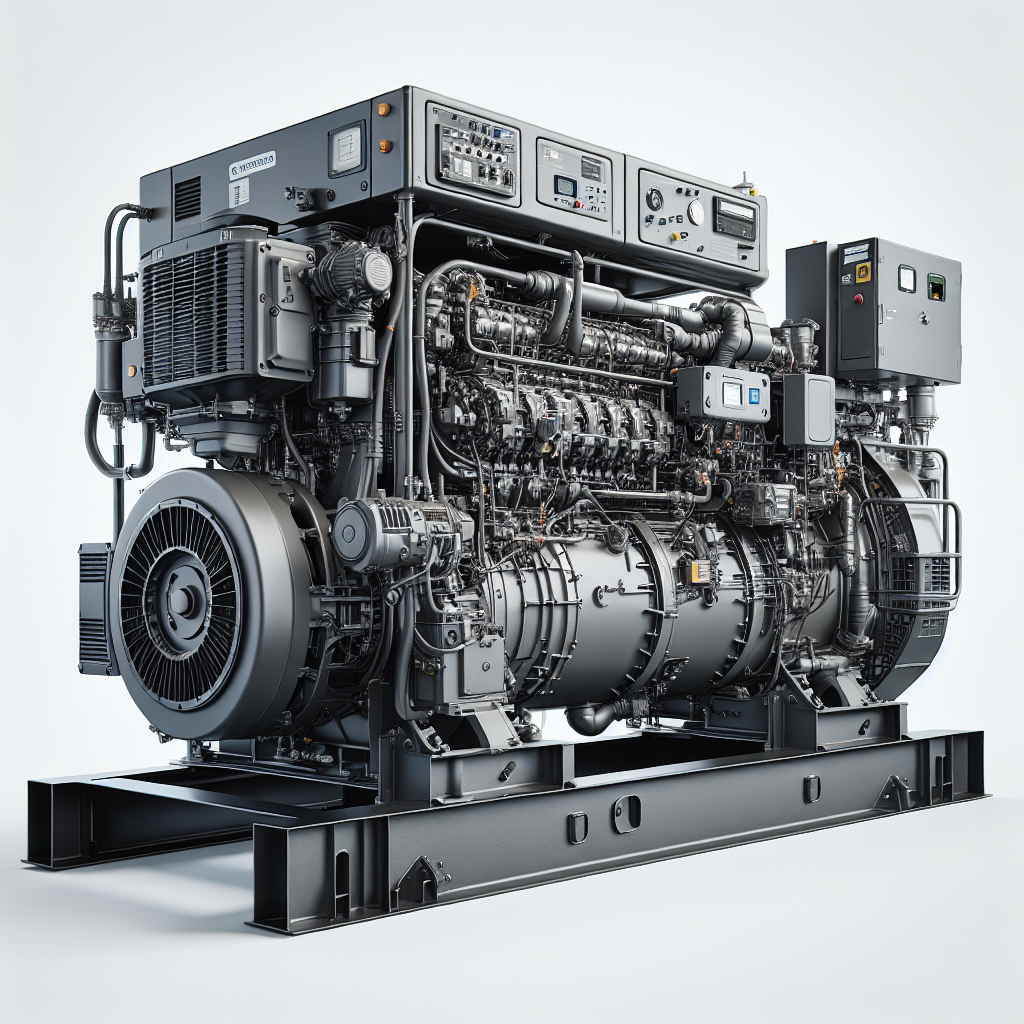
Diesel generators have been a vital source of backup power for various applications, including industrial, commercial, and residential settings. The reliability and cost-effectiveness of diesel generators have made them a popular choice for powering essential equipment and facilities during power outages. However, as the world shifts towards sustainable and energy-efficient solutions, the need to enhance efficiency standards for diesel generators becomes increasingly important.
In this article, we will explore the current state of diesel generator efficiency, the factors influencing their performance, and the potential for improving efficiency standards to align with global energy conservation goals. We will also discuss the benefits of adopting more stringent efficiency standards for diesel generators and the technological advancements that can contribute to achieving higher levels of efficiency.
Current State of Diesel Generator Efficiency
The efficiency of a diesel generator is a measure of how effectively it converts fuel into electrical power. It is commonly expressed as a percentage, indicating the ratio of electrical power output to the total energy input from the fuel. The efficiency of a diesel generator is influenced by various factors, including engine design, size, load profile, maintenance practices, and operating conditions.
While modern diesel generators have shown significant improvements in efficiency compared to older models, there is still room for further enhancement. The current average efficiency of diesel generators ranges from 30% to 40%, depending on the specific design and application. This means that a considerable amount of energy from the fuel is lost as heat during the combustion process and in the mechanical and electrical conversion stages.
Factors Influencing Diesel Generator Efficiency
Several key factors influence the efficiency of diesel generators, and understanding these factors is crucial for identifying opportunities for improvement. Some of the primary factors affecting diesel generator efficiency include:
1. Engine Design: The design and configuration of the diesel engine play a significant role in determining its efficiency. Factors such as compression ratio, combustion chamber design, and fuel injection system can impact the overall thermal efficiency of the engine.
2. Load Profile: Diesel generators operate most efficiently when they are running at a consistent and optimal load level. Variations in load demand can lead to inefficiencies and increased fuel consumption, especially during partial load conditions.
3. Maintenance Practices: Regular maintenance and servicing of diesel generators are essential for ensuring optimal performance and efficiency. Neglected maintenance can result in decreased efficiency due to issues such as dirty filters, worn-out components, and suboptimal fuel combustion.
4. Operating Conditions: Ambient temperature, humidity, altitude, and other environmental factors can influence the efficiency of diesel generators. Engine performance may vary under different operating conditions, affecting overall efficiency.
5. Fuel Quality: The quality and properties of the diesel fuel used in generators can impact combustion efficiency and emissions. Contaminants, water content, and low-quality fuel can lead to reduced efficiency and increased maintenance requirements.
Benefits of Enhancing Efficiency Standards for Diesel Generators
Setting and enforcing higher efficiency standards for diesel generators can lead to a wide range of benefits for both users and the environment. Some of the key benefits include:
1. Reduced Fuel Consumption: High-efficiency diesel generators consume less fuel for the same power output, resulting in cost savings and reduced reliance on fossil fuels.
2. Lower Emissions: Improved efficiency in diesel generators can lead to lower emissions of pollutants such as nitrogen oxides (NOx), particulate matter, and carbon monoxide, contributing to better air quality and environmental protection.
3. Energy Conservation: By maximizing the energy conversion efficiency of diesel generators, overall energy conservation goals can be advanced, aligning with global efforts to reduce energy consumption and minimize waste.
4. Cost Savings: Higher efficiency standards can lead to lower operating costs for diesel generator users, including reduced fuel expenses and maintenance requirements.
5. Enhanced Reliability: Efficient diesel generators can operate more reliably and sustainably, providing consistent backup power when needed without excessive fuel consumption.
Technological Advancements for Improving Diesel Generator Efficiency
Advancements in technology play a crucial role in achieving higher efficiency standards for diesel generators. Several innovative approaches and developments have the potential to enhance the efficiency of diesel generators significantly. Some of the key technological advancements include:
1. 200kw diesel generator for small-scale operations : Ongoing research and development efforts focus on optimizing diesel engine design for improved efficiency. This includes advancements in combustion processes, materials, and electronic control systems to achieve higher thermal efficiency and performance.
2. Hybridization and Energy Storage: Integration of energy storage systems and hybrid power solutions can optimize the operation of diesel generators, allowing for more efficient load management and reduced fuel consumption during transient and low-load conditions.
3. Intelligent Control Systems: Smart and adaptive control systems can optimize the operation of diesel generators based on real-time load demand, environmental conditions, and fuel quality, leading to improved overall efficiency.
4. Waste Heat Recovery: Utilizing waste heat recovery systems can capture and convert the thermal energy from the exhaust gases of diesel generators into additional power or useful heat, increasing overall efficiency and reducing waste.
5. Fuel Injection and Combustion Optimization: Advancements in fuel injection technology and combustion optimization techniques can improve the efficiency of diesel engines by enhancing the combustion process and reducing energy losses.
Conclusion
Efficiency standards for diesel generators are essential for promoting sustainable and responsible energy use. By focusing on enhancing efficiency through advanced technology, optimal operation, and strict standards, diesel generators can continue to play a valuable role in providing reliable backup power while minimizing environmental impact and resource consumption. The ongoing pursuit of higher efficiency standards for diesel generators represents a significant opportunity to align with global energy conservation goals and contribute to a more sustainable energy landscape.
Diesel generators have been a vital source of backup power for various applications, including industrial, commercial, and residential settings. The reliability and cost-effectiveness of diesel generators have made them a popular choice for powering essential equipment and facilities during power outages. However, as the world shifts towards sustainable and energy-efficient solutions, the need to enhance efficiency standards for diesel generators becomes increasingly important.
In this article, we will explore the current state of diesel generator efficiency, the factors influencing their performance, and the potential for improving efficiency standards to align with global energy conservation goals. We will also discuss the benefits of adopting more stringent efficiency standards for diesel generators and the technological advancements that can contribute to achieving higher levels of efficiency.
Current State of Diesel Generator Efficiency
The efficiency of a diesel generator is a measure of how effectively it converts fuel into electrical power. It is commonly expressed as a percentage, indicating the ratio of electrical power output to the total energy input from the fuel. The efficiency of a diesel generator is influenced by various factors, including engine design, size, load profile, maintenance practices, and operating conditions.
While modern diesel generators have shown significant improvements in efficiency compared to older models, there is still room for further enhancement. The current average efficiency of diesel generators ranges from 30% to 40%, depending on the specific design and application. This means that a considerable amount of energy from the fuel is lost as heat during the combustion process and in the mechanical and electrical conversion stages.
Factors Influencing Diesel Generator Efficiency
Several key factors influence the efficiency of diesel generators, and understanding these factors is crucial for identifying opportunities for improvement. Some of the primary factors affecting diesel generator efficiency include:
1. Engine Design: The design and configuration of the diesel engine play a significant role in determining its efficiency. Factors such as compression ratio, combustion chamber design, and fuel injection system can impact the overall thermal efficiency of the engine.
2. Load Profile: Diesel generators operate most efficiently when they are running at a consistent and optimal load level. Variations in load demand can lead to inefficiencies and increased fuel consumption, especially during partial load conditions.
3. Maintenance Practices: Regular maintenance and servicing of diesel generators are essential for ensuring optimal performance and efficiency. Neglected maintenance can result in decreased efficiency due to issues such as dirty filters, worn-out components, and suboptimal fuel combustion.
4. Operating Conditions: Ambient temperature, humidity, altitude, and other environmental factors can influence the efficiency of diesel generators. Engine performance may vary under different operating conditions, affecting overall efficiency.
5. Fuel Quality: The quality and properties of the diesel fuel used in generators can impact combustion efficiency and emissions. Contaminants, water content, and low-quality fuel can lead to reduced efficiency and increased maintenance requirements.
Benefits of Enhancing Efficiency Standards for Diesel Generators
Setting and enforcing higher efficiency standards for diesel generators can lead to a wide range of benefits for both users and the environment. Some of the key benefits include:
1. Reduced Fuel Consumption: High-efficiency diesel generators consume less fuel for the same power output, resulting in cost savings and reduced reliance on fossil fuels.
2. Lower Emissions: Improved efficiency in diesel generators can lead to lower emissions of pollutants such as nitrogen oxides (NOx), particulate matter, and carbon monoxide, contributing to better air quality and environmental protection.
3. Energy Conservation: By maximizing the energy conversion efficiency of diesel generators, overall energy conservation goals can be advanced, aligning with global efforts to reduce energy consumption and minimize waste.
4. Cost Savings: Higher efficiency standards can lead to lower operating costs for diesel generator users, including reduced fuel expenses and maintenance requirements.
5. Enhanced Reliability: Efficient diesel generators can operate more reliably and sustainably, providing consistent backup power when needed without excessive fuel consumption.
Technological Advancements for Improving Diesel Generator Efficiency
Advancements in technology play a crucial role in achieving higher efficiency standards for diesel generators. Several innovative approaches and developments have the potential to enhance the efficiency of diesel generators significantly. Some of the key technological advancements include:
1. 200kw diesel generator for small-scale operations : Ongoing research and development efforts focus on optimizing diesel engine design for improved efficiency. This includes advancements in combustion processes, materials, and electronic control systems to achieve higher thermal efficiency and performance.
2. Hybridization and Energy Storage: Integration of energy storage systems and hybrid power solutions can optimize the operation of diesel generators, allowing for more efficient load management and reduced fuel consumption during transient and low-load conditions.
3. Intelligent Control Systems: Smart and adaptive control systems can optimize the operation of diesel generators based on real-time load demand, environmental conditions, and fuel quality, leading to improved overall efficiency.
4. Waste Heat Recovery: Utilizing waste heat recovery systems can capture and convert the thermal energy from the exhaust gases of diesel generators into additional power or useful heat, increasing overall efficiency and reducing waste.
5. Fuel Injection and Combustion Optimization: Advancements in fuel injection technology and combustion optimization techniques can improve the efficiency of diesel engines by enhancing the combustion process and reducing energy losses.
Conclusion
Efficiency standards for diesel generators are essential for promoting sustainable and responsible energy use. By focusing on enhancing efficiency through advanced technology, optimal operation, and strict standards, diesel generators can continue to play a valuable role in providing reliable backup power while minimizing environmental impact and resource consumption. The ongoing pursuit of higher efficiency standards for diesel generators represents a significant opportunity to align with global energy conservation goals and contribute to a more sustainable energy landscape.

Public Last updated: 2025-03-12 03:45:31 AM