The Essential Guide to Diesel Generators for Construction Sites
Introduction
Diesel generators are a vital piece of equipment for construction sites around the world. These powerful machines provide a reliable source of electricity to keep construction projects running smoothly, even in remote or off-grid locations. In this comprehensive guide, we will explore the importance of diesel generators for construction sites, how they work, their benefits and drawbacks, maintenance tips, and factors to consider when choosing the right generator for your project.
Importance of Diesel Generators for Construction Sites
Construction sites are dynamic environments that require a steady supply of electricity to power a wide range of tools and equipment. From power tools and lighting to heavy machinery and temporary office trailers, construction sites rely on electricity to keep operations running efficiently. In many cases, construction sites are located in remote areas where access to the grid is limited or unreliable. This is where diesel generators come in.
Diesel generators are a popular choice for construction sites due to their reliability, durability, and ability to provide a consistent source of power even in the most challenging conditions. These generators are capable of producing large amounts of electricity, making them ideal for powering heavy-duty equipment and machinery on construction sites. Their portability also makes them a versatile option for use in different locations on the job site.
How Diesel Generators Work
Diesel generators work on the principle of converting diesel fuel into electrical energy through a process known as combustion. The basic components of a diesel generator include an engine, alternator, fuel system, cooling system, and control panel.
1. Engine: The engine is the heart of the diesel generator and is responsible for converting the chemical energy in diesel fuel into mechanical energy. Diesel engines are known for their efficiency and durability, making them a popular choice for generator applications.
2. Alternator: The alternator is connected to the engine and is responsible for converting the mechanical energy produced by the engine into electrical energy. The alternator generates an alternating current (AC) that can be used to power electrical devices and equipment on the construction site.
3. Fuel System: Diesel generators are designed to run on diesel fuel, which is stored in a fuel tank connected to the generator. The fuel is injected into the engine where it is combusted to produce the energy needed to power the generator.
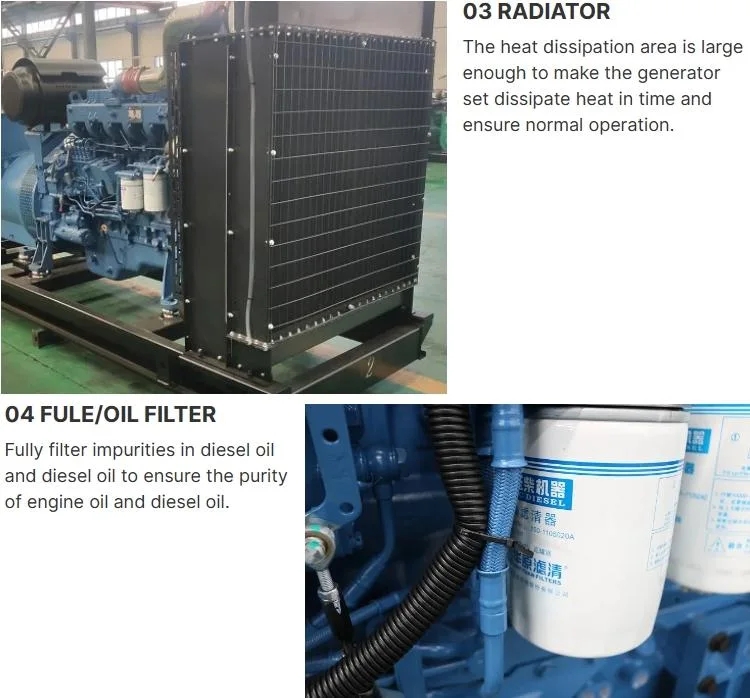
4. Cooling System: Diesel engines generate a significant amount of heat during operation, so a cooling system is essential to prevent overheating. The cooling system typically consists of a radiator and a fan that help regulate the engine's temperature.
5. Control Panel: The control panel is the interface through which operators can start, stop, and monitor the diesel generator. It displays important information such as voltage output, fuel levels, and operating hours, allowing operators to effectively manage the generator's performance.
Benefits of Diesel Generators for Construction Sites
Diesel generators offer a range of benefits that make them well-suited for construction site applications. Some of the key advantages of diesel generators include:
1. Reliability: Diesel generators are known for their reliability and durability, making them a dependable source of power for construction sites. They can operate continuously for long periods without experiencing significant performance issues, ensuring uninterrupted power supply to critical equipment.
2. High Power Output: Diesel generators are capable of producing high power output, making them suitable for powering heavy-duty equipment and machinery on construction sites. They can handle sudden spikes in power demand without compromising performance, making them a versatile solution for various applications.
3. Fuel Efficiency: Diesel generators are more fuel-efficient compared to other types of generators, such as gasoline or propane generators. This results in lower fuel consumption and operating costs, making diesel generators a cost-effective choice for construction sites in the long run.
4. Longevity: Diesel generators are built to last and can withstand harsh environmental conditions commonly found on construction sites. Their robust construction and high-quality components ensure a long service life, reducing the need for frequent repairs or replacements.
5. Portability: Diesel generators are available in a wide range of sizes and configurations, making them highly portable and easy to transport to different locations on the construction site. This flexibility allows operators to quickly set up the generator wherever power is needed, enhancing productivity and efficiency.
Drawbacks of Diesel Generators for Construction Sites
While diesel generators offer numerous advantages, they also come with some drawbacks that should be considered before choosing a generator for a construction site. Some of the potential drawbacks of diesel generators include:
1. Noise and Emissions: Diesel generators can be noisy during operation, which may be a concern for construction sites located in residential or noise-sensitive areas. Additionally, diesel generators produce emissions such as nitrogen oxides and particulate matter, which can have environmental implications if not properly managed.
2. Maintenance Requirements: Diesel generators require regular maintenance to ensure optimal performance and longevity. This includes tasks such as changing the oil, replacing filters, inspecting the fuel system, and monitoring coolant levels. Failure to perform routine maintenance can lead to breakdowns and costly repairs.
3. Initial Cost: Diesel generators tend to have a higher initial cost compared to other types of generators, such as gasoline or natural gas generators. While the long-term operational cost of diesel generators may be lower due to their fuel efficiency and reliability, the upfront investment can be a significant consideration for construction projects with budget constraints.
4. Fuel Storage and Handling: Diesel fuel needs to be stored and handled properly to prevent contamination and ensure a consistent fuel supply for the generator. 300kw diesel generator for remote agricultural operations must have adequate fuel storage facilities and follow safety protocols when refueling the generator to minimize the risk of accidents or fuel spills.
Maintenance Tips for Diesel Generators
Proper maintenance is essential to ensure the reliable performance and longevity of diesel generators on construction sites. By following these maintenance tips, operators can maximize the efficiency and effectiveness of their generators:
1. Regular Inspection: Conduct regular visual inspections of the generator to check for signs of wear, leaks, or damage. Inspect components such as hoses, belts, filters, and connections to ensure they are in good condition and functioning properly.
2. Oil and Filter Changes: Change the oil and oil filter at regular intervals as recommended by the manufacturer. Clean oil is essential for lubricating the engine and reducing friction, while a clean filter helps trap contaminants and prevent them from circulating in the engine.
3. Fuel System Maintenance: Keep the fuel system clean and free of contaminants by using clean fuel and regularly replacing fuel filters. Inspect the fuel lines, injectors, and fuel tank for any signs of leaks or blockages that could affect the generator's performance.
4. Cooling System Care: Monitor the coolant levels and inspect the radiator and hoses for leaks or damage. Overheating can cause serious damage to the engine, so it is important to ensure the cooling system is functioning properly and the engine is operating at the correct temperature.
5. Battery Check: Check the battery terminals for corrosion and ensure the battery is fully charged to avoid starting issues. Test the battery regularly and replace it if necessary to prevent unexpected downtime due to a dead battery.
6. Load Testing: Periodically test the generator under load conditions to verify its performance and ensure it can handle the required power output. Load testing helps identify any issues with the generator's capacity or efficiency before they become major problems.
Factors to Consider When Choosing a Diesel Generator for Construction Sites
When selecting a diesel generator for a construction site, there are several key factors to consider to ensure you choose the right generator for your specific needs. Some of the important factors to keep in mind include:
1. Power Output: Determine the power requirements of your construction site based on the equipment and machinery that need to be powered by the generator. Choose a generator with a sufficient power output to handle the total load, including starting currents and peak demands.
2. Portability: Consider the portability of the generator and whether it can be easily transported to different locations on the construction site. Choose a generator with wheels or a skid-mounted design for easy mobility and flexibility in positioning the generator as needed.
3. Fuel Efficiency: Look for a diesel generator that is fuel-efficient to minimize operating costs and reduce fuel consumption. Select a generator with a high fuel efficiency rating and features such as automatic load sensing to optimize fuel usage based on power demand.
4. Noise Level: Evaluate the noise level of the generator and choose a model that meets noise regulations and requirements for the construction site. Consider using soundproof enclosures or barriers to reduce noise emissions and minimize disturbances to workers and nearby residents.
5. Environmental Impact: Assess the environmental impact of the generator and ensure it complies with emission regulations and standards. Choose a generator with advanced emissions control technology, such as catalytic converters and particulate filters, to minimize harmful emissions and reduce air pollution.
6. Maintenance Requirements: Consider the maintenance requirements of the generator and choose a model that is easy to service and maintain. Look for features such as accessible service points, user-friendly controls, and remote monitoring capabilities to simplify maintenance tasks and minimize downtime.
7. Budget: Determine your budget for purchasing or renting a diesel generator and compare different models based on their features, specifications, and pricing. Consider the total cost of ownership, including fuel, maintenance, and operational costs, to choose a generator that offers the best value for your investment.
Conclusion
Diesel generators play a crucial role in powering construction sites and ensuring the efficient operation of equipment and machinery in challenging environments. These versatile generators offer a reliable and cost-effective source of electricity for construction projects of all sizes, from small residential developments to large-scale infrastructure projects. By understanding the importance of diesel generators, how they work, their benefits and drawbacks, maintenance tips, and factors to consider when choosing a generator, construction site operators can make informed decisions to select the right generator for their specific needs. With proper maintenance and care, diesel generators can provide years of dependable service and help construction projects stay on schedule and within budget.
Diesel generators are a vital piece of equipment for construction sites around the world. These powerful machines provide a reliable source of electricity to keep construction projects running smoothly, even in remote or off-grid locations. In this comprehensive guide, we will explore the importance of diesel generators for construction sites, how they work, their benefits and drawbacks, maintenance tips, and factors to consider when choosing the right generator for your project.
Importance of Diesel Generators for Construction Sites
Construction sites are dynamic environments that require a steady supply of electricity to power a wide range of tools and equipment. From power tools and lighting to heavy machinery and temporary office trailers, construction sites rely on electricity to keep operations running efficiently. In many cases, construction sites are located in remote areas where access to the grid is limited or unreliable. This is where diesel generators come in.
Diesel generators are a popular choice for construction sites due to their reliability, durability, and ability to provide a consistent source of power even in the most challenging conditions. These generators are capable of producing large amounts of electricity, making them ideal for powering heavy-duty equipment and machinery on construction sites. Their portability also makes them a versatile option for use in different locations on the job site.
How Diesel Generators Work
Diesel generators work on the principle of converting diesel fuel into electrical energy through a process known as combustion. The basic components of a diesel generator include an engine, alternator, fuel system, cooling system, and control panel.
1. Engine: The engine is the heart of the diesel generator and is responsible for converting the chemical energy in diesel fuel into mechanical energy. Diesel engines are known for their efficiency and durability, making them a popular choice for generator applications.
2. Alternator: The alternator is connected to the engine and is responsible for converting the mechanical energy produced by the engine into electrical energy. The alternator generates an alternating current (AC) that can be used to power electrical devices and equipment on the construction site.
3. Fuel System: Diesel generators are designed to run on diesel fuel, which is stored in a fuel tank connected to the generator. The fuel is injected into the engine where it is combusted to produce the energy needed to power the generator.
4. Cooling System: Diesel engines generate a significant amount of heat during operation, so a cooling system is essential to prevent overheating. The cooling system typically consists of a radiator and a fan that help regulate the engine's temperature.
5. Control Panel: The control panel is the interface through which operators can start, stop, and monitor the diesel generator. It displays important information such as voltage output, fuel levels, and operating hours, allowing operators to effectively manage the generator's performance.
Benefits of Diesel Generators for Construction Sites
Diesel generators offer a range of benefits that make them well-suited for construction site applications. Some of the key advantages of diesel generators include:
1. Reliability: Diesel generators are known for their reliability and durability, making them a dependable source of power for construction sites. They can operate continuously for long periods without experiencing significant performance issues, ensuring uninterrupted power supply to critical equipment.
2. High Power Output: Diesel generators are capable of producing high power output, making them suitable for powering heavy-duty equipment and machinery on construction sites. They can handle sudden spikes in power demand without compromising performance, making them a versatile solution for various applications.
3. Fuel Efficiency: Diesel generators are more fuel-efficient compared to other types of generators, such as gasoline or propane generators. This results in lower fuel consumption and operating costs, making diesel generators a cost-effective choice for construction sites in the long run.
4. Longevity: Diesel generators are built to last and can withstand harsh environmental conditions commonly found on construction sites. Their robust construction and high-quality components ensure a long service life, reducing the need for frequent repairs or replacements.
5. Portability: Diesel generators are available in a wide range of sizes and configurations, making them highly portable and easy to transport to different locations on the construction site. This flexibility allows operators to quickly set up the generator wherever power is needed, enhancing productivity and efficiency.
Drawbacks of Diesel Generators for Construction Sites
While diesel generators offer numerous advantages, they also come with some drawbacks that should be considered before choosing a generator for a construction site. Some of the potential drawbacks of diesel generators include:
1. Noise and Emissions: Diesel generators can be noisy during operation, which may be a concern for construction sites located in residential or noise-sensitive areas. Additionally, diesel generators produce emissions such as nitrogen oxides and particulate matter, which can have environmental implications if not properly managed.
2. Maintenance Requirements: Diesel generators require regular maintenance to ensure optimal performance and longevity. This includes tasks such as changing the oil, replacing filters, inspecting the fuel system, and monitoring coolant levels. Failure to perform routine maintenance can lead to breakdowns and costly repairs.
3. Initial Cost: Diesel generators tend to have a higher initial cost compared to other types of generators, such as gasoline or natural gas generators. While the long-term operational cost of diesel generators may be lower due to their fuel efficiency and reliability, the upfront investment can be a significant consideration for construction projects with budget constraints.
4. Fuel Storage and Handling: Diesel fuel needs to be stored and handled properly to prevent contamination and ensure a consistent fuel supply for the generator. 300kw diesel generator for remote agricultural operations must have adequate fuel storage facilities and follow safety protocols when refueling the generator to minimize the risk of accidents or fuel spills.
Maintenance Tips for Diesel Generators
Proper maintenance is essential to ensure the reliable performance and longevity of diesel generators on construction sites. By following these maintenance tips, operators can maximize the efficiency and effectiveness of their generators:
1. Regular Inspection: Conduct regular visual inspections of the generator to check for signs of wear, leaks, or damage. Inspect components such as hoses, belts, filters, and connections to ensure they are in good condition and functioning properly.
2. Oil and Filter Changes: Change the oil and oil filter at regular intervals as recommended by the manufacturer. Clean oil is essential for lubricating the engine and reducing friction, while a clean filter helps trap contaminants and prevent them from circulating in the engine.
3. Fuel System Maintenance: Keep the fuel system clean and free of contaminants by using clean fuel and regularly replacing fuel filters. Inspect the fuel lines, injectors, and fuel tank for any signs of leaks or blockages that could affect the generator's performance.
4. Cooling System Care: Monitor the coolant levels and inspect the radiator and hoses for leaks or damage. Overheating can cause serious damage to the engine, so it is important to ensure the cooling system is functioning properly and the engine is operating at the correct temperature.
5. Battery Check: Check the battery terminals for corrosion and ensure the battery is fully charged to avoid starting issues. Test the battery regularly and replace it if necessary to prevent unexpected downtime due to a dead battery.
6. Load Testing: Periodically test the generator under load conditions to verify its performance and ensure it can handle the required power output. Load testing helps identify any issues with the generator's capacity or efficiency before they become major problems.
Factors to Consider When Choosing a Diesel Generator for Construction Sites
When selecting a diesel generator for a construction site, there are several key factors to consider to ensure you choose the right generator for your specific needs. Some of the important factors to keep in mind include:
1. Power Output: Determine the power requirements of your construction site based on the equipment and machinery that need to be powered by the generator. Choose a generator with a sufficient power output to handle the total load, including starting currents and peak demands.
2. Portability: Consider the portability of the generator and whether it can be easily transported to different locations on the construction site. Choose a generator with wheels or a skid-mounted design for easy mobility and flexibility in positioning the generator as needed.
3. Fuel Efficiency: Look for a diesel generator that is fuel-efficient to minimize operating costs and reduce fuel consumption. Select a generator with a high fuel efficiency rating and features such as automatic load sensing to optimize fuel usage based on power demand.
4. Noise Level: Evaluate the noise level of the generator and choose a model that meets noise regulations and requirements for the construction site. Consider using soundproof enclosures or barriers to reduce noise emissions and minimize disturbances to workers and nearby residents.
5. Environmental Impact: Assess the environmental impact of the generator and ensure it complies with emission regulations and standards. Choose a generator with advanced emissions control technology, such as catalytic converters and particulate filters, to minimize harmful emissions and reduce air pollution.
6. Maintenance Requirements: Consider the maintenance requirements of the generator and choose a model that is easy to service and maintain. Look for features such as accessible service points, user-friendly controls, and remote monitoring capabilities to simplify maintenance tasks and minimize downtime.
7. Budget: Determine your budget for purchasing or renting a diesel generator and compare different models based on their features, specifications, and pricing. Consider the total cost of ownership, including fuel, maintenance, and operational costs, to choose a generator that offers the best value for your investment.
Conclusion
Diesel generators play a crucial role in powering construction sites and ensuring the efficient operation of equipment and machinery in challenging environments. These versatile generators offer a reliable and cost-effective source of electricity for construction projects of all sizes, from small residential developments to large-scale infrastructure projects. By understanding the importance of diesel generators, how they work, their benefits and drawbacks, maintenance tips, and factors to consider when choosing a generator, construction site operators can make informed decisions to select the right generator for their specific needs. With proper maintenance and care, diesel generators can provide years of dependable service and help construction projects stay on schedule and within budget.

Public Last updated: 2025-03-12 02:48:37 AM