The Surprising Magic Hidden in Phonics Books

Ever stumbled upon a dusty shelf of children's books and thought, “Aren’t all these the same?” Well, think again. Phonics books are in a league of their own. These magical little masterpieces might just be the unsung heroes of early education—unlocking the mysteries of the English language one sound at a time. But what makes them tick? And why are they so darn effective?
What Exactly *Are* Phonics Books?
If you've ever found yourself scratching your head while watching a child decode the word “bat,” welcome to the wonderful world of phonics. At their core, phonics books are educational tools designed to teach children how letters and sounds work together. But let’s not put them in a box—they're so much more than ABCs on a page!
The Building Blocks of Literacy
Phonics books are typically structured around a systematic introduction of sounds, or phonemes, paired with engaging visuals and simple storylines. These books slowly but surely help kids blend, segment, and eventually master the foundations of reading.
More Than Just Sounding Out Words
Sure, they help with decoding, but phonics books do something else too—they boost confidence. There's nothing quite like the sparkle in a child’s eyes when they realize, “Hey, I can read this all by myself!”
Why Are Phonics Books So Effective?
Let’s cut to the chase—phonics works. It’s backed by years of research and real-world classroom wins. But what makes phonics books stand out in the jungle of children’s literature?
Structured Learning That Feels Like Play
Unlike dry drills or rote memorization, phonics books wrap learning in stories. Characters, plots, colorful illustrations—these aren’t just bells and whistles. They help kids internalize sound patterns without even realizing they’re learning. Sneaky, right?
Repetition That Doesn’t Feel Repetitive
Here’s the thing: kids need repetition to learn. But say it too many times the same way, and you’ll lose ‘em. Phonics books repeat with variety—introducing similar sounds in new contexts, making learning stick without the yawns.
What to Look for in Quality Phonics Books?
Not all phonics books are created equal. Some are a total snooze fest, while others light a fire in kids’ minds. So, how do you spot the real gems?
Engaging Characters and Stories
If the plot reads like it was written by a robot (no offense, bots), kids won’t care. Look for books that tell *real* stories, even if they're short. A giggle-worthy main character or a quirky twist can make all the difference.
Sequential Phonics Progression
The best phonics books follow a clear, cumulative structure. They introduce sounds in a strategic order, helping kids build from simple to complex. Random isn’t just confusing—it’s counterproductive.
Multi-Sensory Elements
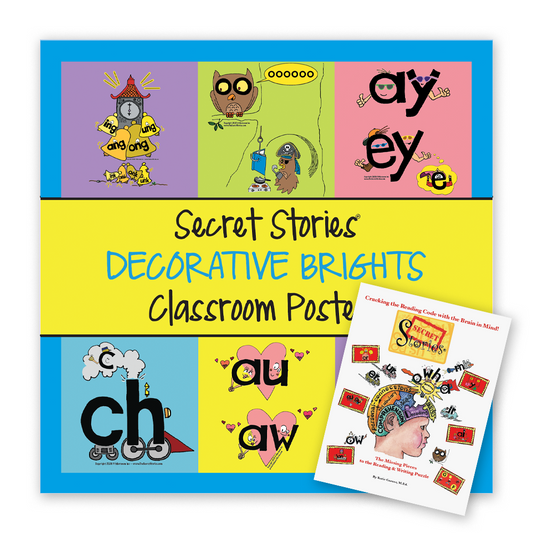
Some standout phonics programs go beyond the page, integrating music, movement, or visual cues. Think dancing letters, catchy rhymes, or mnemonic tricks. Secret Stories does a bang-up job with this approach—just sayin’.
How Phonics Books Shape Lifelong Readers
Remember the first time you got lost in a book? For many kids, that journey starts with phonics books. These aren’t just reading tools—they’re confidence builders, vocabulary expanders, and imagination igniters.
Boosting Early Fluency
By mastering phonics, kids don’t have to guess or memorize. They read with ease, which leads to fluency—and fluency, as we all know, is the ticket to comprehension.
Closing the Reading Gap
For struggling readers, phonics books can be game-changers. They offer a structured way to catch up, bridging the gap between decoding and understanding. It’s not just about keeping up—it’s about thriving.
Secret Stories: Reinventing the Way We Use Phonics Books
Let’s take a moment to shine a spotlight on Secret Stories. This isn’t your typical phonics program. By combining brain science with storytelling magic, Secret Stories makes phonics unforgettable. We’re talking secrets kids can’t wait to tell—and that’s exactly the point. When phonics feels like a game, learning becomes irresistible.
Secret Stories takes the predictable structure of phonics books and turns it on its head. They offer a more intuitive, kid-friendly approach that teaches *why* letters do what they do—no more silent e mysteries or vowel rule confusion. It’s practically wizardry (but rooted in science, of course).
FAQs About Phonics Books
Are phonics books suitable for all ages?
Mostly geared toward early readers (ages 4–8), phonics books are foundational, but they can also help older students who struggle with decoding.
How often should a child read phonics books?
Daily reading is ideal. Even 15 minutes a day can work wonders. Consistency trumps duration every time.
Can phonics books be fun and educational?
Absolutely! In fact, they *should* be. If they’re not fun, you’re reading the wrong ones.
Final Thoughts: The Little Books That Could
So, there you have it. Phonics books might look simple, but they pack a powerful punch. They're the launchpad for a child’s reading journey—cleverly combining structure with creativity, repetition with variety, and fun with functionality.
If you’re a parent, teacher, or just someone who believes in the power of a good story, don’t overlook these small-but-mighty tools. The right phonics books can spark a reading revolution in your home or classroom.
Ready to Turn Reading Into a Superpower?
Don’t wait another minute. Uncover the secrets behind the best phonics books with https://thesecretstories.com/. Whether you’re teaching your first reader or helping a struggling student finally "crack the code," we’ve got the tools to transform the journey.

Public Last updated: 2025-07-24 02:54:01 PM