One Of The Most Untrue Advices We've Ever Received On 1 Kg Coffee Beans
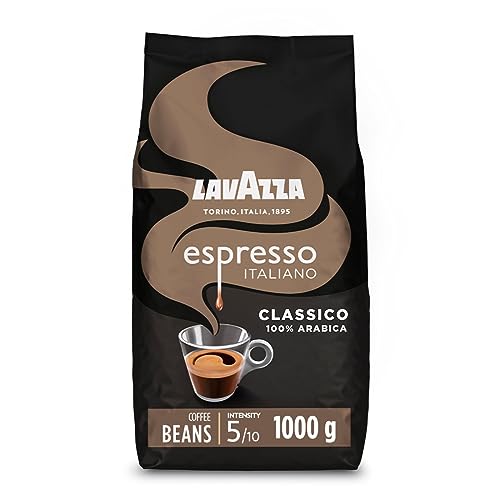
Why Buy Whole Coffee Beans in 1kg Bags?
A kilogram of coffee beans would yield about 142 single-serve coffee cups. This assumes that there are no spills or waste.
A tablespoon of beans in their whole form has about seven grams. When they are ground, however the amount of beans can be more or fewer grams. This is due in size and densities.
Cost
As more coffee drinkers recognize the benefits of making a great cup of joe at home, they are also paying close attention to their coffee beans. The purchase of fresh, whole quality coffee beans in 1kg bags is a wise choice for your taste buds as well as your wallet. 1kg of beans will yield between 55 and 100 cups, depending on how strong your coffee is.
The cost of a kilo of coffee beans depends on various factors, including the cost of processing and transportation. These expenses, which may seem small at first glance however, quickly add up and can have a significant impact on the price of coffee beans. The price of a kilogram of coffee beans could rise if there is a problem with roasting or if it is not of a satisfactory quality.
Apart from these expenses in addition, there are additional indirect costs that coffee producers must consider when planning a budget for their harvests. These expenses include export taxes, the contribucion-cafetera tax charged by FNC, and port fees. Some importers also charge management and administrative costs, which can be quite high.
The cost of roasting coffee is another factor that could influence the cost of a kilogram of coffee beans. The price that coffee beans are sold at retail beans is determined by the price of green coffee and can differ widely. The price of the green coffee also depends on the country and the region where it is produced.
When determining the price of a kg of coffee beans, it is important to also consider any coffee waste that happens during processing or roasting. For organic coffee beans 1kg , coffee waste from the grinder's plates could reduce the weight of the beans. This allows for a more precise calculation of the amount of servings that one kilogram of coffee beans will produce.
The roasting method is also a factor in determining the amount of cups of coffee one kilogram of beans can yield. A light roast is sweet and delicate and a deeper roast is more fruity and intense. The amount of coffee that is produced per kilo will also depend on whether you're using espresso or filter brewing.
Environment
Coffee beans are produced in a setting which is impacted by a variety of environmental issues. Some of these include deforestation, soil erosion, and water pollution. Certain large coffee companies have taken steps to lessen their environmental impact, however there's still plenty of work to be completed. This includes encouraging sustainable agricultural practices and providing financial assistance for initiatives to preserve the environment.
A number of papers have examined the effects of climate changes on coffee production. coffee beans offer can have a major impact on the quality and yields of coffee beans. The impact of climate changes on the production of coffee is dependent on the type of coffee bean and the farming method used. For instance the beans grown by farmers that grow their plants in shade have more acidity, aroma, and typicity than those that are grown in sun. Agroforestry techniques can also result in beans with better flavor, aroma, and acidity.
The overuse of chemicals is another significant issue in the production of coffee. In addition to the negative effects of these chemicals on human and the environment, they also pollute water sources. This is especially the case for coffee that is not organic, which uses a lot of synthetic fertilizers and pesticides. The excess chemicals leach into the water and can disrupt ecosystems, which could affect wildlife as well as humans.
In addition to these issues in addition to these issues, the high cost of coffee production can cause it to be unaffordable for a lot of families. Furthermore, the lack of reliable rain can have a negative effect on the harvest. The conditions for coffee's growth are extremely specific and a lack of rain could result in a poorer harvest.
In addition to these problems, climate change will also have a significant impact on the ability of land to be used for coffee production. According to research, a drastic decrease in suitable land and an increase in areas unsuitable for coffee production will be observed in the majority of the countries that produce coffee. This will lead to conflicts between the production of coffee and nature conservation. This will also reduce the amount of ecosystem service provided by coffee-growing areas, such as providing support or regulation.
coffee beans offer are used in a variety of different ways. They are renowned for their bitterness, but can be controlled with the right mix of ingredients. They can be brewed to make coffee, or used as an ingredient in baking. They can also be shaved into desserts to give them flavor and texture. Coffee beans are a fantastic source of antioxidants that can be utilized in a variety of recipes.
The flavor of coffee is influenced by the quality of the soil, the climate and elevation in the region where it is grown. The methods employed to prepare the beans could also alter their flavour. For example, honey processed coffees tend to have a sweeter, fruitier taste than conventionally-processed coffees. These kinds of coffees are becoming popular with consumers. They also have a lower cost than traditional coffees. They are also more difficult to grow and require a greater degree of skill on the part of the farmer.
Coffee is high in phenolic compounds, which are potent antioxidants. The most significant phenolic compounds are chlorogenic acids. They are derived from esterification of quinic acid using one or more derivatives of trans-cinnamic acids. It has been proven that coffee has the ability to prevent and reduce oxidative damages as well reduce the production inflammatory mediators.
Infusion is one of the most popular ways to prepare coffee. Infusion is among the most popular methods of preparation. There are many flavors you can try. They can range from traditional flavors like chocolate or cinnamon to more exotic ones like ginger, lemon and orange. Some of these flavors are present naturally in the coffee beans, while others require to be added during the roasting process.
Another way to experiment with the taste of coffee is to brew it using different methods. For instance, you could employ a more coarse grind to create a stronger drink, or experiment with brewing with a higher water temperature. These experiments can help you discover your preferred style of brewing.
Another interesting experiment using coffee is to sprinkle grounds on the soil of a potted plant to observe how it affects its growth. Similar experiments have been conducted, and the majority of the time the plants that were given ground coffee grew faster than those that did not.
Taste
The taste of coffee is an individual preference. The best way to discover the best flavor is to experiment with different grind sizes, brewing methods, and even blending beans. You can try more experiments when you purchase by Kilo. This can lead to a more satisfying experience. In the long term, it is more affordable, as buying in bulk reduces packaging waste. The coffee grounds that are a byproduct of your daily brew can be composted. The purchase of bulk quantities is a more environmentally friendly alternative.
If you're just beginning to learn about espresso, it's likely you will need to go through a number of 250g bags to figure out how you can get the extraction right. This isn't an uncommon occurrence and is an important aspect of learning curve. Purchasing by the kilo will give you enough beans to see you through this stage, and perhaps even help you make the leap to other brewing methods after you've learned the basics.
You'll save money by purchasing a kilo instead of smaller bags, because packaging and delivery costs are lower. The purchase of a kilo reduces your carbon footprint, because it uses smaller bags and fewer sealing valves and degassing valves than purchasing just two or three 250g bags at a time. The fewer bags used can also reduce waste in landfills.
A kilo purchase lets you to taste different roasts and flavors and flavors, which is a wonderful experience for coffee enthusiasts. You can also find roasters and vendors who offer discounts on larger purchases. You can also order online and have the beans delivered to your doorstep which is a great option for busy people.
You can also select packages that include a tamper pad, which will help you achieve the consistency and precision needed to make a great espresso shot. This tamper is made of sturdy materials and high-quality products. It is non-slip and reduces noise and ensures that you apply the right amount of pressure to the beans.
A kilogram of coffee beans would yield about 142 single-serve coffee cups. This assumes that there are no spills or waste.
A tablespoon of beans in their whole form has about seven grams. When they are ground, however the amount of beans can be more or fewer grams. This is due in size and densities.
Cost
As more coffee drinkers recognize the benefits of making a great cup of joe at home, they are also paying close attention to their coffee beans. The purchase of fresh, whole quality coffee beans in 1kg bags is a wise choice for your taste buds as well as your wallet. 1kg of beans will yield between 55 and 100 cups, depending on how strong your coffee is.
The cost of a kilo of coffee beans depends on various factors, including the cost of processing and transportation. These expenses, which may seem small at first glance however, quickly add up and can have a significant impact on the price of coffee beans. The price of a kilogram of coffee beans could rise if there is a problem with roasting or if it is not of a satisfactory quality.
Apart from these expenses in addition, there are additional indirect costs that coffee producers must consider when planning a budget for their harvests. These expenses include export taxes, the contribucion-cafetera tax charged by FNC, and port fees. Some importers also charge management and administrative costs, which can be quite high.
The cost of roasting coffee is another factor that could influence the cost of a kilogram of coffee beans. The price that coffee beans are sold at retail beans is determined by the price of green coffee and can differ widely. The price of the green coffee also depends on the country and the region where it is produced.
When determining the price of a kg of coffee beans, it is important to also consider any coffee waste that happens during processing or roasting. For organic coffee beans 1kg , coffee waste from the grinder's plates could reduce the weight of the beans. This allows for a more precise calculation of the amount of servings that one kilogram of coffee beans will produce.
The roasting method is also a factor in determining the amount of cups of coffee one kilogram of beans can yield. A light roast is sweet and delicate and a deeper roast is more fruity and intense. The amount of coffee that is produced per kilo will also depend on whether you're using espresso or filter brewing.
Environment
Coffee beans are produced in a setting which is impacted by a variety of environmental issues. Some of these include deforestation, soil erosion, and water pollution. Certain large coffee companies have taken steps to lessen their environmental impact, however there's still plenty of work to be completed. This includes encouraging sustainable agricultural practices and providing financial assistance for initiatives to preserve the environment.
A number of papers have examined the effects of climate changes on coffee production. coffee beans offer can have a major impact on the quality and yields of coffee beans. The impact of climate changes on the production of coffee is dependent on the type of coffee bean and the farming method used. For instance the beans grown by farmers that grow their plants in shade have more acidity, aroma, and typicity than those that are grown in sun. Agroforestry techniques can also result in beans with better flavor, aroma, and acidity.
The overuse of chemicals is another significant issue in the production of coffee. In addition to the negative effects of these chemicals on human and the environment, they also pollute water sources. This is especially the case for coffee that is not organic, which uses a lot of synthetic fertilizers and pesticides. The excess chemicals leach into the water and can disrupt ecosystems, which could affect wildlife as well as humans.
In addition to these issues in addition to these issues, the high cost of coffee production can cause it to be unaffordable for a lot of families. Furthermore, the lack of reliable rain can have a negative effect on the harvest. The conditions for coffee's growth are extremely specific and a lack of rain could result in a poorer harvest.
In addition to these problems, climate change will also have a significant impact on the ability of land to be used for coffee production. According to research, a drastic decrease in suitable land and an increase in areas unsuitable for coffee production will be observed in the majority of the countries that produce coffee. This will lead to conflicts between the production of coffee and nature conservation. This will also reduce the amount of ecosystem service provided by coffee-growing areas, such as providing support or regulation.
coffee beans offer are used in a variety of different ways. They are renowned for their bitterness, but can be controlled with the right mix of ingredients. They can be brewed to make coffee, or used as an ingredient in baking. They can also be shaved into desserts to give them flavor and texture. Coffee beans are a fantastic source of antioxidants that can be utilized in a variety of recipes.
The flavor of coffee is influenced by the quality of the soil, the climate and elevation in the region where it is grown. The methods employed to prepare the beans could also alter their flavour. For example, honey processed coffees tend to have a sweeter, fruitier taste than conventionally-processed coffees. These kinds of coffees are becoming popular with consumers. They also have a lower cost than traditional coffees. They are also more difficult to grow and require a greater degree of skill on the part of the farmer.
Coffee is high in phenolic compounds, which are potent antioxidants. The most significant phenolic compounds are chlorogenic acids. They are derived from esterification of quinic acid using one or more derivatives of trans-cinnamic acids. It has been proven that coffee has the ability to prevent and reduce oxidative damages as well reduce the production inflammatory mediators.
Infusion is one of the most popular ways to prepare coffee. Infusion is among the most popular methods of preparation. There are many flavors you can try. They can range from traditional flavors like chocolate or cinnamon to more exotic ones like ginger, lemon and orange. Some of these flavors are present naturally in the coffee beans, while others require to be added during the roasting process.
Another way to experiment with the taste of coffee is to brew it using different methods. For instance, you could employ a more coarse grind to create a stronger drink, or experiment with brewing with a higher water temperature. These experiments can help you discover your preferred style of brewing.
Another interesting experiment using coffee is to sprinkle grounds on the soil of a potted plant to observe how it affects its growth. Similar experiments have been conducted, and the majority of the time the plants that were given ground coffee grew faster than those that did not.
Taste
The taste of coffee is an individual preference. The best way to discover the best flavor is to experiment with different grind sizes, brewing methods, and even blending beans. You can try more experiments when you purchase by Kilo. This can lead to a more satisfying experience. In the long term, it is more affordable, as buying in bulk reduces packaging waste. The coffee grounds that are a byproduct of your daily brew can be composted. The purchase of bulk quantities is a more environmentally friendly alternative.
If you're just beginning to learn about espresso, it's likely you will need to go through a number of 250g bags to figure out how you can get the extraction right. This isn't an uncommon occurrence and is an important aspect of learning curve. Purchasing by the kilo will give you enough beans to see you through this stage, and perhaps even help you make the leap to other brewing methods after you've learned the basics.
You'll save money by purchasing a kilo instead of smaller bags, because packaging and delivery costs are lower. The purchase of a kilo reduces your carbon footprint, because it uses smaller bags and fewer sealing valves and degassing valves than purchasing just two or three 250g bags at a time. The fewer bags used can also reduce waste in landfills.
A kilo purchase lets you to taste different roasts and flavors and flavors, which is a wonderful experience for coffee enthusiasts. You can also find roasters and vendors who offer discounts on larger purchases. You can also order online and have the beans delivered to your doorstep which is a great option for busy people.
You can also select packages that include a tamper pad, which will help you achieve the consistency and precision needed to make a great espresso shot. This tamper is made of sturdy materials and high-quality products. It is non-slip and reduces noise and ensures that you apply the right amount of pressure to the beans.
Public Last updated: 2024-10-20 08:19:54 PM