Note 09/17/2026 09:51:08
How Does Metadata Improve Digital Document Organization?
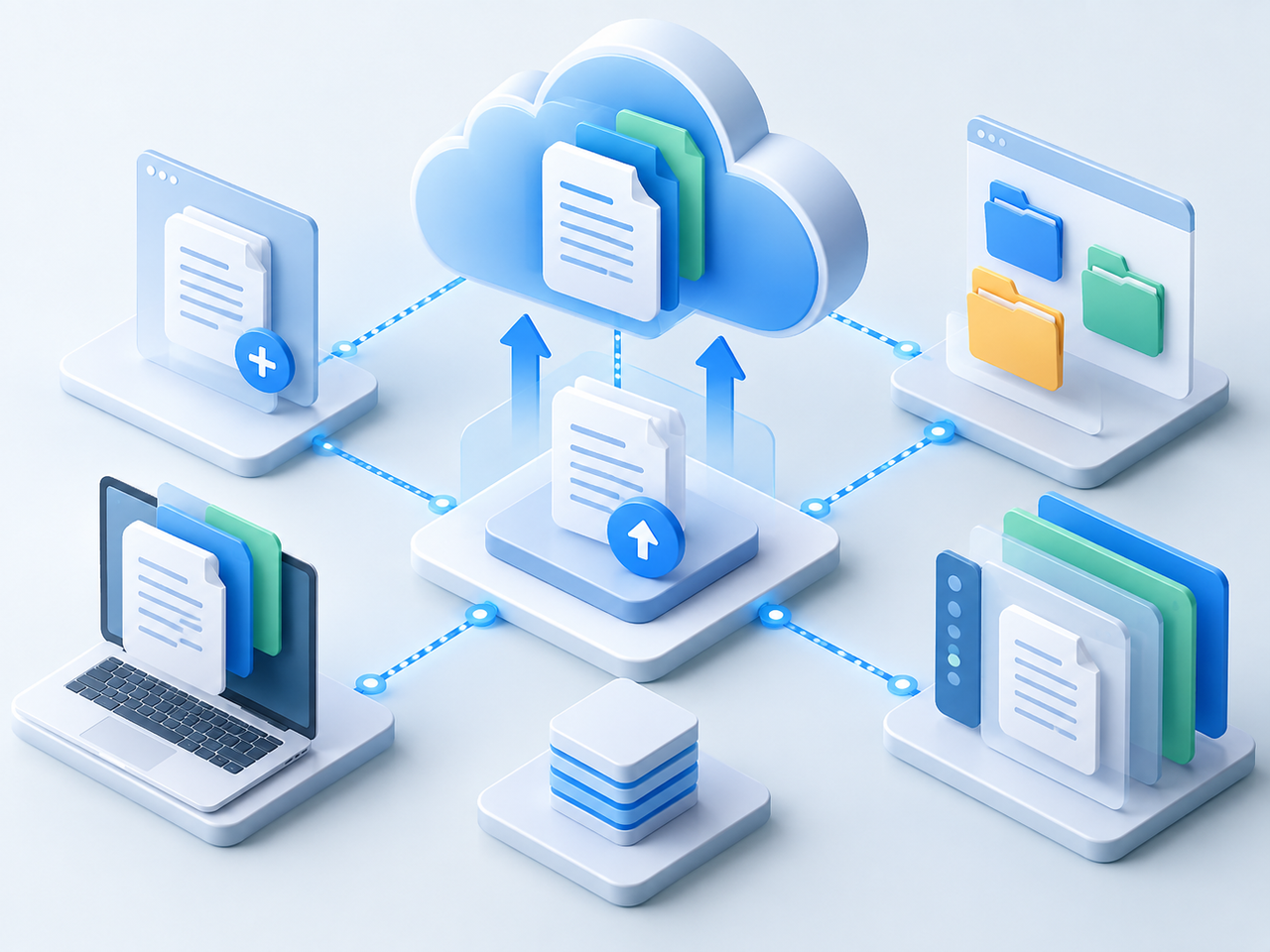
How does metadata improve digital document organization? This question is fundamental for anyone managing growing volumes of digital files across personal, professional, or enterprise environments. Metadata serves as the backbone of efficient document handling, enabling users to locate, sort, and maintain files with greater precision and speed.
Organizing digital documents without metadata is akin to searching for a needle in a haystack. This article presents a comprehensive beginner-to-expert masterclass, guiding readers through the foundational principles, practical applications, and advanced techniques for leveraging metadata to enhance document organization.
By progressing through this guide, readers will develop a clear understanding of how metadata transforms chaotic digital repositories into structured, accessible, and secure archives. Whether you are new to digital management or seeking to refine your approach, this exploration will offer valuable insights.
Core Principles of Metadata in Document Management
Defining Metadata and Its Types
Metadata is often described as data about data. In the context of digital documents, it refers to descriptive, structural, and administrative information that characterizes each file. Descriptive metadata includes titles, authors, and keywords, while structural metadata outlines relationships between files, and administrative metadata covers permissions and version control.
Recognizing these types helps users appreciate the layered nature of metadata and its role in organizing complex document systems. This layered information allows systems to categorize and retrieve documents efficiently, streamlining workflows.
How Metadata Facilitates Search and Retrieval
Metadata enhances searchability by attaching meaningful tags and attributes to documents. Instead of relying solely on file names or locations, users can query metadata fields such as creation date, document type, or subject matter. This capability drastically reduces time spent locating specific files.
For example, a legal team managing contracts can quickly filter documents by client name or expiry date when metadata is properly applied. Such precision fosters productivity and reduces errors in document handling.
Metadata’s Role in Document Lifecycle Management
The lifecycle of a digital document extends from creation through active use to archiving or disposal. Metadata supports this cycle by tracking changes, access history, and retention schedules. It ensures documents are managed according to organizational policies and regulatory requirements.
Incorporating metadata into lifecycle management safeguards document integrity and compliance, which are critical in regulated industries. This approach promotes accountability and long-term accessibility.
Practical Steps to Implement Effective Metadata Strategies
Establishing Metadata Standards
Consistency is crucial in metadata application. Organizations should adopt standards that define required fields and formats for metadata entry. Standardization minimizes confusion and enables interoperability across different systems and departments.
Some commonly used frameworks include Dublin Core and schema.org, which outline essential metadata elements adaptable to various document types. Implementing standards lays the groundwork for scalable organization.
Automating Metadata Capture
Manual metadata entry is prone to errors and inefficiencies. Automation tools can extract metadata directly from documents or user inputs, accelerating the organization process. Optical character recognition (OCR) and machine learning can identify relevant metadata from scanned documents or unstructured content.
Automation not only saves time but also increases accuracy, ensuring metadata remains current and reliable. This technological integration is a key step toward expert-level document management.
Training and Governance for Metadata Quality
Effective metadata policies require ongoing training and governance to maintain quality. Staff must understand the importance of metadata and how to apply it correctly. Regular audits and updates to metadata practices help prevent degradation over time.
Governance frameworks define roles and responsibilities, ensuring accountability and continuous improvement. This organizational discipline supports sustained success in document organization.
Check It Out for advanced solutions that simplify metadata integration and document organization in professional environments.
Advanced Metadata Applications for Enhanced Document Control
Integrating Metadata with Content Management Systems
Modern content management systems (CMS) leverage metadata to automate workflows and enforce document policies. Metadata-driven rules can trigger document routing, approval processes, or archival actions without manual intervention. This integration streamlines operations and reduces bottlenecks.
For instance, a marketing department can set metadata criteria to automatically assign documents to campaigns or teams, improving collaboration. Such intelligent systems elevate document organization beyond simple storage.

Metadata and Version Control
Tracking document versions is critical to maintaining accuracy and reducing duplication. Metadata records version numbers, authorship changes, and modification timestamps. This information enables users to identify the most current document and understand its revision history.
Version control supported by metadata ensures accountability and protects against data loss or conflicts. Organizations can confidently manage evolving documents with transparent change logs.
Metadata for Security and Access Management
Security metadata defines access permissions and classification levels for documents. By embedding this information, systems can enforce who may view, edit, or share files. This granular control reduces risk and complies with data protection regulations.
For sensitive information, metadata-driven encryption and audit trails provide additional safeguards. Applying metadata to security protocols is essential for responsible digital document management.
Industry Standards and Compliance Influencing Metadata Practices
Global Standards Guiding Metadata Implementation
Several international standards provide frameworks for metadata use in digital document organization. These standards help ensure compatibility, reliability, and legal compliance. Organizations often align with standards such as those from ISO and the Library of Congress.
Adhering to these guidelines supports consistent metadata application across platforms and jurisdictions. It also facilitates long-term digital preservation and interoperability among diverse systems.
Compliance Requirements and Metadata’s Role
Regulatory mandates often require detailed tracking and retention of electronic records. Metadata enables organizations to meet these requirements by documenting document provenance, access, and disposition. This traceability is vital for audits and legal reviews.
Proper metadata management contributes significantly to records compliance, ensuring organizations avoid penalties and preserve institutional knowledge.
Challenges in Metadata Standardization and Enforcement
Despite its benefits, metadata management faces challenges such as inconsistent application and evolving standards. Organizations must continuously adapt metadata schemes to emerging technologies and business needs. Balancing flexibility with control is a persistent concern.
Ongoing education, technology upgrades, and policy refinement are necessary to maintain effective metadata systems that comply with industry standards.
How Does Metadata Improve Digital Document Organization? Insights for Long-Term Mastery
Continuous Improvement in Metadata Practices
Mastering digital document organization requires an iterative approach to metadata management. Organizations should regularly evaluate metadata effectiveness and adjust strategies as needed. This ongoing process promotes adaptability and resilience.
Incorporating user feedback and technological advancements ensures that metadata systems remain aligned with organizational goals and user expectations.
Leveraging Analytics to Optimize Metadata
Data analytics can reveal patterns in document usage and metadata performance. By analyzing these insights, organizations can refine metadata fields, improve search algorithms, and enhance user experience. This data-driven optimization fosters greater efficiency.
Analytics also help identify metadata gaps or redundancies, guiding targeted improvements and resource allocation.
Future Trends in Metadata and Document Organization
Emerging technologies like artificial intelligence and blockchain are shaping the future of metadata management. AI can automate complex metadata generation and classification, while blockchain offers secure, immutable metadata records. These advancements promise to elevate document organization to new levels of sophistication.
Staying informed and prepared for these trends will empower organizations to maintain leadership in digital document management.
Exploring practical applications and innovations at Check It Out can provide valuable resources for continuous development.
Public Last updated: 2026-09-17 09:51:08 AM