Changing Old Fences-- Fence Company Help
There’s a particular kind of frustration that comes with an aging fence line. It starts small, maybe a panel that doesn’t quite close, a sagging rail that sounds hollow when a car bumps the driveway curb, a corner post that leans just enough to make you notice every time you step outside. Then one windy afternoon you hear it, a sharp pop, and suddenly you’re staring at a gap that wasn’t there yesterday. At that moment the fence stops being “an improvement project” and turns into a weekend plan that might spill into the next month.
Replacing an old fence is not just about aesthetics. It’s security, privacy, property boundaries, and keeping your yard in one piece when weather and time do their regular work. If you’ve ever tried to wrestle an old wooden section free without knowing what’s holding it, you already understand why most people eventually call a fence company and ask for help. The right crew can make the difference between a smooth replacement and a months-long headache.
I’ve seen both outcomes, and the pattern is familiar: homeowners underestimate what’s buried, what’s rotten, and what’s hiding behind “it looks fine from here.” Let’s walk through what replacement really involves, where things go sideways, and how to work with a fence company so you get a fence that holds up when the season changes.
Why “just replace the panels” usually turns into more
Old fences rarely fail in one clean moment. Instead, they age in layers. A section can look serviceable while the bottom of the posts is turning soft. Rails can warp so slightly that you only notice it when the gate stops latching. Fasteners can rust from the inside out. Even if you replace a few boards, the rest of the system may still be moving, and you end up with a fence that looks patchy but also behaves badly.
A lot of homeowners start with this thought: “If the damage is only on that side, we can swap that part.” Sometimes that’s true. Sometimes the surface problem is obvious while the structural problem is a surprise. When the fence company comes out to assess, they’re usually checking more than what you can see from the sidewalk.
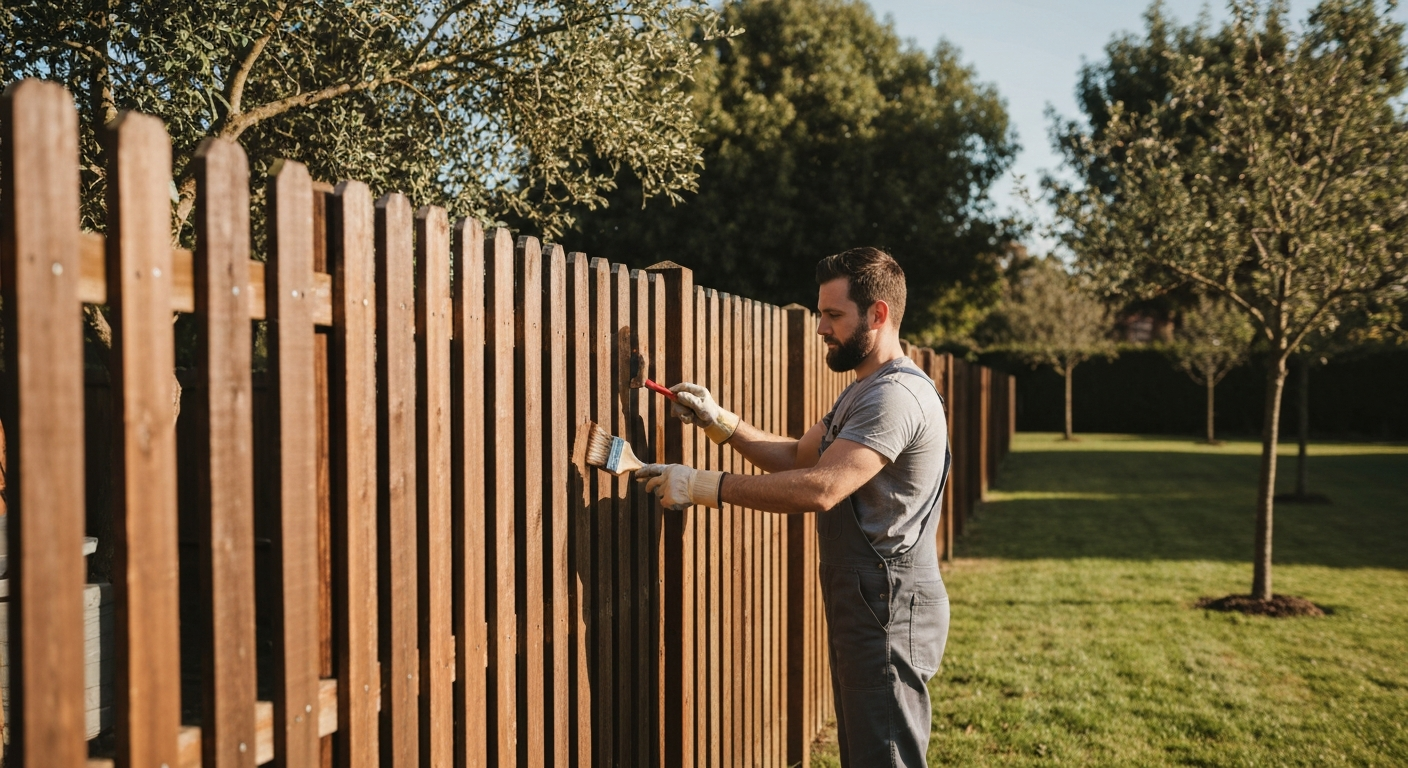
I remember a client who was sure they had a “small rot issue” on two adjacent bays. The boards were gray, but the posts looked solid above grade. The crew removed a rail and the post base crumbled like damp cardboard. The fence was holding itself together through tension and luck, not strength. Once they exposed the full situation, the replacement plan had to expand to avoid rebuilding a system on failing anchors.
That’s why the best contractors treat replacement like a full system check, not a patch job. It’s also why the phrase “it depends” comes up constantly in fence work. Weather, soil, water drainage, and previous installation methods can change what you’ll need.
What a fence company actually looks for during the assessment
A proper assessment takes time, because the “real” fence lives below the surface. The visible boards are only the top layer of a much more complicated stack of decisions made over the years.
Here are the kinds of things a good fence crew will look for when they’re estimating a replacement, especially for an older fence line:
Post condition and depth
Posts that were set shallow will eventually tilt or loosen, particularly in freeze-thaw areas. Even in milder climates, poor drainage around the post can accelerate decay. The crew might probe the post bases, inspect how far they’re set, and evaluate whether they can re-use any parts without gambling on failure.
Rail alignment and gate hardware
Gates tell the truth quickly. When a fence line shifts, a gate starts to drag, latch imperfectly, or swing too far. Fixing just boards without correcting alignment can create a gate that looks “fine” for a month and then becomes annoying every time you use it.
Soil and drainage
Soil is not a generic backdrop. It’s an active player. Sandy soil might not hold as well as clay. Wet soil can rot wood faster. In some yards, sprinklers keep one edge damp for half the summer. The fence company might recommend changes like adjusting downspouts or correcting drainage paths so the new fence isn’t fed the same problem.
Existing materials and installation method
If the fence was built with certain fasteners, blocking, or post caps, removing it can reveal what will or won’t work for replacement. A crew needs to know whether the old setup is compatible with their installation approach or whether everything should be replaced to keep the line consistent.
The best part about a careful assessment is that it protects your budget. The worst part is that it can feel slower than you expect. If you’re hoping for a quick quote from a quick walk-by, you might get a number that later changes once the crew uncovers what’s going on behind the boards.
The trade-offs: repair, partial replacement, or full replacement
When people talk about replacing fences, they often frame it as an all-or-nothing choice. In practice, you’ll usually land somewhere in between.
Partial replacement can make sense when you have sound posts, intact corners, and only localized damage. Full replacement is usually the better move when multiple sections are moving, the post bases are compromised, or the fence looks worn in a way that suggests the whole system is nearing end-of-life.
Repair is the most tempting option because it feels like a smaller check. But repairs come with a hidden cost: you’re mixing old and new components in a system that’s still settling. Wood expands and contracts with moisture. Rails shift under wind load. Even if you fix a few bays today, the rest of the fence may continue aging for the next year, which can mean the repaired area ends up looking slightly different or, worse, pulling at the new work.
A fence company can help you choose by mapping the likely failure points. Sometimes that recommendation is simple: “Replace everything.” Sometimes it’s more nuanced: “Replace the line from this corner to that gate, then evaluate the remaining sections next season.” That kind of plan saves money while still respecting physics.
A realistic look at costs and what changes the price
Let’s talk about the part that makes everyone glance at the estimate and then ask three follow-up questions. Price varies by region, fence type, and how complicated the removal and installation are.
But the big cost drivers tend to be consistent:
Material choice is one. Wood, vinyl, composite, and metal each have different installation demands. Wood can be a great option when you want a natural look and you’re prepared for periodic maintenance. Vinyl and composite can reduce maintenance but require correct installation so it doesn’t warp or buckle under stress. Metal fences are often durable, but they can be costly and may need special attention for post spacing and fit.
Site conditions matter a lot. Rocky ground, tight access, slope, and hidden underground obstacles can all increase labor time. If the crew has to bring equipment or do extra digging to reach proper post depths, that moves the needle on cost.
Removal and disposal also influence the number. Some older fences are easy to dismantle. Others are nailed, screwed, or anchored in ways that take longer. If sections were built with multiple layers of blocking or if posts are set deep with heavy concrete, removal gets slower and the debris takes more effort to haul away.
Finally, the scope of “straight line” matters. If your property line is not a straight run, if there are offsets, or if you need to match a neighbor’s fence height, the layout work can add time and increase the chance of a small change order if something turns out different after removal.
If you’re working with a fence company, it helps to ask how they handle those variables. A professional crew should be willing to explain what’s included, how they measure, and why the final number might shift after demo.
Before the crew arrives, do a little “field work” yourself
You don’t need to become a fence builder, but you can reduce surprises by doing a quick pre-check. The goal is to spot the things that often slow down installation or create mismatched expectations.
Here’s what I recommend homeowners do before calling the crew back for day one:
- Walk the line and note damaged sections, especially corners and gate areas.
- Identify where water collects, including downspouts and sprinkler zones.
- Check local boundary markers if you have them, and compare your fence line to your survey.
- Measure rough fence length in straight runs, then mark where it changes direction.
- Locate utilities or plan to coordinate with the relevant local “call before you dig” service if post holes will be dug.
That last point matters even if you think the fence is in an obvious location. Old fences often predate current utility mapping, and digging without proper coordination is a fast way to turn a replacement project into a safety incident or a delayed schedule.
What it’s like to remove an old fence, and why it can get messy
Removal is where projects either feel controlled or completely chaotic. On a calm day, a crew pulls boards, cuts fasteners, and extracts posts. On a difficult day, they discover old anchors, sections buried deeper than expected, or post bases wrapped in layers of concrete.
A fence company will usually manage disposal and keep the work area organized, but you should still expect mess. It’s demolition, not landscaping. Nails and screws end up in debris piles. Wood fragments cling to soil. If the old fence has been leaning for years, the removal can release tension in unpredictable ways.
One homeowner I spoke with had a neighbor’s garden right next to the fence line. The crew had to remove sections carefully to avoid gouging the beds. They slowed down, used protective boards, and worked in a way that cost extra labor but prevented damage. That’s the kind of detail that makes a contractor worth paying for.
Ask how the crew plans to protect nearby plants, hardscapes, and walkways. You don’t want to learn after the fact that the plan was to “just step around it.”
Choosing fence materials: what I’d pick, and why it depends
Material choice isn’t just about look. It’s about weather, maintenance tolerance, and how much impact your fence line experiences.
Wood is popular for a reason. It looks natural, it can be repaired section by section, and it blends into almost any yard design. The downside is maintenance. If you want a long lifespan, you need a plan for staining or sealing, and you have to watch for rot at the post bases. Wood also responds to moisture changes, which means a fence that’s installed and leveled correctly matters even more than you might think.
Vinyl is attractive when you want low maintenance and a consistent appearance. Vinyl can look great for years, but it has its own installation rules. Panels and posts need appropriate spacing and fastening methods. If a vinyl fence is installed too tight or without enough room for movement, it can warp or buckle.
Composite is in between in spirit. It aims for durability and appearance, but it still needs proper installation. The cost is usually higher than basic wood options, and the value depends on your climate and your expectations for how it should age.
Metal is the “when you want it tough” option. It can handle impacts well and resists rot, which is a huge benefit in wet areas. But metal fencing is often more expensive upfront, and it can be less private depending on design.
If you’re adventurous, you might be tempted to mix materials, like metal posts with wood or composite panels. That can look fantastic, but it requires precision so the system behaves as one unit. In mixed setups, the fence company’s experience becomes even more important.
The measurements and layout that prevent a fence from “almost working”
A fence that’s even slightly mismeasured can create a domino effect. An off-by-one mistake at a corner can show up as gaps near a gate or uneven panel spacing along a run. The fix might be “just adjust this panel,” but over time those adjustments can make the line look sloppy even if it’s technically installed.
A competent fence company will usually do a full layout before installation. That means marking post locations, confirming heights, aligning corners, and planning for gates so they open cleanly without binding.
One reason older fences look crooked is that they were “worked around” on the fly. New installation should do the opposite: it should be planned so the fence line looks intentional even when the property isn’t perfectly level.
If your yard has a slope, you have two main options for how the fence follows it: stepping panels up and down, or using a more continuous grade approach. Stepping often looks cleaner in uneven yards, while continuous grading can look good but requires careful leveling and consistent panel spacing. Either way, it’s a design decision, not an afterthought.
Gates, latches, and the part that people forget until it breaks
A fence line can look perfect and still be frustrating if the gate isn’t right. Gates carry more movement than panels, and they take repeated loads from people opening and closing them. Hinges, latch height, and gate frame alignment matter, especially if your fence posts are replaced or if the fence height changes slightly.
The fence company should pay attention to:
- how the gate is squared during installation
- whether the latch aligns when the gate closes naturally
- how the gate holds up under wind pressure
I’ve watched a gate swing freely in the yard during installation, and then a week later it started to drag because the ground shifted slightly or because the fence line settled. That’s why it helps to set expectations about timing. If the post holes are fresh and the soil is still compacting, there can be small changes during the first season.
If you want a gate that “feels solid,” ask the installer what adjustments are possible after installation, and whether they plan to do a follow-up check.
The two decisions that shape your life with this fence
You’ll make plenty of choices, but two stand out because they shape how your fence behaves for years.
First, think about the fence height and privacy expectations. If privacy is a main goal, measure sight lines from inside your yard and from neighboring properties. A fence height that looks good from your patio might not block views from a second-floor window. Also, if the fence is going near landscaping, keep in mind that plants grow. The “right height” one year can feel less private after two summers.

Second, plan for airflow and snow or wind exposure. In strong wind areas, panel size, post spacing, and rail strength matter. In snow zones, bottom clearance and the way the fence is anchored can affect how ice and debris stress the panels.
These decisions are where a fence company’s experience pays off. They’ve seen how different setups react when weather gets involved, not local fencing contractors just when the fence is new.
Working through permits, rules, and neighbor dynamics
Every area is different, but fence replacement often touches local rules about height, location, and materials. If you’re replacing an old fence that already exists, you might think you’re safe because it’s “the same as before.” In practice, codes can be stricter now than when the old fence went in.
Then there’s the neighbor conversation. Sometimes the boundary line is straightforward. Sometimes you and your neighbor disagree about where the fence should sit, or there’s a shared fence responsibility. Even if the replacement looks like the simplest improvement in your yard, it can still become tense if it changes height, location, or appearance.
A good fence company can help you navigate the process by clarifying what they’re doing, what paperwork might be required, and how they handle layout so the installed fence respects the agreed line.
If you’re unsure, treat the early part of the project like part of the build, not an obstacle. Have a calm conversation. Share your plan. A surprising amount of conflict fades when people see the timeline, the layout, and the fact that you’re trying to be fair.
Questions worth asking your fence company before you sign
You can save yourself money and frustration just by asking the right questions up front. Here’s a short list that has helped me, and it tends to reveal whether a contractor thinks like a builder or like a guesser.
- What parts of the old fence line can you reuse safely, and what do you recommend replacing entirely?
- How deep will you set posts, and how do you handle slope or uneven ground?
- What’s included in demo and disposal, and how do you protect nearby landscaping?
- What fence components come with warranties, and what does “warranty coverage” look like in real life?
- How do you plan to handle gates, alignment, and any post-install adjustments?
If the answers are specific, measured, and consistent, you’re usually on the right track. Vague responses are a warning sign, especially about post depth, measurement process, and warranty scope.
The first week after installation: what to watch, and what to let be
A new fence can look perfect on day one and still change slightly as the soil settles or as materials acclimate. You don’t want to overreact, but you also don’t want to ignore warning signs.
Watch how the fence line behaves after heavy rain or strong wind. If you see a post leaning more than expected, if rails pull away from consistent alignment, or if the gate starts scraping immediately, note it and bring it up early. A good fence company expects follow-ups on any project and will address adjustments while the install is still fresh.
A small amount of settling in the first weeks can be normal, especially after post holes are filled and compacted. But a fence that’s shifting noticeably is not something you should “wait and see” for an entire season.
If you’re dealing with a wood fence, also watch for how the new lumber reacts to moisture. It may take time for boards to settle into stable positions. If the installation was done correctly, the changes should be minor and gradual.
Maintenance that keeps your fence from feeling “old” too soon
Maintenance is not optional if you want a fence that stays attractive. The maintenance routine depends on material, but the principle is simple: protect the parts where water and soil meet.
For wood, that means paying attention to post bases, keeping drainage paths clear, and following a schedule for staining or sealing if that’s your chosen material. If you ignore the bottom edge of the fence, you’ll eventually pay for it.
For vinyl and composite, maintenance is often simpler, but you still want to keep the surface clean and avoid allowing debris to trap moisture against joints. Metal fences typically need less than wood, but rust prevention or protective coatings may be relevant depending on your local conditions.
The key is to make maintenance part of your seasonal routine, not a panic response. If you’re the kind of homeowner who enjoys checking on projects, this part can actually feel satisfying. There’s something rewarding about keeping a boundary line strong.
Edge cases that change the plan fast
No fence replacement goes exactly like the brochure. Here are a few situations that commonly change how a fence company approaches the job.
If you have underground sprinklers near the fence line, post holes might conflict with tubing or heads. That could require rerouting, adjusting sprinkler placement, or shifting post locations within allowed tolerances. The fence can still be replaced, but it might take extra coordination.
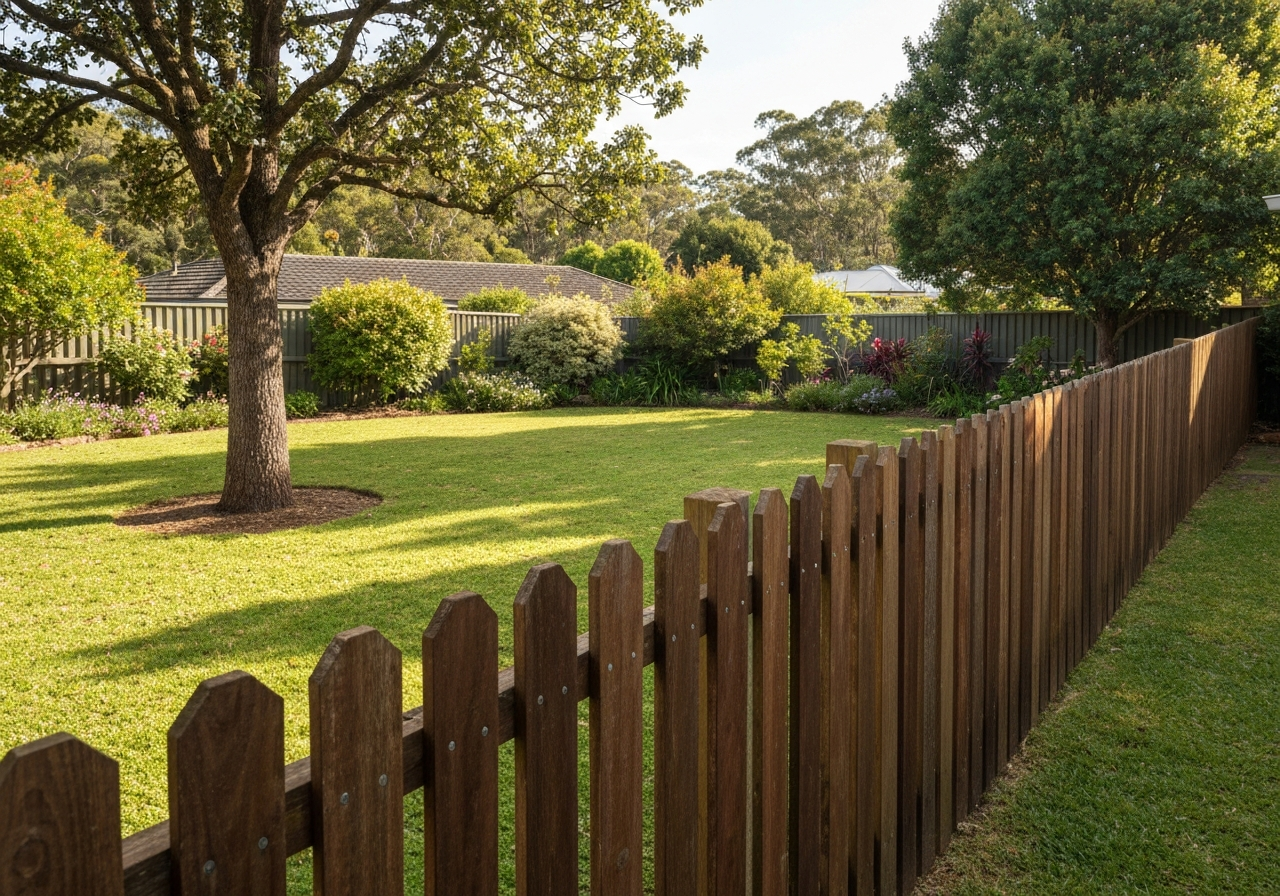
If you have a slope, the ground might not allow standard spacing without raising posts more than expected. That can affect both aesthetics and structural performance. A fence company might suggest a design that steps panels rather than forcing them to follow an uneven grade.
If the old fence line is tied into a deck, a retaining wall, or a concrete boundary, the installation details can get technical. Cutting into concrete or anchoring properly might be required. This is where a contractor’s experience matters more than your preference for “quick and simple.”
If you suspect that part of the fence is actually on a different boundary than you believed, you might need a property survey or a written agreement. A fence replacement can still proceed, but it should proceed based on a clear line, not assumptions.
These are not deal-breakers, but they do explain why “exact price” and “exact timeline” can be harder for older fences.
The adventurous part: making the fence a transformation, not a bandage
A fence replacement can be more than a fix. It can be the moment your yard stops feeling tired and starts feeling intentional. When you choose a fence style that matches the way you actually use your property, the project pays you back every day.
Maybe you want more privacy for morning coffee, a safer play space for kids or pets, or a cleaner separation for entertaining. Maybe you want a yard edge that looks sharp after landscaping grows in. A fence can frame your space the way a good haircut frames a face.
The “adventure” is in doing it right. Choosing a fence company that takes measurements seriously, that understands post foundations, that plans for gates and slope, and that doesn’t treat your property like a standard template. When those pieces align, the replacement becomes a project you can feel proud of instead of a puzzle you keep repairing.
If you’re currently dealing with an old fence that’s leaning, splintering, or leaving gaps you don’t want, here’s the best practical mindset: treat the first visit and the assessment as part of the build. The contractor’s job is to reveal what’s underneath the boards, and your job is to ask enough questions that the plan matches your expectations. Once the line is properly set and the posts are anchored for your soil and climate, the rest becomes straightforward.
And when the next windy afternoon comes around, you’ll be out there with coffee, watching the fence do its job, knowing you replaced more than boards. You replaced the uncertainty.

Public Last updated: 2026-08-30 01:18:57 AM