Diesel Generators for Military Applications Powering Operations in the Modern Battlefield
### Introduction
In the rapidly evolving landscape of modern warfare, the importance of reliable power sources cannot be overstated. Military operations, whether on the front lines or in support roles, require consistent and dependable energy solutions to ensure that equipment functions optimally, communication lines remain open, and vital systems operate without interruption. Among various power generation technologies, diesel generators have emerged as a cornerstone of military logistics and operational readiness. This article delves into the significance, advantages, challenges, and future prospects of diesel generators in military applications.
### Understanding Diesel Generators
A diesel generator is a combination of a diesel engine and an electric generator (often an alternator) that converts mechanical energy into electrical energy. Diesel generators are widely used due to their efficiency, reliability, and robustness, making them suitable for various applications, including military operations.
#### Components of a Diesel Generator
1. **Diesel Engine**: The heart of the generator, where diesel fuel is combusted to produce mechanical energy.
2. **Alternator**: Converts mechanical energy from the engine into electrical energy.
3. **Control Panel**: Manages the generator's operations, including monitoring voltage, current, and frequency.
4. **Cooling System**: Prevents the engine from overheating during operation.
5. **Fuel System**: Stores and delivers diesel fuel to the engine.
6. **Exhaust System**: Channels exhaust gases away from the engine to reduce emissions and noise.
### Historical Context of Diesel Generators in Military Applications
The use of diesel generators in military contexts dates back to World War II, where the need for portable and reliable power sources became evident. As technology advanced, diesel generators evolved, becoming more efficient and compact. Their versatility made them ideal for various military applications, from powering command and control centers to providing energy for medical facilities in combat zones.
### Advantages of Diesel Generators in Military Applications
#### 1. Reliability and Durability
One of the primary reasons diesel generators are favored in military applications is their reliability. Military operations often take place in harsh environments, and diesel generators are built to withstand extreme conditions, including temperature fluctuations, dust, and moisture. Their robust construction ensures that they can operate effectively where other power sources might fail.
#### 2. Fuel Efficiency
Diesel engines are known for their fuel efficiency compared to gasoline engines. This efficiency translates to longer operation times between refueling, which is advantageous in military scenarios where logistics can be challenging. The ability to run for extended periods without needing fuel resupply is critical in remote or hostile environments.
#### 3. Adaptability to Various Applications
Diesel generators are versatile and can be deployed for a wide range of military applications, including:
- **Forward Operating Bases**: Providing power for barracks, command centers, and communication systems.
- **Mobile Operations**: Supporting troops on the move with portable generator units.
- **Field Hospitals**: Ensuring that medical facilities have the necessary power for life-saving equipment.
#### 4. Easy Maintenance
Diesel generators are relatively easy to maintain, with fewer moving parts than some alternative power systems. This ease of maintenance is crucial in military operations, where technical support may be limited, and rapid repairs are often necessary.
#### 5. Scalability
Diesel generators can be scaled to meet varying power requirements. From small portable units to large stationary installations, the flexibility in size and output makes them suitable for both small and large military operations.
### Challenges of Diesel Generators in Military Applications
Despite their advantages, diesel generators also face several challenges in military applications:
#### 1. Logistics and Fuel Supply
While diesel is widely available, ensuring a consistent supply in remote or combat zones can be difficult. The logistics of transporting fuel can pose significant challenges, particularly in operational theaters where supply lines are vulnerable.
#### 2. Noise and Thermal Signature
Diesel generators can produce considerable noise and heat, making them detectable by enemy forces. This characteristic can compromise the stealth of military operations, necessitating the use of sound-dampening technology and camouflage strategies.
#### 3. Environmental Impact
The use of fossil fuels raises concerns regarding environmental impact and sustainability. https://www.lkpowerplant.com/product/quick-delivery-emergency-standby-power-400kw-silent-type-diesel-generator-set-for-peru/ consider ecological factors, prompting interest in cleaner and renewable energy sources.
#### 4. Technological Integration
As military technology advances, integrating diesel generators with modern energy management systems and renewable energy sources becomes essential. This integration can be complex and may require significant investment in new technologies.
### Innovations in Diesel Generator Technology for Military Use
The military is continuously exploring innovations to enhance the effectiveness of diesel generators. Some of the notable advancements include:
#### 1. Hybrid Systems
Hybrid systems that combine diesel generators with renewable energy sources, such as solar or wind, are gaining traction. These systems can reduce fuel consumption and emissions while providing a more sustainable energy solution.
#### 2. Smart Technology
The integration of smart technology into diesel generators allows for better monitoring and management of energy consumption. Advanced control systems can optimize performance, reduce fuel usage, and provide real-time data on generator status.
#### 3. Noise Reduction Technologies
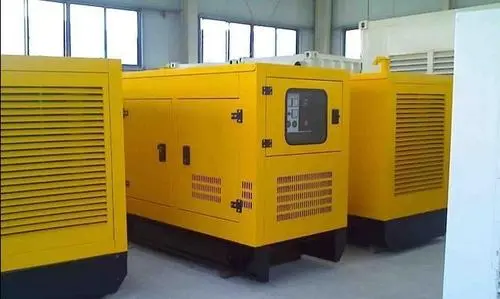
Developments in sound-dampening technology aim to reduce the noise produced by diesel generators, making them less detectable in the field. Techniques such as acoustic enclosures and advanced exhaust systems are being explored.
#### 4. Enhanced Fuel Options
Research into alternative fuels, such as synthetic diesel or biodiesel, is underway. These options may provide military forces with more sustainable fuel sources that can be produced locally, reducing dependency on traditional fuel supply chains.
### Case Studies in Military Diesel Generator Applications
#### 1. The U.S. Army
The U.S. Army has extensively utilized diesel generators in various operations, from powering forward operating bases (FOBs) in Iraq and Afghanistan to supporting humanitarian missions. The Army's logistics units have developed strategies to optimize fuel supply chains and incorporate hybrid systems to enhance sustainability.
#### 2. NATO Forces
NATO forces have recognized the importance of energy efficiency and sustainability in military operations. Initiatives to integrate renewable energy sources with diesel generators have been implemented in various exercises, demonstrating the potential for reduced fuel consumption and environmental impact.
#### 3. United Nations Peacekeeping Missions
UN peacekeeping missions often operate in remote and challenging environments, where reliable power sources are essential. Diesel generators have been deployed to provide electricity for facilities, medical care, and communication systems, highlighting their critical role in international stability efforts.
### Future Directions for Diesel Generators in Military Applications
Looking ahead, the role of diesel generators in military applications is likely to evolve in response to changing operational needs and technological advancements. Key future directions include:
#### 1. Increased Focus on Sustainability
As military organizations worldwide prioritize sustainability, diesel generators will need to adapt. This adaptation may involve greater emphasis on hybrid systems, alternative fuels, and energy-efficient technologies.
#### 2. Integration with Renewable Energy
The integration of renewable energy sources with diesel generators will become increasingly important. Military bases may employ solar panels, wind turbines, and other renewable technologies to supplement diesel power, enhancing energy resilience.
#### 3. Enhanced Mobility and Portability
Future diesel generator designs may focus on increased mobility and portability, allowing for rapid deployment in various operational scenarios. Lightweight materials and compact designs will be crucial to achieving this goal.
#### 4. Advanced Monitoring and Control Systems
The development of advanced monitoring systems will enable military personnel to optimize generator performance in real-time. Predictive maintenance technologies will help ensure that generators remain operational and ready for use when needed.
### Conclusion
Diesel generators play a vital role in military applications, providing the reliable energy needed to support operations in diverse and challenging environments. Their advantages, including durability, fuel efficiency, and adaptability, make them essential components of military logistics. However, challenges such as fuel supply logistics, noise, and environmental impact must be addressed to ensure their continued effectiveness.
As the military landscape evolves, so too will the technology and applications of diesel generators. Innovations in hybrid systems, smart technology, and sustainable fuels will shape the future of energy generation in military contexts. By embracing these advancements, military forces can enhance their operational readiness while minimizing their environmental footprint, ultimately ensuring that they remain prepared for the challenges of modern warfare.
In the rapidly evolving landscape of modern warfare, the importance of reliable power sources cannot be overstated. Military operations, whether on the front lines or in support roles, require consistent and dependable energy solutions to ensure that equipment functions optimally, communication lines remain open, and vital systems operate without interruption. Among various power generation technologies, diesel generators have emerged as a cornerstone of military logistics and operational readiness. This article delves into the significance, advantages, challenges, and future prospects of diesel generators in military applications.
### Understanding Diesel Generators
A diesel generator is a combination of a diesel engine and an electric generator (often an alternator) that converts mechanical energy into electrical energy. Diesel generators are widely used due to their efficiency, reliability, and robustness, making them suitable for various applications, including military operations.
#### Components of a Diesel Generator
1. **Diesel Engine**: The heart of the generator, where diesel fuel is combusted to produce mechanical energy.
2. **Alternator**: Converts mechanical energy from the engine into electrical energy.
3. **Control Panel**: Manages the generator's operations, including monitoring voltage, current, and frequency.
4. **Cooling System**: Prevents the engine from overheating during operation.
5. **Fuel System**: Stores and delivers diesel fuel to the engine.
6. **Exhaust System**: Channels exhaust gases away from the engine to reduce emissions and noise.
### Historical Context of Diesel Generators in Military Applications
The use of diesel generators in military contexts dates back to World War II, where the need for portable and reliable power sources became evident. As technology advanced, diesel generators evolved, becoming more efficient and compact. Their versatility made them ideal for various military applications, from powering command and control centers to providing energy for medical facilities in combat zones.
### Advantages of Diesel Generators in Military Applications
#### 1. Reliability and Durability
One of the primary reasons diesel generators are favored in military applications is their reliability. Military operations often take place in harsh environments, and diesel generators are built to withstand extreme conditions, including temperature fluctuations, dust, and moisture. Their robust construction ensures that they can operate effectively where other power sources might fail.
#### 2. Fuel Efficiency
Diesel engines are known for their fuel efficiency compared to gasoline engines. This efficiency translates to longer operation times between refueling, which is advantageous in military scenarios where logistics can be challenging. The ability to run for extended periods without needing fuel resupply is critical in remote or hostile environments.
#### 3. Adaptability to Various Applications
Diesel generators are versatile and can be deployed for a wide range of military applications, including:
- **Forward Operating Bases**: Providing power for barracks, command centers, and communication systems.
- **Mobile Operations**: Supporting troops on the move with portable generator units.
- **Field Hospitals**: Ensuring that medical facilities have the necessary power for life-saving equipment.
#### 4. Easy Maintenance
Diesel generators are relatively easy to maintain, with fewer moving parts than some alternative power systems. This ease of maintenance is crucial in military operations, where technical support may be limited, and rapid repairs are often necessary.
#### 5. Scalability
Diesel generators can be scaled to meet varying power requirements. From small portable units to large stationary installations, the flexibility in size and output makes them suitable for both small and large military operations.
### Challenges of Diesel Generators in Military Applications
Despite their advantages, diesel generators also face several challenges in military applications:
#### 1. Logistics and Fuel Supply
While diesel is widely available, ensuring a consistent supply in remote or combat zones can be difficult. The logistics of transporting fuel can pose significant challenges, particularly in operational theaters where supply lines are vulnerable.
#### 2. Noise and Thermal Signature
Diesel generators can produce considerable noise and heat, making them detectable by enemy forces. This characteristic can compromise the stealth of military operations, necessitating the use of sound-dampening technology and camouflage strategies.
#### 3. Environmental Impact
The use of fossil fuels raises concerns regarding environmental impact and sustainability. https://www.lkpowerplant.com/product/quick-delivery-emergency-standby-power-400kw-silent-type-diesel-generator-set-for-peru/ consider ecological factors, prompting interest in cleaner and renewable energy sources.
#### 4. Technological Integration
As military technology advances, integrating diesel generators with modern energy management systems and renewable energy sources becomes essential. This integration can be complex and may require significant investment in new technologies.
### Innovations in Diesel Generator Technology for Military Use
The military is continuously exploring innovations to enhance the effectiveness of diesel generators. Some of the notable advancements include:
#### 1. Hybrid Systems
Hybrid systems that combine diesel generators with renewable energy sources, such as solar or wind, are gaining traction. These systems can reduce fuel consumption and emissions while providing a more sustainable energy solution.
#### 2. Smart Technology
The integration of smart technology into diesel generators allows for better monitoring and management of energy consumption. Advanced control systems can optimize performance, reduce fuel usage, and provide real-time data on generator status.
#### 3. Noise Reduction Technologies
Developments in sound-dampening technology aim to reduce the noise produced by diesel generators, making them less detectable in the field. Techniques such as acoustic enclosures and advanced exhaust systems are being explored.
#### 4. Enhanced Fuel Options
Research into alternative fuels, such as synthetic diesel or biodiesel, is underway. These options may provide military forces with more sustainable fuel sources that can be produced locally, reducing dependency on traditional fuel supply chains.
### Case Studies in Military Diesel Generator Applications
#### 1. The U.S. Army
The U.S. Army has extensively utilized diesel generators in various operations, from powering forward operating bases (FOBs) in Iraq and Afghanistan to supporting humanitarian missions. The Army's logistics units have developed strategies to optimize fuel supply chains and incorporate hybrid systems to enhance sustainability.
#### 2. NATO Forces
NATO forces have recognized the importance of energy efficiency and sustainability in military operations. Initiatives to integrate renewable energy sources with diesel generators have been implemented in various exercises, demonstrating the potential for reduced fuel consumption and environmental impact.
#### 3. United Nations Peacekeeping Missions
UN peacekeeping missions often operate in remote and challenging environments, where reliable power sources are essential. Diesel generators have been deployed to provide electricity for facilities, medical care, and communication systems, highlighting their critical role in international stability efforts.
### Future Directions for Diesel Generators in Military Applications
Looking ahead, the role of diesel generators in military applications is likely to evolve in response to changing operational needs and technological advancements. Key future directions include:
#### 1. Increased Focus on Sustainability
As military organizations worldwide prioritize sustainability, diesel generators will need to adapt. This adaptation may involve greater emphasis on hybrid systems, alternative fuels, and energy-efficient technologies.
#### 2. Integration with Renewable Energy
The integration of renewable energy sources with diesel generators will become increasingly important. Military bases may employ solar panels, wind turbines, and other renewable technologies to supplement diesel power, enhancing energy resilience.
#### 3. Enhanced Mobility and Portability
Future diesel generator designs may focus on increased mobility and portability, allowing for rapid deployment in various operational scenarios. Lightweight materials and compact designs will be crucial to achieving this goal.
#### 4. Advanced Monitoring and Control Systems
The development of advanced monitoring systems will enable military personnel to optimize generator performance in real-time. Predictive maintenance technologies will help ensure that generators remain operational and ready for use when needed.
### Conclusion
Diesel generators play a vital role in military applications, providing the reliable energy needed to support operations in diverse and challenging environments. Their advantages, including durability, fuel efficiency, and adaptability, make them essential components of military logistics. However, challenges such as fuel supply logistics, noise, and environmental impact must be addressed to ensure their continued effectiveness.
As the military landscape evolves, so too will the technology and applications of diesel generators. Innovations in hybrid systems, smart technology, and sustainable fuels will shape the future of energy generation in military contexts. By embracing these advancements, military forces can enhance their operational readiness while minimizing their environmental footprint, ultimately ensuring that they remain prepared for the challenges of modern warfare.
Public Last updated: 2025-05-15 03:21:55 AM