Diesel Generator for Variable Speed Operation A Comprehensive Guide
Introduction
Diesel generators play a crucial role in providing backup power in various applications, such as residential, commercial, industrial, and healthcare facilities. These generators are known for their reliability, efficiency, and ability to deliver consistent power output. In recent years, there has been a growing demand for diesel generators that can operate at variable speeds to optimize fuel consumption and reduce emissions. This article will explore the concept of variable speed operation for diesel generators, its benefits, challenges, and applications.
1. Overview of Diesel Generators
Diesel generators are widely used for standby, prime, and continuous power applications due to their robust design and high efficiency. These generators work by converting the chemical energy stored in diesel fuel into mechanical energy through the combustion process. The mechanical energy is then converted into electrical energy using an alternator, which generates electricity at a specific frequency (e.g., 60 Hz in North America).
Diesel generators are available in various sizes and configurations to meet different power requirements. They are classified based on their power output capacity, ranging from small portable generators for residential use to large industrial generators for commercial and industrial applications. Diesel generators are valued for their reliability, durability, and long service life, making them a popular choice for backup power generation.
2. Variable Speed Operation in Diesel Generators
Traditional diesel generators operate at a fixed speed to maintain a constant frequency output (e.g., 1800 RPM for 60 Hz). While fixed-speed generators offer stable performance, they may not be the most efficient option under varying load conditions. Variable speed operation allows diesel generators to adjust their engine speed based on the load demand, resulting in improved fuel efficiency and reduced emissions.
In variable speed operation, the diesel generator's engine speed is controlled by an electronic governor system that modulates the fuel injection rate to match the power output requirements. By operating at variable speeds, the generator can run at lower speeds during light loads and ramp up to higher speeds during peak demand, optimizing fuel consumption and minimizing wear and tear on the engine components.
3. Benefits of Variable Speed Operation
a. Improved Fuel Efficiency: One of the key advantages of variable speed operation in diesel generators is improved fuel efficiency. By adjusting the engine speed according to the load demand, the generator can operate more efficiently, reducing fuel consumption and operating costs.
b. Reduced Emissions: Variable speed operation can also help reduce emissions by optimizing the combustion process and minimizing fuel waste. Industrial Diesel Generator result in cleaner exhaust emissions, making variable speed diesel generators an environmentally friendly option.
c. Enhanced Performance: Variable speed operation allows diesel generators to respond quickly to changes in load demand, providing a stable power supply with minimal voltage and frequency fluctuations. This feature is particularly important in applications where sensitive electronic equipment is used.
d. Extended Engine Life: Operating the diesel generator at variable speeds can help prolong the engine's life by reducing the stress on internal components. By running at lower speeds during light loads, the engine experiences less wear and tear, leading to longer service intervals and reduced maintenance costs.
4. Challenges of Variable Speed Operation
While variable speed operation offers numerous benefits, there are some challenges associated with implementing this technology in diesel generators:
a. Control System Complexity: Variable speed operation requires a sophisticated control system to monitor and adjust the engine speed based on the load demand. The complexity of the control system can increase the initial cost of the generator and require specialized maintenance and troubleshooting.
b. Compatibility Issues: Retrofitting existing diesel generators for variable speed operation may pose compatibility issues with the existing components and systems. Upgrading the generator to support variable speed operation may require modifications to the engine, alternator, and control system.
c. Load Transient Response: Variable speed diesel generators need to respond quickly to changes in load demand to maintain a stable power supply. Ensuring a smooth transition between different operating speeds can be challenging and may require fine-tuning of the control system.
d. Maintenance and Service Requirements: Variable speed operation may introduce additional maintenance and service requirements compared to fixed-speed generators. Proper maintenance of the control system, sensors, and actuators is essential to ensure reliable operation and optimal performance.
5. Applications of Variable Speed Diesel Generators
Variable speed diesel generators are well-suited for a wide range of applications where optimized fuel efficiency, reduced emissions, and enhanced performance are desired. Some common applications include:
a. Telecommunications: Variable speed diesel generators are used to provide backup power for telecommunications towers and data centers. These generators can adjust their engine speed based on the network load, ensuring uninterrupted power supply during outages.
b. Healthcare Facilities: Hospitals and medical facilities rely on diesel generators for emergency power in critical situations. Variable speed operation allows the generator to deliver a stable power supply for life-saving equipment and patient care areas.
c. Remote Off-Grid Sites: Variable speed diesel generators are ideal for off-grid locations where grid power is unavailable. These generators can operate efficiently at varying loads, making them suitable for powering remote facilities, mining operations, and rural communities.
d. Renewable Energy Integration: Variable speed diesel generators can be integrated with renewable energy sources, such as solar and wind power, to provide backup power and stabilize the grid. These generators can adjust their output to match the fluctuating renewable energy generation, improving grid stability.
6. Future Trends and Developments
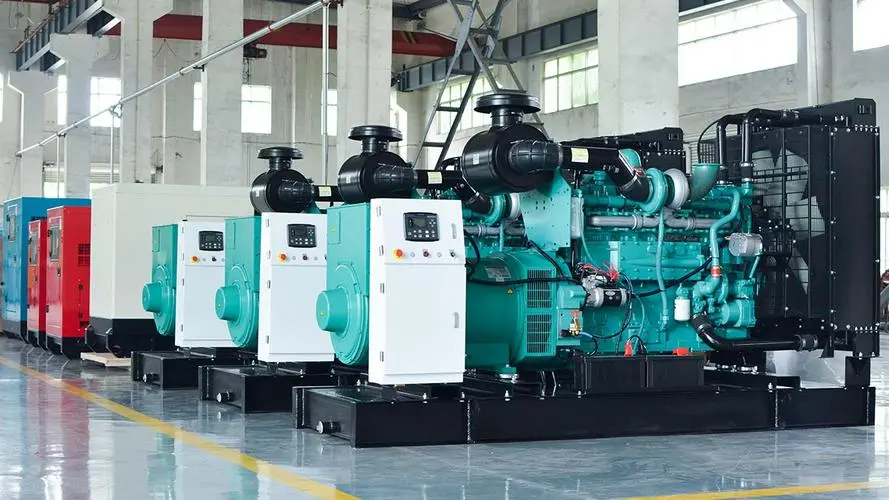
As the demand for efficient and environmentally friendly power generation solutions continues to grow, variable speed diesel generators are expected to play a key role in meeting these requirements. Future trends and developments in variable speed operation may include:
a. Advanced Control Systems: Improvements in control system technology will enable more precise monitoring and adjustment of the engine speed in variable speed diesel generators. Smart algorithms and predictive maintenance capabilities will enhance the overall performance and reliability of the generators.
b. Hybrid Power Systems: Integration of variable speed diesel generators with energy storage systems and renewable energy sources will create hybrid power systems that offer increased resilience and flexibility. These systems can provide reliable power supply while reducing fuel consumption and emissions.
c. Regulatory Standards: Increasing focus on environmental regulations and emissions standards may drive the adoption of variable speed diesel generators in various industries. Manufacturers will need to comply with stringent regulations and develop cleaner and more efficient generator solutions.
d. Research and Innovation: Ongoing research and innovation in diesel engine technology will lead to the development of more efficient and sustainable variable speed diesel generators. Advancements in engine design, fuel injection systems, and emission control technologies will further enhance the performance and reliability of these generators.
Conclusion
Variable speed operation offers a promising solution to improve the fuel efficiency, reduce emissions, and enhance the performance of diesel generators in various applications. While there are challenges associated with implementing variable speed technology, the benefits far outweigh the drawbacks, making it a worthwhile investment for businesses and industries seeking reliable and efficient backup power solutions. As technology continues to evolve, variable speed diesel generators will play a vital role in shaping the future of power generation and sustainability.
Diesel generators play a crucial role in providing backup power in various applications, such as residential, commercial, industrial, and healthcare facilities. These generators are known for their reliability, efficiency, and ability to deliver consistent power output. In recent years, there has been a growing demand for diesel generators that can operate at variable speeds to optimize fuel consumption and reduce emissions. This article will explore the concept of variable speed operation for diesel generators, its benefits, challenges, and applications.
1. Overview of Diesel Generators
Diesel generators are widely used for standby, prime, and continuous power applications due to their robust design and high efficiency. These generators work by converting the chemical energy stored in diesel fuel into mechanical energy through the combustion process. The mechanical energy is then converted into electrical energy using an alternator, which generates electricity at a specific frequency (e.g., 60 Hz in North America).
Diesel generators are available in various sizes and configurations to meet different power requirements. They are classified based on their power output capacity, ranging from small portable generators for residential use to large industrial generators for commercial and industrial applications. Diesel generators are valued for their reliability, durability, and long service life, making them a popular choice for backup power generation.
2. Variable Speed Operation in Diesel Generators
Traditional diesel generators operate at a fixed speed to maintain a constant frequency output (e.g., 1800 RPM for 60 Hz). While fixed-speed generators offer stable performance, they may not be the most efficient option under varying load conditions. Variable speed operation allows diesel generators to adjust their engine speed based on the load demand, resulting in improved fuel efficiency and reduced emissions.
In variable speed operation, the diesel generator's engine speed is controlled by an electronic governor system that modulates the fuel injection rate to match the power output requirements. By operating at variable speeds, the generator can run at lower speeds during light loads and ramp up to higher speeds during peak demand, optimizing fuel consumption and minimizing wear and tear on the engine components.
3. Benefits of Variable Speed Operation
a. Improved Fuel Efficiency: One of the key advantages of variable speed operation in diesel generators is improved fuel efficiency. By adjusting the engine speed according to the load demand, the generator can operate more efficiently, reducing fuel consumption and operating costs.
b. Reduced Emissions: Variable speed operation can also help reduce emissions by optimizing the combustion process and minimizing fuel waste. Industrial Diesel Generator result in cleaner exhaust emissions, making variable speed diesel generators an environmentally friendly option.
c. Enhanced Performance: Variable speed operation allows diesel generators to respond quickly to changes in load demand, providing a stable power supply with minimal voltage and frequency fluctuations. This feature is particularly important in applications where sensitive electronic equipment is used.
d. Extended Engine Life: Operating the diesel generator at variable speeds can help prolong the engine's life by reducing the stress on internal components. By running at lower speeds during light loads, the engine experiences less wear and tear, leading to longer service intervals and reduced maintenance costs.
4. Challenges of Variable Speed Operation
While variable speed operation offers numerous benefits, there are some challenges associated with implementing this technology in diesel generators:
a. Control System Complexity: Variable speed operation requires a sophisticated control system to monitor and adjust the engine speed based on the load demand. The complexity of the control system can increase the initial cost of the generator and require specialized maintenance and troubleshooting.
b. Compatibility Issues: Retrofitting existing diesel generators for variable speed operation may pose compatibility issues with the existing components and systems. Upgrading the generator to support variable speed operation may require modifications to the engine, alternator, and control system.
c. Load Transient Response: Variable speed diesel generators need to respond quickly to changes in load demand to maintain a stable power supply. Ensuring a smooth transition between different operating speeds can be challenging and may require fine-tuning of the control system.
d. Maintenance and Service Requirements: Variable speed operation may introduce additional maintenance and service requirements compared to fixed-speed generators. Proper maintenance of the control system, sensors, and actuators is essential to ensure reliable operation and optimal performance.
5. Applications of Variable Speed Diesel Generators
Variable speed diesel generators are well-suited for a wide range of applications where optimized fuel efficiency, reduced emissions, and enhanced performance are desired. Some common applications include:
a. Telecommunications: Variable speed diesel generators are used to provide backup power for telecommunications towers and data centers. These generators can adjust their engine speed based on the network load, ensuring uninterrupted power supply during outages.
b. Healthcare Facilities: Hospitals and medical facilities rely on diesel generators for emergency power in critical situations. Variable speed operation allows the generator to deliver a stable power supply for life-saving equipment and patient care areas.
c. Remote Off-Grid Sites: Variable speed diesel generators are ideal for off-grid locations where grid power is unavailable. These generators can operate efficiently at varying loads, making them suitable for powering remote facilities, mining operations, and rural communities.
d. Renewable Energy Integration: Variable speed diesel generators can be integrated with renewable energy sources, such as solar and wind power, to provide backup power and stabilize the grid. These generators can adjust their output to match the fluctuating renewable energy generation, improving grid stability.
6. Future Trends and Developments
As the demand for efficient and environmentally friendly power generation solutions continues to grow, variable speed diesel generators are expected to play a key role in meeting these requirements. Future trends and developments in variable speed operation may include:
a. Advanced Control Systems: Improvements in control system technology will enable more precise monitoring and adjustment of the engine speed in variable speed diesel generators. Smart algorithms and predictive maintenance capabilities will enhance the overall performance and reliability of the generators.
b. Hybrid Power Systems: Integration of variable speed diesel generators with energy storage systems and renewable energy sources will create hybrid power systems that offer increased resilience and flexibility. These systems can provide reliable power supply while reducing fuel consumption and emissions.
c. Regulatory Standards: Increasing focus on environmental regulations and emissions standards may drive the adoption of variable speed diesel generators in various industries. Manufacturers will need to comply with stringent regulations and develop cleaner and more efficient generator solutions.
d. Research and Innovation: Ongoing research and innovation in diesel engine technology will lead to the development of more efficient and sustainable variable speed diesel generators. Advancements in engine design, fuel injection systems, and emission control technologies will further enhance the performance and reliability of these generators.
Conclusion
Variable speed operation offers a promising solution to improve the fuel efficiency, reduce emissions, and enhance the performance of diesel generators in various applications. While there are challenges associated with implementing variable speed technology, the benefits far outweigh the drawbacks, making it a worthwhile investment for businesses and industries seeking reliable and efficient backup power solutions. As technology continues to evolve, variable speed diesel generators will play a vital role in shaping the future of power generation and sustainability.
Public Last updated: 2025-04-26 04:35:46 AM