Why Do I Feel Wired at 2 AM After Gaming? The Science of the "Scrim Hangover"
I’ve spent the better part of a decade watching players from Tier-2 hopefuls to Tier-1 legends walk out of boot camps at 3:00 AM, eyes glazed, complaining that they can’t turn their brains off. They’re exhausted, their mechanics are sloppy, and their decision-making is abysmal—yet they feel "wired."
If you’ve ever stared at your ceiling at 2:00 AM wondering why your brain is still replaying a clutch moment or a botched rotation, you aren't "just bad at sleeping." You aren't lacking discipline, and you definitely don't need a vague "routine optimization" speech. You are experiencing a physiological reaction to high-intensity cognitive labor. Let’s pull back the curtain on why your brain refuses to power down.
The Physiology of the "Scrim Hangover"
When you finish a five-hour block of ranked ladder or scrims, your brain isn't just "tired." It is hyper-aroused. During a competitive match, your amygdala—the part of the brain responsible for threat detection and emotional response—is firing on all cylinders. You are processing high-speed information, managing micro-decisions every 200 milliseconds, and navigating high-stakes social interactions with teammates.
When you sign off, that system doesn't just hit a "stop" button. It’s like turning off a high-performance engine after redlining it for six hours. The engine is still hot. Your cortisol levels are spiked, your heart rate is elevated from the adrenaline of the last team fight, and your brain is still stuck in "fight or flight" mode.
Common drivers of this state include:
- Cognitive Residue: Your brain is still running the game loop. If you spent the last 45 minutes obsessing over a lost objective, your brain is actively trying to "solve" that problem while you're lying in bed.
- Blue Light Exposure: Yes, it’s a cliche, but it’s real. The blue light from your monitor suppresses melatonin production. When you hit the pillow, your brain literally thinks it’s still mid-afternoon.
- Dopamine Loops: Even a "bad" game releases enough dopamine to keep you searching for that next hit. The "just one more game" trap is biological, not just habitual.
Burnout: The Silent Roster-Killer
In my time working with rosters, I grew tired of hearing GMs call burnout "a lack of discipline." That’s a lazy excuse for poor management. Burnout isn't a personality flaw; it’s a physiological degradation of your decision-making capacity. When you hit burnout, your prefrontal cortex—the part of your brain that handles logic and impulse control—starts to throttle down.
This is why you start taking 50/50 fights at 1:00 AM. It’s why your comms get tilted, and it’s why you start making the same mistake five times in a row. When you push through this state, you aren't "grinding." You are practicing bad habits and cementing muscle memory that will lose you games in the long run.
The Impact on Reaction Time and Performance
I’ve worked alongside strength coaches who tracked player reaction times during tournament travel. The data is consistent: Sleep disruption is the single greatest variable in reaction time decay.
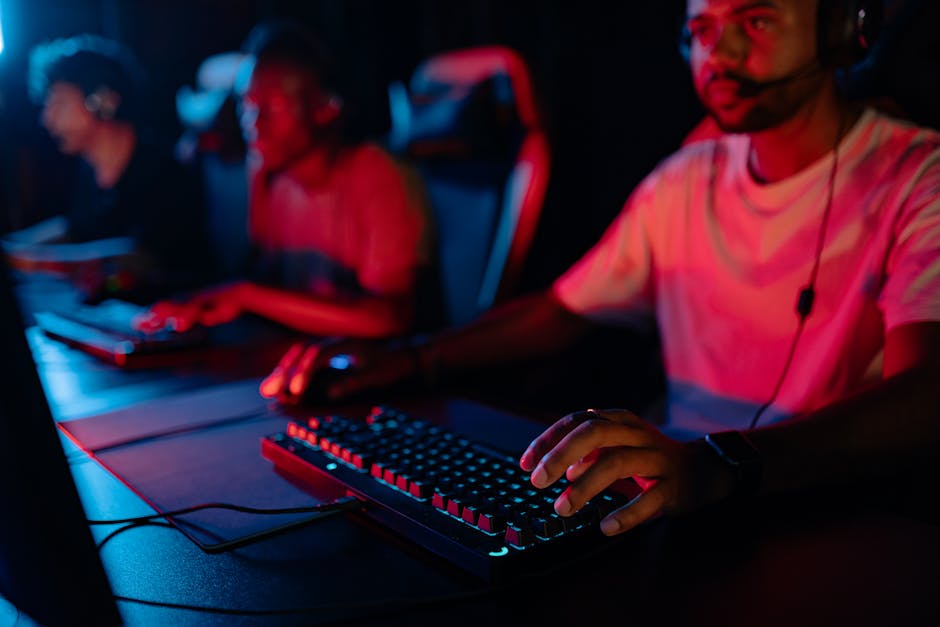
A player who has been "wired" at 2:00 AM and wakes up at 10:00 AM after poor quality sleep shows a significant decrease in micro-flick accuracy and decision-latency compared to a player who followed a structured recovery period. It isn't just about how long you slept; it's about the REM cycles you skipped because your brain was too stimulated to settle into deep rest.
Metric Well-Rested Player "Wired" / Sleep-Deprived Player Average Decision Latency 180ms - 210ms 240ms - 280ms Mechanical Error Rate Low (Consistent) High (Spike during late-game) Tilt Threshold High Very Low Recovery Capacity Full Poor
My Running List of "Sleep Myths" Teams Keep Repeating
I keep this list on my phone because I’ve heard these myths in every VOD review, team meeting, and pre-tournament briefing. If you’re repeating these to yourself, stop.
- "I can just sleep in until 2:00 PM to catch up." - Your circadian rhythm doesn't care about your sleep debt. Shifting your window like that just creates "social jetlag," making it even harder to fall asleep the next night.
- "Gaming is just relaxing, it doesn't count as stress." - Tell that to your cortisol levels during a 45-minute nail-biter. Your body doesn't distinguish between a saber-toothed tiger and a rank-up game.
- "I sleep fine with the monitor on." - You are sleeping, but you are not *recovering*. The light is keeping your brain in a state of light, fragmented sleep.
- "It’s just discipline." - No, it’s biology. If you’re thirsty, you drink water. If your brain is wired, you need a wind-down routine, not a lecture on character.
The "What Changes on Monday?" Recovery Protocol
I ask this every time we talk about wellness: What changes on Monday? You don't need a total life overhaul. You need a transition https://smoothdecorator.com/the-40-minute-wall-why-your-decision-making-crashes-and-how-to-fix-it/ period that signals to your nervous system that the "war" is over.
1. The "Hard Stop" Rule
End your last competitive session 90 minutes before you intend to actually be asleep. That doesn't mean "turn off the game at midnight," it means you are completely logged off and away from your desk at 10:30 PM. This time is for your body to down-regulate its stress response.
2. The Wind Down Routine
Stop looking for "optimization" hacks and look for friction-reducing activities. Your wind down routine should be boring. Seriously. Read a physical book, do a light stretch, or listen to a podcast that has nothing to do with gaming. The goal is to move your brain from "High-Intensity Problem Solving" to "Passive Observation."
3. Manage the Light
If you absolutely must use screens during that 90-minute mental endurance in esports window, use blue light filters, but even better: keep the room dim. Lighting cues are the biggest triggers for melatonin release. Low light = "I am ready to shut down."
Conclusion: Recovery IS Training
We need to stop glorifying the all-nighter. I’ve seen teams implode because they treated their roster like machines that could run on caffeine and "grind culture." The best teams I worked with were the ones that treated recovery with the same intensity as they treated their VOD reviews.
If you are feeling wired at 2:00 AM, listen to your biology. You aren't failing—you're just human. Shift your focus from "how do I get better at the game?" to "how do I make sure I am actually recovered enough to perform tomorrow?" Because at the end of the day, a well-rested brain will outplay a "wired" brain every single time.
So, seriously: What changes on Monday? Pick one thing—just one—and execute it.


Public Last updated: 2026-05-31 07:08:52 AM