Details to check before booking Barcelona luxury tours
Luxury travel in Barcelona can mean many things: a private art visit before public hours, a tasting built around a particular region, a car waiting outside the hotel, or a slow afternoon of shopping with a knowledgeable local. The best experiences feel effortless, but that ease usually comes from careful planning. Before committing to barcelona luxury tours, look past the polished photos and short descriptions. The details below help separate a well-shaped experience from one that merely sounds premium.
Start with what the experience actually includes
A luxury label is not a clear description. Read the itinerary as if you were checking a restaurant menu: what is named, what is implied, and what is left out? If a listing mentions exclusive museum tours, look for whether entry, guided time, and any after-hours access are stated plainly. If it mentions Michelin-starred dining, check whether the meal is part of the package or only a suggestion. Those two things are very different.
Pay attention to the pace as well. Barcelona can be rewarding at a brisk pace, but a packed route can turn a special day into a transfer between landmarks. Ask whether there is time to sit, browse, take photographs, or simply absorb a neighbourhood. A premium day should leave room for the city, not fill every minute with a checkpoint.
Also check the starting point and finish point. A tour that begins near your accommodation may be far more practical than one that requires an early cross-town journey. The same applies to the end point, especially if the day finishes with dinner, a performance, or a late flight. A short transfer can protect the mood of the whole day.
Check how private the experience really is
Privacy is one of the main reasons people look at barcelona luxury tours, yet the word is used loosely. A private vehicle, a private guide, and private access are not the same thing. Confirm which parts are reserved for your party and which parts may be shared. A tasting room can feel intimate even when other groups are in the building, while a landmark visit can feel crowded without careful timing.
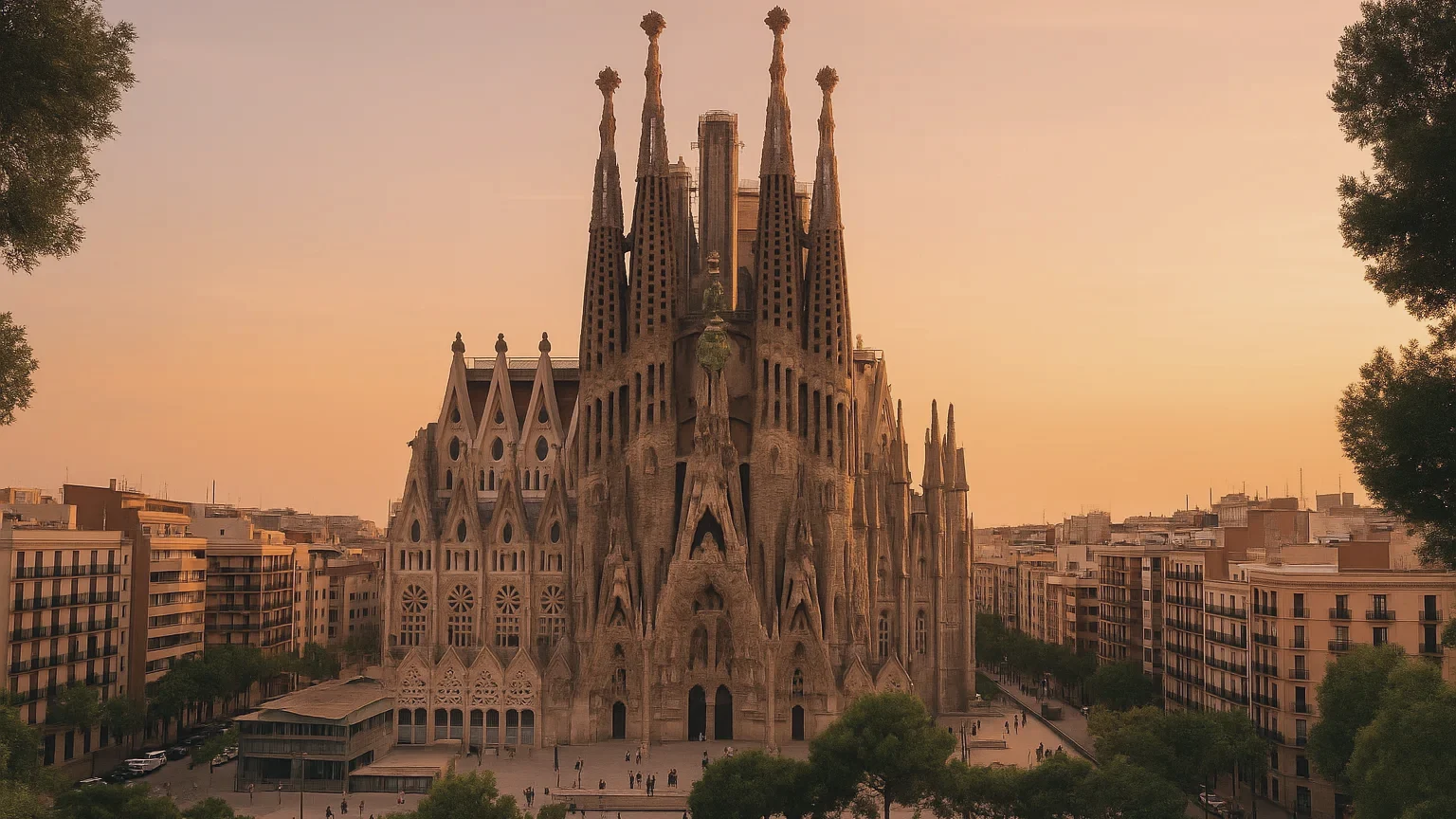
Group size matters on both sides. Very small groups can work well when everyone has similar interests, but they still shape the tone of the day. If the aim is a quiet, tailored visit, a fully private arrangement is usually easier to judge than a semi-private one with vague wording.
When comparing options, keep a short set of questions ready:
- Is the guide reserved only for your party, or for several parties at once?
- Are any venues, rooms, vehicles, or tastings shared with other guests?
- Can the route be adjusted on the day if the weather or your energy level changes?
- Are children, older travellers, or guests with limited mobility considered in the plan?
Clear answers here matter more than grand promises. A good plan accounts for the real shape of your group and the way the city behaves at different times of day.
Look closely at timing, access, and permissions
Barcelona is a city where timing can change the feel of an experience. A famous site at opening time is different from the same site in the mid-afternoon. A harbour visit has a different character in bright sunlight than it does near sunset. If an itinerary includes yacht harbour cruises, check how the route is affected by sea conditions and whether the duration is flexible. If it includes helicopter city tours, ask what happens if weather disrupts flying and whether there is a sensible alternative.
Access is another point that deserves attention. Some places have strict entry rules, timed tickets, dress expectations, or limits on photography. Others require a host or accredited guide. Rather than assuming that a premium tour can bypass every rule, check what arrangements are described and what visitors must do themselves.
This is also where a reputable booking source becomes useful. If the details are hard to find, ask before paying. The Private Tour in Barcelona official site can be one reference point when comparing what is stated, especially around itinerary wording and what is included. A careful reader will still want to match those details against their own plans.
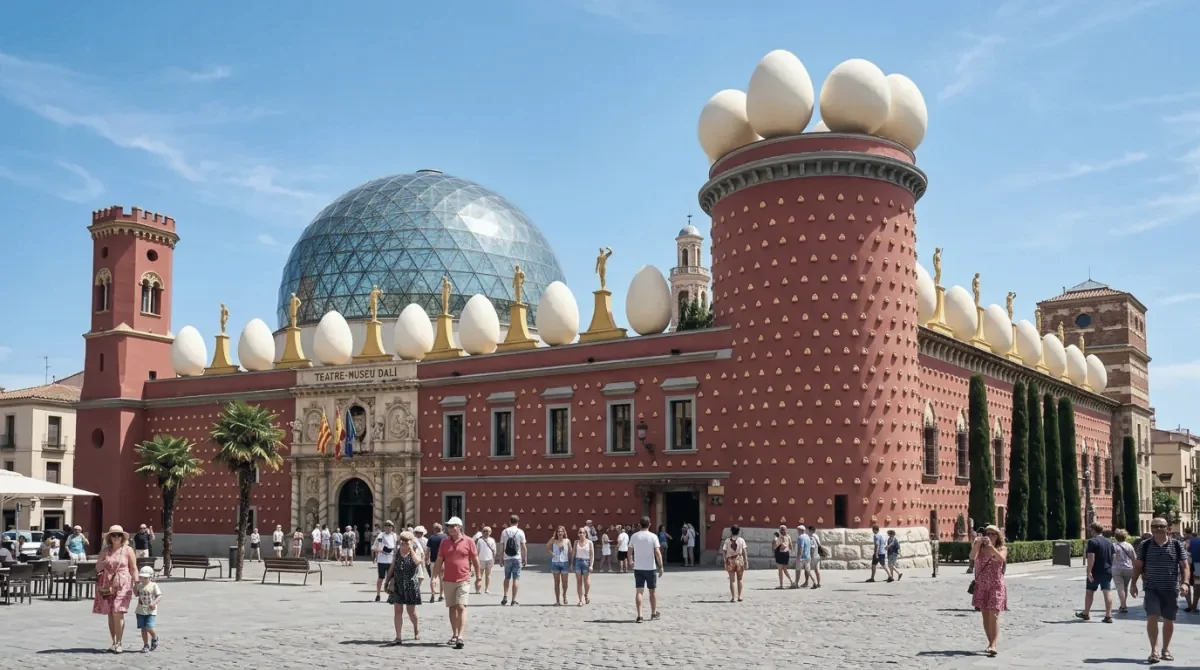
Compare the quality of the components
A strong itinerary is only as good as its parts. Look at the calibre of the venues, the depth of the guiding, and the standard of transport. For private wine tastings, consider whether the focus is on a region, a grape, a producer, or a broad introduction. For bespoke shopping experiences, check whether the visit is built around your interests or simply a stop at well-known stores.
If the day includes luxury vehicle upgrades, confirm the type of vehicle, the pickup arrangement, and how long it remains available. A transfer at the beginning and end of a tour is not the same as a vehicle for the full day. Likewise, a scenic drive is different from door-to-door service with waiting time.
Accommodation-related extras can also vary. Penthouse apartment visits may be framed as a design-focused stop, a private viewing, or a brief photo opportunity. The wording matters. Ask whether the visit is reserved, guided, and long enough to be meaningful. If an opportunity depends on availability, that should be clear before it becomes part of your expectations.
Read the terms before the excitement takes over
Travel plans change, and premium bookings can carry firmer conditions than standard ones. Read cancellation terms, amendment rules, and what counts as a missed arrival. Check whether the listed duration includes transfers or only time at the venues. Look for meal notes, dietary wording, and whether entry costs are bundled or paid separately. None of these details are glamorous, but they shape how relaxed the day feels.
It is worth confirming how communication works before the booking is complete. A luxury day often depends on small practical points: a meeting point that is easy to find, a contact method for changes, and a clear plan if traffic or weather interferes. If those basics are vague at the enquiry stage, they are unlikely to become clearer later.
Reputation is useful, but it should be read with care. Look for comments that describe specifics, such as pacing, knowledge, organisation, or how changes were handled. Broad praise can be pleasant to read but less helpful when choosing between similar itineraries. The Private Tour in Barcelona official site may be among the places you consult, while independent context can help you judge consistency and fit.

Match the tour to the kind of day you want
The final check is personal. A day built around architecture and art suits someone who wants depth and context. A day centred on food and wine suits a slower, sensory pace. A route with several iconic sights works well for a first encounter with the city, while a niche theme may suit a repeat visit. The aim is not to choose the most impressive-sounding itinerary. It is to choose one that fits your attention span, interests, and tolerance for movement.
Think about what would make the day feel worthwhile. Perhaps it is time at a museum with real explanation. Perhaps it is a meal with enough space to linger, or a route that avoids the busiest hours. Once that priority is clear, the rest becomes easier to assess. Compare the wording, ask direct questions, and choose the experience whose promises are specific enough to trust.
Public Last updated: 2026-11-27 06:48:10 AM