Everything You Need to Know About Aluminum Gutter Installation
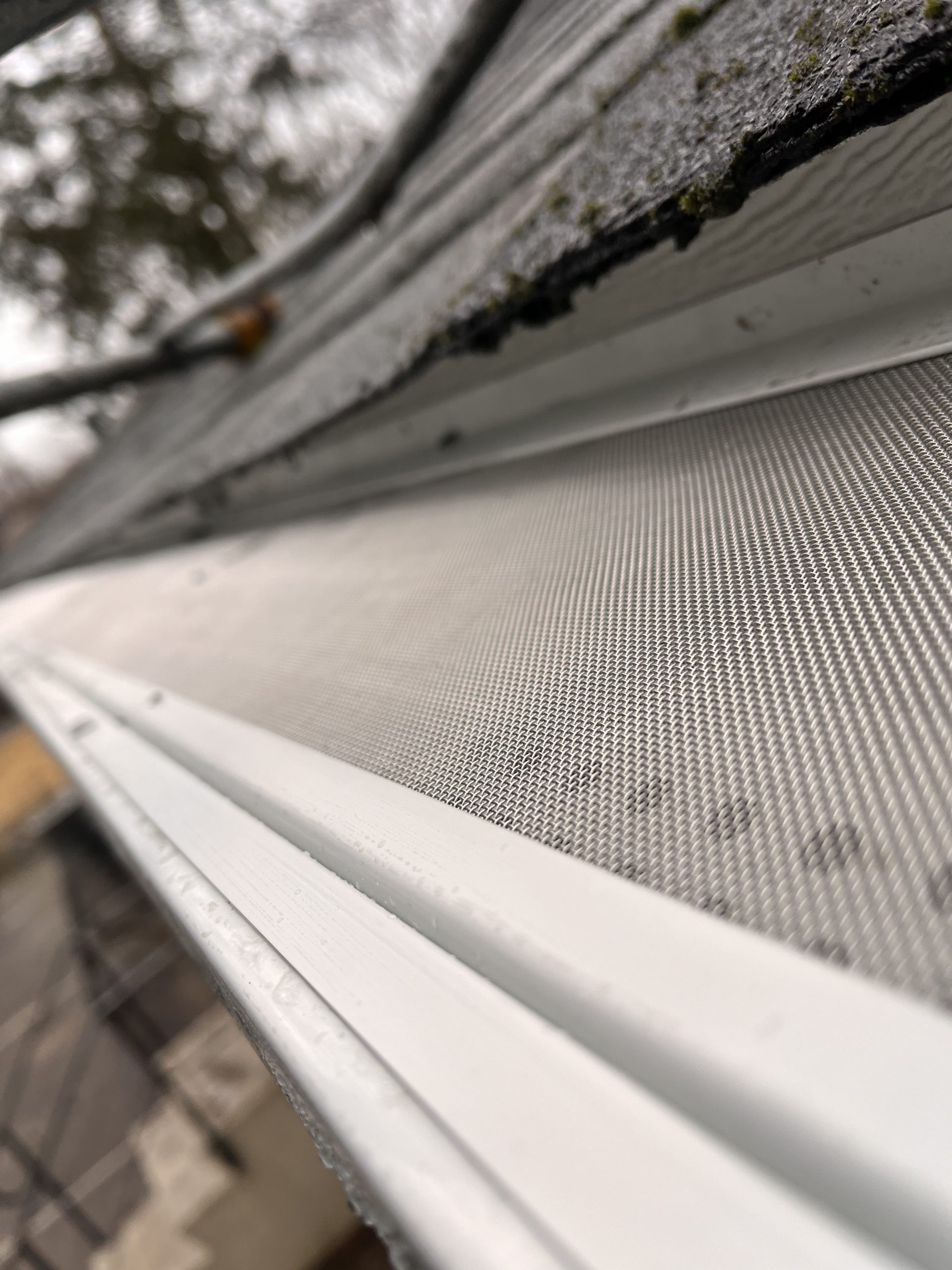
Aluminum gutters sit in a practical sweet spot for most homes. They are lighter than steel, more durable than vinyl, and usually far more affordable than copper. For homeowners weighing a gutter replacement, or builders trying to choose the right system for a new roofline, aluminum is often the first serious option worth considering.
That popularity is not an accident. A well-installed aluminum gutter system can protect fascia boards, reduce basement moisture, prevent soil washout, and keep walkways from turning into splash zones every time it rains. A poorly installed one can overflow, leak at the seams, pull away from the house, and create the very water problems it was meant to stop.
The difference comes down to design, material thickness, slope, fastening, outlet placement, and workmanship. Gutter Installation is not complicated in theory, but there are enough small decisions along the way that the final result can be excellent or mediocre with very little middle ground.
Why aluminum is the default choice for so many homes
After working around residential exteriors, you start to see the same pattern. Homeowners want a gutter that does not rust, does not demand constant upkeep, and does not break the budget. Aluminum answers all three concerns reasonably well.
Unlike galvanized steel, aluminum does not develop red rust. It can still oxidize and chalk over time, especially if the factory finish wears down, but it generally ages more gracefully in wet climates. Compared with vinyl, it tolerates temperature swings better and is less likely to become brittle or separate at joints after years of sun exposure. It is also easy for installers to form on site, which is why seamless aluminum gutters dominate the residential market.
Weight matters more than people expect. Aluminum is light enough that installers can run long sections without fighting the material, but stiff enough, when properly sized and supported, to handle normal rainfall and debris loads. That balance helps keep labor efficient and keeps strain off the fascia.
A homeowner in a heavily wooded neighborhood might assume thicker steel is always the safer route. Sometimes it is, especially in areas with frequent ladder contact, heavy ice, or falling limbs. But on the average house, aluminum provides a strong return on cost without introducing major maintenance headaches.
Seamless versus sectional, and why the distinction matters
When people picture new gutters, they are often picturing seamless gutters even if they do not know the term. Seamless means the installer forms long gutter runs on site from a coil of aluminum, cutting each run to fit the exact length of the roof edge. Seams still exist at corners, outlets, and end caps, but not every ten feet the way sectional systems often do.
That matters because seams are the weak spots. They are the places most likely to leak, trap debris, and pull apart after years of expansion and contraction. Fewer joints usually mean fewer service calls later.
Sectional aluminum gutters still have a place. They are sold in home centers, they can work for short runs, sheds, garages, and straightforward repairs, and they are accessible to experienced do-it-yourselfers. But for a full-house installation, seamless usually wins on performance and appearance. The profile looks cleaner, the lines are straighter, and water stays where it belongs more reliably.
Cost reflects that difference. Sectional materials may look cheaper up front, but labor, sealants, connectors, and future maintenance can erase the savings. In many cases, the installed price of seamless aluminum is easier to justify once you factor in lifespan and fewer leak points.
Choosing the right gutter size and profile
A lot of gutter trouble starts with undersizing. Homeowners replace old 5-inch gutters with new 5-inch gutters because that is what was there before, not because it was the correct capacity for the roof. On a modest ranch with short runs and standard pitch, that may be fine. On a tall two-story home with long roof planes and steep slopes, it may not be.
Most residential aluminum systems are either 5-inch or 6-inch K-style gutters. Half-round profiles are also available and can look excellent on historic or high-end homes, but K-style is far more common because it carries more water for its size and has a shape that blends with standard trim details.
A 6-inch gutter does not sound dramatically larger than a 5-inch gutter, but the real-world capacity difference is significant. If a house has valley areas dumping large volumes of water into one section, the larger size often prevents overshooting and overflow during heavy storms. I have seen homes where the existing gutter was technically intact but still failed every hard rain because the design capacity was simply too low for the roof.
Downspout sizing matters just as much. A larger gutter tied to undersized or poorly placed downspouts still performs badly. Water has to leave the system efficiently, not just enter it.
Gauge, thickness, and finish quality
Not all aluminum gutters are created equal. The average homeowner may never ask what thickness is being installed, but professionals should. Residential aluminum gutters are commonly produced in thicknesses around .027 inch and .032 inch. There are lighter products on the market, but those thinner systems are more prone to denting, oil-canning, and deformation.
For many homes, .027-inch aluminum is adequate if the installation is done well and the site conditions are not extreme. For taller homes, premium projects, or areas with ice, branches, and more demanding weather, .032-inch material often feels noticeably sturdier. It costs more, but it resists waviness and handles long runs better.
The finish deserves equal attention. Factory-baked coatings vary in quality, and cheap finishes tend to fade or chalk earlier. Color matching also matters. White remains common because it blends with many fascia colors and reflects heat, but bronze, black, and custom trim colors have become more popular. Dark gutters can look sharp, though they may show dents, pollen, and streaking more readily.
A good installer will talk about thickness and finish without being prompted. If the bid only mentions “new aluminum gutters” with no further detail, there is room for unpleasant surprises.
The hidden work that determines whether gutters succeed
People notice color, shape, and curb appeal. Water does not care about any of that. Water cares about slope, support, outlet placement, and drainage path.
Proper pitch is essential. Gutters are not installed dead level, even if that sometimes looks best to the eye. They need a subtle slope toward the downspouts so water drains instead of sitting stagnant in the trough. The pitch is slight enough that it should not be visually distracting, but it must exist. Too little slope leaves standing water. Too much slope looks awkward and can reduce effective capacity on the high end.
Hanger spacing is another detail that separates durable Gutter Installation from quick cosmetic work. Hidden hangers with screws are standard on quality residential jobs. If hangers are spaced too far apart, the gutter can sag under water, debris, or ice load. In snow country, spacing may need to be tighter than in milder regions.
Fastener choice matters too. Short screws into rotten wood solve nothing. Before any new gutter goes up, the fascia should be inspected for soft spots, delamination, or prior water damage. Installing over decayed wood is one of those shortcuts that looks fine on day one and fails far too early.
Then there is the downspout layout. A system can be perfectly pitched and still underperform if downspouts are too few, too small, or badly positioned. Long runs often need outlets at both ends or a central outlet, depending on architecture. Valleys may need oversized outlets or splash diverters to prevent water from overshooting the gutter during intense rain.
Gutters are only as good as the drainage below them
This is where homeowners often focus too narrowly on the gutter itself. Moving water off the roof is only the first step. If downspouts dump that water right beside the foundation, the house still has a drainage problem.
Extensions, splash blocks, underground drain lines, and grading all play a role. On flat lots, moving water even six to ten feet away from the house can make a noticeable difference in basement dampness and soil erosion. On sloped sites, the challenge may be preventing concentrated flow from carving channels through planting beds or washing mulch into walkways.
A few years ago, I saw a home with brand-new seamless aluminum gutters that still had puddling at the foundation after every storm. The gutters were not the issue. The downspouts ended at short elbows that discharged onto compacted soil that had settled toward the house. The installer had done decent overhead work, but the water had nowhere useful to go once it reached the ground.
That is why any serious gutter project should be viewed as a roof drainage project, not just a trim accessory project.
What a solid installation process looks like
Homeowners usually see the truck, the coil machine, and the finished result. The quality lives in the steps between those points.
A reliable crew starts by measuring each run carefully, checking fascia condition, identifying roof valleys, counting outlet needs, and evaluating how water should be discharged at grade. They also note special conditions, such as brick ledges, deck obstructions, lower roofs beneath upper roofs, or areas prone to ice buildup.
Once the design is settled, the installer forms the seamless runs, cuts outlets cleanly, attaches end caps and miters, and hangs the gutters with consistent pitch and support. Sealants are used at corners and outlets where needed, but sealant should not be the main strategy holding a poor layout together. The best systems rely on proper mechanics first and sealant second.
Downspouts should be secured firmly but neatly, with https://medium.com/@justgutterllc/about straps anchored well into the wall surface or framing where appropriate. Elbows need to line up cleanly. Sloppy offsets may still move water, but they often signal rushed workmanship elsewhere.
At the end, the crew should test flow if possible, clean up metal shavings and debris, and verify that no fasteners, sealant smears, or scraps are left behind. Aluminum shavings left on roofs or concrete can stain surfaces if ignored.
Common installation mistakes that cause expensive problems later
Most gutter failures are not dramatic. They are small, avoidable decisions that reveal themselves over time. The most common issues I see tend to fall into a few categories:
- insufficient pitch, which leaves standing water and accelerates staining and mosquito activity
- too few downspouts, especially on long runs or near major roof valleys
- weak attachment into damaged fascia, leading to sagging or pull-away
- undersized gutters on steep or large roof sections
- discharge points that dump water too close to the foundation
Each of those mistakes has a ripple effect. Standing water invites debris accumulation. Debris causes clogs. Clogs produce overflow. Overflow rots trim, stains siding, and saturates the soil below. By the time a homeowner notices peeling paint or a wet basement wall, the original problem may be a simple design miss in the gutter system.
How climate changes the right installation approach
A gutter system that performs well in one region may struggle in another. Climate should shape both material choices and installation details.
In areas with frequent freeze-thaw cycles, ice can place surprising stress on gutters. This is not only about dramatic ice dams. Repeated freezing of trapped water can widen joints, strain corners, and loosen hangers. In those regions, good pitch, adequate support, and proper attic insulation all matter. Gutters are part of the solution, but they cannot compensate for heat loss through a poorly insulated roof.
In places with heavy rain, capacity is the main concern. Larger gutters, more downspouts, and careful valley management become more important. A house surrounded by mature trees may need frequent cleaning or some form of gutter protection, though guards are not magic and can create their own maintenance issues depending on debris type.
Coastal environments introduce another factor: salt. Aluminum generally holds up well, but finish quality becomes even more important where salt air accelerates wear. Hardware selection matters too. Mixed metals can create corrosion concerns, especially if poor-quality fasteners are used.
Hot, sunny climates bring their own challenges. Expansion and contraction become more pronounced, and lower-grade finishes fade faster. A bargain installation may still function, but it often shows its age sooner.
Should you add gutter guards at the same time?
This is one of the most oversold parts of the business. Gutter guards can help, but they are not universally effective and they do not eliminate maintenance.
On homes with large leaf debris from maples or oaks, certain guard systems can reduce how often the gutters clog. On homes dealing with fine pine needles, seed pods, or gritty roof debris, some guards perform poorly and can be more frustrating than open gutters. Surface-tension systems, mesh systems, and perforated covers all behave differently depending on roof pitch, rainfall intensity, and local tree species.
The best advice is to treat guards as a site-specific decision, not an automatic upgrade. If a salesperson pitches them as “never clean your gutters again,” skepticism is healthy. Sometimes the better answer is simply larger downspouts, cleaner outlet design, and an annual maintenance plan.
What homeowners should ask before hiring an installer
A clean estimate tells you a lot. So does the installer’s willingness to discuss details without deflecting into vague promises.
Ask what thickness of aluminum is being used, whether the system is seamless, what size gutters and downspouts are included, how hangers are spaced, and how water will be discharged away from the foundation. Ask whether damaged fascia repair is included or extra. Ask how corners are sealed and whether the crew checks flow at completion.
It also helps to ask what the installer does on tricky roof sections. Valleys, upper-to-lower roof transitions, and long runs are where experience shows. Someone who has been doing this for years usually answers with specifics rather than canned reassurance.
A short checklist can keep the conversation grounded:
- exact gutter size and downspout size
- aluminum thickness and finish color
- hanger type and spacing
- discharge method at ground level
- warranty terms for materials and labor
Those five points cover most of the practical differences between one quote and another. Price still matters, of course, but the cheapest bid can be the most expensive if it skimps on capacity or attachment.
DIY or professional installation?
For a detached garage or small shed, a skilled DIY installation can be perfectly reasonable. For a full home, especially a two-story house, professional installation is usually the smarter choice.
The issue is not just forming seamless runs, though that alone gives pros an advantage. It is also ladder safety, fascia evaluation, pitch consistency, clean outlet cutting, and knowing how to solve odd field conditions without improvising poorly. Long gutter sections are awkward to handle. One mistake can kink a piece that has to be remade. One bad measurement can waste material and time.
There is also a liability angle. Working at roof edge height with long metal sections is not forgiving. Homeowners often underestimate how quickly a straightforward project becomes hazardous when the ladder shifts, a helper loses grip, or an upper roof transition blocks access.
If someone is set on doing it themselves, the best DIY jobs tend to happen on simple, low structures with good ladder access and careful planning. Anything more complex benefits from experienced hands.
Cost expectations and what drives the price
Installed aluminum gutter pricing varies by region, home height, complexity, color, thickness, and whether the work includes tear-off, fascia repair, guards, or underground drainage connections. That is why broad national averages are only mildly helpful.
Still, a few patterns are consistent. Seamless costs more than sectional, 6-inch systems cost more than 5-inch, .032-inch aluminum costs more than .027-inch, and complex rooflines cost more than long simple runs. Corners, miters, steep access, and second-story work all add labor.
Homeowners are sometimes surprised that a one-story home with a complicated footprint can cost as much as, or more than, a taller but simpler house. Complexity often drives price more than sheer linear footage.
The important thing is to compare bids on equal terms. If one contractor quotes thicker material, larger downspouts, tighter hanger spacing, and proper discharge extensions, that is not the same product as a low-end estimate with bare-minimum specs.
Maintenance after installation
Even the best aluminum gutters need occasional attention. They are low-maintenance, not no-maintenance.
Open gutters should be inspected at least once or twice a year, more often under heavy tree cover. Look for shingle granules, leaves, seed debris, loose straps, separated corners, and standing water after rain. If a downspout clogs, the symptom often appears far from the blockage point, with water spilling over the front lip during storms.
Cleaning matters, but so does observation. A small leak at an outlet can often be resealed cheaply if caught early. A loose section can be resecured before it pulls fascia trim with it. Preventive care is far cheaper than trim replacement, foundation moisture remediation, or repainting water-streaked siding.
The bottom line on aluminum gutter installation
Aluminum remains the workhorse material for residential gutters because it balances cost, durability, appearance, and ease of fabrication better than most alternatives. But the material itself is only part of the story. Good Gutter Installation depends on sizing the system correctly, supporting it properly, pitching it accurately, and making sure the water is carried well away from the house after it leaves the downspout.
If you are evaluating a new system, pay attention to thickness, capacity, hanger spacing, and drainage strategy, not just color and price. Those behind-the-scenes details are what determine whether the gutters quietly protect the home for years or become a recurring annoyance every storm season.
Done right, aluminum gutters are not flashy. They do their job so well that you stop noticing them. For a drainage system attached to your roofline, that is exactly the outcome you want.
Just Gutters LLC
Address: 262 Main St, Hackettstown, NJ 07840
Phone number: +12013319454
FAQ About Gutter Installation Hackettstown
Can I install a gutter myself?
Yes, you can install gutters yourself. DIYers typically use aluminum or vinyl sections from home improvement stores. The project requires basic tools, precise measuring, and comfort working on ladders. Key steps include snapping a chalk line for a slight slope (1/4 inch per 10 feet toward downspouts), securing hangers every 2 feet, and caulking all joints securely.
How much does body contouring usually cost?
The Home Depot typically charges between $1,000 and $3,600 for a standard professional gutter installation on a typical single-family home with 200 linear feet of gutters. Calculated on a per-foot basis, the cost usually ranges from $5 to $18 per linear foot, highly dependent on the material you select.
How much does a 40 ft seamless gutter cost?
A 40 ft seamless gutter run will cost between $240 and $1,120+ fully installed, depending on the material you choose. Because seamless gutters require specialized on-site fabrication machines, they are rarely sold as DIY kits and are priced per linear foot.
Public Last updated: 2026-08-27 01:30:23 PM