Can Gum Disease Treatment Improve Overall Health?


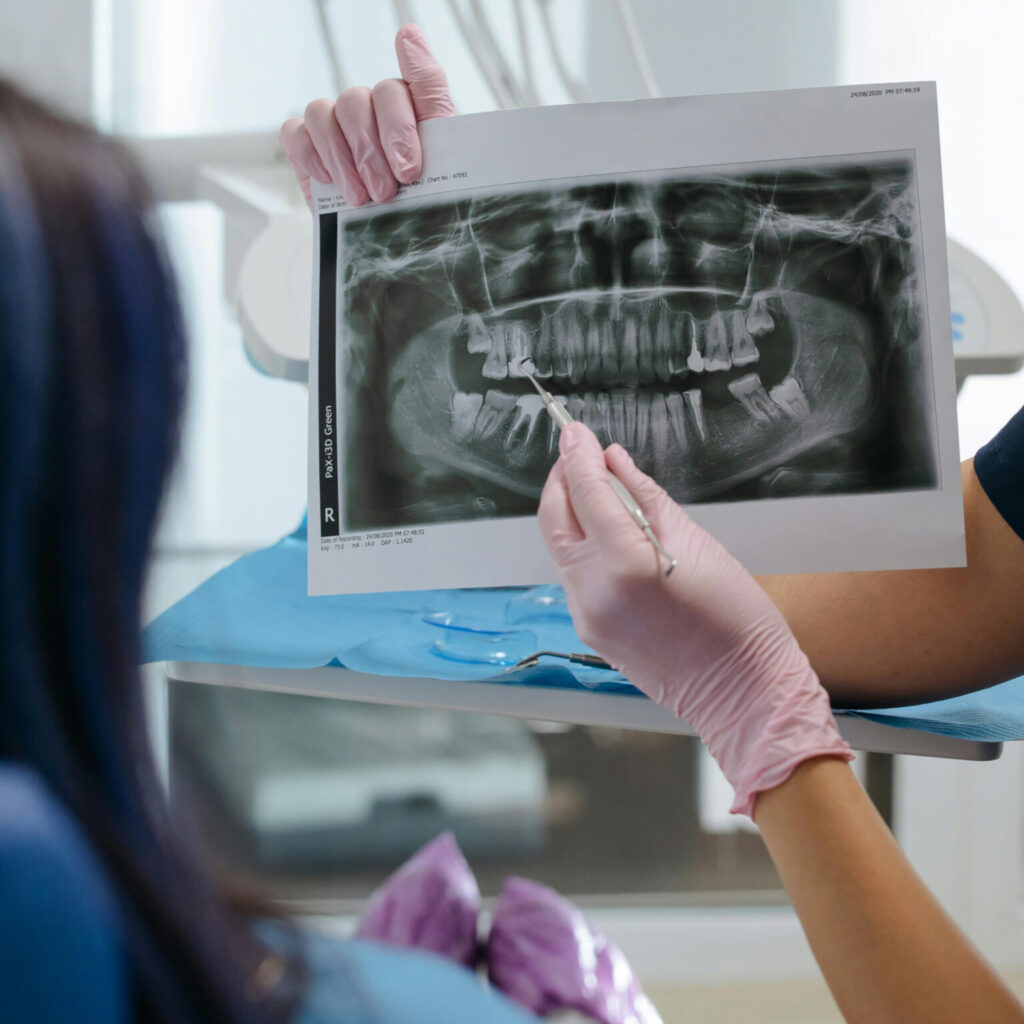
Most people think of gum disease as a dental problem with a narrow set of consequences: bleeding when brushing, bad breath, tenderness, maybe loose teeth later on. In practice, it rarely stays that tidy. The mouth is not separate from the rest of the body, and the gums are not passive tissue. They are living, vascular, immune-active structures that react to bacteria, inflammation, and everyday habits in ways that can ripple well beyond a dental chair.
That is why the question matters: can gum disease treatment improve overall health? The careful, honest answer is yes, it can contribute meaningfully to better overall health, especially by lowering chronic inflammation, reducing bacterial burden, improving comfort and nutrition, and making it easier for people to manage medical conditions such as diabetes. At the same time, gum treatment is not a cure-all. It does not replace blood pressure medication, reverse heart disease on its own, or erase years of smoking or poor metabolic control. What it often does is remove one persistent source of infection and inflammation that has been working against the body every day.
That distinction matters. Patients often hear sweeping claims linking oral health to nearly every illness under the sun. Some of those claims run ahead of the evidence. Still, after years of watching people delay periodontal care, then finally get treatment and feel better in ways they did not expect, I would not call the mouth a side issue. It is part of the system.
What gum disease actually does to the body
Gum disease begins when bacterial biofilm accumulates along and under the gumline. In its earliest stage, gingivitis, the gums become red, swollen, and prone to bleeding. That stage is common and, importantly, reversible. When it progresses to periodontitis, the situation changes. The supporting tissues around the teeth, including bone, begin to break down. Pockets form between the teeth and gums, creating sheltered spaces where bacteria thrive.
The health impact comes from two related problems. First, there is the local destruction in the mouth itself. Chewing becomes uncomfortable, teeth can shift, abscesses can form, and eventually teeth may loosen or be lost. Second, there is the inflammatory burden. Inflamed gum tissue is not sealed shut like healthy skin. It can ulcerate at a microscopic level, giving oral bacteria and inflammatory mediators easier access to the bloodstream.
This does not mean every person with gum disease becomes systemically ill because of it. Human biology is more complicated than a one-to-one equation. But it does mean the body is repeatedly responding to a chronic source of irritation and infection. If that source is active for months or years, it is reasonable to expect broader effects, particularly in people who already have other risk factors.
The strongest overall health link: inflammation
When clinicians talk about the connection between periodontal disease and overall health, inflammation is usually the central theme. Chronic inflammation is not unique to gum disease, but gum disease can add to it. Inflamed periodontal tissues release signaling molecules that influence immune activity, and severe disease can raise systemic inflammatory markers in at least some patients.
That matters because chronic low-grade inflammation is implicated in many common conditions. Cardiovascular disease, insulin resistance, and certain pregnancy complications are all areas where inflammation plays an important role. Gum disease does not single-handedly cause these conditions, but it may add pressure to an already stressed system.
In practice, this is one reason treatment can have benefits that extend past the mouth. When deep cleaning, improved oral hygiene, and ongoing periodontal care reduce active inflammation in the gums, the body no longer has to keep reacting to that same degree of microbial challenge day after day. Some patients notice this in subtle ways rather than dramatic ones. Their gums stop bleeding. Their mouth feels calmer. Eating becomes easier. Morning bad taste disappears. That may sound minor, but small improvements repeated every day often matter more than one dramatic intervention.
Diabetes is where the connection becomes especially clear
If there is one area where the relationship between periodontal health and overall health is especially well established, it is diabetes. The connection runs both ways. People with poorly controlled diabetes are more susceptible to gum disease because elevated blood sugar can impair immune response and healing. At the same https://codynutt471.image-perth.org/gum-disease-treatment-aftercare-tips-for-faster-healing time, active periodontal inflammation can make blood sugar harder to control.
This bidirectional relationship shows up regularly in real clinical settings. A patient may be doing many things right, taking medication, watching carbohydrate intake, trying to exercise, yet still struggling with glucose control. When significant gum disease is present, it can become one of the hidden obstacles. Treating the infection and reducing periodontal inflammation will not replace diabetic care, but it can remove one complicating factor.
Studies have found modest improvements in glycemic control after periodontal therapy in some patients, though results vary. “Modest” is the key word. People should not expect a miracle. Still, even a modest change in A1C can be meaningful over time. For a person trying to reduce long-term complications, any safe, practical step that supports metabolic control deserves attention.
This is often where patients become more motivated. They may have tolerated bleeding gums for years because it did not seem urgent. Once they understand that their oral inflammation may be affecting diabetes management, treatment starts to look less cosmetic and more medical, which in many ways it is.
Heart health, with appropriate caution
The discussion around gum disease and heart health is often oversimplified. Here is the grounded version: periodontal disease has been associated with an increased risk of cardiovascular problems in many observational studies, but association is not the same thing as proof of direct causation. People with severe gum disease may also have other shared risk factors such as smoking, poor diet, lower access to care, or chronic stress.
Even so, there are plausible biological pathways. Oral bacteria have been detected in atherosclerotic plaques in some studies. Periodontal inflammation may contribute to endothelial dysfunction and systemic inflammatory stress. That does not mean scaling and root planing is a substitute for cholesterol management or blood pressure control. It means one chronic inflammatory condition may be part of a larger risk picture.
From a clinical common-sense standpoint, it is hard to argue against reducing a source of infection and inflammation in someone already concerned about cardiovascular health. The treatment itself is usually low risk, and the oral benefits are clear even when systemic gains cannot be predicted with certainty.
Better gums can improve nutrition, which affects the whole body
One of the most underappreciated ways gum disease treatment improves overall health is by making it easier to eat well. People with sore, mobile, or abscess-prone teeth often change their diet long before they tell anyone. They stop eating crisp fruits, raw vegetables, nuts, lean meats, or anything that requires real chewing. Softer foods take over, and softer does not always mean healthier. It often means more refined starches, fewer fibrous foods, and less protein.
That shift can affect energy, weight, blood sugar, and digestive habits. It can also reduce enjoyment of meals, which matters more than people admit. Eating is social, routine, and deeply tied to quality of life.
When Gum Disease Treatment stabilizes the gums and teeth, patients often regain foods they had quietly abandoned. I have seen people return to apples, salads, and grilled chicken with real relief, not because they suddenly became dietary purists, but because chewing no longer felt like a negotiation. Better nutrition then supports the rest of the body, from metabolic health to immune function.
The effect on pain, sleep, and day-to-day stress
Not every health benefit has to show up in a lab value. Chronic oral discomfort wears people down. A low-grade ache, a bad taste from drainage, tenderness when brushing, bleeding every morning, anxiety about bad breath, these are not life-threatening symptoms, but they chip away at daily well-being.
Sleep can suffer when teeth or gums throb at night. Concentration suffers when pain is persistent. People who feel embarrassed by their breath or appearance may pull back socially. That emotional strain is real, and it should not be dismissed just because it starts in the mouth.
After treatment, many patients describe a sense of relief that is broader than “my gums are better.” They sleep more comfortably. They stop avoiding close conversation. They no longer dread flossing because it does not trigger a sink full of blood. The body and mind tend to function better when an ongoing source of irritation is removed.
Pregnancy deserves special mention
Pregnancy changes the gums. Hormonal shifts can exaggerate the inflammatory response to plaque, which is why some pregnant patients notice increased bleeding and tenderness even if their home care routine has not changed. Severe periodontal disease during pregnancy has been studied for possible links to adverse outcomes such as preterm birth and low birth weight. The evidence is not simple enough to say gum disease directly causes these complications in every case, but the concern is serious enough that periodontal health during pregnancy should not be ignored.
The practical takeaway is straightforward. Routine dental and periodontal care during pregnancy is generally important and often safe when coordinated appropriately. Treating active infection, improving home care, and controlling inflammation can support maternal comfort and reduce one unnecessary health burden during a time when the body is already under significant physiological demand.
What treatment usually involves, and why it helps
Gum disease treatment is not one thing. It depends on severity. Early gingivitis may improve with a professional cleaning and consistent home care. More advanced periodontitis often requires scaling and root planing, which is a deep cleaning that removes plaque, calculus, and bacterial deposits from below the gumline and smooths root surfaces to help tissues heal. In some cases, localized antibiotics, periodontal maintenance visits, or surgery are needed.
The goal is not cosmetic polishing. The goal is to reduce the bacterial load, shrink inflamed pockets, and create a condition the patient can maintain. A beautifully performed deep cleaning will fail if plaque builds back rapidly and maintenance is neglected. Periodontal care is closer to managing a chronic condition than getting a one-time repair.
A simple way to think about the benefits is this:
- Treatment reduces active infection and bleeding.
- It lowers the inflammatory burden coming from the gums.
- It preserves teeth and chewing function.
- It makes daily oral hygiene more effective and less uncomfortable.
- It supports medical health indirectly by removing a chronic obstacle.
That fourth point is more important than it sounds. Healthy or healthier gums are easier to keep clean. Once the bleeding and tenderness start improving, patients often brush and floss more thoroughly because it no longer feels punishing. The mouth enters a better cycle.
Where expectations should stay realistic
There is a tendency in health writing to swing between extremes. Either gum disease is treated like a trivial annoyance, or it is blamed for nearly every chronic disease. Neither position serves patients well.
Gum disease treatment can improve overall health, but the size of that improvement varies. Someone with mild gingivitis and no major medical issues may mainly notice fresher breath, less bleeding, and cleaner teeth. Someone with advanced periodontitis and poorly controlled diabetes may see broader benefits. A smoker with severe bone loss may stabilize after treatment but still face a guarded long-term prognosis if tobacco use continues.
The body does not sort itself into neat categories. Health outcomes reflect the combined effect of many variables: genetics, medications, smoking, stress, sleep, blood sugar, immune status, nutrition, and access to regular care. Periodontal therapy helps by removing one significant burden. It does not rewrite the rest of the story on its own.
Why some people do not feel better right away
A common frustration is the expectation that treatment should produce an immediate, dramatic change in overall health. Sometimes it does not. Deep cleaning can leave gums tender for a short time. If disease has been present for years, healing is gradual. The absence of instant transformation does not mean the treatment failed.
There are also cases where periodontal treatment is technically successful, yet a patient still has halitosis, oral burning, or systemic fatigue because those symptoms had other causes. Dry mouth from medications, sinus problems, reflux, clenching, poorly fitting dental work, anemia, and autoimmune conditions can all complicate the picture.
This is where professional judgment matters. Good care does not overpromise. It explains what gum treatment can reasonably change and what may need separate medical evaluation.
Maintenance is the difference between short-term improvement and lasting benefit
The most successful cases are not always the ones with the most sophisticated procedures. They are often the ones where the patient understands maintenance. Periodontal disease is driven by bacterial biofilm, which means recurrence is possible if daily plaque control and follow-up lapse.
For patients asking how to protect both oral and overall health after treatment, the essentials are rarely glamorous:
- Brush thoroughly twice a day with a soft brush and proper technique.
- Clean between the teeth every day with floss or interdental brushes.
- Keep periodontal maintenance appointments at the interval recommended.
- Manage smoking, diabetes, and dry mouth aggressively if they apply.
- Report bleeding, mobility, or persistent bad taste early rather than waiting.
Those habits sound ordinary because they are ordinary. Their power lies in consistency. In periodontics, quiet consistency usually beats occasional heroics.
The patients who benefit most
Although almost anyone with active gum disease stands to gain from treatment, some groups tend to benefit in particularly meaningful ways. People with diabetes are high on that list. Smokers who quit around the time of periodontal therapy often see significantly better healing and a lower rate of recurrence. Older adults trying to preserve natural teeth benefit not only from reduced infection but from maintaining the ability to chew properly. Patients preparing for major medical treatment, such as cardiac procedures, joint replacement, chemotherapy, or transplant-related care, also benefit from reducing oral infection before those events whenever possible.
There is another group worth mentioning: the person who has normalized symptoms for too long. The patient who says, “My gums have bled for years, I thought that was just how my mouth is.” Those are often the people most surprised by how much better they feel after care. They did not realize how much background discomfort and inflammation they had been carrying.
What the evidence supports, in plain language
The best-supported claim is not that Gum Disease Treatment cures systemic disease. It is that periodontal disease is a chronic inflammatory and infectious condition, and treating it improves oral health in ways that can also support general health. The strongest systemic connection is with diabetes. The cardiovascular link is important but more nuanced. The quality-of-life benefits, including reduced pain, better chewing, improved breath, and easier hygiene, are immediate and clinically significant even when broader medical effects are harder to measure.
That may sound less dramatic than a headline promising total-body transformation, but it is far more useful. Medicine and dentistry both work best when they respect complexity. A healthier mouth does not guarantee a healthier body, but it gives the body one less problem to fight.
The practical bottom line
If your gums bleed regularly, feel swollen, or have started pulling away from the teeth, it is worth treating sooner rather than later. Waiting usually means more tissue damage, more complex treatment, and fewer options for preserving teeth. From an overall health standpoint, early care makes even more sense. A small inflammatory problem is easier on the body than a large chronic one.
The mouth is one of the few places where chronic inflammation is both visible and treatable without much guesswork. When infected periodontal pockets are cleaned, when bacteria are controlled, when bleeding subsides, the benefit is not limited to a prettier smile. The immune system gets a break. Eating often improves. Daily discomfort drops. Medical conditions like diabetes may become easier to manage. That is not hype. It is the practical value of removing a persistent source of disease.
So, can gum disease treatment improve overall health? Yes, often in measurable ways, and almost always in worthwhile ones. Even when the systemic effect is modest, the oral, functional, and quality-of-life gains are strong enough to make treatment a sound investment in health rather than just in teeth.
Dental Group Of Beverly Hills
Address: 8641 Wilshire Blvd #125, Beverly Hills, CA 90211
Phone number: +13109296335
FAQ About Gum Disease Treatment
How to improve gum health quickly?
To improve gum health quickly, eliminate plaque buildup by brushing for two full minutes twice a day at a 45-degree angle to the gumline. Floss daily to clean under the gumline, and rinse with an antimicrobial, alcohol-free mouthwash. For immediate relief of soreness, use a warm saltwater rinse.
What is the fastest way to cure gum disease?
To quickly cure early-stage gum disease (gingivitis), eliminate the plaque buildup causing the inflammation. Brush gently but thoroughly for two minutes twice daily, floss daily, and use an antibacterial mouthwash or a warm saltwater rinse. However, if tartar has hardened, professional treatment is necessary.
How do I treat my gum disease at home?
You can treat early gum disease at home by practicing strict daily oral hygiene, rinsing with salt water or antibacterial mouthwash, and quitting smoking. True gum disease (especially advanced forms like periodontitis) cannot be fully cured at home once tartar forms, and you must see a dentist for professional cleanings.
Public Last updated: 2026-09-01 04:33:28 PM