The Barbershop Flooring Guide: Why Your "Designer" Choice is Failing by Week Three
I’ve walked through enough snag lists in London’s fit-out scene to know when a project manager is about to get a call from a furious business owner. It usually happens around month three, when the shine has worn off, the edges are peeling, and the floor has become a magnet for every single strand of hair cut in the last fortnight.
You see, I spend my life looking at the bits people ignore. I’ve seen beautiful, expensive timber planks in high-traffic salons that looked like a million pounds on Instagram during the launch party. Six months later? The grout lines and tongue-and-groove joints are black with embedded hair, and the perimeter edges are lifting because someone thought a domestic-grade adhesive would hold up to a Saturday morning rush.
So, here is the million-dollar question I ask every shop fitter I meet: "What happens behind the chair on a busy Saturday afternoon?" If your flooring solution doesn't have an answer for that, you've already failed.

The Domestic vs. Commercial Trap
The biggest mistake I see in barbershop fit-outs is the "home-decor" mentality. Clients westlondonliving.co walk into a showroom, see a nice-looking luxury vinyl tile (LVT) or a textured laminate, and think, "That’ll look great in my shop."
It won't. Domestic products are tested for a living room environment—where people wear socks and the worst "traffic" is a vacuum cleaner. A barbershop is a high-impact, chemical-heavy, and high-abrasion zone. You aren't just dealing with foot traffic; you’re dealing with fine hair clippings that act like microscopic wedges, forcing their way into any gap they find, and chemical sprays that break down standard finishes.
If you want a seamless barbershop floor, you have to stop looking at domestic suppliers and start looking at industrial manufacturers who deal with high-traffic performance. You need something that behaves less like a floor covering and more like a sealed, structural skin.
Understanding Slip Resistance: The DIN 51130 Standard
I’ve sat through enough liability meetings to know that if you get the slip rating wrong, you’re looking at insurance nightmares. When you are planning your floor, you need to be looking for the DIN 51130 classification. This is the German standard for slip resistance, and it’s the gold standard we use in UK commercial fit-outs.
In a barbershop, you’ve got spray water from washbasins, hair products, and floor oils. You cannot get away with a smooth, glossy finish unless you want your staff and customers taking a tumble.
- R9: Generally too slippery for commercial use in wet-prone areas.
- R10: The minimum for general walkways, but not recommended for around the barber chair.
- R11: The sweet spot. Offers excellent traction even when hair products or water hit the floor.
- R12: Necessary for professional kitchens or heavy industrial wet-zones. Might be overkill for a shop, but safer if you are heavy on the hot-towel shaves.
Always ask your supplier for the certificate. If they can’t show you the DIN 51130 rating, walk away. They are selling you a liability, not a floor.
Why Hair Clippings Are Your Biggest Enemy
Hair is a nightmare for flooring contractors. It’s light, static-charged, and incredibly persistent. If your floor has joints, grout lines, or textured grain, you are building a hair-trapping system, not a barbershop.
When you have a jointed floor, the hair gets pushed into the seam. Once it's there, it traps dirt. Then, moisture—from a spill or a mop—gets in there, mixes with the hair and dirt, and you get a breeding ground for bacteria. This is why we look to the Food Standards Agency guidelines for inspiration. While they oversee kitchens, the principles of HACCP (Hazard Analysis and Critical Control Points) regarding flooring are perfectly applicable to a hygienic barbershop. You need a surface that is non-porous, monolithic, and can be power-washed or chemically deep-cleaned without degradation.
This is where joint-free flooring becomes non-negotiable. By choosing a system that flows from wall to wall without a single seam, you eliminate the "hair trap" entirely.
The Solution: High-Performance Resin Systems
After 12 years in the industry, I have seen almost every flooring type fail—except for one. When done correctly, high-end resin systems, such as those provided by firms like Evo Resin Flooring, are the only real choice for a high-traffic barbershop.
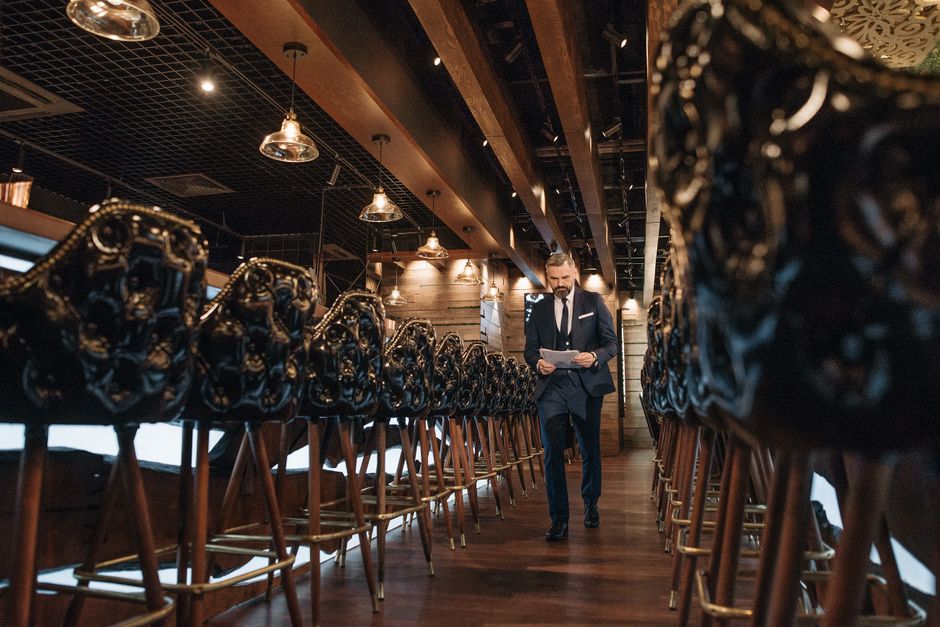
These floors are applied in a liquid state, which means they fill every single micro-gap in the substrate. Once cured, they form a single, solid sheet. There is nowhere for hair to hide. You can sweep it, vacuum it, or mop it, and the floor will remain identical to the day it was laid.
Comparison of Flooring Types for Barbershops Feature Standard LVT Laminate Seamless Resin Hair Trapping High (in joints) Very High (in grain/joints) Zero Water Resistance Moderate Low Absolute Cleanability Requires heavy scrubbing Difficult Easy/Wipe-clean Lifespan 3-5 years 1-3 years 10+ years
Don't Ignore the "Wet Transitions"
Here is where most shops fall over. It’s not just the main floor area; it’s the transition zones. If you have a washbasin area where your team is doing shaves or hair washing, that is a wet zone. I’ve seen beautiful resin floors fail because the installer didn't use a coved skirting.
Coving is where the floor material travels up the wall by 50mm to 100mm, creating a smooth, curved radius. If you have a sharp 90-degree angle between the floor and the wall, that is where the dust and hair will settle, and where you’ll be on your hands and knees with a toothbrush trying to clean it. A proper coved junction is the hallmark of a professional-grade fit-out.
The "Easy Clean" Myth
I get annoyed when I hear contractors pitch "easy clean" flooring that has deep textures. Nothing with a texture is easy to clean in a barbershop. You need a surface that is smooth enough to mop effortlessly, but textured enough to meet your R11 slip-resistance requirements. This is managed during the resin application by the specific type of aggregate—usually quartz or silica—mixed into the final coat. Don't let them tell you a "wood-look" plastic is easy to clean; it’s an open invitation to grime.
Checklist for Your Next Fit-Out
If you’re currently in the planning stages for a new shop or a refurb, print this list off and keep it in your back pocket. If your contractor can't tick these boxes, you’re in trouble:
- Joint-free install: Ask them how they handle perimeter expansion. If they use a T-bar or a transition strip, you have a future hair trap.
- Slip Certification: Ask for the DIN 51130 certificate. Ensure it’s at least R10, preferably R11 for wet zones.
- Wall Coving: Ensure the contract specifies a 50mm+ coved radius at the wall-to-floor junction.
- Porosity Test: Ask if the final seal is truly non-porous. It should resist hair dyes and bleach without staining.
- Maintenance Protocol: Demand a clear cleaning guide that doesn't rely on aggressive scrubbing, which destroys finishes over time.
Final Thoughts: Invest Once, Clean Once
It’s tempting to save money on the floor to put more budget into the chairs or the lighting. But look at it this way: your floor is the single most interacted-with element of your shop. If your staff spends 30 minutes a day just trying to get hair out of the seams, you’re losing money. If your floor looks grubby because the hair is embedded, your customers will notice.
Do it once, do it right. Use a seamless, industrial-grade system, demand proper slip ratings, and seal your edges. You’ll thank me on that first busy Saturday night when the floor is clear, safe, and still looking as good as it did on opening day.

Public Last updated: 2026-05-10 06:33:56 AM