Eco-Friendly Shaving: Ditch Plastic with a Safety Razor
Shaving generates an unglamorous stream of plastic. The typical multi-blade cartridge, sealed in more plastic, clipped into a disposable handle, then tossed after a handful of shaves, can add up to hundreds of grams of mixed material waste per person each year. Multiply that by millions and the problem becomes clear. A safety razor, particularly a double edge razor with fully recyclable steel blades, shifts that equation. It also changes the feel of shaving, often for the better.
I switched after losing patience with clogged cartridges and sticker shock at the checkout counter. The first week, I nicked myself twice. By the second month, I was getting shaves as close as my barber could manage, with calmer skin and a drawer that no longer looked like a plastics aisle. If you are weighing a change for environmental reasons, cost, skin comfort, or simple curiosity, a well chosen safety razor makes a strong case.
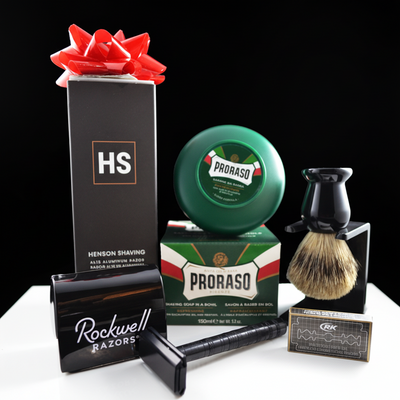
What a safety razor is, and why the design still works
A safety razor holds a single thin blade against your skin with a metal guard that sets the shaving angle. Most modern options are double edge razors, meaning a single blade exposes two edges along the top cap. The geometry of the head fixes how much blade peeks out and at what angle it meets your stubble. That is why some models feel gentle and others more assertive.
The design looks simple because it is, and simplicity is part of the appeal. There are no springs or pivoting heads to fail. The parts you touch are usually stainless steel or brass, sometimes a plated zinc alloy. Those materials can last decades with minimal care. The only consumable is the blade. Double edge razor blades are just stamped steel, often with a thin coating for smoothness. When dull, you drop one out and slip a fresh one in. That is the whole maintenance routine.
With a cartridge system, the cutting edges are buried in plastic. When they dull or corrode, the whole cartridge gets binned, and the price reflects all that hardware. The safety razor flips that around. The handle is permanent. The blade is the cheap part.
The waste math, without hand waving
Numbers vary with habits, but the order of magnitude is consistent. If you shave three times a week and swap cartridges every 5 to 7 shaves, you will burn through about 25 to 35 cartridges per year. A single cartridge with its plastic frame, lubrication strip, and packaging can weigh 6 to 10 grams, not counting the paperboard shell. That is 150 to 350 grams of mixed material waste. Mixed material is the key phrase, because few municipal programs can separate the bits for effective recycling.
With a double edge setup, a blade typically lasts 4 to 8 shaves, depending on beard coarseness and your tolerance for decline. At three shaves a week, that is roughly 20 to 40 blades a year. Each blade weighs about a gram. You can capture those in a tin and send them to scrap metal, or use a blade bank that some shave shops collect for recycling. Even if your local recycler will not accept loose blades, you can seal a full tin and take it to a metal recycler. The difference in material turned into waste is not marginal, it is a step change.
Packaging shrinks too. Razor blades often come in paper or thin plastic dispensers the size of a matchbox. The handle arrives in a small box and then it is yours for the long haul. Over a couple of years, the only repeating purchase is a new pack of blades and, if you enjoy lathering, soap or cream in recyclable tubs.
Cost is not just marketing copy
Sticker price throws many people. A quality stainless safety razor can cost from 50 to 150 dollars. There are cheaper zinc alloy razors in the 20 to 40 dollar range that work fine, though they may not shrug off drops or decades of humidity as well. Double edge razor blades usually cost 10 to 30 cents each if bought in packs of 50 or 100. If you shave three times a week and swap every five shaves, blades will cost 3 to 10 dollars a year. High end blades creep up to 40 to 50 cents, but even then you are still under 20 dollars for annual consumption.
Compare that with common cartridges at 2 to 5 dollars each, with similar longevity. At 30 cartridges per year, that is 60 to 150 dollars in blades alone, not counting the handle or foam. Over five years, the math tilts hard toward the safety razor. Even a premium handle pays for itself and keeps working.
A quick side by side, where differences matter
- Waste stream: safety razors use all-metal razor blades that can be recycled, while cartridges blend plastic and metal that typically go to landfill.
- Ongoing cost: double edge razor blades are inexpensive per shave, while cartridges cost several dollars each.
- Shave control: a fixed head teaches angle and pressure, and often yields closer results with fewer passes; cartridges rely on pivoting heads and multiple blades that can irritate sensitive skin.
- Durability: a metal safety razor can last decades, while cartridge systems depend on proprietary heads that may change or get discontinued.
- Learning curve: safety razors demand light pressure and attention to grain, while cartridges are more forgiving from day one.
How to choose your first safety razor
A good first razor does not bite, yet it still clears stubble efficiently. Look for a mild to medium model with a closed comb head. Closed comb means the safety bar is a solid piece with maybe a few grooves, not an open toothy comb. Those open comb designs work well on long growth, but they let more blade feel through.
Handle length is a comfort choice, not a performance spec. If you have larger hands or plan to shave your legs, a longer handle can help. Surface texture, called knurling, matters more than you might think. A grippy handle, especially on a wet morning, feels secure and lets you focus on angle.
Material and build affect longevity and price. Stainless steel resists corrosion, carries some heft, and will survive drops. Brass is also durable and can be plated in chrome or nickel. Zinc alloy, often called zamak, makes up many budget razors. With good plating they hold up well, but they can corrode if the plating chips. If you live near the ocean or keep your tools in a humid bathroom, stainless reduces worry.
Adjustable razors offer a dial that opens or closes the blade gap, changing aggression. They are a fine choice if you have variable needs, like a week of growth followed by daily maintenance. If you prefer simplicity, a fixed head is one less variable. I usually steer beginners toward a well reviewed fixed head and a few sample packs of double edge razor blades rather than fiddling on day one.
Blades are not all the same, and skin tells you which to buy
Double edge razor blades vary in sharpness and coating. Brands rarely list steel recipes on the box, so you learn by trying. Feather blades from Japan have a reputation for extreme sharpness and can feel clinical on sensitive skin. Astra, Personna, Gillette Platinum, and Nacet sit in a middle band that works for many faces. Derby, Shark, and Dorco skew a bit milder. Coatings like platinum or Teflon influence glide and longevity more than raw sharpness.
Start with a sampler, try a blade for three to five shaves, then switch. Keep mental notes on tugging, post shave feel, and nicks. Skin type matters as much as beard type. If you have wiry growth and resilient skin, a sharper blade may improve efficiency and comfort because it clears hair cleanly without extra passes. If you have fine hair and reactive skin, a middle sharpness with a slick lather can be glorious.
Do not overcommit early. The first five or six shaves are more about you learning angle and pressure. A blade that feels rough at the beginning might suit you well once technique settles.
Technique is kinder to skin than more blades
A double edge razor rewards a few good habits. The motion is closer to wiping lather than scraping skin. The blade should barely touch, supported by the weight of the head, not your hand pressing down. The correct angle hovers around 30 degrees between the cap and your skin, but that number is abstract. Place the top cap on your face, lower the handle slowly until you just hear and feel stubble cutting, then freeze that angle in your muscle memory.
Preparation helps. Soft hair cuts easily, and skin swells slightly when hydrated, which protects it. A shower before shaving or a hot towel for a minute will do. A proper lather from a brush and soap creates slickness and cushion. Commercial gels can work, but traditional soaps often rinse cleaner and leave less film that clogs the head.
- Map growth: rub your hand over your beard or the area you shave and note direction. First pass with the grain, second across if needed, only going against the grain once technique is solid.
- Maintain angle: lead with the cap, then let the edge contact. If you feel scraping or skipping, shallow the angle slightly.
- Use no pressure: let the razor’s weight do the cutting. If a patch resists, change angle or relather rather than pushing harder.
- Short strokes: work in strokes of a centimeter or two, rinsing often to clear the lather and hair.
- Respect lather: if an area dries, reapply. Dry passes invite irritation.
A full face typically takes two passes, with touch ups on the chin and jawline. straight razor deals Canada Legs often need one thorough pass with light buffing on the shin bones and near the ankle. Underarms prefer shallow angles and skin stretched gently to avoid folds.
A practical, five step shave routine
- Prep for one minute. Hot water on the area, then a thin layer of pre-shave oil or just damp skin. Load your brush with soap until the tips look like meringue, then build a glossy lather in a bowl or directly on skin.
- First pass with the grain. Hold the double edge razor near the base of the handle for control, find the cutting angle, and take short strokes. Rinse the head every few strokes to keep the razor blades clear.
- Re-lather and go across. This cleans up stragglers without fighting the hair. Stop here if your skin feels warm.
- Optional third pass against the grain. Only if your skin tolerates it well. Many people reserve this for special days or skip it on the neck entirely.
- Rinse, calm, and protect. Cold water rinse, a light touch with an alum block if you have tiny weepers, then a non-greasy balm. Avoid alcohol splashes if you struggle with dryness.
After a week of attention to angle and pressure, most people notice fewer ingrowns and less redness. If you struggle with curly hair and ingrowns, try ending on an across-the-grain pass and skip the against-the-grain step for a month. Exfoliate gently between shaves. A chemical exfoliant with salicylic acid every few days can keep follicles clear.
Body shaving and gender inclusivity
Safety razors are not just for faces. Legs, underarms, and the bikini line respond well if you respect contours. A longer handle can help reach calves without bending into a pretzel. The blade does not clog easily, which is useful with longer hair. Light pressure matters even more on knees and ankles, where skin meets bone and angles change quickly.
If you have only used cartridges marketed to women, the first strokes with a metal handle can feel unfamiliar. Take your time. Build lather that does not slide away, keep the skin taut with your free hand, and stay mindful of moles or raised bumps. Many women prefer mild razors with rounded caps for better glide in curves. The environmental and cost benefits are identical regardless of the aisle you normally shop.
Common myths and what experience says
A frequent claim holds that safety razors are dangerous relics. A sharp edge on your skin demands attention, but the guard and cap limit exposure. With stable hands and no pressure, they are no more hazardous than a cartridge, and often less irritating because you are dragging one blade, not five, over each pore.
Another myth is that safety razors are slow. The first few shaves take longer. You are learning tools and listening to feedback. After a month, the time difference shrinks. A quick daily pass with the grain takes under five minutes, including cleanup. The ritual can be meditative if you want it to be, or brisk if you are late for work.
There is also a notion that only coarse beards benefit. In practice, fine hair often lies flat and shaves patchily with multiple blades, which lift and cut in ways that can encourage ingrowns. A single, sharp edge at a consistent angle can reduce that problem.
Caring for your gear so it lasts
Rinse the head well after each shave to flush soap residue. Open a three piece razor and run water through the cap and base plate, then shake dry. In hard water areas, a quick wipe with a towel prevents mineral spots. Once a month, a dab of dish soap and an old toothbrush will restore shine. If threads feel rough, a tiny drop of mineral oil keeps the action smooth.
Do not store a wet razor sealed in a drawer. Airflow matters. If the stand you like holds the razor upright, great. If not, lay it on a towel to dry between uses. Rust on stainless steel is rare, but even stainless can show tea staining if neglected in salty air. Brass develops a warm patina over time, which some people prefer to constant polishing.
For the blades, a simple tin works as a safe bank. Some blade dispensers include a slot in the back for spent blades. When the tin is full, seal it with paper tape and label it as used blades, then take it to a scrap metal facility or follow your local guidelines. Do not drop loose blades in household recycling.
Travel and rules that save hassle
You can pack a safety razor body in your carry on, but double edge razor blades are prohibited in most airport security checks. Pack blades in checked luggage or plan to buy a tuck of blades at your destination. Many pharmacies carry at least one brand. If you forget and only have carry on, leave the blade out and use a disposable on the trip, or grow an airport beard.
When driving or traveling by train, keep blades in their wrapper inside a small plastic or metal case to prevent corrosion and accidental nicks when rummaging through a bag. If you shave infrequently while traveling, consider a mild compact razor to keep the kit light.
Skin troubleshooting when things go sideways
If you see redness or feel burn, the fix usually sits in technique, not hardware. Ease pressure, check the angle, and use a wetter lather. If your soap dries chalky, add more water while building. Tiny weepers often stop with a cold rinse and a few seconds of alum. Persistent nicks in the same spot usually mean you are going over skin that lacks lather or you are catching a contour with the wrong angle. Change direction slightly on that patch and lighten the touch.
Tugging points to a dull blade or one that does not suit your hair. Swap it. If the first pass feels rough but the second is fine, your prep was too short. Hydrate longer or shave after a shower. If ingrowns appear along the neck or bikini line, reduce the number of passes and stop going against the grain for a while. Massage the area with a gentle exfoliant between shaves to free trapped hairs.
Acne and active breakouts demand caution. Shave around inflamed areas or use a trimmer set to a higher guard until the skin calms. A single small pimple can bleed if nicked by any razor, cartridge or safety. A styptic pencil pressed for a few seconds closes the spot.
The environmental ripple beyond blades
Moving to a safety razor can prompt a look at the rest of the routine. Many traditional shaving soaps come in refillable tins or hard pucks wrapped in paper. Brushes use synthetic fibers that perform well without relying on animal hair. Aftershaves in glass bottles last longer and generate less plastic. None of these swaps matter if the shave does not work, but once the blade system changes, the rest often follows naturally.
It is worth noting that the greenest product is the one you already own. If you have a functional handle and a stock of cartridges, use them up while you research. When you do buy, choose tools built from materials that age well. A brass or stainless double edge razor will outlive several fashion cycles. Passing one to a teenager learning to shave beats handing them a bag of throwaways.
A realistic first month
Expect a learning curve that lasts about ten shaves. The first day is mostly about understanding angle and relearning pressure. The second week, your hands start to set the angle by feel, not by thinking. Somewhere in the third week, you have one of those shaves where the razor sings, you rinse, and your hand comes away smooth with no sting. That is the moment the habit sticks.
On my third week, I shaved before a friend’s wedding with a mild razor and a slick tallow soap, two passes and a quick touch up on the jaw. The result felt barbershop close without the warm towel. No redness in photos, no five o’clock shadow by dessert. I had switched to steel blades for waste reduction, but I stayed because it simply worked better.
When not to switch, or at least not yet
If you often shave in a moving car, do not. Even a cartridge is a bad idea, and a safety razor magnifies bumps you cannot see coming. If a medical condition limits hand control, a pivoting cartridge may genuinely be safer. If you need to rush through a harsh fluorescent locker room with cold water and no mirror, a plastic disposable might be the tool for that day. The point is not to moralize every shave, it is to pick the right tool for most of your life.
Season also matters. Dry winter air and indoor heating can make skin shaving store fragile. Switch during a calmer stretch when you have time for prep and aftercare. Once technique settles, seasons matter less.
The bottom line on ditching plastic
A safety razor trades a small amount of learning for a large improvement in waste, cost, and control. Double edge razor blades are cheap, sharp, and recyclable. The handle, built from metal instead of molded plastic, stays in service for years. For sensitive skin, fewer blades passing over each hair means less chance to inflame follicles. For anyone who keeps a budget, the difference after a year is obvious.
The switch also carries simple satisfaction. You maintain a tool, not a subscription. You dial in a blade that fits your face, not a brand’s marketing tier. You stop buying a handful of plastic for every week of shaving. Add it up across a household, or a lifetime, and it feels like the kind of small, repeatable change that actually counts.
If you are ready, start with a mild closed comb razor, a sampler of blades, and a decent soap. Give yourself ten shaves. Respect the basics, map your grain, and let the edge work. The plastic bin will lighten. Your skin will likely calm. And the morning routine, once a chore, may become a few minutes you honestly enjoy.

Public Last updated: 2026-06-13 05:41:06 AM