Powering Inductive Loads with Diesel Generators A Comprehensive Guide
Introduction
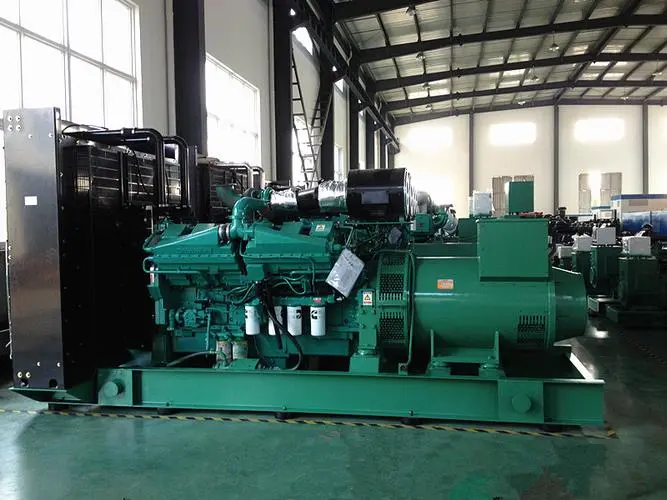
Diesel generators are a reliable source of backup power for a wide range of applications, including industrial, commercial, and residential settings. One common challenge faced by users of diesel generators is powering inductive loads. Inductive loads, such as electric motors, compressors, and transformers, require special considerations when being powered by a generator due to their reactive power characteristics. In this article, we will explore the intricacies of powering inductive loads with diesel generators, including the challenges involved and best practices to ensure efficient and reliable operation.
Understanding Inductive Loads
Before delving into the specifics of powering inductive loads with diesel generators, it is essential to understand the nature of inductive loads and their impact on electrical systems. Inductive loads are devices that rely on electromagnetic induction to operate, such as electric motors and transformers. These loads exhibit characteristics that differentiate them from resistive loads, such as incandescent lights and heaters.
One key characteristic of inductive loads is their reactive power requirement. Reactive power is the power that oscillates between the load and the source due to the magnetic field generated by the inductive device. This reactive power does not perform useful work but is necessary for the operation of the inductive load. When powering inductive loads with a diesel generator, it is crucial to account for this reactive power component to ensure the stability and efficiency of the electrical system.
Challenges of Powering Inductive Loads with Diesel Generators
Powering inductive loads with diesel generators presents several challenges that must be addressed to prevent issues such as voltage fluctuations, power factor problems, and equipment damage. Some of the key challenges include:
1. Starting Current: Inductive loads, especially electric motors, require a high starting current to overcome inertia and initiate rotation. This high starting current can cause voltage dips in the electrical system, leading to instability and potential damage to the generator and connected equipment.
2. Power Factor Correction: Inductive loads have a lagging power factor, meaning they draw reactive power from the system without contributing to useful work. Diesel generators need to manage this reactive power component effectively to maintain a high power factor and ensure efficient operation.
3. Voltage Regulation: Inductive loads can cause voltage fluctuations in the electrical system, particularly during starting and stopping cycles. Diesel generators must have robust voltage regulation mechanisms to maintain stable voltage levels and protect sensitive equipment from damage.
Best Practices for Powering Inductive Loads with Diesel Generators
To overcome the challenges associated with powering inductive loads with diesel generators, several best practices can be implemented to ensure efficient and reliable operation. These practices include:
1. Sizing https://www.lkpowerplant.com/product/quick-delivery-emergency-standby-power-400kw-silent-type-diesel-generator-set-for-peru/ : Properly sizing the diesel generator is essential when powering inductive loads to accommodate the high starting current requirements of the devices. Oversizing the generator can lead to inefficient operation, while undersizing can result in voltage fluctuations and equipment damage.
2. Implementing Soft Starters: Soft starters are devices that gradually ramp up the voltage and current supplied to inductive loads, reducing the stress on the generator during startup. By implementing soft starters, the high starting current requirements of inductive loads can be managed effectively, minimizing voltage fluctuations and ensuring stable operation.
3. Power Factor Correction Equipment: Power factor correction equipment, such as capacitors, can be installed to offset the reactive power drawn by inductive loads. By improving the power factor of the system, diesel generators can operate more efficiently and effectively supply power to inductive loads without compromising stability.
4. Voltage Regulation Systems: Diesel generators equipped with advanced voltage regulation systems can maintain stable voltage levels when powering inductive loads. Automatic voltage regulators (AVRs) and other control mechanisms can adjust the generator's output voltage in real-time to compensate for fluctuations caused by inductive loads, ensuring consistent and reliable power supply.
5. Regular Maintenance and Monitoring: To ensure the continued performance of diesel generators when powering inductive loads, regular maintenance and monitoring are essential. Inspecting the generator, checking connections, and monitoring voltage and current levels can help identify potential issues early and prevent costly downtime or equipment damage.
Conclusion
Powering inductive loads with diesel generators requires careful consideration of the unique challenges posed by these devices. By understanding the reactive power requirements of inductive loads and implementing best practices such as proper sizing, soft starters, power factor correction, voltage regulation systems, and regular maintenance, users can ensure efficient and reliable operation of their diesel generators. By following these guidelines, the reliability and performance of diesel generators when powering inductive loads can be maximized, providing a stable and uninterrupted power supply for a variety of applications.
Diesel generators are a reliable source of backup power for a wide range of applications, including industrial, commercial, and residential settings. One common challenge faced by users of diesel generators is powering inductive loads. Inductive loads, such as electric motors, compressors, and transformers, require special considerations when being powered by a generator due to their reactive power characteristics. In this article, we will explore the intricacies of powering inductive loads with diesel generators, including the challenges involved and best practices to ensure efficient and reliable operation.
Understanding Inductive Loads
Before delving into the specifics of powering inductive loads with diesel generators, it is essential to understand the nature of inductive loads and their impact on electrical systems. Inductive loads are devices that rely on electromagnetic induction to operate, such as electric motors and transformers. These loads exhibit characteristics that differentiate them from resistive loads, such as incandescent lights and heaters.
One key characteristic of inductive loads is their reactive power requirement. Reactive power is the power that oscillates between the load and the source due to the magnetic field generated by the inductive device. This reactive power does not perform useful work but is necessary for the operation of the inductive load. When powering inductive loads with a diesel generator, it is crucial to account for this reactive power component to ensure the stability and efficiency of the electrical system.
Challenges of Powering Inductive Loads with Diesel Generators
Powering inductive loads with diesel generators presents several challenges that must be addressed to prevent issues such as voltage fluctuations, power factor problems, and equipment damage. Some of the key challenges include:
1. Starting Current: Inductive loads, especially electric motors, require a high starting current to overcome inertia and initiate rotation. This high starting current can cause voltage dips in the electrical system, leading to instability and potential damage to the generator and connected equipment.
2. Power Factor Correction: Inductive loads have a lagging power factor, meaning they draw reactive power from the system without contributing to useful work. Diesel generators need to manage this reactive power component effectively to maintain a high power factor and ensure efficient operation.
3. Voltage Regulation: Inductive loads can cause voltage fluctuations in the electrical system, particularly during starting and stopping cycles. Diesel generators must have robust voltage regulation mechanisms to maintain stable voltage levels and protect sensitive equipment from damage.
Best Practices for Powering Inductive Loads with Diesel Generators
To overcome the challenges associated with powering inductive loads with diesel generators, several best practices can be implemented to ensure efficient and reliable operation. These practices include:
1. Sizing https://www.lkpowerplant.com/product/quick-delivery-emergency-standby-power-400kw-silent-type-diesel-generator-set-for-peru/ : Properly sizing the diesel generator is essential when powering inductive loads to accommodate the high starting current requirements of the devices. Oversizing the generator can lead to inefficient operation, while undersizing can result in voltage fluctuations and equipment damage.
2. Implementing Soft Starters: Soft starters are devices that gradually ramp up the voltage and current supplied to inductive loads, reducing the stress on the generator during startup. By implementing soft starters, the high starting current requirements of inductive loads can be managed effectively, minimizing voltage fluctuations and ensuring stable operation.
3. Power Factor Correction Equipment: Power factor correction equipment, such as capacitors, can be installed to offset the reactive power drawn by inductive loads. By improving the power factor of the system, diesel generators can operate more efficiently and effectively supply power to inductive loads without compromising stability.
4. Voltage Regulation Systems: Diesel generators equipped with advanced voltage regulation systems can maintain stable voltage levels when powering inductive loads. Automatic voltage regulators (AVRs) and other control mechanisms can adjust the generator's output voltage in real-time to compensate for fluctuations caused by inductive loads, ensuring consistent and reliable power supply.
5. Regular Maintenance and Monitoring: To ensure the continued performance of diesel generators when powering inductive loads, regular maintenance and monitoring are essential. Inspecting the generator, checking connections, and monitoring voltage and current levels can help identify potential issues early and prevent costly downtime or equipment damage.
Conclusion
Powering inductive loads with diesel generators requires careful consideration of the unique challenges posed by these devices. By understanding the reactive power requirements of inductive loads and implementing best practices such as proper sizing, soft starters, power factor correction, voltage regulation systems, and regular maintenance, users can ensure efficient and reliable operation of their diesel generators. By following these guidelines, the reliability and performance of diesel generators when powering inductive loads can be maximized, providing a stable and uninterrupted power supply for a variety of applications.

Public Last updated: 2025-05-07 03:48:23 AM