Poolside Planting and Hardscape: Ridgeline’s Blueprint for LA Backyards
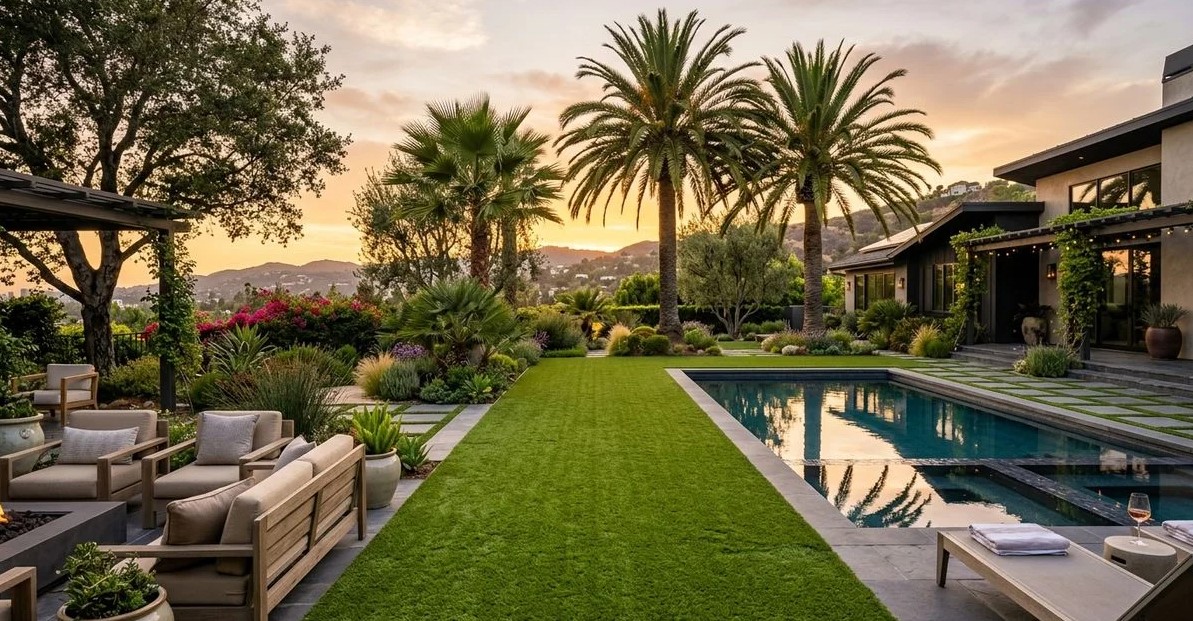
Every memorable Los Angeles pool starts with the bones of good design. Not the waterline tile or the chaise lounges, but the geometry of pavements, the grading beneath them, the drainage that keeps the deck dry in January, and the plant palette that holds up in August. Over two decades building outdoor living spaces across LA’s coastal flats, canyons, and hillsides, our team at Ridgeline Outdoor Living has learned that pool landscapes do their best work when the hardscape and planting are conceived as one system. The result feels inevitable, almost effortless, even though the decisions behind it are anything but casual.
This is our working blueprint, shaped by local codes, microclimates, and the realities of living outdoors all year.
Start with the frame, not the furniture
The pool deck defines circulation and comfort. Set that frame, and everything else finds its place. In Los Angeles, sun angles, heat gain, and the movement of evening breezes matter as much as dimensions. A deck that looks generous on paper can read tight when you push furniture clearances, allow for code-required barriers, and preserve sightlines back to the house.
We establish swim lanes and lounging zones first, then locate functional anchors like an outdoor kitchen, a pergola, a fire feature, or a raised planter that doubles as a seat wall. Those moves create shade, privacy, and storage without cluttering the deck with more objects than it needs. The composition should let parents keep eyes on the pool from the kitchen sink, give guests a clear path to towels and a bathroom, and put the grill on a lee side where smoke will not drift over seating.
On hillside lots, we add one more frame element that can make or break a plan: the retaining strategy. Even a 24 inch grade change can become an asset if you turn it into tiered terraces, short walls that serve as bench seating, or a raised planter that lifts succulents into the sun. Retaining walls for hillside properties, whether block, poured concrete, or large-format stone, do more than resist soil. Done well, they define rooms, quiet wind, and make recirculating water features easier to hide and service.
Code, safety, and drainage before beauty
Every LA pool lives inside a regulatory envelope. Exact requirements vary by city and slope conditions, but three categories shape nearly every backyard: barriers, setbacks, and drainage.
California requires a pool barrier at a height that commonly measures 60 inches or more, with self-closing, self-latching gates and specific limits on climbable elements. Setbacks from structures and property lines depend on municipal code and geology. If you are in the hills, a soils report may dictate wall footing depth or how close you can place a pool to a descending slope. Planter bed heights, tree placement, and the location of shade structures all relate to these baselines.
Drainage deserves its own spotlight. Many homeowners first call us after a heavy storm reveals ponding at the low end of a deck or runoff moving toward the house. The best pool decks are dry underfoot within minutes of a rinse, which means we design with 1 to 2 percent slope, seamless transitions between materials, and intentional capture points. Slot drains at the pool coping, channel drains at thresholds, and, where needed, French drains below planters all move water to daylight or a sump without exposing components that snag bare toes. If you have battled soggy beds, mushrooms at turf edges, or stained pavers, you have felt what poor drainage does. We rely on a toolkit that includes trench drains, permeable base layers when appropriate, and subdrains behind retaining walls to keep hydrostatic pressure from pushing water where it does not belong. If you want a deeper dive, think of it as French drains explained for a backyard: perforated pipe, wrapped in a suitable fabric, laid in gravel, sloped to discharge, and kept free of silt by smart inlet design.
Choosing a hardscape that earns its keep
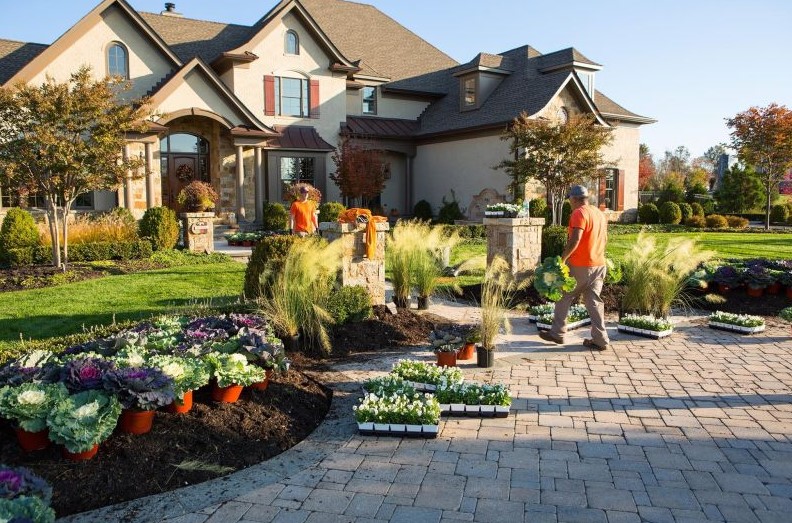
Los Angeles rewards materials that manage heat, resist staining, and weather in a way that suits the architecture. We see four surface families most often around pools: porcelain pavers, natural stone, concrete pavers, and cast-in-place concrete. Each can work beautifully if detailed for the site.
Porcelain rates high for slip resistance and low porosity. It runs cool compared to many stones, and maintenance is simple. The joints can be set narrow, giving a clean, modern field that ties well to contemporary homes. Natural stone offers unrivaled tone variation, but not all stones read the same in heat. Light granites, limestones rated for freeze-thaw, or quartzites with tight grain hold up well. Travertine remains popular, but you want dense, premium cuts that avoid spalling in chlorinated environments.
Concrete pavers give excellent value and are endlessly flexible in color and pattern. Many families choose them because repairs are simple, and the system can incorporate permeable joints where runoff restrictions apply. If you are comparing paver patios vs stamped concrete, think about the long game. Stamped concrete can be beautiful on day one, though it lives or dies by the installer’s skill and the quality of the sealer. In heat, integral colors can fade if not maintained. Cracks are difficult to disguise. Pavers handle thermal movement gracefully, they let you access utilities later, and they keep their pattern through wear. Stamped concrete wins on monolithic scale, custom textures, and initial cost, but it asks for more thoughtful detailing to manage glare and surface temperature.
When clients ask about 15 paver patio designs Los Angeles homeowners love, we often steer them toward large-format rectangles in running bond for modern houses, tumbled cobble borders around classic Spanish homes, or mixed module patterns in two hues near midcentury elevations. Patterns should not fight the pool geometry. Let the bond lines lead you to the water.
Coping, grout, and the tactile edge
Pool coping is the handshake of the deck. It will be under your fingers and toes every time you enter or exit the water. We specify eased edges for comfort and safety. For saltwater pools, we avoid soft stones or highly porous materials right at the waterline. On renovation projects, replacing a thin, sharp coping with a thicker piece that projects enough to create a safe toe can change how the whole pool feels.
Set joint widths to match the material. Porcelain favors tight joints, stone asks to show its individuality with slightly wider spacing, and concrete pavers follow manufacturer guidance for interlock. Grouts and joint sands should be chosen for UV stability and resistance to chlorine. Polymeric sand might be suitable in some installations, but around pools we often prefer swept-in joint sands and sealers that can be repaired in place.
Planting that thrives next to chlorinated water
Poolside planting in LA has to deal with heat, reflected glare, and occasional splash. The right drought tolerant plants do more than survive, they bring scale, fragrance, and movement that soften the hard lines of concrete and water. We design with layered canopies, from low groundcovers that knit the edges to sculptural shrubs and small trees that frame views without filling the pool with leaves.
Agave attenuata, Westringia, Leucophyllum, and dwarf olive do well in bright exposures with little fuss. For seasonal bloom without mess, consider kangaroo paw varieties that stay compact. Where you want sizzle, aloe hybrids give winter color right when the rest of the garden sleeps. The best drought tolerant plants for Los Angeles yards are not always the buzzworthy species either. Myoporum parvifolium as a groundcover can be a workhorse near a pool fence, rosemary in prostrate form softens a wall, and Pittosporum tenuifolium cultivars lend glossy order to clipped hedges.
Trees require real thought. Avoid heavy litter producers right at the coping. Palms look right in LA, yet older fan palms can drop fronds at awkward times. If you want shade without constant skimming, go with Arbutus marina, desert museum palo verde, or a well trained Cercidium hybrid, set far enough back to avoid root pressure on the deck. Citrus does beautifully in pots that can be shifted as sunlight moves through the year, and it rewards you with scent on warm evenings.
To limit overspray, build planting zones on separate valves from lawn or groundcovers, and use drip or inline subsurface emitters near decks. Keep shrubs at least 18 inches from the waterline where you can, which makes maintenance practical and reduces chemical stress on foliage.
Here is a simple field checklist we share with clients before final plant selections.
- Prioritize low litter species within 10 feet of the coping
- Choose drought tolerant varieties that tolerate reflected heat
- Separate irrigation zones for pool-adjacent beds
- Verify mature sizes against equipment clearances and views
- Protect root zones with deep watering basins instead of frequent misting
Turf, groundcovers, or gravel
Los Angeles homeowners often weigh artificial turf vs sod when they picture a soft edge near a pool. The answer is rarely one size fits all. Artificial turf gives you the visual calm of green without water or weekly mowing. Quality products drain well and stay cooler with infill choices and light colors, but all synthetic turf gets hot in full sun. Near a pool, we pay attention to splash chemistry, adhesive compatibility on transitions, and the heat profile where bare feet travel.
Sod delivers a springy surface that cools the air around it through evapotranspiration. It feels good, smells like childhood, and can be less expensive up front. The tradeoff is water, mowing, and the likelihood of grass clippings near the coping if a gardener is not careful. We often anchor the pool with hardscape and drought tolerant beds, then tuck smaller areas of turf or Kurapia groundcover off the main deck landscaping guides to separate play from splash. That rhythm serves families and keeps maintenance manageable.
The quiet hero: lighting
Great pool lighting disappears into the experience. It should welcome you outdoors, guide a safe path, and avoid glare on water. We place warm LEDs at eye level or lower, often hidden beneath capstones, inside pergola rafters, or set into stair risers. Moonlighting from a few carefully placed fixtures in trees casts movement over water without shining into neighbors’ windows. If you have read 10 outdoor lighting ideas for Los Angeles landscapes, you have seen the common themes. The standout projects share discipline. Light the verticals where people live, including the faces of seat walls and the underside of countertops, and you will use the space longer each night.
Kitchens, dining, and the flow between
Pool landscapes become true living rooms when cooking and dining are integrated. The question usually arrives early. How much does an outdoor kitchen cost in Los Angeles? Ranges vary with size, utilities, and finishes, but a small, efficient run with a built-in grill, undercounter storage, and durable countertop typically starts in the mid five figures when you account for concrete, gas, electrical, and permitting. Add refrigeration, a sink with proper drainage and venting, a pizza oven, or a long raised bar, and you push toward the upper end of a five figure budget or into six figures for elaborate layouts.
We favor L shaped kitchens that turn their back to wind and smoke. If the pool is your gathering zone, place the grill where the operator can talk to swimmers without the heat blasting their face. Consider covered cooking where possible. Pergolas vs covered patios is a common debate, but near a kitchen, a solid roof with a vent hood keeps grease off furniture and protects finishes. Pergolas remain excellent for filtered shade over a lounge, where climbing vines and adjustable louvers can manage seasonal sun.
When designing the perfect outdoor dining space, expect to need 3 feet of clearance around a dining table for comfortable circulation. Plan lighting for both ambiance and task, and give yourself a dedicated electrical circuit for heaters or a future ceiling fan if a roof is involved. The countertop needs to live at least 10 feet from the pool edge in many jurisdictions, but your local code or inspector may have additional guidance on electrical outlets and gas lines.
Fire, water, and how they meet a pool
LA nights can be cool even in summer. Fire features extend the season and draw people outdoors in a way furniture alone cannot. Twelve backyard fire pit ideas for entertaining year round would include gas troughs set along seat walls, circular pits at the end of a lawn panel, and statement fire bowls that reflect in the pool surface. In practice, the best choice is the one that respects wind and seating ergonomics. A pit that pushes 50,000 to 90,000 BTUs can warm a group without scorching. Seat walls at 18 to 20 inches high, with a 12 inch wide cap, turn an edge into an invitation to linger.
Water features near a pool deserve hydraulic honesty. Long sheers look clean but ask for careful filtration and surge control to avoid aeration that drives pH swings. Scuppers into a small rill, a stone weir that returns to the pool, or a narrow rill that doubles as a child friendly channel can provide sound without maintenance headaches. If you are balancing 15 fire and water feature ideas for modern landscapes, choose the few that reinforce your architecture and make service simple.
Hillside pragmatics and retaining walls that do more than hold soil
The complete guide to retaining walls in Los Angeles would start with soils. On a hillside, your engineer will specify wall types, foundation depths, and drainage measures. From there, the craft lies in how you turn engineering into a landscape experience. Short stepped walls feel more humane than a single tall face. A wall can create a level dining terrace, another can cradle a spa, and a third can hold a slope for a citrus grove irrigated on its own zone. How retaining walls prevent erosion on hillside properties is straightforward, yet the way we finish them is where design shows. Limewashed stucco ties to Spanish architecture. Board formed concrete suits modern lines. A veneer of cut stone aligns with traditional estates. Integrate weep hole management and concealed drains so staining does not telegraph across the face.
Cost, value, and where to invest
What does hardscape construction cost in Los Angeles? Expect site specifics to swing numbers. Access constraints, soils, and utilities can shift a budget by 20 to 40 percent. As a directional range, complete poolside hardscape with quality materials, proper base, drainage, lighting, and irrigation often lands in the mid five figures to low six figures before you add structures or full outdoor kitchens. Complex hillside work, premium stone, and custom steel shade elements take projects well beyond that.
If you are assembling a scope from 10 backyard upgrades worth the investment, prioritize drainage, shade, and lighting. Those three make every square foot more useful. Then consider pavers or stone over stamped concrete if future access to utilities matters to you. Retaining walls that solve grading and add seating tend to return value. City appraisers differ, but we routinely see buyers respond strongly to projects where 10 hardscaping features that increase property hardscaping contractors Pasadena value, like expanded patios, outdoor kitchens, quality fire features, and low maintenance plantings, are done with restraint and craft.
A note on driveways and front of house cohesion
Backyard luxury feels even richer when your front approach sets the tone. Homeowners exploring the most popular driveway materials in Los Angeles frequently land on concrete pavers, exposed aggregate concrete with crisp score lines, or permeable solutions where stormwater rules apply. Fifteen driveway paving ideas to improve curb appeal could fill their own article, but the key lesson for pool projects is continuity. If you choose a specific paver in the rear, echo its color or module at the entry path or porch. The house reads as one composition.
Design build rhythm and how Ridgeline leads clients through choices
How Ridgeline Outdoor Living approaches design build landscaping is simple to describe and deliberate in execution. We pair designers with field superintendents early, so the layout you fall in love with on paper already includes utility routing, base depths, and expansion joint plans. When you hear us reference how Ridgeline Outdoor Living creates functional outdoor living spaces, we do not mean adding features for their own sake. We mean right sizing the kitchen to your cooking habits, boxing a pool equipment pad so the humming stays out of your bedroom, and putting the outdoor shower where a bather can reach towels without dripping across the living room.
For homeowners interviewing firms, keep a short list of questions to ask before hiring a landscape contractor. Ask about drainage details, base specs under pavers, and how they will protect your house during demolition. Request local references, then visit at least one project in person at dusk. Materials, lighting color temperature, and workmanship reveal themselves in low light.
A living example from a typical LA yard
A family in Studio City came to us with a kidney pool from the 1980s, a narrow coping, and a patchy lawn. The brief asked for places to lounge, a spot to grill, something safe for a toddler, and privacy from a second story neighbor. We rotated the lounging zone to chase afternoon shade from a new steel pergola with a polycarbonate top that filters UV. The coping became a creamy limestone rated for poolside use, cut thick enough to give a tactile edge. We ran large format porcelain pavers in a running bond with a subtle texture, then inlaid a cedar deck island for two chaises. A low stucco wall with a gas trough became both a windbreak and a seat, its cap at 19 inches.
Planting leaned on drought tolerant structure. Two Arbutus marina framed the neighbor’s window without shedding into the pool. Dwarf olives and Westringia clipped into loose forms defined the deck’s back, while a ribbon of blue chalksticks ran along the fence for cool color. Instead of one big lawn, we set a small artificial turf panel beyond the pergola where a play tunnel can live. A French drain behind the seat wall and a channel drain at the threshold push stormwater to the street. Lighting moved in layers, with undercap LEDs on steps, small path lights at transitions, and downlights from the pergola rafters that wash the dining table. The outdoor kitchen occupies a short L with a 36 inch grill, trash pullout, and a modest fridge, tucked 12 feet from the pool edge to satisfy clearances and smoke drift.
The budget landed in the high five figures, mostly because access allowed us to run a compact crew and avoid craning materials. Maintenance has been light. Two years in, the family uses the yard nightly from May through October and most weekends the rest of the year.
Business Name: Ridgeline Outdoor Living
Address:845 E Walnut St, Pasadena, CA91101, United States
Phone: (626) 469-5822
Ridgeline Outdoor Living
Ridgeline Outdoor Living is a Pasadena-based landscape design-build company serving Greater Los Angeles with custom outdoor living, hardscape, and drought-tolerant landscape solutions. The company specializes in patios, retaining walls, outdoor kitchens, drainage, hillside projects, and turnkey landscape construction, handling projects from design and permitting through final build and warranty.
845 E Walnut St, Pasadena, CA 91101, USA
Business Hours:
- Monday – Saturday: 8:00 AM – 6:00 PM
- Sunday: Closed
Follow Us:
Comparing surface choices at a glance
Homeowners often ask us to summarize the tradeoffs between two of the most common poolside surfaces. Here is the way we present it during design meetings.
- Concrete pavers: Modular, repairable, wide color range, handle movement well, moderate cost, stay cooler in light tones
- Stamped concrete: Monolithic look, custom textures, fewer joints, economical upfront, can show cracks, requires sealer maintenance
- Porcelain pavers: High slip resistance, low porosity, stable color, cool in lighter shades, precise installation required
- Natural stone: Unique tone and variation, premium aesthetics, heat varies by species, sealers and edge detailing matter
- Wood or composite decks: Warmth underfoot, useful for transitions and roof decks, needs thoughtful detailing near chlorinated water
Managing runoff and the hillside after a storm
Common landscape drainage problems and their solutions show up the morning after rain. If you spot water collecting on the low corner of a deck, suspect inadequate slope or blocked outlets. If a wall shows damp staining at joints, look for missing or clogged drains behind it. The fix is methodical. Map the high and low points, then confirm where you want water to go without crossing walkways. Channel drains across thresholds carry sheet flow. Subdrains backed by clean gravel pull water out of bed spaces. When a lawn sits lower than the deck, add an area drain with a sump large enough to accept peak flows, then run solid pipe to daylight at the curb if your city allows. Many hillside properties benefit from a redundant path, so if one outlet clogs with leaf litter, the other handles overflow.
If you are seeing 10 signs your yard needs better drainage, such as foundation dampness, algae on paving, or mulch migration after storms, bring it up before you invest in new surfaces. Retrofits cost more and require cutting into finished work.
Sustainability that feels like luxury
Why drought tolerant landscaping is a smart investment shows most clearly around pools. With the right plant palette and efficient irrigation, you keep water where it counts and cut maintenance. Smart controllers adjust to weather. Drip lines deliver to roots, not coping. Permeable paver fields or gravel joints recharge soil and satisfy runoff restrictions. Fifteen water wise landscaping ideas for California homes could fill a book, but for pool owners the real luxury lies in a garden that stays beautiful when the water district tightens restrictions.
When a resort style backyard makes sense
Ten ways to create a resort style backyard at home usually begin with oversized loungers, a striking fire feature, and a dramatic water element. We caution clients to build what they will use. A Baja shelf is glorious with toddlers or a pair of lounge chairs, but that square footage is less useful for lap swimmers. A sunken fire lounge photographs well, but on a tight lot it can eat circulation and complicate drainage. Resort is a feeling, not a checklist. Shade where you need it, soft planting, warm light, and surfaces that welcome bare feet all night.
The long view, maintenance, and what to expect next
Choose materials and plants that meet your appetite for upkeep. Porcelain, concrete pavers, drought tolerant shrubs, and well designed irrigation limit weekly chores. Natural stone, clipped hedges, and complex water features ask for more time. Neither path is wrong. The key is to align expectations. We provide a seasonal tasks calendar, including when to reseal a deck, thin perennials, and test lighting timers after daylight savings changes. That small discipline keeps a pool landscape in its prime.
If you are beginning your own project, start with the frame. Decide how you will move around the pool, where shade will fall at 3 pm in August, and how water will leave the site in a storm. From there, materials, plants, and features will find their right scale. That is the blueprint Ridgeline uses every day, and it is why the projects our clients love most look simple on the surface while working hard underneath.

Public Last updated: 2026-06-23 08:20:36 AM