DIY Cultured Stone A Comprehensive Guide to Creating Your Own Stunning Stone Features
Introduction
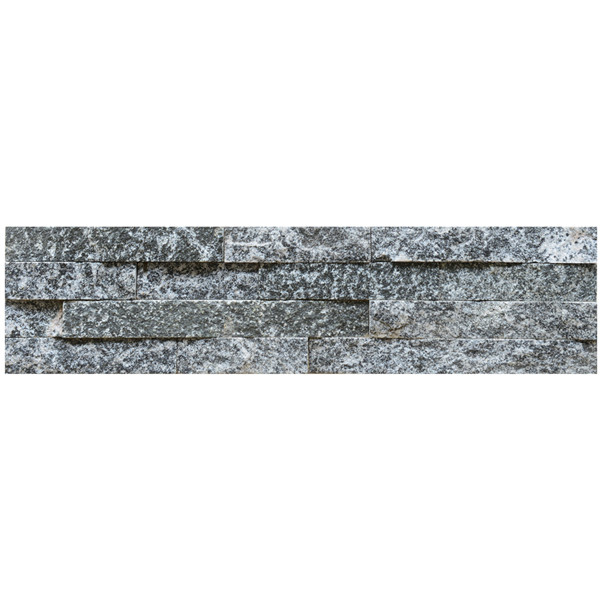
Cultured stone, also known as manufactured or artificial stone, is a popular alternative to natural stone for various construction and design projects. Made from a mixture of cement, aggregates, and iron oxide pigments, cultured stone can mimic the look and feel of natural stone at a fraction of the cost. DIY cultured stone projects have gained popularity in recent years as homeowners and contractors seek to create custom stone features without breaking the bank. In this comprehensive guide, we will explore the process of creating DIY cultured stone, including materials needed, step-by-step instructions, and tips for achieving professional-looking results.
Materials Needed
Before embarking on a DIY cultured stone project, it is essential to gather all the necessary materials and tools. Here is a list of items you will need to create your own cultured stone:
1. Cement: Portland cement is the primary binding agent used in cultured stone production. Make sure to use high-quality cement for best results.
2. Aggregates: Aggregates such as sand, gravel, or crushed stone are mixed with cement to create the body of the cultured stone. The choice of aggregates will determine the texture and appearance of the final product.
3. Iron Oxide Pigments: Pigments are added to the mixture to give the cultured stone its color and mimic the natural variations found in real stone. Iron oxide pigments are commonly used for their durability and fade-resistant properties.
4. Mold: A mold is used to shape the cultured stone into the desired size and texture. Molds can be made from silicone, rubber, or other materials that can withstand the casting process.
5. Release Agent: A release agent is applied to the mold to prevent the cultured stone from sticking and facilitate easy removal once it has cured.
6. Mixing Tools: You will need a bucket, trowel, and mixing paddle to combine the cement, aggregates, pigments, and water thoroughly.
7. Water: Water is used to hydrate the cement and create a workable mixture for casting the cultured stone.
8. Protective Gear: Safety glasses, gloves, and a dust mask are essential when working with cement and other materials to protect yourself from potential hazards.
Step-by-Step Instructions
Now that you have gathered all the necessary materials and tools, let's walk through the step-by-step process of creating DIY cultured stone:
Step 1: Prepare the Mold
Start by preparing the mold for casting the cultured stone. Apply a thin layer of release agent to the inside of the mold to prevent the stone mixture from sticking. Make sure the mold is clean and free of any debris that could affect the final appearance of the cultured stone.
Step 2: Mix the Ingredients
In a large bucket or mixing container, combine the cement, aggregates, and iron oxide pigments according to the manufacturer's instructions. Use a trowel or mixing paddle to blend the ingredients thoroughly, ensuring a consistent color and texture throughout the mixture. Add water gradually and mix until you achieve a workable consistency that holds its shape.
Step 3: Fill the Mold
Carefully pour the mixed stone mixture into the prepared mold, making sure to fill it evenly and avoid trapping air bubbles. Use a trowel to smooth the surface of the cultured stone and create any desired texture or pattern.
Step 4: Cure the Stone
Allow the cultured stone to cure in the mold for the recommended time specified by the manufacturer. Curing times may vary depending on the type of cement used and environmental conditions. Keep https://www.fs-slate.com/what-is-stone-veneer-and-why-should-you-choose/ in a cool, dry place away from direct sunlight to ensure proper curing.
Step 5: Demold the Stone
Once the cultured stone has fully cured, gently remove it from the mold by flexing the sides and carefully releasing the edges. Be patient and take your time to avoid damaging the stone during demolding. If necessary, use a soft brush or sandpaper to smooth any rough edges or imperfections.
Step 6: Finishing Touches
After demolding the cultured stone, you can further enhance its appearance by applying a sealer or enhancer to protect the surface and bring out the natural colors and textures. Follow the manufacturer's instructions for the best results and allow the sealer to dry completely before installing the stone.
Tips for Success
Creating DIY cultured stone can be a rewarding and cost-effective way to add beautiful stone features to your home or landscape. Here are some tips to help you achieve professional-looking results:
1. Experiment with Different Aggregates: Mix and match different types of aggregates to create unique textures and patterns in your cultured stone. Gravel, sand, and crushed stone can all be combined to achieve a custom look.
2. Use High-Quality Pigments: Invest in quality iron oxide pigments to ensure vibrant and long-lasting colors in your cultured stone. Cheaper pigments may fade or discolor over time, compromising the overall appearance of the stone.
3. Practice Proper Mixing Techniques: Take your time to mix the cement, aggregates, and pigments thoroughly to achieve a consistent and workable mixture. Proper mixing is essential for the strength and durability of the cultured stone.
4. Maintain a Clean Work Area: Keep your work area clean and organized to prevent contamination of the stone mixture. Avoid mixing materials on dirty surfaces or near debris that could affect the quality of the cultured stone.
5. Allow Sufficient Curing Time: Patience is key when it comes to curing cultured stone. Follow the manufacturer's recommendations for curing times and conditions to ensure the stone reaches its full strength and durability.
6. Seek Inspiration: Browse design magazines, websites, and social media platforms for inspiration and ideas on how to incorporate cultured stone into your home or outdoor space. Experiment with different styles and applications to create a truly unique look.
Conclusion
DIY cultured stone offers a cost-effective and customizable alternative to natural stone for a variety of construction and design projects. By following the step-by-step instructions outlined in this guide and incorporating the tips for success, you can create stunning stone features that enhance the beauty and value of your home. Whether you are looking to add a rustic fireplace surround, a decorative accent wall, or a charming garden pathway, DIY cultured stone provides endless possibilities for creativity and customization. Embrace the versatility and beauty of cultured stone and unleash your creativity to transform your living spaces with elegant and durable stone features.
Cultured stone, also known as manufactured or artificial stone, is a popular alternative to natural stone for various construction and design projects. Made from a mixture of cement, aggregates, and iron oxide pigments, cultured stone can mimic the look and feel of natural stone at a fraction of the cost. DIY cultured stone projects have gained popularity in recent years as homeowners and contractors seek to create custom stone features without breaking the bank. In this comprehensive guide, we will explore the process of creating DIY cultured stone, including materials needed, step-by-step instructions, and tips for achieving professional-looking results.
Materials Needed
Before embarking on a DIY cultured stone project, it is essential to gather all the necessary materials and tools. Here is a list of items you will need to create your own cultured stone:
1. Cement: Portland cement is the primary binding agent used in cultured stone production. Make sure to use high-quality cement for best results.
2. Aggregates: Aggregates such as sand, gravel, or crushed stone are mixed with cement to create the body of the cultured stone. The choice of aggregates will determine the texture and appearance of the final product.
3. Iron Oxide Pigments: Pigments are added to the mixture to give the cultured stone its color and mimic the natural variations found in real stone. Iron oxide pigments are commonly used for their durability and fade-resistant properties.
4. Mold: A mold is used to shape the cultured stone into the desired size and texture. Molds can be made from silicone, rubber, or other materials that can withstand the casting process.
5. Release Agent: A release agent is applied to the mold to prevent the cultured stone from sticking and facilitate easy removal once it has cured.
6. Mixing Tools: You will need a bucket, trowel, and mixing paddle to combine the cement, aggregates, pigments, and water thoroughly.
7. Water: Water is used to hydrate the cement and create a workable mixture for casting the cultured stone.
8. Protective Gear: Safety glasses, gloves, and a dust mask are essential when working with cement and other materials to protect yourself from potential hazards.
Step-by-Step Instructions
Now that you have gathered all the necessary materials and tools, let's walk through the step-by-step process of creating DIY cultured stone:
Step 1: Prepare the Mold
Start by preparing the mold for casting the cultured stone. Apply a thin layer of release agent to the inside of the mold to prevent the stone mixture from sticking. Make sure the mold is clean and free of any debris that could affect the final appearance of the cultured stone.
Step 2: Mix the Ingredients
In a large bucket or mixing container, combine the cement, aggregates, and iron oxide pigments according to the manufacturer's instructions. Use a trowel or mixing paddle to blend the ingredients thoroughly, ensuring a consistent color and texture throughout the mixture. Add water gradually and mix until you achieve a workable consistency that holds its shape.
Step 3: Fill the Mold
Carefully pour the mixed stone mixture into the prepared mold, making sure to fill it evenly and avoid trapping air bubbles. Use a trowel to smooth the surface of the cultured stone and create any desired texture or pattern.
Step 4: Cure the Stone
Allow the cultured stone to cure in the mold for the recommended time specified by the manufacturer. Curing times may vary depending on the type of cement used and environmental conditions. Keep https://www.fs-slate.com/what-is-stone-veneer-and-why-should-you-choose/ in a cool, dry place away from direct sunlight to ensure proper curing.
Step 5: Demold the Stone
Once the cultured stone has fully cured, gently remove it from the mold by flexing the sides and carefully releasing the edges. Be patient and take your time to avoid damaging the stone during demolding. If necessary, use a soft brush or sandpaper to smooth any rough edges or imperfections.
Step 6: Finishing Touches
After demolding the cultured stone, you can further enhance its appearance by applying a sealer or enhancer to protect the surface and bring out the natural colors and textures. Follow the manufacturer's instructions for the best results and allow the sealer to dry completely before installing the stone.
Tips for Success
Creating DIY cultured stone can be a rewarding and cost-effective way to add beautiful stone features to your home or landscape. Here are some tips to help you achieve professional-looking results:
1. Experiment with Different Aggregates: Mix and match different types of aggregates to create unique textures and patterns in your cultured stone. Gravel, sand, and crushed stone can all be combined to achieve a custom look.
2. Use High-Quality Pigments: Invest in quality iron oxide pigments to ensure vibrant and long-lasting colors in your cultured stone. Cheaper pigments may fade or discolor over time, compromising the overall appearance of the stone.
3. Practice Proper Mixing Techniques: Take your time to mix the cement, aggregates, and pigments thoroughly to achieve a consistent and workable mixture. Proper mixing is essential for the strength and durability of the cultured stone.
4. Maintain a Clean Work Area: Keep your work area clean and organized to prevent contamination of the stone mixture. Avoid mixing materials on dirty surfaces or near debris that could affect the quality of the cultured stone.
5. Allow Sufficient Curing Time: Patience is key when it comes to curing cultured stone. Follow the manufacturer's recommendations for curing times and conditions to ensure the stone reaches its full strength and durability.
6. Seek Inspiration: Browse design magazines, websites, and social media platforms for inspiration and ideas on how to incorporate cultured stone into your home or outdoor space. Experiment with different styles and applications to create a truly unique look.
Conclusion
DIY cultured stone offers a cost-effective and customizable alternative to natural stone for a variety of construction and design projects. By following the step-by-step instructions outlined in this guide and incorporating the tips for success, you can create stunning stone features that enhance the beauty and value of your home. Whether you are looking to add a rustic fireplace surround, a decorative accent wall, or a charming garden pathway, DIY cultured stone provides endless possibilities for creativity and customization. Embrace the versatility and beauty of cultured stone and unleash your creativity to transform your living spaces with elegant and durable stone features.
Public Last updated: 2025-07-08 05:17:15 AM