How to Identify Hydraulic Leaks in Press Brake Equipment?
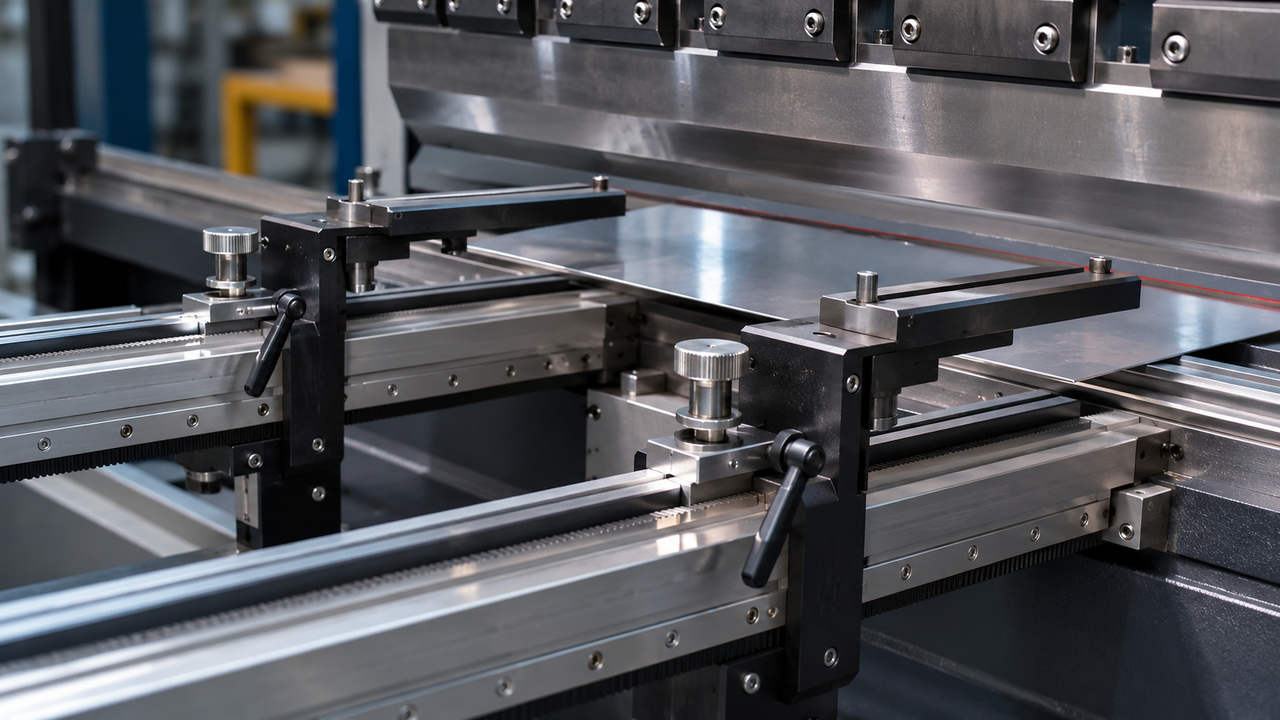
Hydraulic leaks in press brake equipment can severely affect operational efficiency, safety, and maintenance costs. Knowing how to identify hydraulic leaks in press brake equipment? is essential for plant managers, maintenance teams, and machine operators aiming to ensure continuous production and equipment longevity. This article provides a strategic overview and decision guide for detecting these leaks early and effectively.
Press brakes rely on hydraulic systems to deliver precise bending forces, making leak detection critical to maintaining machine integrity. Early identification of leaks not only reduces downtime but also prevents environmental hazards and potential safety incidents. Through a strategic lens, this guide outlines key indicators, diagnostic techniques, and best practices for managing hydraulic leaks in press brake operations.
Recognizing the Signs: Early Indicators of Hydraulic Leaks
Visible Fluid Traces and Stains
One of the most apparent signs of a hydraulic leak is the presence of fluid stains around the press brake components. Operators should routinely inspect the machine’s hydraulic lines, fittings, and cylinders for wet spots or accumulating puddles. These visible traces often signal deteriorated seals or damaged hoses that require immediate attention to avoid system failure.
In addition to spotting wet areas, observing fluid discoloration or unusual textures can indicate contamination or breakdown of hydraulic oil. Timely detection of these visual cues supports proactive maintenance and helps prevent costly machine downtime.
Unusual Noise and Performance Fluctuations
Hydraulic leaks often cause pressure drops, which translate into irregular machine performance or unexpected noises. Operators might notice sluggish ram movements, inconsistent bending force, or abnormal sounds such as hissing or whining during operation. These symptoms suggest that the hydraulic system is losing pressure due to leakage or air ingress.
Monitoring performance metrics regularly allows maintenance staff to correlate these anomalies with potential leaks. Strategic evaluation of machine behavior contributes to effective troubleshooting and timely intervention.
Temperature Variations Around Hydraulic Components
Leaks can cause the hydraulic system to overwork, leading to abnormal heat generation near pumps, valves, or cylinders. Using infrared thermometers or thermal imaging cameras can help identify hotspots indicating fluid escaping under pressure. Such temperature irregularities often precede visible leaks, offering an early warning mechanism for operators.
Integrating thermal monitoring into routine inspections enhances the facility’s ability to catch leaks before they escalate, safeguarding the press brake’s operational reliability.
How to Identify Hydraulic Leaks in Press Brake Equipment? Strategic Diagnostic Methods
Pressure Testing and Monitoring
Pressure testing remains a cornerstone approach to identifying hydraulic leaks in press brake equipment. By applying consistent hydraulic pressure and monitoring for drops over time, technicians can isolate leak points. This method requires calibrated gauges and knowledge of the machine’s normal operating pressure ranges.
Employing pressure sensors integrated with control systems further enables real-time detection of anomalies. This strategic diagnostic approach supports ongoing equipment health assessment and rapid response to hydraulic issues.
Use of Leak Detection Fluids and Dyes
Applying specialized leak detection fluids or ultraviolet (UV) dyes to the hydraulic system can highlight leak locations that are otherwise hard to detect. When the press brake operates, these substances escape through leaks and become visible under UV light or through color changes. This technique is particularly useful for small or internal leaks within inaccessible components.
Incorporating leak detection products into scheduled maintenance routines offers a strategic advantage by pinpointing issues early and reducing the risk of catastrophic failures.
Acoustic Leak Detection Technology
Advanced acoustic devices capture the sound frequencies generated by escaping hydraulic fluid under pressure. These ultrasonic detectors enable technicians to identify leaks without disassembling the press brake. The technology is effective in noisy industrial environments where visual inspection is insufficient.
Using acoustic detection complements other diagnostic methods and enhances the overall leak identification process, supporting timely decision-making on repairs or replacements.
Strategic Maintenance Practices to Mitigate Hydraulic Leak Risks
Routine Inspection and Preventative Protocols
Establishing a rigorous inspection schedule focused on hydraulic components reduces the likelihood of unnoticed leaks. Preventative protocols include checking seals, hoses, fittings, and fluid levels regularly. Maintaining detailed records of inspection outcomes allows for trend analysis and predictive maintenance planning.
These strategic practices help extend the lifespan of a hydraulic press brake and minimize unplanned downtime, ensuring operational continuity.
Training and Operator Awareness
Equipping machine operators and maintenance personnel with knowledge about hydraulic leak symptoms and response procedures is crucial. Training programs should emphasize visual inspections, noise recognition, and basic troubleshooting techniques. Empowered employees can detect early warning signs before leaks escalate into major issues.
Promoting a culture of vigilance and accountability enhances equipment safety and performance, contributing to sound operational management.
Selecting Quality Components and Fluids
Choosing high-quality seals, hoses, and hydraulic fluids compatible with the press brake system reduces leak incidence. Inferior components degrade faster and increase the risk of leaks. Investing in premium materials and fluids supports the machine’s hydraulic integrity and performance.
Strategic procurement aligned with manufacturer specifications ensures reliability and lowers long-term maintenance costs.
Industry Context: Compliance and Safety Considerations
Regulatory Standards and Safety Protocols
Hydraulic leaks in press brakes pose safety hazards including slips, fire risks, and environmental contamination. Complying with industrial safety standards and regulations mitigates these risks. OSHA guidelines emphasize regular machine guarding, leak prevention, and emergency response readiness.
Adhering to these protocols not only protects workers but also avoids penalties and enhances operational reputation.
Environmental Impact and Sustainability
Leaks contribute to hydraulic fluid waste, environmental pollution, and increased disposal costs. Sustainable operations prioritize leak prevention through efficient maintenance and fluid recycling programs. Minimizing leaks aligns with corporate social responsibility goals and regulatory expectations.
Integrating sustainability into hydraulic leak management promotes long-term cost savings and environmental stewardship.
Technological Advances in Press Brake Systems
Modern hydraulic press brake machines integrate sensors and automated monitoring to detect leaks proactively. These innovations improve leak detection accuracy and reduce manual inspection labor. Advanced diagnostics facilitate strategic decisions regarding maintenance scheduling and component replacement.
Investing in updated press brake technology enhances operational efficiency and safety while addressing the challenges of hydraulic leak identification.
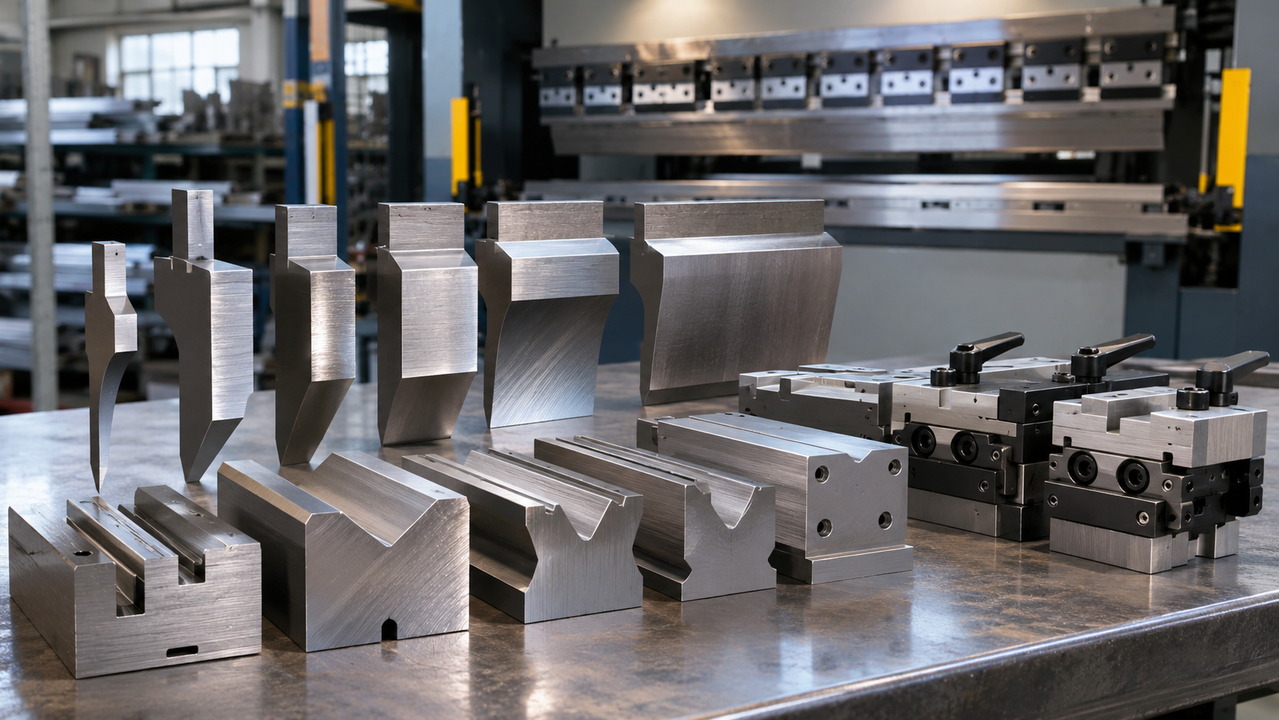
For companies seeking reliable equipment, partnering with a reputable hydraulic press brake manufacturer ensures access to machines designed with improved leak resistance and diagnostic features.
Evaluating Hydraulic Leak Impact on Press Brake Operations
Cost Implications of Undetected Leaks
Hydraulic leaks left untreated can lead to significant financial burdens including fluid loss, machine downtime, and component damage. Repairing major failures often involves extended production halts and expensive part replacements. Recognizing the financial impact drives strategic investment in early leak detection technologies and maintenance programs.
Balancing upfront maintenance costs against potential losses favors proactive hydraulic system management.
Operational Efficiency and Product Quality
Leaks reduce hydraulic pressure consistency, directly affecting the quality and precision of metal bending processes. Variations in bending force can cause defective parts and increased scrap rates. Maintaining a leak-free hydraulic system supports consistent output and customer satisfaction.
Strategic leak control is therefore integral to sustaining competitive manufacturing operations.
Safety and Workforce Productivity
Hydraulic fluid leaks create slippery surfaces and raise the risk of workplace accidents. Ensuring leak-free equipment protects employees and reduces injury-related absences. A safe working environment also contributes to higher morale and productivity.
Addressing hydraulic leaks aligns with broader operational goals of safety and workforce effectiveness.
How to Identify Hydraulic Leaks in Press Brake Equipment? Strategic Decision Framework
Prioritizing Inspection Based on Risk Assessment
Decision-makers should evaluate press brake systems to identify components most susceptible to leaks. Risk factors include machine age, operating conditions, and historical maintenance data. Prioritizing inspections based on these criteria optimizes resource allocation and enhances leak detection effectiveness.
Implementing a risk-based approach aligns maintenance efforts with the areas of greatest vulnerability.
Integrating Leak Detection into Maintenance Management Systems
Incorporating hydraulic leak identification into computerized maintenance management systems (CMMS) streamlines scheduling and documentation. Automated alerts for pressure drops or fluid level changes facilitate timely responses. This integration supports data-driven decision-making and continuous improvement.
Leveraging CMMS technology turns leak identification into a proactive process rather than reactive troubleshooting.
Balancing Cost and Benefit in Leak Repair Decisions
When leaks are identified, organizations must evaluate repair options considering downtime, parts cost, and operational impact. Some leaks may require immediate shutdowns while others can be scheduled during planned maintenance. Strategic decisions weigh short-term disruption against long-term reliability gains.
Effective leak management balances operational continuity with maintenance imperatives to maximize asset value.
In industries where precision is paramount, adopting best practices in industrial machine safeguarding supports both safety and process quality.
Maximizing the Value of Your Decision on Hydraulic Leak Management
How to identify hydraulic leaks in press brake equipment? requires a strategic approach that integrates early detection, effective diagnostics, and informed maintenance decisions. By prioritizing these elements, organizations can minimize downtime, enhance safety, and control operational costs. Applying this decision guide empowers teams to maintain hydraulic press brakes in optimal condition.
Investing in training, technology, and quality components further strengthens leak prevention efforts and promotes sustainable manufacturing practices. Ultimately, a comprehensive hydraulic leak management strategy reinforces equipment reliability and supports business objectives.
Continuous evaluation and adaptation of leak identification methods ensure that press brake operations remain efficient and safe in evolving industrial environments.
SC SHENCHONG
Wuxi Shenchong Forging Machine Co., Ltd
Tianshun Road, Yangshan Industrial Park, Wuxi, Jiangsu, China 214156
+86-158-9507-5134
Public Last updated: 2026-11-24 11:47:57 AM