How to Spot Early Termite Damage Before Repairs Become Extensive
Recognizing the First Signs of Termite Activity
Termites cause billions of dollars in structural damage each year, and much of it happens out of sight. By the time homeowners notice sagging floors or bubbling paint, colonies may have been working for years. Catching the problem early means simpler, less invasive fixes and lower costs. The key is knowing what to look for and where to look. This article walks through the early warning signs of termite damage, from the subtle to the unmistakable, so you can act before the repairs grow into a major project.
Step 1: Check for Mud Tubes on Foundation Walls and Crawl Spaces
Subterranean termites, the most common type in the United States, build pencil-thin mud tunnels to travel from their underground colonies to their food source: wood. These tubes protect them from open air and predators. Walk around your foundation, both inside and outside the basement or crawl space. Look for narrow, muddy ridges running up the concrete or cinder block. They may also appear on floor joists, sill plates, and support piers. If you break open a tube and see pale, soft-bodied insects scrambling, the colony is active. Even empty tubes signal a past or nearby infestation, because termites may rebuild in the same spot.
Step 2: Tap and Probe Wood Surfaces for Hollow Sounds
Termites eat wood from the inside out, leaving a thin outer layer intact while hollowing the core. Gently tap baseboards, floor joists, window sills, and door frames with a screwdriver handle or a small hammer. A solid thud means the wood is sound. A hollow, papery sound suggests termite damage underneath. For a more direct check, press the tip of a flat-blade screwdriver into the wood. If it sinks in easily or the wood flakes away, the interior has been consumed. Do not probe deeply into structural beams unless you are prepared to have a professional assess the extent, but a light push is safe and revealing.
Step 3: Look for Frass, Termite Droppings
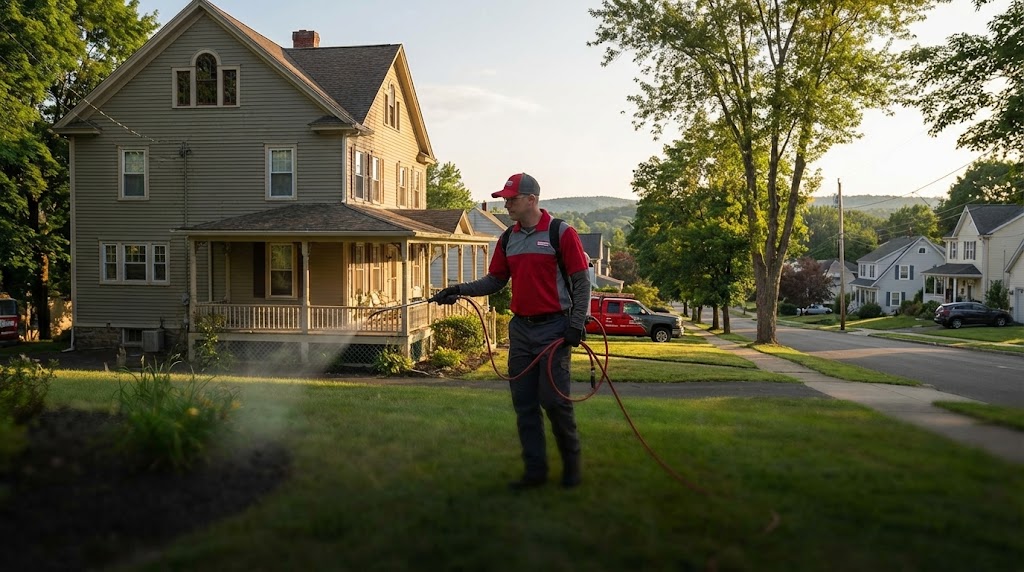
Drywood termites, which do not need soil contact, push their fecal pellets out of small kick-out holes. The pellets are tiny, six-sided, and resemble sawdust or coarse sand. You may find small piles on window sills, on the floor near baseboards, or caught in spider webs. The color matches the wood the termites have been eating, so frass can be light tan, dark brown, or almost black. If you sweep up a pile and it returns in a few days, the colony is still active inside the wall or trim. Unlike sawdust from carpenter ants, termite frass is uniform in shape and size, not fibrous.
View the location on Google Maps
Step 4: Inspect for Swarmers and Discarded Wings
Once a termite colony matures, it produces winged reproductive termites, called swarmers, that fly out to start new colonies. Swarming usually happens in spring or early summer, often after a warm rain. You may see a sudden cloud of flying insects around windows, doors, or light fixtures. Swarmers are often mistaken for flying ants, but termites have four wings of equal length, straight antennae, and a thick waist. Flying ants have bent antennae, pinched waists, and two longer wings. After swarming, the termites shed their wings, leaving small piles of translucent, veined wings near windowsills, vents, or light sources. Finding wings indoors almost always means a colony is established somewhere inside the building.
Step 5: Watch for Blistered or Bubbling Paint and Crumbling Drywall
As termites tunnel behind walls, they create small channels that cause the surface material to warp. Paint may appear blistered or bubbled in areas that have no history of moisture. Gently press on the bubble; if the drywall gives way or feels hollow, termites may be feeding behind it. Similarly, wallpaper that peels in long strips without an obvious moisture source can indicate tunneling underneath. In severe cases, drywall starts to crumble or sag. These signs are more advanced than mud tubes or frass, but still early enough that repairs can be limited to replacing the affected sections rather than rebuilding entire walls.
Step 6: Examine Moisture-Prone Areas Around the Property
Termites are drawn to moisture. Leaky pipes, clogged gutters, poor drainage, and wood that touches soil create ideal conditions. Check areas where plumbing enters the house, around the water heater, under sinks, and near the washing machine. Also inspect the attic for roof leaks, since damp wood attracts termites even at heights. Look for water stains, mold, or soft spots on wood surfaces. While moisture alone does not mean termites are present, it invites them. Addressing moisture issues reduces the risk and makes inspections more effective, because termite damage is easier to spot when the wood is not already rotted from water.
Step 7: Schedule a Professional Inspection
Even the most thorough homeowner can miss early signs. Termites often work inside walls, under floors, and in attics where they are not visible. A trained inspector knows where to look and can identify damage that is hidden behind finished surfaces. During an inspection, a technician will probe wood, check for mud tubes, look for frass and wings, and use tools like moisture meters and sometimes thermal imaging to find colonies. If the inspection finds active termites, treatment options include liquid soil barriers, bait stations, wood treatments, and fumigation for drywood infestations. The right choice depends on the species, the location of the colony, and the construction of the building. For residents in Connecticut, Yale Termite & Pest Elimination Corp. provides termite inspections and treatments that follow Integrated Pest Management practices, meaning they focus on long-term prevention as well as elimination.
Early Action Saves Structure and Money
Termite damage is slow but relentless. A small colony can chew through a pound of wood per month, and colonies number in the hundreds of thousands. Waiting until damage is visible from across the room means the structural integrity of beams, joists, and studs is already compromised. The steps above catch the problem at the mud-tube stage, the swarming stage, or the frass stage, when repairs are still local. If you spot any of these signs, do not delay. Call a licensed pest control company for a thorough inspection. In the Ansonia area, termite treatment often starts with a property evaluation by a professional. Yale Termite & Pest Elimination Corp. has been serving Connecticut since 1983, offering residential and commercial pest control services across Fairfield, New Haven, and Litchfield counties. Their technicians are state licensed, insured, and bonded, and they use Integrated Pest Management to address infestations while minimizing chemical use. Catching termites early is the single most effective way to protect your home and your budget.
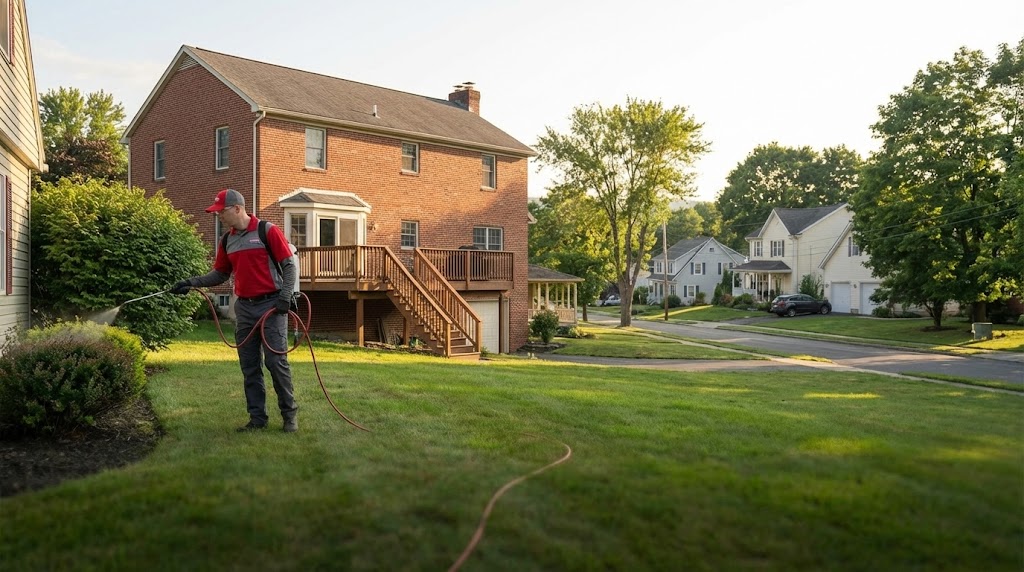
For termite inspection and treatment services in the region, contact Yale Termite & Pest Elimination Corp. at 69 Mott St, Ansonia, CT 06401, USA, or call +1 203-331-8664.
Yale Termite & Pest Elimination Corp. is also on Instagram.
Public Last updated: 2026-11-23 10:03:39 PM