Unveiling the Beats: The Evolution of P. Diddy's Musical Legacy
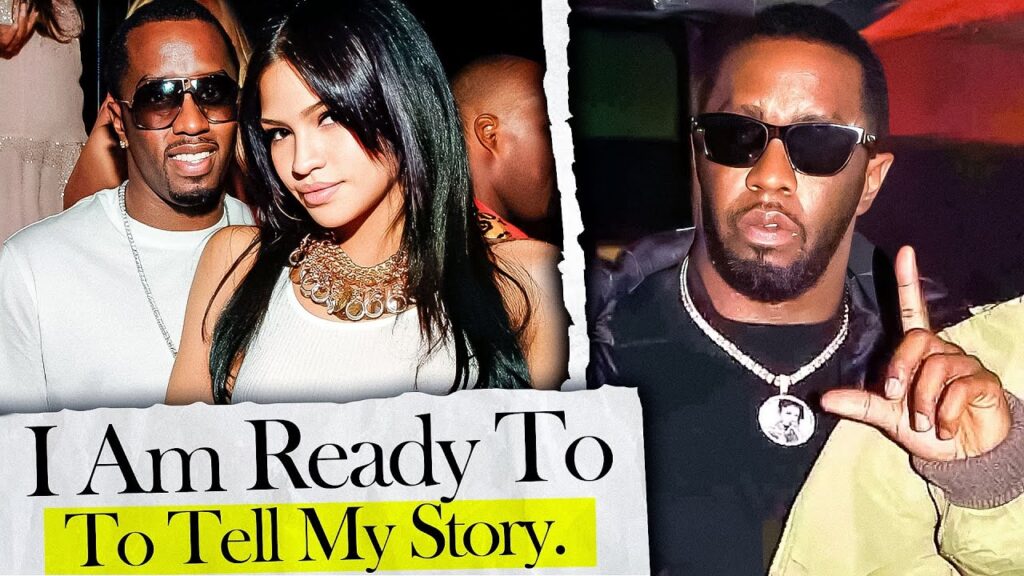
In the realm of hip-hop and pop music, few names resonate with as much influence as P Diddy. From his groundbreaking emergence in the 1990s to his ongoing impact on the music industry today, he has constantly redefined the boundaries of what it means to be an artist and a mogul. His ability to blend various musical genres, coupled with a keen sense for spotting talent, has established him not only as a performer but also as a formidable force behind the scenes in the world of music production.
P Diddy's journey began with the founding of Bad Boy Records, which became a launching pad for some of the biggest names in the industry. His collaborations with artists like The Notorious B I G, Faith Evans, and Mase helped shape the sound of an era. As we delve deeper into his musical legacy, we uncover how P Diddy turned his vision into reality, continually evolving his style and expanding his influence, ultimately leaving an indelible mark on the landscape of contemporary music.
Early Life and Career
Sean Combs, known to the world as P. Diddy, was born on November 4, 1969, in Harlem, New York City. Raised in a working-class family, he experienced a mixture of cultures that would later influence his music. His mother, Janice, was a model and educator who instilled the importance of hard work and resilience in him. After his father's untimely death when he was just a toddler, Combs focused on achieving success, dreaming of a prominent career in the music industry.
Diddy's journey began in earnest at Howard University, where he studied business and worked for a local music label. His drive and passion soon caught the attention of influential figures within the industry. After dropping out of college, he landed an internship at Uptown Records, which served as a launching pad for his career. His talents in artist management and promotion quickly elevated him within the record label and laid the groundwork for his future endeavors.
In 1993, P. Diddy took a bold step by founding his own label, Bad Boy Entertainment. This move marked a significant turning point in his career, allowing him to produce and promote artists that would shape the landscape of hip-hop and R&B. With a clear vision and an ear for talent, he signed artists such as The Notorious B.I.G., who would become a central figure in his musical journey and the hip-hop scene at large.
Rise to Stardom
P. Diddy, born Sean Combs, emerged from the bustling streets of New York City to become one of the most influential figures in hip-hop and pop music. His journey began in the early 1990s when he worked as an intern at Uptown Records, where he honed his skills in music production and artist management. His keen ear for talent and knack for creating infectious beats quickly caught the attention of industry insiders, leading to his creation of the Bad Boy Entertainment label in 1993.
The release of Notorious B.I.G.' https://www.aceshowbiz.com/celebrity/p_diddy/ s debut album, Ready to Die, in 1994 put Bad Boy on the map, cementing P. Diddy's position as a major player in the music scene. With his innovative approach to blending hip-hop with various musical styles, he crafted hits that resonated with a diverse audience. P. Diddy's business acumen and ability to spot promising artists allowed him to build a roster of successful acts, further elevating his prominence within the industry.
As the years went by, P. Diddy expanded his influence beyond music, venturing into fashion and entertainment. His collaborations with various artists and his signature sound continued to shape the musical landscape of the late 1990s and early 2000s. P. Diddy's rise to stardom was not only marked by his chart-topping hits but also by his ability to adapt and innovate, ensuring his relevance in a constantly evolving industry.
Musical Influences
P. Diddy, originally known as Puff Daddy, has always been a chameleon in the music industry, drawing from a diverse array of influences that have shaped his unique sound. Growing up in Harlem, he was surrounded by a rich musical environment that included hip hop, soul, and R&B. The sounds of iconic artists like Marvin Gaye and James Brown resonated with him, leading to a strong appreciation for melodic hooks and rhythm-driven production that would later define his work.
In addition to classic soul and R&B, Diddy was profoundly influenced by the golden age of hip hop during the late 1980s and early 1990s. Artists such as Run-D.M.C. and Eric B. & Rakim paved the way for what hip hop could become, blending lyrical prowess with innovative beats. Diddy absorbed these elements, ultimately infusing them into his productions at Bad Boy Records and elevating the genre through collaborations with emerging talent.
Moreover, Diddy's musical journey was marked by his ability to adapt and incorporate new styles. The rise of contemporary pop and electronic music in the 2000s saw him collaborating with a range of artists across genres, from rock to dance. This versatility not only broadened his appeal but also positioned him as a key player in the evolution of music trends. His willingness to embrace different sounds has allowed him to remain relevant and influential throughout his career.
Major Projects and Collaborations
P Diddy's career has been marked by numerous significant projects that have defined his musical journey. One of the standout moments was the release of his debut album, No Way Out, in 1997. The album was a commercial success, featuring hits like "I'll Be Missing You" and "Can't Nobody Hold Me Down." This project not only established Diddy as a solo artist but also showcased his ability to blend hip-hop with elements of pop and R&B. The album received critical acclaim and set the tone for his future endeavors in the music industry.
In addition to his solo work, P Diddy has been instrumental in producing and collaborating with several iconic artists. His label, Bad Boy Records, has been home to a number of influential acts including The Notorious B.I.G., Faith Evans, and Mase. These collaborations have greatly impacted the hip-hop landscape, with Diddy often serving as a mentor and producer. His work with artists from various genres has allowed him to create a unique sound that has attracted a diverse audience over the years.
Furthermore, Diddy's collaborations extend beyond his label, linking him with prominent artists in the industry. From working with Jay-Z and Lil' Kim to producing tracks for artists like Usher and Mary J. Blige, Diddy has demonstrated his versatility and creative vision. These partnerships not only enhanced his musical repertoire but also solidified his position as a powerful force in the music world. The synergy created through these collaborations has helped to further elevate his artistic legacy and influence.
Legacy and Impact
P. Diddy's influence on the music industry extends far beyond his chart-topping hits. He has played a pivotal role in shaping hip-hop and R&B over the past several decades, curating a distinct sound that has resonated with millions. His ability to blend various genres and incorporate elements from different musical styles has made his productions stand out. Artists who worked with him during the 1990s and early 2000s not only found commercial success but also defined a generation of music that continues to inspire new artists today.
Beyond his roles as a producer and artist, he has significantly impacted the business side of the music industry. Diddy's entrepreneurial spirit led him to establish Bad Boy Records, which became a launching pad for numerous successful artists. Through innovative marketing campaigns, strategic collaborations, and an acute understanding of consumer trends, he has demonstrated how to build a lasting brand in music. His ventures into fashion and beverages have further solidified his status as a multifaceted mogul, making him a blueprint for aspiring artists and entrepreneurs alike.
P. Diddy's legacy is not just measured in records sold or awards won, but in the cultures and movements he has shaped through his artistry. He challenged industry norms and pushed for greater representation and diversity, encouraging countless individuals to pursue their passions. As a mentor, he has opened doors for new talents, fostering a sense of community in hip-hop that values collaboration. His contributions ensure that his legacy will endure, inspiring future generations to innovate and elevate the craft of music-making.

Public Last updated: 2024-10-18 01:47:44 PM